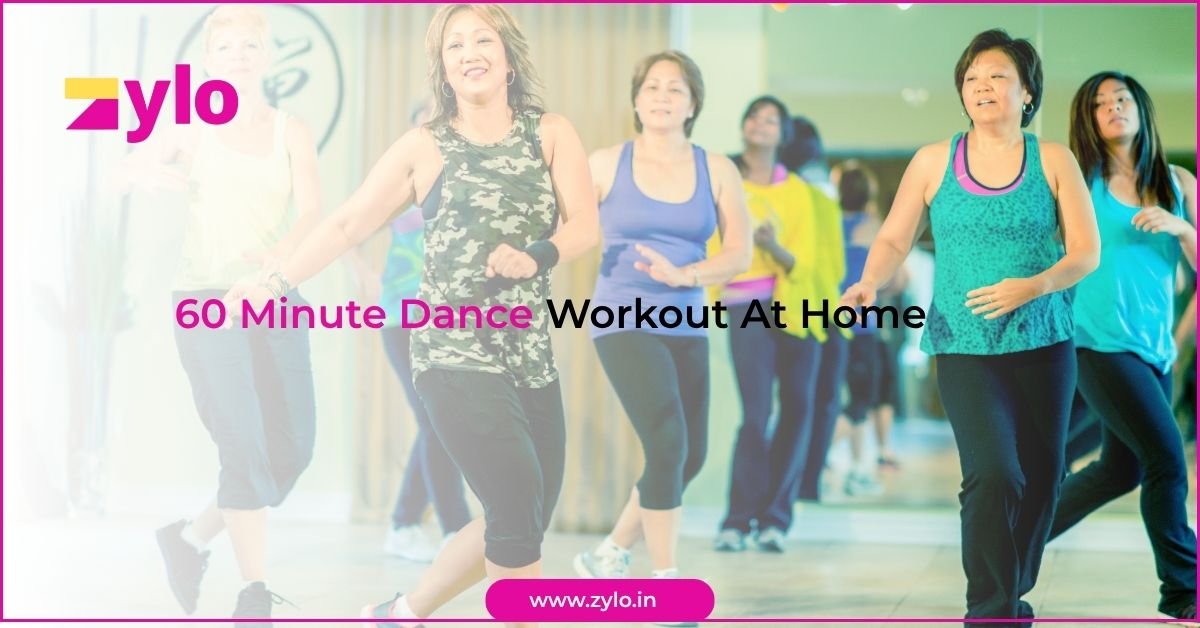
Staying active is an important part of a healthy lifestyle, but traditional workouts are not enjoyable for everyone. If you like music and movement, a dance workout can be a fun way to add physical activity to your daily routine. You do not necessarily need a gym or expensive equipment to get started. A little space at home, comfortable clothes, and your favorite music can be enough.
A 60-minute dance workout at home can combine warm-up movements, dance-based cardio, strength-focused movements, and a cool-down session. You can adjust the intensity according to your fitness level and take short breaks whenever necessary.
People often search for How To Lose Belly Fat, especially when they want to improve their body composition. However, it is important to understand that you cannot specifically choose where your body loses fat. Regular physical activity, balanced nutrition, adequate sleep, and an overall healthy lifestyle can support healthy weight management and reduce overall body fat over time.
This guide explains how to structure a 60-minute dance workout at home, its potential benefits, beginner tips, and how dance exercise can fit into a healthy fitness routine.
What Is a Dance Workout?
A dance workout combines dance-inspired movements with exercise. Depending on the style, it can include movements such as stepping, side-to-side movements, knee lifts, arm movements, turns, squats, and other rhythmic exercises.
Dance workouts can range from low-impact routines to high-energy cardio sessions. Beginners should start with simple movements and gradually increase intensity as they become more comfortable.
One of the main advantages of dance workouts is that they can feel more enjoyable than repetitive exercise. Listening to music and following a rhythm can make a workout feel like a fun activity rather than a chore.
Benefits of a 60-Minute Dance Workout
1. Supports Cardiovascular Fitness
Dance workouts can raise your heart rate and provide aerobic activity. Regular aerobic exercise can help support cardiovascular fitness and overall endurance.
The intensity depends on the movements you perform. Faster dance routines with continuous movement are generally more demanding than slow or low-impact routines.
2. Helps Increase Daily Physical Activity
If you spend much of your day sitting, a dance workout can be a practical way to add movement.
You can complete the session at home without needing to travel to a gym or fitness center.
3. Can Support Weight Management
Physical activity uses energy, and regular exercise can contribute to a healthy weight-management plan.
However, weight management depends on several factors, including food intake, activity levels, sleep, genetics, and individual health conditions.
4. Improves Coordination
Following dance movements requires you to coordinate your arms, legs, and body with the rhythm of music.
Regular practice may help improve movement coordination and body awareness.
5. Can Improve Mood
Exercise can be a positive way to take a break from daily responsibilities. Music and enjoyable movement may make dance workouts particularly appealing to people who do not enjoy traditional exercise.
6. Requires Little Equipment
Most dance workouts can be completed without equipment. You may only need comfortable clothing, supportive footwear if appropriate, and enough open space to move safely.
Can Dance Workouts Help With Belly Fat?
Many people search for How To Lose Belly Fat, but there is an important point to understand: exercise cannot guarantee fat loss from one specific part of the body.
When the body loses fat, the pattern and speed of fat loss are influenced by factors such as genetics, hormones, age, nutrition, activity levels, and overall energy balance.
Dance workouts can contribute to overall physical activity and calorie expenditure. Combined with a balanced diet and other healthy habits, regular exercise may support a reduction in overall body fat.
Instead of focusing only on the stomach area, consider overall fitness and healthy lifestyle habits.
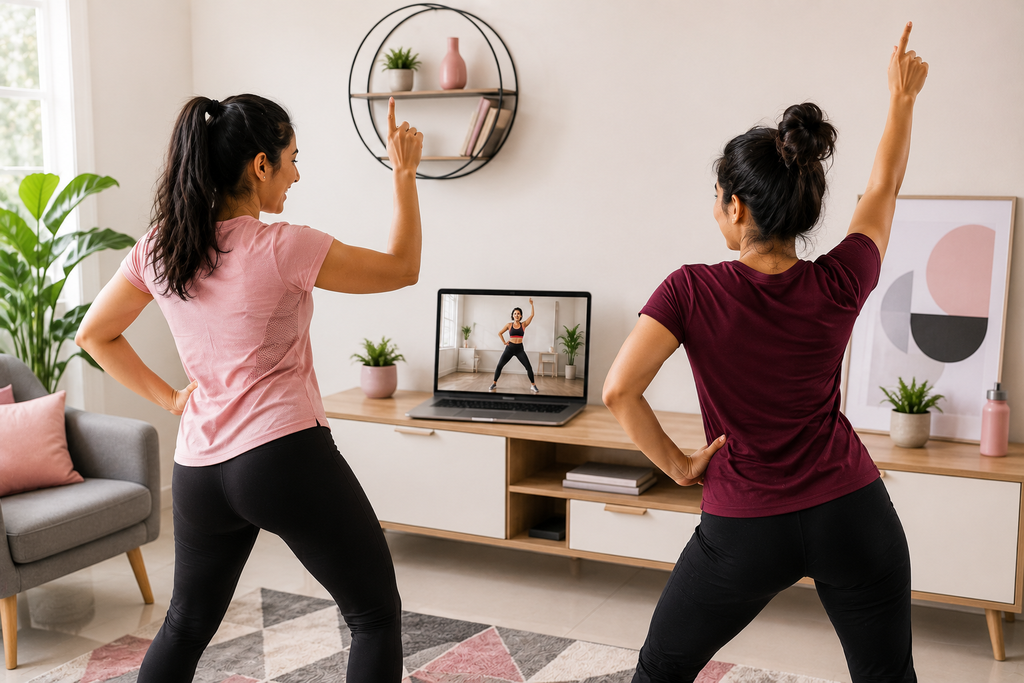
60-Minute Dance Workout Structure
A complete 60-minute dance workout can be divided into several sections.
1. Warm-Up – 10 Minutes
2. Low-Intensity Dance – 10 Minutes
3. Cardio Dance – 15 Minutes
4. Dance and Strength Movements – 10 Minutes
5. Higher-Intensity Dance – 10 Minutes
6. Cool-Down and Stretching – 5 Minutes
This structure gives your body time to gradually prepare for exercise and then recover afterward.
10-Minute Warm-Up
Never start a demanding workout suddenly. A warm-up helps you gradually increase your movement and prepare your body for exercise.
Start with:
Minute 1–2: March in Place
Stand comfortably and march slowly. Move your arms naturally.
Minute 3–4: Side Steps
Step from side to side while gently moving your arms.
Minute 5–6: Shoulder Rolls
Move your shoulders slowly forward and backward.
Minute 7–8: Knee Lifts
Alternate gentle knee lifts while keeping your movements controlled.
Minute 9–10: Easy Dance Steps
Put on comfortable music and perform simple side steps, arm movements, and gentle turns.
The warm-up should feel comfortable rather than exhausting.
10-Minute Low-Intensity Dance
Once you are warmed up, begin simple dance movements.
You can include:
- Side-to-side steps
- Step touches
- Gentle knee lifts
- Arm swings
- Forward and backward steps
- Simple dance combinations
Keep your movements continuous but comfortable.
Beginners can keep both feet close to the floor and avoid jumping.
15-Minute Cardio Dance Session
Now you can gradually increase the intensity.
Try movements such as:
Step Touch
Move from side to side while following the rhythm.
Grapevine Steps
Take a few side steps in a coordinated pattern and return in the opposite direction.
Knee Lifts
Lift one knee at a time while moving your arms.
Fast Marching
Increase the speed of your marching while keeping your posture comfortable.
Low-Impact Jacks
Instead of jumping, step one foot outward at a time while moving your arms.
You can repeat these movements in different combinations.
The goal is to maintain a steady level of movement while still being able to control your breathing.
10-Minute Dance and Strength Session
Dance workouts can also include simple strength movements.
Squats
Stand with your feet comfortably apart and lower your hips as if sitting in a chair. Keep your knees aligned with your feet and return to standing.
Side Lunges
Step to one side and bend the stepping leg while keeping the other leg more extended. Return to the starting position and switch sides.
Standing Knee-to-Elbow
Lift one knee toward the opposite elbow while keeping the movement controlled. Alternate sides.
Dance Squats
Combine a simple dance step with a shallow squat.
These movements can add variety to your workout while engaging the legs and core.
10-Minute Higher-Intensity Dance
If you are comfortable with the earlier sections, you can increase the intensity during the final dance section.
You can include:
- Faster step touches
- Knee lifts
- Low-impact jumping jacks
- Fast dance steps
- Squat and step combinations
- Side-to-side movements
Beginners can continue with low-impact versions.
You do not have to exercise at maximum intensity. The goal is to choose an intensity that is appropriate for your fitness level.
If you become excessively tired, slow down or take a break.
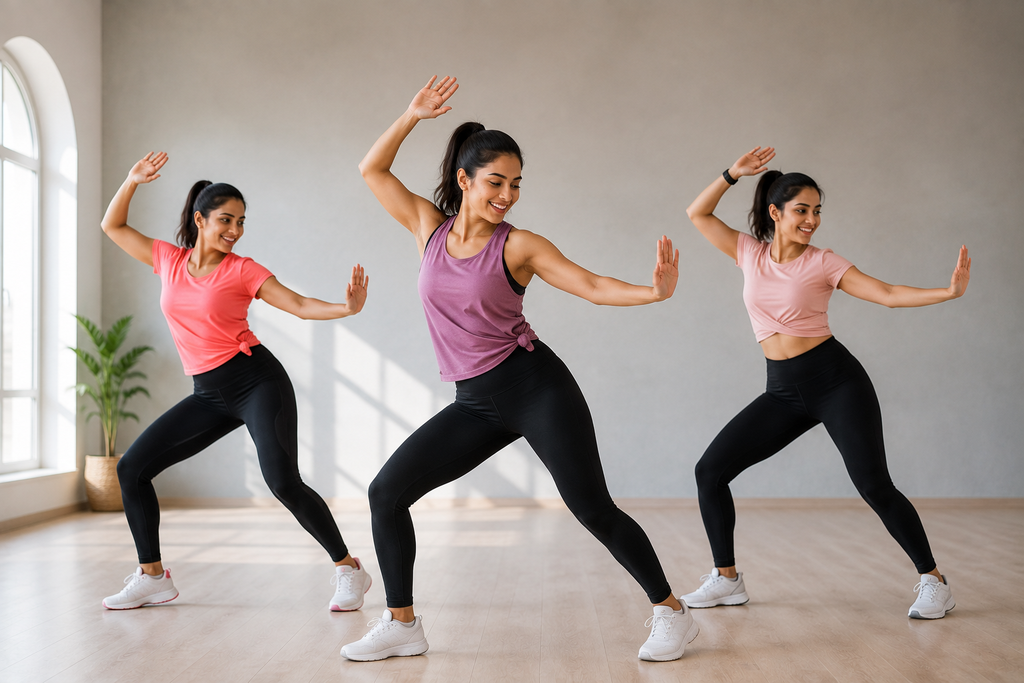
5-Minute Cool-Down
After 55 minutes of movement, your body needs time to gradually return to a resting state.
Slow your dance movements and transition into gentle stretches.
You can stretch:
- Calves
- Thighs
- Hips
- Shoulders
- Arms
- Back
Hold each gentle stretch comfortably and avoid bouncing.
Finish with slow, natural breathing.
How To Make Your Dance Workout More Effective
Choose Enjoyable Music
Music can make the workout more engaging. Choose songs with rhythms that help you maintain a comfortable pace.
Keep Your Movements Controlled
Fast movements are not automatically better. Focus on control and good technique.
Maintain Good Posture
Keep your shoulders relaxed and avoid unnecessary tension in your neck.
Drink Water
Keep water nearby and drink according to your body’s needs, especially if the room is warm or you are sweating significantly.
Take Breaks
If you feel tired, stop for a short rest. You do not need to complete the entire workout without a break.
How To Lose Belly Fat Through a Healthy Lifestyle
The search term How To Lose Belly Fat often leads people to quick-fix solutions. However, there is no exercise that can specifically force the body to burn fat only from the belly.
A more sustainable approach includes several healthy habits.
Stay Physically Active
Dance workouts can be one form of physical activity. You can also include walking, cycling, swimming, strength training, yoga, or other activities you enjoy.
Eat a Balanced Diet
Include a variety of foods such as vegetables, fruits, whole grains, protein sources, and healthy fats.
Try to limit excessive consumption of highly processed foods and sugary drinks.
Get Enough Sleep
Sleep is an important part of overall health. Poor sleep can make it more difficult to maintain healthy lifestyle habits.
Manage Stress
Stress management can be supported through activities such as yoga, meditation, breathing exercises, hobbies, social activities, or spending time outdoors.
Be Consistent
Body composition does not change overnight. Focus on habits that you can maintain over time instead of expecting immediate results.
Beginner-Friendly Modifications
If you are new to exercise, you do not need to perform every movement exactly as shown in an advanced dance workout.
For jumping movements, use step-out versions.
For deep squats, perform shallow squats.
For fast movements, reduce the speed.
If you need a break, stop and rest.
As your fitness improves, you can gradually increase the duration or intensity of your sessions.
How Often Should You Do Dance Workouts?
The ideal frequency depends on your overall activity level, fitness, and goals.
You can include dance workouts several times per week while allowing time for recovery.
For a balanced routine, combine dance cardio with strength training and other forms of movement.
For example:
Monday: Dance workout
Tuesday: Strength training
Wednesday: Gentle yoga or walking
Thursday: Dance workout
Friday: Strength training
Saturday: Dance or recreational activity
Sunday: Rest or gentle movement
This is only an example. Your weekly routine should be adapted to your individual needs.
Common Mistakes to Avoid
Skipping the Warm-Up
Starting with fast dance movements without preparation can make the workout feel uncomfortable.
Exercising Through Pain
Muscle effort can be normal, but sharp or severe pain should not be ignored. Stop the movement if it causes significant pain.
Doing Too Much Too Soon
A 60-minute workout may be challenging for a beginner. You can start with 15–20 minutes and gradually build your endurance.
Focusing Only on Belly Fat
Remember that you cannot choose where your body loses fat. Focus on overall fitness and healthy habits.
Ignoring Recovery
Rest days and adequate recovery are important components of a balanced exercise program.
Safety Tips for Home Dance Workouts
Before starting your workout, make sure you have enough open space. Remove objects that could cause you to trip.
Wear comfortable clothing and appropriate footwear for your surface and workout style.
If you are exercising on a hard floor, consider using a suitable exercise mat for movements where extra cushioning is helpful.
If you have an injury, medical condition, are pregnant, or have concerns about starting a new exercise routine, consult an appropriate healthcare professional for personalized advice.
Conclusion
A 60-minute dance workout at home can be an enjoyable way to include regular physical activity in your lifestyle. By combining a warm-up, dance cardio, strength movements, higher-intensity exercises, and a cool-down, you can create a complete home workout without needing expensive equipment.
If you are searching for How To Lose Belly Fat, remember that spot reduction is not possible through a particular exercise. Dance workouts can support overall activity and weight management, while balanced nutrition, sufficient sleep, recovery, and consistency can contribute to long-term health.
Most importantly, choose a workout that you enjoy and can maintain. Start at a comfortable level, listen to your body, and gradually increase the intensity as your fitness improves. With regular practice, dancing can become both an enjoyable activity and a valuable part of a healthy lifestyle.