
Your alarm rings at 6:00 AM, and your mental to-do list is already sprinting ahead of you. Breakfast needs prepping, school bags need checking, work emails are piling up, and a mountain of laundry is silently judging you from the hallway. Somewhere at the very bottom of that list—usually crossed out by 8:00 PM—is your workout.
If you have ever put on your leggings with full intentions of exercising, only to spend the entire day running errands in them without doing a single squat, you are not alone. Finding an uninterrupted hour to drive to a gym, wait for equipment, shower, and drive back feels laughably unrealistic for most working women and homemakers.
That is exactly why home workout classes for moms have replaced traditional gym memberships for millions of busy mothers. You do not need a ninety-minute window, fancy machines, or childcare arrangements to build real strength and boost your stamina. You just need a clear, structured class designed for short windows of time and real-life interruptions.
In this guide, you will learn which class formats actually deliver results in 10 to 20 minutes, how to fit movement into both office and stay-at-home schedules, and how to stay consistent even when your toddler is climbing your back mid-plank.
Key Takeaways
- Short sessions count: Consistently completing 15- to 20-minute structured workouts builds measurable strength, boosts mood, and improves cardiovascular health far better than sporadic 60-minute gym visits.
- Match the class to your energy: Combine express strength training, low-impact Pilates, and brisk HIIT so your routine supports your hormones and joints instead of leaving you drained.
- Remove setup friction: Keep a yoga mat and one pair of dumbbells visible in a dedicated corner so you can press play in under 60 seconds.
- Protect your core and pelvic floor: Always prioritize proper breathing and progressive core work, especially if you are postpartum—whether six months or six years after giving birth.
- Ditch perfectionism: Five minutes on a chaotic day keeps your habit alive and stops the “I will start Monday ” cycle again.
Why Traditional Gym Routines Fail Busy Moms (And Why Online Classes Work)
The best home workout classes for moms are structured, instructor-led 10- to 25-minute digital sessions—such as express strength training, Pilates, and low-impact HIIT—that require minimal equipment. They eliminate commute times, adapt to postpartum bodies, and let working women and homemakers exercise consistently around unpredictable family schedules.
Most fitness advice is still written for people who control every hour of their calendar. A standard gym session might look like 45 minutes on paper, yet the real time cost tells a very different story. By the time you pack a bag, arrange supervision for the kids, sit in traffic, change clothes, work out, and drive home, a single session swallows nearly two hours of your day.
For working moms juggling deadlines and family dinners, losing two hours means sacrificing sleep or family time. For homemakers managing household operations, meal prep, and school pickups, leaving the house at a fixed class time rarely survives the realities of daily life.
Structured home classes flip that script by removing decision fatigue. When you only have 18 minutes before your next meeting or before the baby wakes up, you cannot afford to stand in your living room wondering which exercises to do. Pressing play on a guided class puts an experienced coach right in front of you. You simply follow along, finish on time, and move on with your day feeling energized rather than guilty.
Top Types of Home Workout Classes for Moms With Tight Schedules
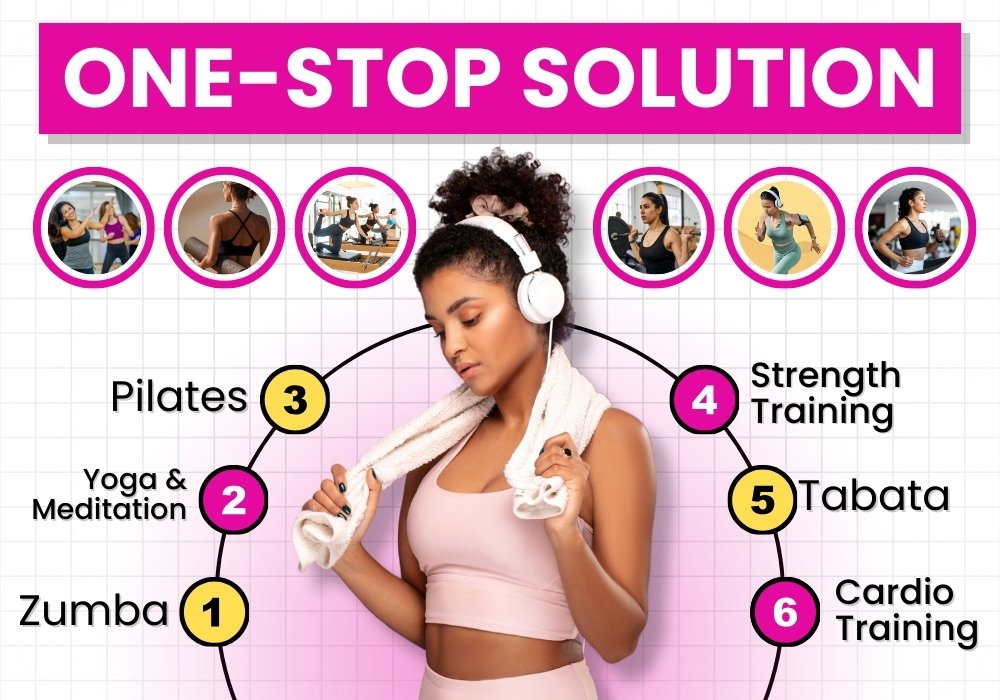
Not every online fitness class respects a mother’s schedule or physical needs. Choosing the right style keeps you excited to show up and prevents burnout. Below are the four most effective formats when time is tight.
Express Strength Training (15–20 Minutes)
Strength training is the single highest-return workout you can do. Carrying toddlers, lifting heavy grocery bags, and sitting at a laptop for eight hours demand muscular endurance and strong posture. Express strength classes focus on compound movements—like squats, lunges, rows, and overhead presses—that recruit multiple muscle groups at once. Doing three 20-minute strength classes a week protects your bone density, revs up your metabolism, and reduces nagging lower back pain.
Low-Impact Pilates and Barre (15–25 Minutes)
If jumping around wakes up the household or puts uncomfortable pressure on your knees and pelvic floor, Pilates and barre classes are ideal. These sessions use slow, controlled repetitions to target deep core stabilizers, glutes, and posture muscles. Many specialized maternal fitness platforms build Pilates classes specifically to restore abdominal strength after pregnancy while keeping noise levels near zero.
Short-Burst HIIT and Tabata (10–15 Minutes)
High-Intensity Interval Training (HIIT) alternates short bursts of vigorous effort—such as 30 seconds of brisk step-jacks or dumbbell swings—with brief rest periods. When you have only 12 minutes between finishing kitchen cleanup and picking up kids from school, a low-impact or standard HIIT class spikes your heart rate fast and delivers a powerful endorphin rush. Limit intense HIIT to two days per week so you do not overload an already stressed nervous system.
Guided Yoga Flow and Mobility (10–20 Minutes)
Sometimes your body does not need another sweaty sprint; it needs relief from stiff shoulders, tight hips, and mental overwhelm. Guided mobility and vinyasa classes decompress your spine, lower cortisol levels, and improve sleep quality. Even a 10-minute evening stretch class before bed can dramatically improve how rested you feel the next morning.
Quick Comparison of Home Workout Formats
| Class Type | Ideal Duration | Equipment Needed | Best For | Joint Impact |
| Express Strength | 15–25 mins | Dumbbells or bands | Building muscle, boosting metabolism, daily stamina | Low |
| Pilates / Barre | 15–25 mins | Mat (optional light weights) | Deep core strength, posture, pelvic floor care | Very Low |
| Quick HIIT / Tabata | 10–15 mins | Bodyweight only | Fast cardio boost, calorie burn, breaking afternoon slumps | Low to High (modifiable) |
| Yoga / Mobility | 10–20 mins | Yoga mat | Stress relief, neck/back tension, better sleep | Very Low |
How to Choose the Right Home Workout Class for Your Lifestyle
Scrolling through thousands of free YouTube videos or paid fitness apps can quickly turn into procrastination. Before you commit to a program, evaluate your options against three practical filters, so you pick a platform you will actually use next month.
Live-Streamed vs. On-Demand Classes
Live virtual classes offer real-time community energy and a fixed appointment on your calendar. If you thrive on accountability and have a predictable open slot—say, 6:15 AM before anyone wakes up—live Zoom or studio-streamed classes work wonderfully.
However, most busy mothers get better long-term consistency from on-demand libraries. On-demand classes let you pause when a child needs water, restart if a work call runs late, and filter sessions by exact duration (such as 10, 15, or 20 minutes). Many hybrid programs offer both live weekly classes and recorded replays, giving you the best of both worlds.
Instructor Credentials and Postpartum Awareness
Look closely at who is leading the class. An instructor who yells “no excuses, push through the pain” while doing nonstop crunches and burpees is rarely the best match for moms. Seek certified trainers who offer clear form cues, explain breathing mechanics, and demonstrate low-impact modifications on screen. If you have had children—even years ago—trainers with pre- and postnatal certifications understand how to build core power safely without straining your pelvic floor.
Program Structure Over Random Videos
One of the biggest mistakes moms make is picking random, unconnected workouts every morning. Random workouts produce random results and eat up precious minutes while you browse. Choose a class platform that offers a structured calendar—like a “4-Week 15-Minute Strong Mom Plan”—where workouts follow a logical progression. When you know Tuesday is Upper Body and Thursday is Core and Glutes, you spend zero energy deciding what to do.
Pro Tip: Test any paid fitness app using its 7- or 14-day free trial during a normal, chaotic week—not a quiet holiday week. If you can fit the classes in when life is messy, the platform is a keeper.
Finding Hidden Pockets of Time: Realistic Schedules for Working Moms and Housewives
Waiting for a free hour to magically appear on your calendar guarantees you will stay on the sidelines. Instead of searching for a huge block of time, look for reliable 15-minute anchors that already exist inside your daily routine.
The Working Mom’s Micro-Schedule
When you split your energy between professional deadlines and family responsibilities, decision fatigue peaks by evening. Protect your workout by attaching it to transition points in your workday:
- The Pre-Household Window (6:00 AM – 6:20 AM): Waking up just 20 minutes earlier lets you finish a class in complete peace before requests start flying. Lay your workout clothes next to the bed the night before so you do not have to think.
- The Lunch Break Reset: If you work remotely or hybrid, block 25 minutes on your work calendar as “Busy” twice a week. Complete a 15-minute low-sweat Pilates or upper-body strength class, wash your face, grab a protein-rich lunch, and return to your desk with sharper focus than caffeine can offer.
- The Post-Work Buffer: Before shifting from “employee mode” to “dinner and homework mode,” spend 15 minutes on your mat. Treat it as your mental commute home.
The Homemaker’s Rhythm
Staying home does not mean having endless free time—it often means having zero uninterrupted boundaries. Work with the natural flow of your household instead of fighting it:
- The Post-Drop-Off Sprint: The moment the school bus pulls away, or older kids head to class, resist the urge to start washing dishes immediately. Press play on a 20-minute class first. The kitchen will still be there at 8:30 AM, and you will tackle chores faster with an energy boost.
- Nap-Time Priority: If you have babies or toddlers, dedicate the first 15 minutes of nap time strictly to your workout before picking up your phone or folding laundry.
- Evening Wind-Down Mobility: When daytime chaos wins, keep a 12-minute yoga or core class ready right after bedtime stories. Dim the lights and turn it into your daily decompression ritual.
Step-by-Step Guide to Setting Up Your Frictionless Home Workout Zone
You do not need a spare bedroom or an expensive home gym to take home workout classes for moms. You only need six feet of clear floor space and a setup that takes less than a minute to activate. Follow these steps to build a frictionless workout zone today:
- Claim a dedicated 6-by-6-foot corner: Choose a spot in your living room, bedroom, or home office where you can stretch your arms overhead and lie flat without moving heavy furniture every single time.
- Keep your core gear visible and accessible: Place a rolled yoga mat and a small woven basket holding your weights in that corner. Hiding gear in the back of a closet adds mental friction and lowers follow-through.
- Invest in three versatile basics: Start with one non-slip exercise mat, one set of medium dumbbells (typically 3 kg to 5 kg, or 8 to 12 lbs depending on your current strength), and a set of fabric resistance bands that will not roll up your legs.
- Set up your screen at eye level: Position a sturdy stand for your phone, tablet, or laptop—or cast classes directly onto your living room TV—so you are not craning your neck awkwardly during planks or squats.
- Pre-queue tomorrow’s class the night before: Bookmark or download your exact 15-minute video before going to sleep so slow Wi-Fi or endless scrolling never eats up your workout window.
- Keep water and a small towel ready: Fill your water bottle beforehand so you stay hydrated without wandering back into the kitchen mid-session and getting distracted by chores.
Common Mistake to Avoid: Waiting to start until you buy cute matching outfits, adjustable smart dumbbells, or fancy mirrors. Bodyweight classes on a bedroom rug will make you far stronger than an expensive treadmill collecting clothes hangers.
Sample Weekly 15-Minute Workout Schedule You Can Start Monday.
Seeing how short workouts fit together removes the guesswork. This balanced weekly schedule mixes strength, low-impact cardio, deep core care, and recovery. Every session fits inside a 15- to 20-minute block.
- Monday – Full-Body Express Strength (20 mins): Focus on foundational moves like goblet squats, bent-over rows, glute bridges, and incline push-ups. Aim for 3 sets of 10 to 12 controlled reps per exercise.
- Tuesday – Core & Pelvic Floor Pilates (15 mins): Slow, breath-led movements including dead bugs, bird-dogs, side-lying leg lifts, and tabletop marches to strengthen your torso and protect your lower back.
- Wednesday – Low-Impact Cardio / HIIT (15 mins): 40 seconds of movement followed by 20 seconds of rest—think brisk march-to-squats, modified jumping jacks, punch combos, and shadow boxing.
- Thursday – Active Recovery & Mobility Flow (10–15 mins): Gentle cat-cow stretches, thread-the-needle for tight shoulders, hip opener lunges, and deep breathing.
- Friday – Upper Body & Posture Sculpt (15–20 mins): Dumbbell shoulder presses, tricep kickbacks, reverse flyes, and bicep curls to counteract hunching over laptops, steering wheels, or strollers.
- Saturday – Lower Body & Glute Burn (15 mins): Resistance band squats, reverse lunges, Romanian deadlifts, and calf raises to build lower-body power.
- Sunday – Complete Rest or Family Walk (Optional 20 mins): Take a relaxed walk outside with your kids, partner, or a favorite podcast to stay active without structured pressure.
What to Do When Your Week Falls Apart
Life with children rarely follows a tidy Monday-to-Sunday chart. Kids catch colds, work projects explode, and sleepless nights happen. When your planned 20-minute class becomes impossible, activate the 5-Minute Floor Rule.
Tell yourself you only have to do five minutes of stretching, bodyweight squats, or deep core breathing. If you feel exhausted at minute five, stop guilt-free—you still protected your identity as someone who moves her body. More often than not, getting past the first five minutes unlocks enough momentum to finish the whole class.
Postpartum Safety, Core Recovery, and Listening to Your Body
Whether you gave birth three months ago or ten years ago, pregnancy and childbirth permanently reshape how you should approach core training. Even if you feel ready to jump back into intense ab circuits, rushing high-impact workouts can trigger uncomfortable setbacks.
Protecting Your Core and Pelvic Floor
During pregnancy, the connective tissue running down the center of your abdomen stretches to accommodate your growing baby—a natural condition known as diastasis recti. At the same time, your pelvic floor muscles carry months of extra load. Jumping straight into sit-ups, double leg lowers, or heavy plyometrics before rebuilding inner core tension can worsen abdominal separation or cause pelvic floor symptoms.
Use the simple “Exhale on Exertion” rule during every home class: inhale through your nose as you prepare for a movement (like lowering into a squat), and exhale gently through your mouth as you stand up or lift a weight. Exhaling on the hardest part of an exercise naturally engages your deep transverse abdominis and supports your pelvic floor.
Red Flags That Mean You Should Modify
Pay close attention to your body’s feedback during any online workout class. Pause, lower the intensity, or switch to a gentler variation if you notice:
- Doming or coning: A visible ridge popping up along the midline of your belly during planks, crunches, or lifts.
- Urinary leaking: Even small leaks during jumping jacks, running, or lifting—common does not mean you just have to live with it.
- Pelvic heaviness or pressure: A dragging sensation in your lower pelvis during or after a class.
- Sharp joint pain: Pinching in your knees, wrists, or lower back.
Always get medical clearance from your healthcare provider before beginning exercise after delivery, and consider consulting a pelvic floor physical therapist if any of the symptoms above persist.
Respecting Sleep Deprivation and Stress
If you survived on four hours of broken sleep with a teething baby or pulled a late-night work shift, forcing yourself through a brutal HIIT class spikes cortisol and leaves you even more depleted. On low-sleep days, swap intense cardio for a 15-minute gentle strength or yoga flow. Smart moms adjust intensity to match recovery so they can show up again tomorrow.
How to Stay Consistent When Kids Interrupt and Motivation Vanishes
Motivation feels amazing on Sunday night, yet it almost always disappears by Wednesday afternoon. Long-term consistency in home workout classes for moms comes from simple systems that survive noise, interruptions, and low-energy days.
Navigating Kid Interruptions Without Losing Your Mind
Waiting for complete silence often means waiting forever. Instead, pick one of two realistic approaches depending on your kids’ ages:
- Involve them: Lay out a second small towel or mini mat right beside yours. Toddlers love mimicking squats, downward dogs, and “superman” stretches. Hand them two light plastic water bottles as “dumbbells,” so they feel included.
- Set a visual boundary: For children aged four and older, set a visible kitchen timer for 15 minutes. Explain calmly, “When this timer rings, Mommy is done exercising, and we will read a book together.” Teaching your children that mothers deserve 15 minutes to care for their own health sets a powerful lifelong example.
Use Habit Stacking to Put Workouts on Autopilot
Willpower runs dry fast, especially when you make hundreds of household and work decisions every day. Anchor your home workout class directly onto a habit you already perform without thinking:
- After I pour my morning glass of water, I will roll out my yoga mat.
- After I shut down my work laptop at 5:30 PM, I will start 15 minutes class.
- After the kids leave for school, I will put on my sneakers immediately.
Track Streaks Visually, Not Just the Scale
Body weight fluctuates daily based on hormones, hydration, salt intake, and sleep. Relying solely on the scale kills momentum fast. Instead, tape a simple monthly calendar to your fridge or wardrobe door and draw a bold checkmark every day you complete at least 10 minutes of movement. Watching a chain of checkmarks grow builds immediate pride—and you will feel much stronger, sleep deeper, and carry groceries effortlessly long before a scale tells the full story.
Common Mistakes Moms Make With At-Home Fitness Classes (And Easy Fixes)
Even dedicated mothers sometimes feel stuck because of a few sneaky habits. Spotting these pitfalls early helps you get far better results from the limited minutes you invest.
- Doing only cardio and skipping weights: Endless dance workouts or brisk cardio burns calories during the session, yet strength training is what tones muscles, protects aging joints, and keeps your energy steady all day. Make resistance training at least half of your weekly classes.
- Skipping warm-ups and cool-downs to save time: Jumping straight into deep lunges with cold hips or stopping dead after a fast circuit invites muscle strains and stiffness. Even in a 15-minute workout, spend two minutes warming up with arm circles and bodyweight marches, and two minutes stretching afterward.
- Running on coffee and kids’ leftovers: Many busy working women and homemakers accidentally under-eat protein all morning and crash by 4:00 PM. Pair your workout habit with simple, realistic nutrition—like Greek yogurt, boiled eggs, paneer, lentils, or a quick protein smoothie—so your muscles actually recover and grow stronger.
- Falling into the “All-or-Nothing” trap: Missing Tuesday and Wednesday does not mean your week is ruined. You do not need to wait until next Monday to restart. Simply show up on Thursday for 15 minutes and keep moving forward.
- Never increasing the challenge: Lifting the same 2 kg dumbbells for eight months stops challenging your muscles. Once the final two reps of a set feel easy, pick up slightly heavier weights, slow down your tempo, or add a resistance band to keep progressing.
Frequently Asked Questions About Home Workout Classes for Moms
Are 15-minute home workout classes actually enough to see results?
Yes, 15-minute classes deliver real results when you perform them consistently four to five times a week with focused effort. Short, structured strength and interval sessions improve muscular tone, cardiovascular stamina, posture, and mood—often outperforming sporadic one-hour gym visits because you actually stick with them long-term.
What is the best time of day for busy moms to work out at home?
The best time is whichever window faces the fewest interruptions in your specific household. Many working moms prefer 15 to 20 minutes early in the morning before emails and family demands start. In comparison, homemakers often succeed right after school drop-off or during the first 15 minutes of toddler nap time.
Do I need equipment for home workout classes for moms?
No, you can start immediately with bodyweight-only Pilates, yoga, and cardio classes using just a mat or carpeted floor. Once you build a consistent habit for two to three weeks, adding one pair of medium dumbbells and a set of fabric resistance bands significantly speeds up strength gains.
How soon after giving birth can I start home workout classes?
Most doctors clear women for gentle exercise around six weeks after a vaginal delivery and eight to twelve weeks after a C-section, though every recovery is unique. Always get official clearance from your doctor first, and begin with specialized postnatal core and pelvic floor restoration classes before returning to high-impact workouts.
Can home workout classes help moms lose weight?
Home workouts burn calories, build lean muscle, and lower stress hormones that drive cravings, making them a key pillar of healthy weight loss. For sustainable fat loss, pair three to four weekly home strength and cardio classes with balanced protein-rich meals, adequate hydration, daily walking, and realistic sleep habits.
How do I stay motivated to exercise at home alone?
Rely on structure rather than mood. Follow an instructor-led weekly calendar so you never waste time searching for videos, lay out your gear the night before, and join a class platform with an active mom community or check-in group for gentle accountability when your energy dips.
Take Your First 15 Minutes Back Today
Taking care of your body is not selfish—it is the foundation that helps you show up with patience, stamina, and joy for your career, your home, and the people who rely on you every day. You do not need a spotless house, a full hour of silence, or an expensive gym pass to feel strong again.
With structured home workout classes for moms, 15 focused minutes in your living room is more than enough to rebuild your energy and reclaim a small piece of the day that belongs entirely to you.
Pick one 15-minute beginner strength or Pilates class tonight, bookmark it on your phone, and place your mat in a clear corner before you go to sleep. Tomorrow, press play—even if the laundry pile is still waiting—your stronger, more energized routine starts with just one short session.
Ready to build momentum? Tell us your favorite 15-minute workout style in the comments below, or bookmark this weekly schedule and check back in after your first seven days!