Zumba is a fun, dance-based workout that combines rhythmic movements with cardiovascular exercise. Because it is energetic and enjoyable, many people choose Zumba as a way to stay active without feeling like they are doing a traditional workout.
One common question is whether 30 minutes of Zumba can help with weight loss. The answer is that a 30-minute Zumba session can contribute to weight management, but the results depend on several factors, including workout intensity, diet, overall daily activity, consistency, sleep, and individual characteristics.
A short workout can still be valuable. If 30 minutes of Zumba fits comfortably into your schedule and you perform it regularly, it can become an effective part of a healthy lifestyle.
How Zumba Can Support Weight Loss
Weight loss generally occurs when the body uses more energy over time than it receives from food and beverages. Exercise is one way to increase energy expenditure, while nutrition plays an important role in managing overall calorie intake.
Zumba can provide cardiovascular activity and involve many different muscle groups. During a 30-minute session, you may perform repeated steps, knee lifts, arm movements, squats, turns, and other dance-inspired exercises.
The amount of energy used during a session varies from person to person. Body size, fitness level, workout intensity, movement efficiency, and the type of routine can all influence the result.
Therefore, it is better to view Zumba as one part of an overall weight-management strategy rather than expecting a specific amount of weight loss from one workout.
Is 30 Minutes of Zumba Enough?
Thirty minutes can be enough to provide a meaningful amount of physical activity, especially if the session keeps you moving consistently.
For beginners, 30 minutes may be a manageable workout duration that is easier to fit into a busy schedule. As your fitness improves, you can gradually increase workout duration or intensity if appropriate.
The most important factor is consistency. Doing a 30-minute workout regularly can be more useful than doing a very long workout occasionally.
If you are just starting, focus on completing your sessions comfortably rather than trying to exercise at maximum intensity.
What Happens During a 30-Minute Zumba Session?
A typical 30-minute session may include a warm-up, dance combinations, cardio movements, strength-oriented movements, and a cool-down.
The first few minutes may involve easier steps to prepare your body for exercise. The middle portion can become more energetic, with faster dance movements and larger ranges of motion.
The final few minutes should gradually reduce the intensity to allow your breathing and heart rate to return toward normal.
You can modify movements throughout the session according to your fitness level.
The Role of Workout Intensity
Intensity can influence how challenging a Zumba workout feels. A higher-intensity session generally requires more energy than a low-intensity session.
However, higher intensity is not automatically better for everyone.
Beginners may benefit from starting with moderate movements and gradually developing their endurance. Experienced participants may be comfortable with faster choreography and more demanding movements.
Your goal should be to find an intensity that challenges you without causing excessive fatigue or compromising your technique.
How Often Should You Do Zumba?
How frequently you should do Zumba depends on your fitness level, schedule, recovery, and other physical activities.
Some people may enjoy several Zumba sessions per week, while others may combine Zumba with walking, strength training, yoga, cycling, or other forms of exercise.
Instead of trying to exercise intensely every day, create a balanced weekly routine that includes active days and appropriate recovery.
Consistency over several weeks and months is more important than trying to achieve dramatic results in a few days.

Combine Zumba With Strength Training
Zumba is primarily a cardiovascular and dance-based workout, but a complete fitness routine can also include strength training.
Strength exercises can help develop and maintain muscle, improve functional strength, and support body composition.
You can include exercises such as:
- Squats
- Lunges
- Glute bridges
- Step-ups
- Push-ups
- Rows
- Planks
You do not necessarily need a gym. Bodyweight exercises, resistance bands, or suitable weights can be used depending on your experience and available equipment.
Pay Attention to Nutrition
Exercise alone does not determine weight loss. What you eat and drink throughout the day also matters.
Focus on a balanced eating pattern that includes vegetables, fruits, protein-rich foods, whole grains, legumes, healthy fats, and appropriate portions.
Protein can help support muscle maintenance and make meals satisfying. Fiber-rich foods can also help you feel fuller.
You do not need to follow an extremely restrictive diet to support weight management. Instead, focus on sustainable habits that you can maintain.
Avoid Using Zumba to Compensate for Food
A common mistake is thinking that you can eat anything as long as you exercise afterward.
A 30-minute workout does not automatically cancel out a high-calorie meal or frequent consumption of sugary drinks and processed foods.
Instead of treating exercise as punishment for eating, view physical activity as a positive part of your lifestyle.
This mindset can make your fitness journey more sustainable and enjoyable.
Stay Hydrated
Drinking enough fluids is important when exercising. Keep water available before and after your workout, and drink during exercise when needed.
Your fluid requirements can vary depending on the weather, exercise intensity, duration, and individual needs.
Water is generally a simple choice for hydration, especially when you are trying to manage calorie intake.
Get Enough Sleep
Sleep is an important part of recovery and overall health. If you regularly sleep poorly, you may feel less energetic and find it harder to stay consistent with exercise.
Aim for a regular sleep schedule and create a relaxing bedtime routine.
Good recovery can help you maintain your workout routine and support your overall health goals.
Manage Stress
Stress can affect eating behavior, sleep, motivation, and physical activity. Some people may eat more frequently or choose highly palatable foods when they are stressed.
Zumba itself can be an enjoyable way to move and take a break from daily responsibilities.
You can also use walking, yoga, meditation, breathing exercises, hobbies, or time with supportive people to manage everyday stress.
Try Online Zumba Workouts
One advantage of modern fitness routines is convenience. You do not always need to travel to a gym or studio to complete a workout.
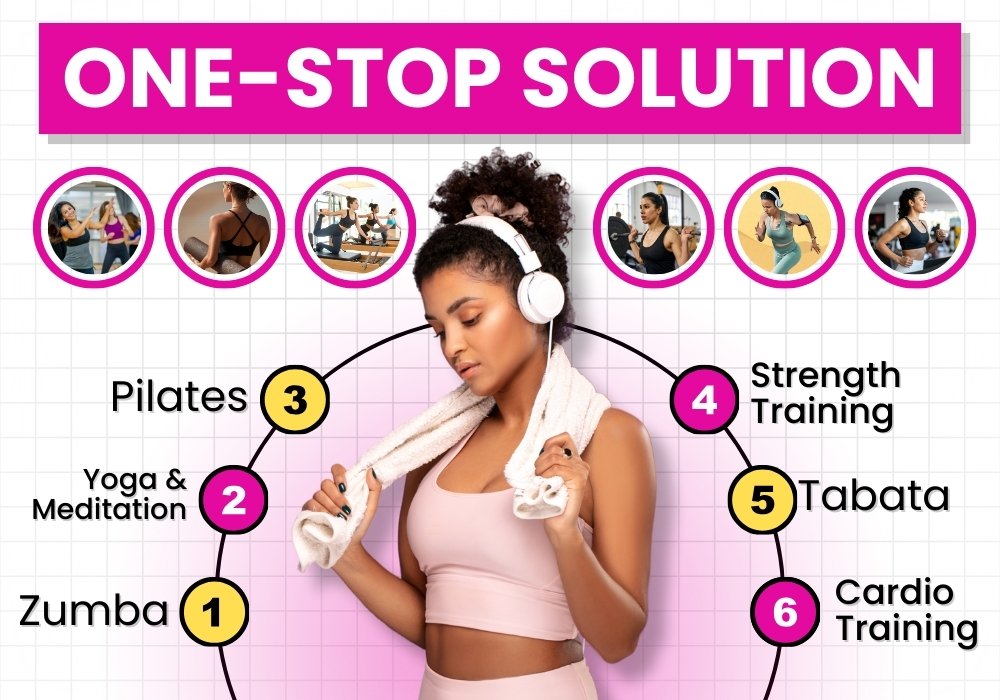
Online Fitness Classes can provide access to structured workouts from home, making it easier to fit exercise into a busy schedule.
If you enjoy dance-based exercise, choosing a structured online Zumba session can help you follow a routine while exercising in a familiar environment.
The most useful program is one that matches your fitness level, schedule, and personal preferences.

Increase Your Daily Activity
Your 30-minute Zumba session is only one part of your daily movement.
Try to remain active throughout the day by taking walking breaks, using stairs when appropriate, doing household activities, walking after meals, or simply spending less time sitting continuously.
Small movement habits can complement your planned workouts.
For people with desk-based jobs, setting reminders to stand up and move regularly can be particularly useful.
Track Progress Beyond the Scale
Weight is only one measurement of progress.
You can also track:
- Waist measurements
- Workout consistency
- Fitness endurance
- Strength
- Energy levels
- Clothing fit
- Daily activity
- How you feel during exercise
Your weight can naturally fluctuate because of hydration, food intake, digestion, hormones, and other factors.
Looking at longer-term trends can provide a more useful picture than focusing on daily changes.
How Many Calories Does 30 Minutes of Zumba Burn?
There is no single calorie number that applies to everyone.
Energy expenditure during Zumba depends on factors such as body weight, workout intensity, fitness level, movement patterns, and how continuously you exercise.
Fitness trackers can provide estimates, but these numbers are not always perfectly accurate.
Rather than trying to “earn” or “burn off” a specific amount of food, focus on completing enjoyable workouts consistently and maintaining balanced eating habits.
Can Beginners Lose Weight With Zumba?
Beginners can include Zumba in a weight-management routine. The key is to start at an appropriate intensity and gradually build fitness.
If you have never done dance workouts before, some choreography may feel challenging at first. That is normal.
Focus on learning the basic movements rather than trying to copy every step perfectly.
As your coordination and endurance improve, you may find that you can participate more comfortably and maintain a higher intensity.
Make Zumba a Sustainable Habit
A workout routine is easier to maintain when it fits your lifestyle.
Choose workout times that work with your daily responsibilities. Some people prefer morning sessions, while others enjoy exercising after work.
You can also prepare your workout space in advance, keep comfortable clothing ready, and choose music or sessions that you enjoy.
Reducing barriers can make it easier to remain consistent.

Combine Zumba With Walking
Walking can be an excellent complement to Zumba. It is relatively simple and can be added to your day without requiring a complicated setup.
You might take a 20–30 minute walk on days when you are not doing Zumba or use walking as light activity on recovery days.
Combining different activities can keep your routine interesting while supporting overall physical fitness.
Use Low-Impact Modifications
You do not have to jump or perform high-impact movements to enjoy Zumba.
If jumping is uncomfortable, replace it with step-based movements. Reduce the range of motion when necessary and slow down the choreography if you need a break.
Low-impact modifications can make dance workouts more accessible for beginners and people who prefer gentler movement.
Always listen to your body and avoid movements that cause pain.
Avoid Extreme Workout Plans
Doing long, intense workouts every day is not necessary for weight loss and may make recovery more difficult.
More exercise is not always better. Your body needs rest and recovery, especially when you are increasing your activity level.
A balanced routine that includes cardio, strength training, daily movement, and recovery can be more sustainable than exercising intensely without adequate rest.
Give Yourself Time
Weight loss does not happen at exactly the same rate for everyone. Your results may depend on your starting point, eating pattern, activity level, genetics, sleep, stress, and other factors.
You may notice improvements in energy, fitness, mood, and endurance before seeing significant changes on the scale.
Give your routine enough time to work. Avoid changing your entire plan every few days because the scale has not changed.
When to Seek Professional Guidance
If you have a medical condition, injury