

Losing weight in two weeks can be an appealing goal, especially when you have a special event, upcoming trip, or simply want to feel healthier and more active. However, it is important to understand that healthy weight loss is usually a gradual process. Trying to lose a large amount of weight in a very short period can involve extreme diets, excessive exercise, or severe calorie restriction, which may be difficult to maintain and may not provide the results you expect.
A better approach is to use two weeks as a starting point for healthier habits. During this period, you can improve your eating routine, increase physical activity, get better sleep, drink enough water, and reduce habits that may contribute to excess calorie intake.
The number on the scale may change within two weeks, but some of that change can come from water and digestive contents rather than body fat. Sustainable fat loss requires consistency over time.
Set a Realistic Two-Week Goal
Before starting, define what you actually want to achieve. Instead of expecting a dramatic transformation, focus on realistic improvements such as eating more nutritious meals, becoming more active, reducing sugary drinks, improving sleep, and establishing a regular exercise routine.
Your body weight can fluctuate from day to day because of hydration, food intake, digestion, sodium consumption, hormones, and other factors. Therefore, a single weigh-in does not necessarily represent your actual progress.
Use the two-week period to build habits that can continue beyond the initial goal.
Understand How Weight Loss Works
Weight loss generally occurs when your body uses more energy than it receives from food and beverages over time. However, the process is more complex than simply cutting calories as much as possible.
Your body needs energy for basic functions, daily movement, exercise, digestion, and recovery. Eating far too little can make it harder to meet nutritional needs and may leave you feeling tired and hungry.
A moderate and sustainable calorie reduction, combined with nutritious foods and regular activity, is generally more practical than extreme restriction.
Focus on Nutrient-Dense Foods
During your two-week plan, build meals around foods that provide plenty of nutrients without relying heavily on highly processed options.
Include foods such as:
- Vegetables
- Fruits
- Lentils and beans
- Whole grains
- Eggs
- Paneer or tofu
- Yogurt
- Lean protein sources
- Nuts and seeds
A nutritious diet does not have to be complicated. Simple home-cooked meals can provide a good foundation for your weight-management routine.
Include Protein in Every Main Meal
Protein can help support muscle maintenance and make meals more satisfying. Including enough protein can also be particularly useful when you are increasing your physical activity.
Depending on your dietary preferences, options include eggs, lentils, chickpeas, beans, paneer, tofu, yogurt, fish, chicken, and other protein-rich foods.
Try combining protein with vegetables and a suitable portion of carbohydrates rather than relying on protein alone.

Eat More Vegetables and Fiber
Vegetables and other fiber-rich foods can help make meals more filling. They also provide important vitamins, minerals, and other nutrients.
Add vegetables to lunch and dinner, choose whole fruits instead of relying mainly on juices, and include foods such as oats, beans, lentils, whole grains, nuts, and seeds.
If you are increasing your fiber intake, do so gradually and maintain adequate fluid intake.
Reduce Sugary Drinks
One simple change during a two-week weight-management plan is to reduce sugary beverages. Soft drinks, sweetened juices, energy drinks, and heavily sweetened coffees or teas can add calories without necessarily providing the same fullness as solid food.
Choose water more often and keep higher-calorie beverages as occasional choices.
This does not mean you have to completely eliminate every drink you enjoy. The goal is to make lower-calorie choices more frequently.
Control Portion Sizes
Healthy foods can still contribute to excess calorie intake when portions are consistently larger than your body’s needs.
You do not have to eliminate your favorite foods. Instead, pay attention to serving sizes and try to eat slowly.
A balanced plate can include vegetables, a protein source, a reasonable portion of carbohydrates, and a moderate amount of healthy fat.
Eating without distractions when possible can also make it easier to recognize when you are comfortably full.
Add Regular Cardio Exercise
Cardiovascular exercise can increase physical activity and support heart health and fitness. Walking, cycling, swimming, jogging, dancing, and aerobic workouts are all possible options.
If you are new to exercise, begin at a comfortable intensity and gradually increase the duration.
You do not need to perform exhausting workouts every day to make progress. Consistency matters more than trying to burn as many calories as possible in a single session.
Try Dance-Based Workouts
If you enjoy music and movement, dance-based exercise can make your two-week fitness routine more enjoyable.
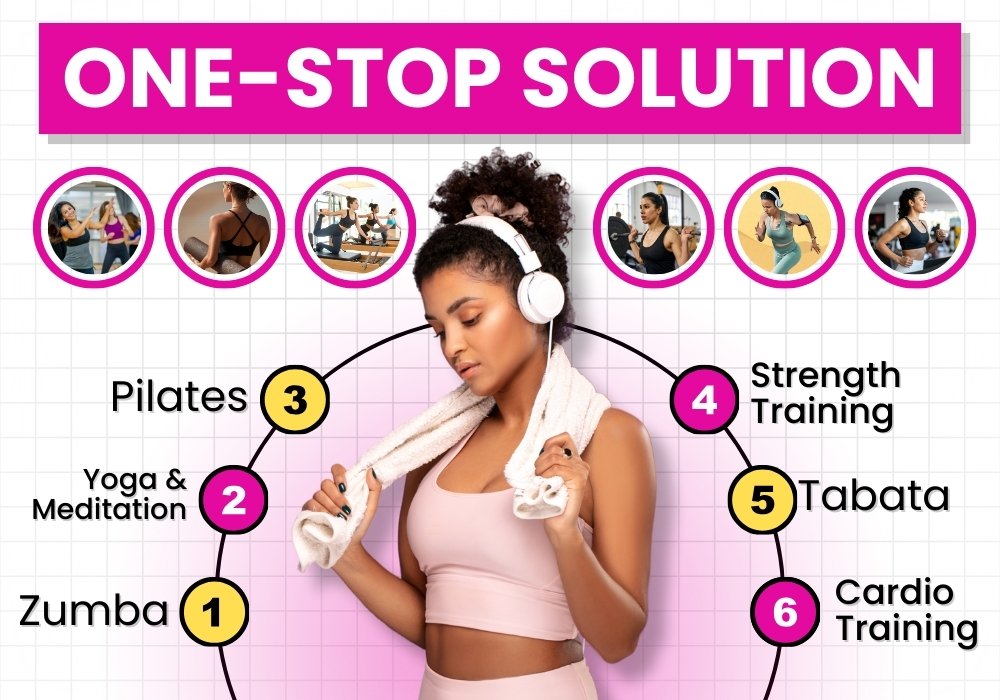
Zumba Fitness Online can be a convenient option for people who prefer energetic dance workouts from home. A structured workout can help you stay active without needing to spend time traveling to a fitness center.
Choose workout intensity according to your current fitness level, and give your body adequate time to recover between demanding sessions.
Include Strength Training
Strength training can support muscle maintenance and improve overall body composition. It is useful when combined with a balanced diet and appropriate cardiovascular activity.
Beginner exercises can include:
- Squats
- Lunges
- Glute bridges
- Wall push-ups
- Modified push-ups
- Step-ups
- Rows
- Planks
You can perform bodyweight exercises at home or use resistance bands or weights if appropriate.
Focus on proper form and controlled movements instead of trying to perform the most difficult version immediately.
Increase Daily Movement
You do not have to rely only on formal workouts. Increasing movement throughout your day can also help you become more active.
Consider taking short walking breaks, using stairs when appropriate, walking after meals, doing household chores, or taking an evening walk.
If your work requires long periods of sitting, stand up and move regularly throughout the day.
These small habits may seem insignificant individually, but they can contribute to a more active lifestyle.

Drink Enough Water
Hydration is an important part of any healthy routine. Water supports normal body functions and is a calorie-free beverage choice.
Your individual fluid needs can vary based on weather, exercise, diet, and other factors.
Keep water nearby throughout the day and drink regularly. However, avoid thinking of water as a substitute for food. Proper nutrition remains essential.
Get Better Sleep
Sleep should not be ignored when trying to improve your health in two weeks. Adequate sleep supports recovery, energy, mood, and healthy daily routines.
When you are consistently tired, maintaining regular exercise and balanced eating habits can become more difficult.
Try going to bed and waking up at consistent times. Create a relaxing bedtime routine and limit unnecessary distractions before sleeping.
Manage Stress
Stress can affect eating behavior, sleep, motivation, and daily activity. Some people may respond to stress by eating more frequently or choosing highly palatable foods.
During your two-week plan, include activities that help you relax. Walking, stretching, yoga, meditation, breathing exercises, hobbies, and time with supportive people can all be useful.
Stress management is not about avoiding every stressful situation. It is about developing healthier ways to handle everyday challenges.
Avoid Crash Diets
Crash diets may promise dramatic results in a short period, but they can involve severe food restriction and may be difficult to maintain.
Extreme fasting, cutting out entire food groups without a medical reason, or eating extremely low-calorie diets can make it harder to obtain adequate nutrition.
A two-week goal should be about creating a healthy foundation rather than forcing your body to change as quickly as possible.
Do Not Depend on Detox Products
Detox drinks, slimming teas, pills, and other quick-fix products are often marketed as shortcuts to weight loss.
You do not need a special detox product to lose body fat. Your body already has systems that process and eliminate waste.
Instead of spending money on unproven products, focus on balanced meals, regular activity, hydration, sleep, and sustainable habits.
Understand Water Weight
One reason people may see a relatively quick change on the scale during the first week or two is a reduction in water weight.
Changes in carbohydrate intake, sodium consumption, food volume, and hydration can affect how much water your body retains.
This means that a rapid decrease on the scale does not necessarily represent the same amount of body-fat loss.

Understanding this can help you avoid unrealistic expectations.
Create a Simple Two-Week Workout Schedule
A practical routine can combine cardio, strength training, walking, and recovery.
For example, your week could include several moderate cardio or dance sessions, two or more strength-focused sessions depending on your fitness level, regular walking, and recovery days.
You do not need to exercise intensely every day. Your body needs recovery, especially if you are increasing activity.
If you are completely new to exercise, start with shorter sessions and gradually build your endurance.
Track Your Progress Carefully
The weighing scale is only one way to measure progress. You can also track your waist measurement, energy levels, workout consistency, fitness performance, and how your clothes fit.
If you choose to weigh yourself, try to use consistent conditions and focus on trends rather than individual daily numbers.
Taking measurements too frequently can sometimes create unnecessary stress because normal fluctuations are common.
Focus on Habits You Can Keep
The biggest benefit of a two-week weight-loss challenge may not be the amount of weight you lose. It can be the habits you develop during those two weeks.
For example, you might learn to:
- Prepare healthier meals
- Drink more water
- Walk every day
- Exercise consistently
- Eat more protein and vegetables
- Sleep on a regular schedule
- Reduce sugary drinks
- Control portions
- Manage stress more effectively
These habits can continue after the two-week period and support long-term weight management.
Avoid the All-or-Nothing Mindset
You do not have to follow your plan perfectly. Missing one workout or eating a higher-calorie meal does not mean your entire effort has failed.
Simply return to your normal routine at the next meal or the next available workout.
An all-or-nothing approach can make healthy habits harder to maintain. Flexibility allows you to continue even when life becomes unpredictable.
Consider Your Individual Needs
Weight loss can vary significantly from person to person. Age, genetics, current body composition, activity level, medications, medical conditions, sleep, stress, and dietary habits can all influence results.
Women may also experience changes in weight and body composition during different life stages.
If you have a medical condition, are pregnant or breastfeeding, take medications that affect weight, or have a history of disordered eating, consult an appropriate healthcare professional before making major changes to your diet or exercise routine.
What Can You Realistically Expect in Two Weeks?
There is no single amount of weight that everyone should expect to lose in two weeks. Results vary widely, and changes on the scale can include both body fat and water weight.
Rather than setting an aggressive target, focus on creating a modest, sustainable calorie deficit and improving your lifestyle habits.
Your progress may look different from someone else’s, and that does not mean your approach is unsuccessful. Long-term consistency is more important than a rapid short-term change.
Continue Beyond the Two Weeks
Two weeks can be a useful starting point, but sustainable weight management requires a longer-term perspective.
After the initial period, continue with balanced meals, regular physical activity, strength training, adequate sleep, hydration, and stress management.
If you enjoyed dance-based exercise, Zumba Fitness Online can remain part of your regular activity routine and provide a convenient way to stay active from home.
The objective should be to create a lifestyle that you can continue comfortably rather than constantly repeating short-term restrictive plans.

Final Thoughts
Losing weight in two weeks is possible for some people, but the amount and type of weight lost can vary considerably. Rapid changes on the scale may partly reflect water weight, so it is important not to judge your success by a single number.
Instead, use these two weeks to establish healthy habits. Eat balanced meals, include enough protein and fiber, control portions, reduce sugary drinks, stay active, add strength training, get adequate sleep, manage stress, and drink enough water.
Avoid crash diets, extreme workouts, and quick-fix products. A sustainable approach may feel slower, but it gives you a healthier foundation for long-term weight management.
The real goal is not simply to slim down for two weeks. It is to build habits that help you feel stronger, more energetic, and healthier well beyond those first 14 days.