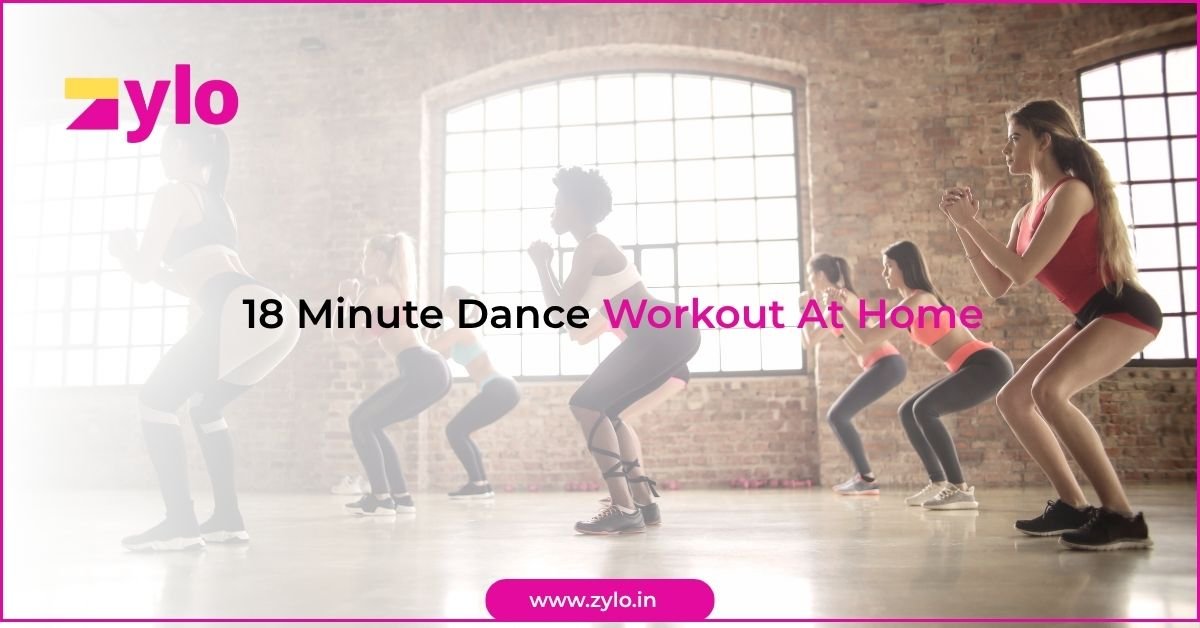
Finding enough time to exercise can be challenging when you have work, family responsibilities, studies, or a busy daily schedule. The good news is that an effective workout does not always need to take an hour. An 18-minute dance workout at home can be a simple and enjoyable way to add more movement to your day.
Dance workouts combine rhythmic movements with physical activity, making exercise feel less repetitive and more entertaining. You can move to your favorite music, follow a structured routine, and work your entire body without needing complicated equipment.
An 18-minute workout can also be easier to fit into a busy schedule. The goal is not to make every minute extremely intense. Instead, focus on moving consistently, maintaining good form, and choosing an intensity that matches your fitness level.
Why Choose an 18-Minute Dance Workout?
Short workouts can be convenient because they require less time and planning. When you know your workout will take only 18 minutes, it may feel easier to fit it between other responsibilities.
A short dance workout can help you:
- Increase daily physical activity
- Improve cardiovascular fitness
- Practice coordination and balance
- Move different muscle groups
- Boost your mood
- Develop a consistent exercise habit
The most important factor is consistency. An 18-minute workout that you regularly complete can become a useful part of an active lifestyle.
What You Need Before Starting
One advantage of a home dance workout is that you usually need very little equipment.
Before beginning, choose a space where you can move comfortably without hitting furniture, walls, or other objects. Wear comfortable clothing and supportive footwear if needed.
Keep water nearby and make sure the floor is suitable for movement. If you are exercising on a slippery surface, consider using an appropriate workout mat.
You do not need expensive equipment. Your body, music, and a small amount of open space can be enough.
Start With a Warm-Up
Even though the workout is only 18 minutes, warming up is still important. Spend the first few minutes preparing your body for movement.
Begin with simple movements such as:
- Walking in place
- Shoulder rolls
- Gentle side steps
- Arm swings
- Hip movements
- Light knee lifts
Keep the intensity low at first and gradually increase your movement.
A warm-up can help you transition from rest to exercise and prepare your muscles and joints for the upcoming movements.
Minute 1–3: Easy Dance Warm-Up
Start the first three minutes with simple rhythmic movements. Step from side to side while moving your arms naturally.
You can add gentle knee lifts, shoulder movements, and small turns if the space allows.
Keep your breathing comfortable and focus on finding the rhythm. There is no need to perform complicated choreography during the warm-up.
If you are a beginner, stay with basic steps. If you already exercise regularly, you can gradually increase your pace.
Minute 4–6: Side Steps and Knee Lifts
Increase the intensity during the next three minutes.
Perform side-to-side steps while adding arm movements. After several repetitions, introduce alternating knee lifts.
Try to keep your chest upright and your movements controlled. You can raise your arms higher to increase the challenge or keep them lower if you are still building endurance.
The purpose of this section is to gradually raise your heart rate without exhausting yourself too early.
Minute 7–9: Dance Cardio Combination
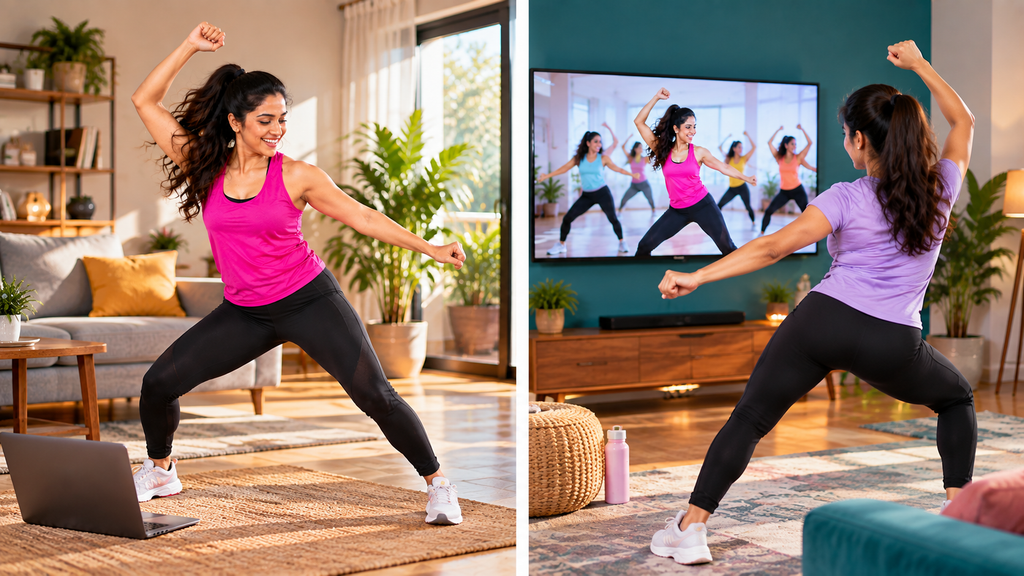
Now combine several movements into a simple dance sequence.
You might perform a few side steps, followed by knee lifts, then step forward and backward before returning to side steps.
Repeat the sequence and gradually increase the pace if it feels comfortable.
Do not worry about perfect choreography. The goal is to keep moving safely and enjoy the rhythm.
Minute 10–12: Squats and Dance Movements
Add lower-body movements to make the workout more challenging.
Perform controlled squats between dance steps. Keep your feet stable, push your hips backward, and maintain a comfortable range of motion.
You can combine a squat with a side step or use a simple step-touch movement between repetitions.
If squats are uncomfortable, reduce the depth or replace them with gentle knee bends.
Minute 13–15: Higher-Energy Dance
This section can be slightly more energetic. Add movements such as faster side steps, alternating knee lifts, step jacks, or gentle dance combinations.
If you are comfortable with higher-impact exercise, you can introduce small jumps. However, jumping is not required.
A low-impact version can provide a good workout as well. Simply step one foot out at a time instead of jumping.
The goal is to maintain an intensity that feels challenging but manageable.
Minute 16–17: Full-Body Dance Finisher
Use the next two minutes for a simple full-body dance combination.
Move your legs while incorporating your arms. You can use step-touch movements, knee lifts, arm reaches, and controlled turns.
Keep your core gently engaged and avoid holding your breath.
If you are feeling tired, reduce your pace. A workout should challenge you without making you feel that you have to ignore your body’s signals.
Minute 18: Cool Down
Use the final minute to gradually reduce your intensity.
Slow your steps and allow your breathing to become more comfortable. Perform gentle shoulder rolls and relaxed arm movements.
You can continue with slow walking for a short period before finishing the session.
Afterward, drink water and give your body time to recover.
How Dance Workouts Support Fitness
Dance workouts can provide cardiovascular activity while also challenging coordination and movement control.
Because dance involves continuous movement, it can help you become more active and improve your exercise endurance over time.
The exact energy expenditure from an 18-minute workout depends on factors such as body size, workout intensity, fitness level, and the type of movements performed.
Therefore, it is better to focus on consistent activity and overall fitness rather than trying to calculate exactly how many calories a short session burns.
Can an 18-Minute Workout Help With Weight Management?
Short workouts can contribute to weight management when they are combined with an overall healthy lifestyle.
Weight management involves multiple factors, including eating patterns, physical activity, sleep, stress, and individual energy needs.