Zumba is a fun, energetic form of dance-based exercise that can make regular physical activity feel less like a workout and more like an enjoyable activity. If you are wondering, “How do I lose weight with Zumba?”, the answer involves more than simply attending a few classes. Zumba can support weight management by helping you stay active, increase energy expenditure, improve cardiovascular fitness, and build a consistent exercise routine.
Weight loss generally depends on creating a sustainable balance between the energy you consume through food and the energy your body uses. Zumba can contribute to the activity side of this equation, but nutrition, sleep, recovery, daily movement, and consistency also matter.
The good news is that you do not need to become an expert dancer to start. Zumba routines can be modified for different fitness levels, making dance-based exercise accessible to many beginners. With a realistic routine and healthy habits, Zumba can become an enjoyable part of a long-term weight-management plan.
How Zumba Supports Weight Loss
Zumba combines rhythmic dance movements with cardiovascular exercise. During a session, you may perform movements involving your legs, arms, hips, and core while continuously moving to music.
This type of workout can help increase your overall physical activity. The amount of energy you use during a session varies depending on factors such as workout duration, body size, movement intensity, fitness level, and individual effort.
However, one workout does not determine your weight-loss results. What matters more is your overall activity and eating pattern over time.
A sustainable Zumba routine can help you:
- Stay physically active
- Improve cardiovascular fitness
- Increase workout consistency
- Support calorie expenditure
- Improve coordination and movement skills
- Make exercise more enjoyable
- Build healthier daily habits
Can Zumba Alone Help You Lose Weight?
Zumba can contribute to weight loss, but relying only on exercise may not produce the results you expect. Your overall diet and lifestyle are also important.
For example, someone might exercise regularly but consume significantly more calories than their body needs. In that situation, weight loss may be slower or may not occur.
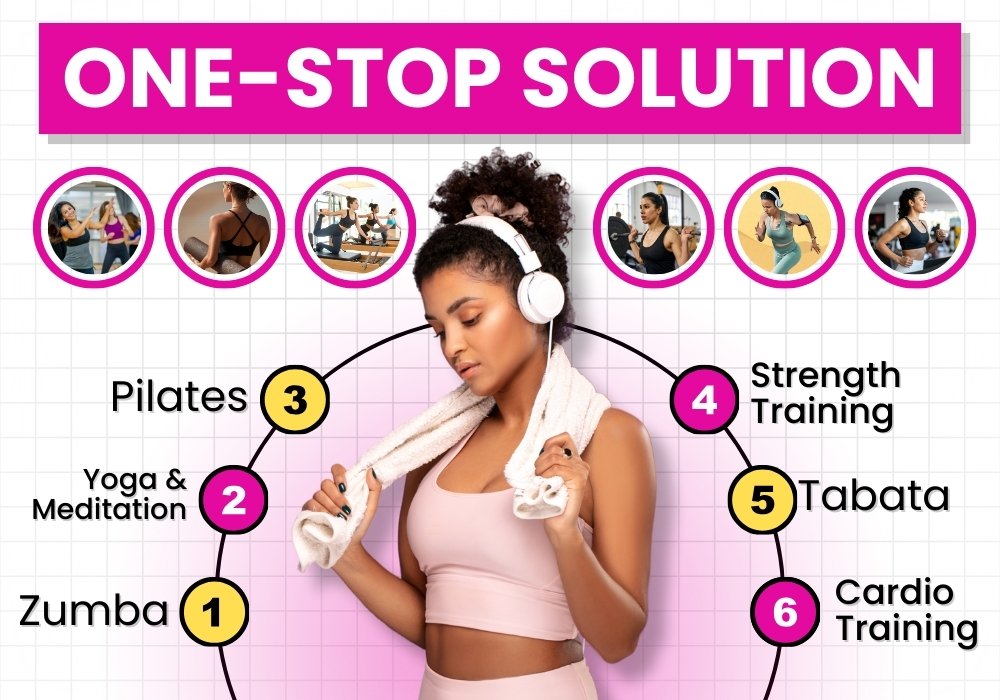
A better approach is to combine Zumba with balanced nutrition and other forms of movement. You can also include strength training to support muscle development and overall body composition.
Think of Zumba as one useful part of a larger fitness routine rather than a magic solution.
How Often Should You Do Zumba?
Your ideal Zumba frequency depends on your current fitness level, schedule, recovery, and other activities.
A beginner might start with two or three sessions per week and gradually increase frequency if their body responds well. More experienced exercisers may choose additional sessions while allowing adequate recovery.
For example, a weekly schedule could look like:
- Monday: Zumba
- Tuesday: Strength training
- Wednesday: Zumba
- Thursday: Walking or light activity
- Friday: Zumba
- Saturday: Strength training or outdoor activity
- Sunday: Rest or gentle stretching
You do not need to follow this exact schedule. The goal is to create a routine that fits your lifestyle and remains realistic.
Choose a Workout Duration You Can Maintain
The duration of each Zumba session can vary. Some people prefer shorter workouts, while others enjoy longer sessions.
If you are a beginner, starting with a manageable workout duration can help you avoid excessive fatigue. As your fitness improves, you can gradually increase the length or intensity of your sessions.
Consistency is often more useful than occasionally completing an extremely long workout.
If you have only 20 or 30 minutes available, you can still use that time to get active. A shorter workout that you actually complete is more valuable than a long workout that constantly gets postponed.
Zumba Fitness Online for a Convenient Routine
Zumba Fitness Online can be a convenient option if traveling to a physical fitness studio is difficult. Online sessions allow you to exercise in a familiar environment and fit workouts around your schedule.
For beginners, following a guided session can also make it easier to understand movements and maintain a structured routine.
When choosing an online session, consider:
- Workout duration
- Fitness level
- Movement intensity
- Instructor guidance
- Space available at home
- Low-impact alternatives
- Your personal schedule
The most important factor is finding a routine that you can follow consistently.

Focus on Intensity, Not Just Duration
A longer workout is not automatically a better workout. The intensity of your session matters too.
During Zumba, you can adjust intensity by changing the speed or range of your movements. Beginners can use smaller, low-impact movements, while more experienced participants may choose more energetic variations.
A useful approach is to pay attention to how your body feels. You should be working hard enough to challenge yourself without constantly pushing beyond your ability.
As your fitness improves, you may naturally find that the same workout becomes easier.
Combine Zumba With Strength Training
Cardio is useful, but strength training can complement your Zumba routine.
Strength exercises can help maintain and build muscle while improving functional strength. You can use bodyweight exercises, resistance bands, or weights depending on your experience.
Consider exercises such as:
- Squats
- Lunges
- Glute bridges
- Push-ups
- Rows
- Step-ups
- Shoulder presses
- Deadlift variations
Two strength-training sessions per week can be a useful addition for many people, provided the exercises and workload are appropriate for their fitness level.
Add More Movement During the Day
Your Zumba session is only one part of your daily activity. Small movements throughout the day can also contribute to your overall energy expenditure.
Try adding movement by:
- Walking after meals
- Taking short activity breaks
- Using stairs when practical
- Walking while talking on the phone
- Doing household activities
- Taking an evening walk
- Spending less time sitting continuously
Increasing everyday movement can help create a more active lifestyle without requiring another formal workout.
Build a Balanced Diet
If your goal is weight loss, your eating habits deserve as much attention as your workouts.
A balanced diet can include vegetables, fruits, whole grains, legumes, lean protein sources, dairy or alternatives, nuts, seeds, and healthy fats.
Try to include a source of protein in your meals. Protein can support muscle maintenance and help meals feel more satisfying.
Fiber-rich foods such as vegetables, fruits, beans, lentils, and whole grains can also help you stay fuller while providing important nutrients.
You do not need to completely eliminate carbohydrates or your favorite foods. Instead, focus on portions, food quality, and overall consistency.
Be Careful With Liquid Calories
Drinks can sometimes contribute significant calories without making you feel as full as a solid meal.
Regular consumption of sugary soft drinks, sweetened coffee, packaged juices, and other high-calorie beverages may make it harder to manage overall energy intake.
Water should generally be your main beverage. Depending on your preferences, unsweetened tea or coffee can also fit into a balanced eating pattern.
You do not have to remove every enjoyable drink from your lifestyle. The goal is to understand how your choices fit into your overall routine.
Stay Hydrated During Workouts
Zumba can make you sweat, particularly during energetic sessions or in warm environments. Staying hydrated is therefore important.
Keep water available during your workout and drink according to your thirst and individual needs. If you exercise in hot weather or for extended periods, your fluid requirements may be higher.
Hydration can also support normal physical performance and recovery.

Get Enough Sleep
Sleep is often overlooked when people focus on weight loss. However, adequate sleep supports recovery, energy, appetite regulation, and overall well-being.
Try to establish a regular sleep schedule and create a relaxing bedtime routine.
Helpful habits can include:
- Going to bed at a consistent time
- Reducing excessive screen use before sleep
- Keeping your bedroom comfortable
- Avoiding unnecessary late-night distractions
- Allowing enough time for rest
Good sleep can make it easier to stay motivated and perform well during workouts.
Manage Stress
Long-term stress can affect eating habits, sleep, energy levels, and motivation. Some people may find themselves reaching for highly processed or comfort foods when stressed.
Activities such as walking, yoga, breathing exercises, meditation, hobbies, and spending time with friends or family may help you manage everyday stress.
You do not need a completely stress-free life to lose weight. Instead, focus on developing healthy strategies for handling stress.
Avoid Extreme Diets
When starting a new exercise routine, it can be tempting to combine it with an extremely restrictive diet to get faster results.
However, severe calorie restriction may be difficult to maintain and can leave you feeling tired or less able to exercise effectively.
Instead, focus on sustainable changes that you can continue for months.
A healthy weight-management routine should support your energy, fitness, nutrition, and overall quality of life rather than making you feel constantly deprived.
Track Your Progress Properly
Your body weight can change from day to day due to factors such as hydration, food intake, digestion, and other normal fluctuations.
Instead of judging your progress from a single measurement, consider looking at trends over several weeks.
You can track:
- Body weight trends
- Waist measurements
- Workout consistency
- Fitness improvements
- Strength gains
- Energy levels
- How your clothes fit
Progress may also appear as improved stamina or easier movement, even before significant changes occur on the scale.
Make Zumba Enjoyable
Enjoyment is an important part of consistency. If you look forward to your workout, you may find it easier to maintain your routine.
Music, different dance styles, group sessions, and varied workouts can help keep exercise interesting.
You can also alternate Zumba with walking, strength training, cycling, yoga, or other activities you enjoy.