Zumba is more than just a dance workout. It is an energetic fitness experience that combines music, dance movements, and aerobic exercise to make physical activity enjoyable. Unlike traditional workouts that may involve repetitive exercises, Zumba encourages participants to move to the rhythm of music while following simple dance combinations. It can be an exciting way to stay active, improve coordination, and make exercise feel less like a daily task.
For many people, the Zumba experience begins with curiosity about the music, movements, and group atmosphere. Some join to improve their fitness, while others want to learn dance, manage their weight, or find an enjoyable way to reduce everyday stress. Whether you attend a studio session or practise at home, your experience depends on your fitness level, preferred music, instructor, and comfort with movement.
Zumba can be suitable for beginners as well as experienced exercisers when the class is chosen appropriately. You do not need to be a professional dancer to participate. With regular practice, patience, and a positive attitude, Zumba can become an enjoyable part of your fitness routine.
What Is the Zumba Experience Like?
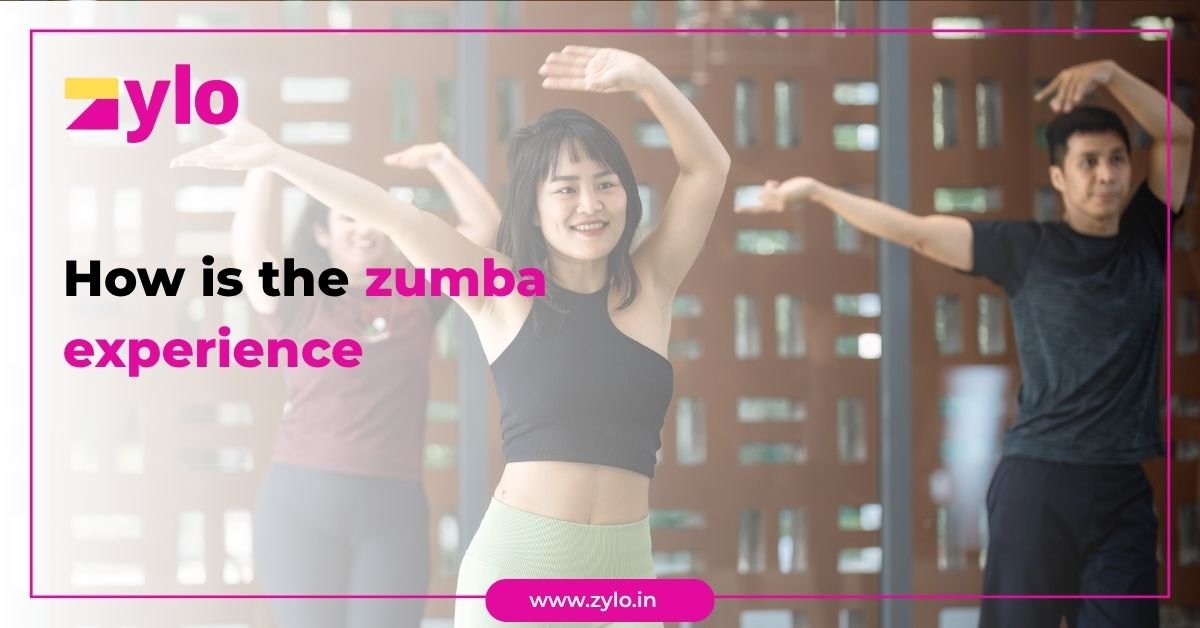
A typical Zumba session feels like a dance party combined with a fitness workout. The instructor plays upbeat music and demonstrates movements that participants follow. The routine may include steps inspired by Latin dance styles and other international rhythms.
Most classes combine faster movements with slower sections, allowing participants to experience changes in pace and intensity. You may step from side to side, move your arms, turn, perform knee lifts, or follow repeated dance combinations.
The atmosphere is often lively and encouraging. In group classes, participants exercise together, which can create a sense of shared motivation. In an online session, you can enjoy the music and movement from your own space.
The experience can be challenging at first, especially when learning unfamiliar steps. However, the focus is generally on moving, enjoying the music, and staying active rather than performing every step perfectly.
How Does a Zumba Class Begin?
A well-structured Zumba session usually begins with a warm-up. The instructor may guide participants through gentle walking movements, side steps, shoulder movements, and simple dance steps.
The warm-up gradually prepares the body for more energetic activity. It also gives beginners an opportunity to become familiar with the instructor’s rhythm and movement style.
After the warm-up, the main workout begins. The instructor introduces dance combinations and may repeat them throughout the song so participants can follow along.
The session generally finishes with slower movements and a cool-down. Gentle stretching and controlled breathing can help participants transition from the workout to rest.
A typical class may last around 30–60 minutes, although shorter and longer sessions are also available. Beginners can start with shorter workouts and gradually increase their duration according to their comfort and fitness level.
Is Zumba Fun for Beginners?
Yes, Zumba can be enjoyable for beginners, even if they have little or no dance experience. The movements are often repeated, making it easier to learn them over time.
During the first few sessions, you might find it difficult to coordinate your arms and legs or keep up with the music. This is normal when learning a new activity.
Instead of trying to copy every movement perfectly, focus on the basic steps and keep moving at a comfortable pace. You can simplify complicated combinations or pause briefly when necessary.
Many instructors offer beginner-friendly routines with slower movements and clear demonstrations. Choosing these sessions can make the experience more comfortable and help you develop confidence gradually.
Remember that the purpose of Zumba is not to become an expert dancer immediately. It is to enjoy movement while working toward your personal fitness goals.
What Makes Zumba Different From Traditional Workouts?
One of the main differences between Zumba and conventional exercise routines is the use of music and choreography.
Traditional workouts may involve activities such as running, cycling, weight training, or repeating specific exercises. Zumba combines dance movements with aerobic activity, creating a session that feels more expressive and entertaining.
Music helps establish the rhythm, while changes in songs and choreography can make the session feel varied. Participants may find it easier to remain engaged because the workout involves learning and following different combinations.
Zumba can also improve coordination because participants practise moving different parts of the body in time with the music.
However, Zumba is not necessarily better than every other workout. The best activity depends on your preferences, physical abilities, health needs, and fitness goals. Some people enjoy dancing, while others prefer walking, swimming, cycling, or strength training.
Physical Benefits of the Zumba Experience
Zumba can provide several physical benefits when practised regularly at an appropriate intensity.
Supports Cardiovascular Fitness
Many Zumba routines involve continuous movement that increases the heart rate and challenges the cardiovascular system.
Regular aerobic exercise can support heart and lung fitness. As your stamina improves, you may find it easier to complete longer sessions or perform everyday activities.
The intensity of a Zumba workout varies according to the choreography, pace, duration, and individual effort.
Helps Increase Daily Activity
Zumba provides an enjoyable way to add movement to your daily schedule. It can be especially appealing to people who find traditional exercise routines repetitive.
Regular sessions can contribute to overall physical activity, which supports general health and fitness.
Improves Coordination
Following dance steps requires you to pay attention to rhythm, direction, timing, and body position.
At first, some combinations may feel confusing. With practice, repeated movements can become easier to follow.
This process can help you develop movement coordination and confidence, although individual progress varies.
Supports Weight Management
Zumba can contribute to energy expenditure because it involves physical movement. When combined with balanced nutrition and a consistent lifestyle, it may support weight management.
Results depend on several factors, including workout frequency, exercise intensity, eating habits, sleep, and individual health conditions.
No particular dance routine guarantees weight loss, and it is not possible to choose a workout that specifically removes fat from one body area.
Encourages Regular Exercise
Enjoyment is an important part of maintaining an exercise habit. If you look forward to your Zumba sessions, you may find it easier to make physical activity a regular part of your week.
Consistency is generally more useful than doing an extremely intense workout occasionally and then stopping for long periods.
Mental and Emotional Benefits of Zumba
The Zumba experience is not only about physical fitness. Music, movement, and participation can also influence how you feel during and after exercise.
Helps You Relax After a Busy Day
Following music and focusing on dance steps can provide a break from everyday responsibilities.
Some people find that exercise helps them feel refreshed after work or study. Zumba can offer an opportunity to shift attention away from daily tasks and concentrate on movement.
However, individual experiences differ, and Zumba should not be considered a replacement for professional mental health care when needed.
Builds Confidence
Learning new movements can help participants develop confidence in their physical abilities.
At the beginning, you may make mistakes or miss some steps. As the movements become more familiar, you may feel more comfortable participating.
Progress does not require perfect choreography. Being willing to learn and continue practising is an important part of the experience.
Creates a Sense of Enjoyment
Upbeat music and varied dance combinations can make exercise feel entertaining.
Many participants enjoy discovering new songs, trying different movements, and noticing improvements in their coordination.
Choosing music you like can make the workout more appealing and help you look forward to future sessions.
What Is the Social Experience of Zumba?
Group Zumba classes can provide a shared fitness experience. Participants follow the instructor together, enjoy the music, and work toward their own fitness goals in the same environment.
This group setting may help some people feel motivated and connected to others. Seeing other participants learning the steps can also remind beginners that making mistakes is normal.
Some studios organise themed sessions or use different music styles to keep classes interesting.
However, you do not need to be outgoing to enjoy Zumba. People can participate at their own pace without interacting extensively with others.
If you prefer exercising privately, online classes can provide a convenient alternative.
What Is the Experience of Online Zumba Classes?
Online Zumba allows you to participate in guided dance workouts from home. You can follow an instructor through a live session or use a recorded video at a convenient time.
This format can be useful for people with busy schedules, limited access to fitness studios, or a preference for exercising in private.
may offer different durations and difficulty levels. Beginners can select simpler routines, while experienced participants can choose more energetic workouts.
The quality of your experience depends on the instructor’s teaching style, video clarity, sound quality, and the amount of space available for movement.
Before starting, clear the workout area and make sure you can move safely without hitting furniture or slipping on the floor.
If you are looking for structured guidance, Zumba Online Classes With Diet Plans may combine dance workouts with general nutrition support. Check whether the programme offers qualified instruction, realistic dietary advice, and options suitable for your fitness level.
How Does a Typical Zumba Session Feel?
The experience can change throughout the workout.
At the beginning, you may feel relaxed while following the warm-up. As the music becomes faster, your heart rate and breathing may increase, and you may start sweating.
Some songs may feel easy to follow, while others require more concentration. It is normal to miss steps occasionally, particularly when the choreography is new.
During the final part of the session, slower movements and a cool-down can help you transition back to a more relaxed state.
Afterward, you may feel energised, satisfied, or pleasantly tired. Your response will depend on the workout intensity, fitness level, hydration, sleep, and other individual factors.
You should not feel pressured to continue if you experience pain, severe dizziness, chest pain, or unusual shortness of breath. Stop exercising and seek appropriate medical help for concerning symptoms.
What Should You Wear for Zumba?
Comfortable clothing can make your Zumba experience easier. Choose breathable clothes that allow you to lift your arms, bend your knees, and move freely.
Wear supportive footwear suitable for dance-based exercise. Shoes should fit properly and allow comfortable movement without slipping.
Avoid clothing that restricts your range of motion. If you are exercising at home, keep a towel and drinking water nearby.
You generally do not need expensive equipment to begin. A clear space, comfortable clothing, suitable footwear, and access to an instructor or workout video may be enough.
How Can Beginners Make Their Zumba Experience Better?
Beginners can improve their experience by starting with realistic expectations and making small adjustments.
Choose the Right Difficulty Level
Select a beginner-friendly class if you are new to dance workouts. A suitable instructor should explain movements clearly and provide easier alternatives where possible.
Focus on Basic Steps
You do not need to master every combination immediately. Learn a few basic movements and repeat them until they become familiar.
Take Breaks When Needed
If you become tired, slow down or pause briefly. You can gradually increase your workout duration as your fitness improves.
Follow a Regular Schedule
Choose workout days that fit your daily routine. Starting with two or three manageable sessions each week may be more practical than exercising intensely every day.
Celebrate Small Improvements
Notice progress such as following more steps, moving with better coordination, or completing a session with greater comfort.
These small achievements can make the experience more rewarding and encourage you to continue.
Can Zumba Be Part of a Weight-Loss Routine?
Zumba can be one part of a balanced weight-management plan. It provides aerobic activity and can help increase the amount of movement you do each week.
For sustainable results, combine it with balanced meals, adequate sleep, hydration, and other forms of physical activity that suit your needs.
A healthy eating pattern can include vegetables, fruits, whole grains, protein-rich foods, and appropriate portions of fats. You do not need to follow extreme diets or avoid entire food groups unless there is a specific medical reason or professional recommendation.
Some fitness programmes provide meal guidance alongside exercise. If you explore Zumba Online Classes With Diet Plans, look for realistic recommendations and guidance from appropriately qualified nutrition professionals rather than promises of rapid or guaranteed weight loss.
Your goals should be based on your health, circumstances, and long-term well-being rather than comparison with other people.
Common Challenges During the Zumba Experience
Although Zumba can be enjoyable, beginners may face a few challenges.
One common challenge is keeping up with fast choreography. You can overcome this by choosing slower sessions and repeating familiar routines.
Another challenge is feeling self-conscious about dancing. Remember that everyone starts somewhere, and your workout does not need to look perfect.
Lack of time can also make regular exercise difficult. Shorter sessions may help you maintain a routine on busy days.
Some people may experience muscle soreness after starting a new workout. Increase activity gradually and allow enough recovery between demanding sessions.
If you have an injury, ongoing pain, or a medical condition that may affect exercise, seek personalised guidance before participating in high-intensity classes.
How Often Should You Do Zumba?
Your ideal frequency depends on your fitness level, schedule, and recovery needs.
Beginners can start with two or three sessions per week and increase activity gradually. People who already exercise regularly may be comfortable with more frequent sessions, provided they allow sufficient recovery.
For general health, adults are commonly advised to work toward at least 150 minutes of moderate-intensity aerobic activity per week, along with muscle-strengthening activities on two or more days. Your suitable target may differ depending on your health and abilities.
You can combine Zumba with walking, cycling, swimming, or strength training to create a varied fitness routine.
Rest days are also important. You do not need to perform an intense workout every day to build a healthy exercise habit.
Is Zumba Worth Trying?
Zumba can be a worthwhile option if you enjoy music, dancing, and group or guided fitness sessions. It combines physical movement with an entertaining format that may help make exercise more appealing.
It can support cardiovascular fitness, coordination, regular physical activity, and weight management when combined with other healthy habits.
However, the experience is personal. Some people love energetic dance workouts, while others prefer quieter or less choreographed activities. You can try a beginner-friendly session to see whether the music, instructor, and movement style suit you.
The most effective exercise routine is one that fits your needs and that you can maintain safely over time.
Final Thoughts
The Zumba experience combines dance, music, movement, and fitness in an energetic and enjoyable format. From beginner-friendly classes to more advanced routines, there are options for people with different levels of experience.
You may initially find the steps challenging, but regular practice can help you develop coordination, confidence, and stamina. Zumba can also provide a convenient way to increase physical activity and take a break from your daily routine.
To get the most from your experience, choose a suitable class, warm up before dancing, cool down afterward, stay hydrated, and allow time for recovery. Pair your workouts with balanced nutrition and realistic fitness goals.
Most importantly, enjoy the process. You do not need perfect dance moves to benefit from Zumba. Start at your own pace, keep practising, and choose a routine that makes staying active something you genuinely look forward to.