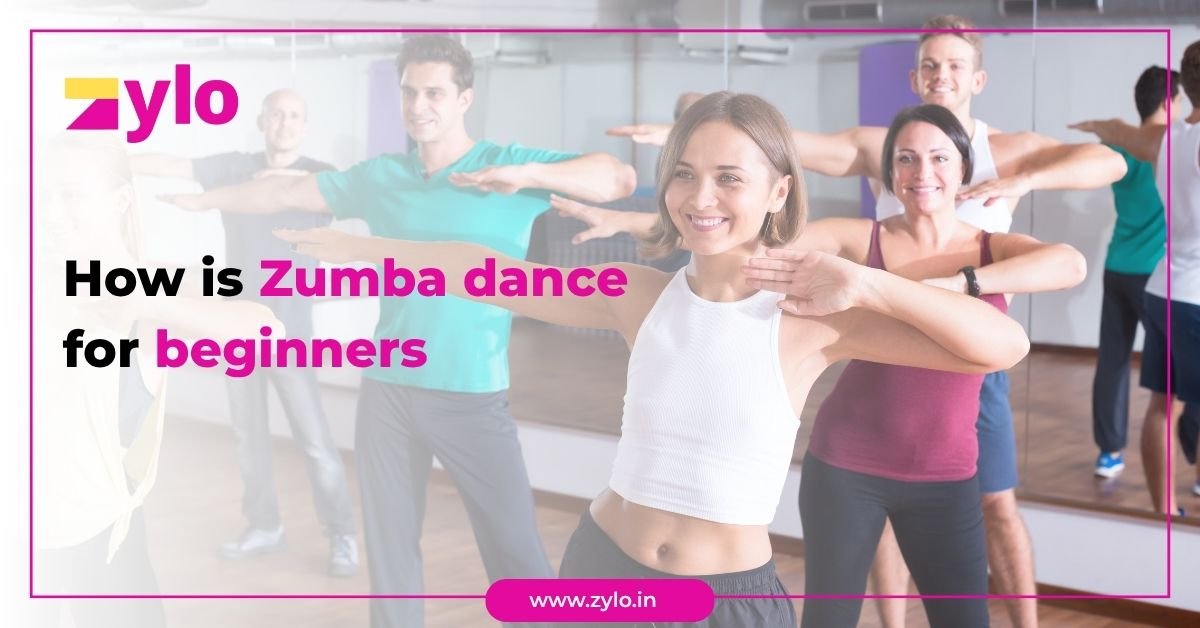
Starting a new fitness routine can feel challenging, especially if you are not used to regular exercise. Many people want to improve their fitness, manage their weight, and feel more energetic but struggle to find a workout they genuinely enjoy. Zumba is an excellent option to consider because it combines dance movements, energetic music, and aerobic exercise in an enjoyable format.
Zumba is suitable for many beginners because you do not need to be a professional dancer to participate. Most beginner-friendly classes use simple movements that can be modified according to your fitness level. You can start slowly, learn the basic steps, and gradually build your confidence as you become more comfortable with the music and movements.
Whether you want to become more active, improve your stamina, or make exercise a regular part of your lifestyle, Zumba can help you get started. However, it is important to choose the right class, understand your body’s limits, and progress at a comfortable pace.
In this article, we will explore how Zumba works for beginners, its benefits, the basic dance steps you can learn, and how to create a simple workout routine at home.
What Is Zumba Dance?
Zumba is a dance-based fitness workout that combines music with movements inspired by different dance styles, including salsa, merengue, cumbia, and reggaeton. These movements are arranged into routines that allow participants to exercise while enjoying the rhythm of the music.
Unlike some traditional workouts, Zumba does not always feel like a structured exercise session. Participants follow the instructor’s movements, repeat dance combinations, and use their arms, legs, and core muscles throughout the workout.
A typical class may include a warm-up, several dance routines, and a cool-down period. The intensity varies depending on the music, choreography, and instructor.
For beginners, the most important thing is understanding that Zumba is not a dance competition. You do not have to perform every movement perfectly. The goal is to keep moving safely, enjoy the session, and gradually improve your coordination and endurance.
You can start with shorter workouts and simple choreography before moving on to more advanced routines.
Is Zumba Good for Beginners?
Yes, Zumba can be a good fitness activity for beginners when the workout is appropriate for their abilities. Many classes offer basic choreography, slower instructions, and low-impact alternatives that make it easier for new participants to follow along.
One of the biggest advantages of Zumba is that you can adapt the movements to your comfort level. If a routine includes jumping, you can replace it with a step-touch movement. If the instructor performs a fast combination, you can follow a slower version until you feel confident.
Zumba may help beginners improve cardiovascular endurance, coordination, and muscular stamina through regular practice. It can also make physical activity more enjoyable for people who find repetitive gym workouts difficult to maintain.
However, beginners should avoid comparing themselves with experienced dancers. Learning the movements takes time, and missing a few steps is completely normal.
Start with two or three sessions per week and allow your body to adapt. Choose routines that make you feel challenged but not overwhelmed.
If you have a medical condition, significant joint pain, or concerns about starting vigorous exercise, consult a healthcare professional before beginning.
What Are the Benefits of Zumba for Beginners?
Zumba offers several potential benefits when combined with a balanced lifestyle and consistent practice.
1. Improves cardiovascular fitness
Zumba involves continuous movement that can increase your heart rate. Regular aerobic exercise can strengthen cardiovascular endurance and make everyday activities feel easier over time.
2. Supports weight management
Dance workouts use energy and can contribute to weight management. The number of calories burned depends on your body weight, workout duration, and intensity. Sustainable results also depend on nutrition, sleep, and your overall activity level.
3. Helps improve coordination
Following dance movements requires you to coordinate your arms, legs, and body with the rhythm of the music. Beginners can gradually develop better timing and body awareness through repetition.
4. Builds stamina
At first, even a short workout may feel tiring. With regular practice, you may notice that you can dance for longer periods without becoming as tired.
5. Supports mood and motivation
Music and enjoyable movement can make exercise feel more engaging. Many people find that dancing provides a refreshing break from work, household responsibilities, and everyday stress.
6. Encourages a consistent exercise habit
Enjoying your workout can make it easier to stay consistent. When exercise becomes something you look forward to, maintaining an active lifestyle may feel less difficult.
7. Offers flexible workout options
Beginners can choose short sessions, low-impact routines, or guided classes at home. This flexibility helps people fit exercise into their daily schedules.
What Are the Basic Zumba Steps for Beginners?
You do not need to learn complicated choreography before starting Zumba. A few simple movements can help you become comfortable with the rhythm and build a foundation for more advanced routines.
1. Step-touch
Step to one side with one foot, bring the other foot toward it, and repeat in the opposite direction. You can move your arms naturally or add gentle arm movements as you become comfortable.
2. Marching in place
Lift one knee at a time while remaining in the same spot. Keep your movements controlled and gradually increase your pace according to your fitness level.
3. Side steps
Take a step to the right and then to the left. This simple movement helps you practice moving with the beat without complicated footwork.
4. Basic salsa step
Practice small forward-and-backward or side-to-side steps while maintaining a relaxed posture. Start slowly and avoid forcing your hips or knees into uncomfortable positions.
5. Merengue march
March to the rhythm of the music, shifting your weight from one foot to the other. You can add gentle hip and arm movements when you feel ready.
6. Gentle knee lifts
Lift one knee at a time while keeping your upper body upright. If you experience discomfort, reduce the height of the lift or choose another movement.
Practice these steps separately before combining them into a routine. Repetition helps you remember the movements and makes it easier to follow an instructor during a full class.
How Long Should Beginners Do Zumba?
Beginners do not need to start with a 45-minute or one-hour workout. Your initial goal should be to develop consistency and learn how your body responds to exercise.
You can begin with 10 to 15 minutes of beginner-friendly Zumba and gradually increase your session duration as your endurance improves.
For example, your first week might include three 10- to 15-minute sessions. During the following weeks, you could increase the duration to 20 minutes if you feel comfortable and recover well.
Eventually, you may enjoy sessions lasting 30 minutes or longer, depending on your fitness level and schedule.
Remember to warm up before dancing and cool down afterward. A warm-up prepares your body for movement, while a gradual cool-down allows your breathing and heart rate to return toward resting levels.
If you experience unusual fatigue, dizziness, or pain, stop exercising and assess what you need. You should not force yourself to finish a workout simply because it has not ended.
Can Beginners Do Zumba at Home?
Yes, beginners can practice Zumba at home, provided they have enough space and choose a routine that matches their abilities. Home workouts can be especially useful for people who feel shy about dancing in front of others or have limited time to visit a fitness studio.
Start by clearing the floor of furniture, cables, and other obstacles. Wear comfortable clothing and supportive footwear suitable for your floor surface. Avoid slippery socks when performing movements that require turning or changing direction.
Choose beginner-friendly videos that explain the movements clearly. If a step feels too complicated, continue with a simpler variation rather than trying to copy every movement immediately.
You can also use a mirror, when available, to check your posture and movement. Keep your knees slightly soft, avoid locking your joints, and make sure you can move comfortably in every direction.
An online class can offer additional structure and motivation. With Zumba Fitness Online, beginners can explore guided sessions, follow instructors from home, and choose workout durations that suit their daily routine.
Look for qualified instructors who provide clear demonstrations, safe modifications, and options for different fitness levels. Online workouts should still be approached carefully, especially when learning unfamiliar movements.
How to Create a Beginner-Friendly Zumba Workout Plan
A simple weekly plan can help you build your fitness without starting too aggressively. The following schedule is an example that you can adjust according to your energy levels and experience.
Monday: Basic Zumba practice
Spend 10–15 minutes learning step-touch, side steps, marching, and gentle knee lifts. Focus on coordination instead of speed.
Tuesday: Light activity
Take a comfortable walk or perform gentle stretching. This helps you remain active without repeating an intense dance workout.
Wednesday: Beginner Zumba session
Try a 15–20-minute routine with simple choreography. Pause when needed and repeat unfamiliar steps at a slower pace.
Thursday: Recovery or gentle movement
Choose a rest day, easy walking, or gentle mobility exercises according to how your body feels.
Friday: Music and movement
Repeat your favorite beginner routine. You may gradually increase your pace if the movements feel comfortable.
Saturday: Optional light workout
If you feel recovered, try another short session or participate in an enjoyable outdoor activity.
Sunday: Rest
Give yourself time to recover and prepare for the following week.
This schedule is only a starting point. You can begin with two sessions weekly if necessary and increase gradually. Adults are generally encouraged to work toward at least 150 minutes of moderate-intensity aerobic activity each week, along with muscle-strengthening activities on two or more days. Beginners can build toward these recommendations over time.
Can Zumba Help Beginners Lose Weight?
Zumba can contribute to weight loss by increasing physical activity and helping you use energy. However, the results vary from person to person, and no specific dance workout guarantees a particular amount of weight loss.
Your results depend on several factors, including food intake, workout frequency, intensity, sleep, stress, and your starting fitness level.
If weight management is your goal, focus on building a routine you can maintain rather than exercising intensely every day. Combine Zumba with balanced meals containing vegetables, fruits, whole grains, protein sources, and healthy fats.
Avoid skipping meals or following extreme diets to compensate for missed workouts. Your body needs adequate nutrition to support exercise and recovery.
It is also helpful to include strength training in your weekly routine. Zumba provides aerobic exercise, while strength training can improve muscular strength and help maintain muscle mass.
Measure progress in different ways. You might notice improved stamina, easier movement, better coordination, or greater confidence before seeing a significant change on the weighing scale.
Consistency over weeks and months is more useful than expecting immediate results.
Common Mistakes Beginners Should Avoid
When starting Zumba, a few simple precautions can make your experience safer and more enjoyable.
Trying to copy every movement: Experienced dancers may perform complicated combinations quickly. Focus on basic steps and add complexity gradually.
Starting with intense sessions: Long, vigorous workouts can leave beginners excessively tired. Start with shorter sessions and increase the duration as your fitness improves.
Skipping the warm-up: Begin with gentle marching, side steps, and arm movements before increasing intensity.
Ignoring pain: Mild muscle soreness may occur after unfamiliar exercise, but sharp or persistent joint pain should not be ignored. Modify the movement or stop the session.
Wearing unsuitable footwear: Choose supportive shoes that provide stability and allow comfortable movement on your exercise surface.
Forgetting hydration: Keep water nearby, especially during longer workouts or in warm conditions.
Comparing yourself with others: Every beginner learns at a different pace. Focus on your own progress instead of trying to match another participant’s speed or technique.
Expecting instant weight loss: Fitness improvements take time. Avoid judging your entire routine based on a few workouts or short-term changes in body weight.
How to Stay Motivated While Learning Zumba
Motivation can be difficult to maintain when you are learning something new. Fortunately, there are several ways to make Zumba more enjoyable and easier to fit into your lifestyle.
First, choose music that makes you want to move. Enjoyable songs can help you look forward to your sessions and make the workout feel less repetitive.
Second, set small and realistic goals. You might aim to complete three short workouts in a week, learn five basic steps, or dance for five minutes longer than you did previously.
Third, repeat familiar routines. Practicing the same choreography helps you develop confidence before attempting more complicated combinations.
Fourth, choose a convenient time for exercise. A short morning session or an evening dance break may be easier to maintain than a workout that conflicts with your responsibilities.
Finally, celebrate your progress. You do not need to perform every step perfectly to benefit from physical activity. Showing up consistently is an achievement in itself.
If you enjoy learning with other people, consider a guided class or an online group session. Supportive instructors and a welcoming environment can make the experience more engaging.
How to Choose the Right Zumba Class for Beginners
Choosing the right class can make a significant difference in your first few weeks of learning Zumba.
Look for sessions specifically designed for beginners. These classes should introduce movements gradually, provide clear instructions, and allow participants to modify exercises.
Check the workout duration before joining. A short class may be easier to manage when you are new to exercise, while a longer class may suit you once your stamina improves.
Consider the instructor’s teaching style. Clear demonstrations, encouraging instructions, and reminders about posture can help you learn more effectively.
If you prefer exercising at home, online classes provide an accessible alternative to in-person sessions. You can pause a recorded workout, repeat difficult movements, and practice at a comfortable pace. For live sessions, check whether the instructor can explain modifications and accommodate different experience levels.
Above all, choose a class that makes you feel comfortable and motivated. A beginner-friendly environment can help you develop a lasting interest in dance-based fitness.
Final Thoughts
Zumba dance can be an enjoyable starting point for beginners who want to become more active, improve their stamina, and develop a regular fitness habit. You do not need previous dance experience, advanced coordination, or perfect technique to begin.
Start with simple steps, choose beginner-friendly routines, and practice for short periods before gradually increasing your workout duration. Pay attention to your body’s signals, allow sufficient recovery, and combine your sessions with balanced nutrition and other healthy activities.
If you prefer working out at home, online classes can make it easier to learn at your own pace and fit exercise into a busy schedule. The important thing is to find an approach that feels manageable and enjoyable.
Remember that fitness is a journey rather than a competition. Every session gives you an opportunity to improve your confidence, movement, and endurance. Begin at your own level, stay consistent, and let the music make your fitness journey more enjoyable.