Losing weight in a healthy and sustainable way involves regular physical activity, balanced nutrition, sufficient sleep, and consistency. Among the many exercise options available, Zumba and aerobics are popular choices for people who want to improve their fitness while enjoying energetic workouts. Both activities can increase your heart rate, improve cardiovascular endurance, and help you burn calories.
However, many people wonder whether Zumba or aerobics is better for weight loss. The answer depends on your fitness level, workout intensity, exercise duration, and personal preferences. Zumba combines dance-inspired movements with music, while traditional aerobics generally uses repeated rhythmic movements and structured exercise combinations.
Both can support weight management when practised regularly. If you enjoy dancing and music, Zumba may help you stay motivated. If you prefer repetitive movements and a more structured routine, aerobics may be a better fit.
With options such as Zumba Online classes, you can also enjoy dance-based workouts at home without travelling to a fitness studio. Understanding the differences between these activities can help you choose the workout that best suits your goals.
What Is Zumba?
Zumba is a dance-fitness activity that combines music with movements inspired by different dance styles. Classes often include energetic steps, changes in tempo, and coordinated movements that engage different parts of the body.
Unlike conventional gym exercises, Zumba focuses on making physical activity enjoyable through music and choreography. The intensity can vary depending on the instructor, music, movement patterns, and fitness level of the participants.
A typical session may include a warm-up, dance combinations, higher-energy intervals, and a cool-down. Participants can often follow beginner-friendly modifications before progressing to more complex routines.
Some potential benefits of Zumba include:
- Supporting cardiovascular fitness.
- Improving coordination and rhythm.
- Encouraging regular physical activity.
- Helping develop movement confidence.
- Providing an enjoyable alternative to repetitive exercise routines.
- Supporting weight management when combined with balanced nutrition.
Zumba can be suitable for different fitness levels when participants select appropriate classes and modify movements according to their abilities.
What Is Aerobics?
Aerobics is a form of physical activity that uses rhythmic, repeated movements to increase the heart rate and improve cardiovascular endurance. Depending on the class, it may include marching, stepping, side movements, arm patterns, and coordinated routines.
Some aerobics classes use low-impact movements, while others include jumping and more vigorous exercises. This variety allows participants to choose a session that matches their fitness level and goals.
Aerobics can be performed in fitness studios, gyms, community centres, or at home by following an instructor-led routine.
Common benefits of aerobics include:
- Improving cardiovascular endurance.
- Increasing daily physical activity.
- Developing coordination and movement control.
- Supporting calorie expenditure.
- Helping maintain an active lifestyle.
- Providing structured exercise for beginners and experienced participants.
The amount of effort required varies by class. Low-impact aerobics may be appropriate for people who prefer gentler movements, while higher-intensity sessions can provide a more demanding workout for people who are ready for it.
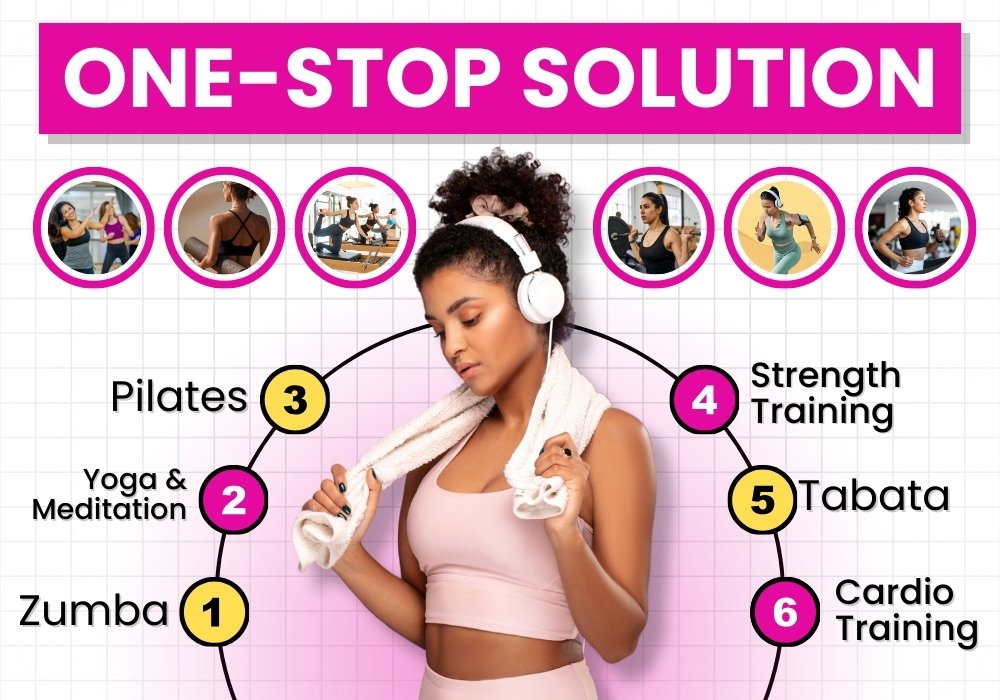
Is Zumba or Aerobics Better for Weight Loss?
Both Zumba and aerobics can support weight loss, and neither is automatically superior for everyone. The most effective choice is usually the activity that allows you to exercise consistently at an appropriate intensity.
Weight loss generally requires a sustained energy deficit, meaning the body uses more energy than it receives from food and drinks over time. Exercise contributes to energy expenditure, but nutrition, sleep, daily movement, and other individual factors also influence results.
Zumba may appeal to people who enjoy music and changing dance routines. The enjoyable format can make exercise feel less repetitive and encourage regular participation.
Aerobics may suit people who prefer structured movement patterns and predictable routines. Participants can gradually increase the duration or intensity of their sessions as their fitness improves.
When choosing between the two, consider:
- Which activity you enjoy more.
- How many days per week you can exercise.
- Whether the workout matches your fitness level.
- How comfortably you can maintain the required intensity.
- Whether the instructor provides safe modifications.
- Whether the activity fits your schedule and budget.
If you enjoy both activities, alternating between them can add variety to your weekly exercise routine.
How Many Calories Can Zumba and Aerobics Burn?
Zumba and aerobics can both increase calorie expenditure, but the amount varies considerably from person to person.
Factors influencing calorie expenditure include body weight, exercise duration, movement intensity, fitness level, and the number of breaks taken during a session.
For example, a vigorous dance workout may require more energy than a gentle, low-impact aerobics session. However, a moderate aerobics workout performed for a longer duration may use more total energy than a short dance session.
There is no single calorie-burn figure that applies to everyone. Fitness watches and online calculators can provide estimates, but their results are not exact measurements.
Rather than focusing only on calories, consider other signs of progress, such as improved stamina, better coordination, increased workout duration, and greater consistency.
What Are the Benefits of Zumba for Weight Management?
Zumba offers several advantages for people who want to include more movement in their daily lives.
1. An Enjoyable Workout Experience
Music and dance combinations can make exercise feel entertaining. People who dislike repetitive gym routines may find dance-based sessions more appealing.
Enjoyment matters because a workout that feels manageable and enjoyable is often easier to maintain.
2. Cardiovascular Exercise
Zumba sessions can increase your heart rate and challenge your cardiovascular system. Regular aerobic activity supports heart and lung fitness when performed at a suitable intensity.
3. Whole-Body Movement
Dance routines often involve the legs, arms, hips, and torso. Different combinations challenge coordination and movement control, although the specific muscles used depend on the routine.
4. Flexible Workout Options
Participants can choose shorter sessions, longer classes, beginner routines, or more energetic dance workouts depending on their abilities.
5. Convenient Home Exercise
Zumba Online classes make it possible to follow dance workouts from home. This can save travel time and help people fit exercise around professional and household responsibilities.
6. Support for Consistency
People who enjoy music and dance may be more likely to return to their workouts regularly. Consistency is important for maintaining physical activity and supporting long-term weight management.
What Are the Benefits of Aerobics for Weight Loss?
Aerobics can be an effective alternative for people who prefer structured cardiovascular exercise.
1. Easy-to-Follow Movements
Many beginner aerobics routines use repeated steps and simple combinations. This can help new participants learn the movements gradually.
2. Adjustable Intensity
Low-impact routines can reduce jumping and provide a gentler option. More vigorous classes may include faster movements and greater physical demands.
3. Cardiovascular Endurance
Regular aerobic exercise can improve stamina, making everyday activities and longer workouts feel more manageable over time.
4. Structured Progress
Participants can gradually increase workout duration, movement complexity, or intensity according to their fitness level.
5. Different Exercise Formats
Aerobics includes step routines, dance aerobics, low-impact workouts, and other formats. This variety makes it easier to choose a suitable activity.
6. Home and Gym Accessibility
Aerobics can be practised at home through instructor-led videos or in a gym with a qualified trainer. Many basic routines require little or no specialised equipment.
What Is the Difference Between Zumba and Aerobics?
Although Zumba and aerobics can both improve cardiovascular fitness, they differ in their style and structure.
| Feature | Zumba | Aerobics |
|---|---|---|
| Main approach | Dance-inspired movements with music | Repeated rhythmic exercise movements |
| Workout style | Often varied and choreography-based | Often structured and repetitive |
| Music | Central to the workout experience | Commonly used to maintain rhythm |
| Coordination | Dance steps and rhythm changes | Repeated movement patterns |
| Intensity | Varies from low to high | Varies from low to high |
| Equipment | Usually minimal | Usually minimal, though some formats use steps |
| Beginner options | Available with simpler dance movements | Available with basic, low-impact routines |
| Home workouts | Available through online classes and videos | Available through online classes and videos |
The distinction is not absolute. Some aerobics classes use dance choreography, while some Zumba routines are designed to be easy to follow. The instructor and class format strongly influence the experience.
Is Zumba Online a Good Choice for Beginners?
Zumba Online can be a convenient option for beginners who enjoy dancing but prefer exercising at home. Participants can explore recorded sessions or live online classes according to their schedules and experience levels.
However, beginners should avoid starting with advanced routines simply because they appear exciting. Learning basic steps first can improve coordination and reduce the risk of injury.
Here are some practical tips for getting started:
- Choose beginner classes: Look for routines that explain movements clearly and offer easier alternatives.
- Start with shorter sessions: Build your stamina gradually instead of trying to complete a long, intense workout immediately.
- Clear your workout space: Ensure there is enough room to move without hitting furniture or slipping.
- Wear suitable footwear: Use supportive shoes appropriate for the surface and type of dance workout.
- Follow the instructor’s pace: Pause or reduce the intensity if you cannot maintain comfortable movement.
- Stay hydrated: Keep water nearby and take breaks when needed.
If you prefer live classes, check whether the instructor can answer questions and explain movement modifications. Remember that online instructors may not always be able to observe and correct every participant’s technique.
Which Workout Is Better for Belly Fat?
Neither Zumba nor aerobics can selectively remove fat from the belly. The body loses fat according to a combination of individual biology, overall energy balance, activity levels, and other factors.
Both activities can contribute to total energy expenditure and help support weight management. However, doing abdominal movements or dance steps does not guarantee that fat will be lost from a specific body area.
For a balanced approach to reducing overall body fat:
- Participate in regular cardiovascular exercise.
- Include strength training to develop and maintain muscle.
- Follow a balanced eating pattern.
- Get sufficient sleep and allow recovery.
- Maintain realistic expectations about the rate of progress.
Your waist measurement may change over time, but individual results vary. A sustainable routine is generally more useful than attempting to lose belly fat through excessive exercise or restrictive diets.
How Often Should You Practise Zumba or Aerobics?
The ideal frequency depends on your fitness level, workout intensity, schedule, and recovery needs.
For general health, adults are commonly advised to aim for at least 150 minutes of moderate-intensity aerobic activity per week, or 75 minutes of vigorous-intensity activity, along with muscle-strengthening activities on at least two days per week. People can build towards these targets gradually.
A beginner might start with two or three manageable cardio sessions each week and increase activity as fitness improves.
A sample weekly routine could include:
- Monday: 20–30 minutes of beginner Zumba.
- Tuesday: Strength training or a brisk walk.
- Wednesday: 20–30 minutes of low-impact aerobics.
- Thursday: Rest or gentle mobility exercises.
- Friday: A suitable Zumba session.
- Saturday: Walking, cycling, or another enjoyable activity.
- Sunday: Rest or gentle movement.
This is only an example. You can adjust it according to your fitness level and daily commitments. Avoid increasing exercise volume too quickly, and allow recovery after demanding sessions.
Can You Combine Zumba and Aerobics?
Yes. Combining Zumba and aerobics can provide variety and help prevent your workout routine from becoming repetitive.
For example, you might practise Zumba twice a week and aerobics once or twice a week. On other days, you can include strength training, walking, stretching, or yoga.
Alternating activities allows you to experience different movement patterns while working towards your physical activity goals.
It is important to pay attention to total workout intensity. Doing several demanding sessions without sufficient recovery may lead to excessive fatigue or discomfort.
A balanced program should include appropriate warm-ups, cool-downs, rest, and gradual progression. If you experience persistent pain or unusual fatigue, reduce your workload and seek professional guidance when appropriate.
How Does Nutrition Support Weight Loss?
Exercise is only one part of weight management. Your eating habits can also influence your energy balance, recovery, and overall health.
A balanced diet generally includes vegetables, fruits, whole grains, protein-rich foods, and appropriate sources of healthy fats. The right combination and portion sizes depend on your individual needs.
Here are some helpful habits:
Eat Balanced Meals
Include a variety of nutrient-rich foods instead of relying on one food or drink for weight loss.
Consume Adequate Protein
Protein-rich foods help support muscle maintenance and recovery, particularly when combined with regular exercise.
Stay Hydrated
Drink enough water throughout the day, especially when exercising in warm conditions or sweating heavily.
Avoid Extreme Diets
Severely restricting food can make it difficult to meet your nutritional needs and maintain an active lifestyle.
Prioritise Recovery
Sleep and rest support general well-being and help you recover between workouts.
No specific diet is required for everyone. If you need individual nutrition advice, consider consulting a qualified dietitian.
Safety Tips Before Starting Zumba or Aerobics
Both activities can be adapted to different fitness levels, but safety should remain a priority.
- Warm up with gentle movements before increasing the intensity.
- Start with a beginner-friendly routine.
- Use a clear, non-slippery exercise surface.
- Wear comfortable clothing and suitable footwear.
- Modify jumping and high-impact movements when necessary.
- Cool down gradually after your workout.
- Stop if you experience chest pain, faintness, severe breathlessness, or other concerning symptoms and seek appropriate medical attention.
If you have an injury, an existing medical condition, or concerns about starting exercise, consult a qualified healthcare professional before beginning a new program.
Conclusion
Zumba and aerobics can both be effective choices for people who want to improve fitness and support weight management. Zumba combines dance-inspired movements with music, while aerobics generally uses structured, rhythmic exercise patterns. Both can improve cardiovascular endurance and help increase physical activity when practised regularly.
The best option depends on your preferences, fitness level, and ability to maintain a consistent routine. If you enjoy dancing and music, Zumba may be the more enjoyable choice. If you prefer repeated movements and a structured workout, aerobics may suit you better.
You can also combine both activities with strength training, balanced nutrition, and adequate recovery to support your overall fitness goals.
For people who prefer exercising at home, Zumba Online provides a convenient way to explore dance-based workouts without travelling to a studio. Start with a suitable beginner session, increase your activity gradually, and focus on long-term consistency rather than quick results.
Ultimately, the best workout is the one you enjoy, can perform safely, and are willing to continue as part of a healthy lifestyle.