If you spend most of your day working, managing household responsibilities, or looking after children, finding time for exercise can feel difficult. You may want to become stronger and manage your weight, but travelling to a gym does not always fit into your schedule.
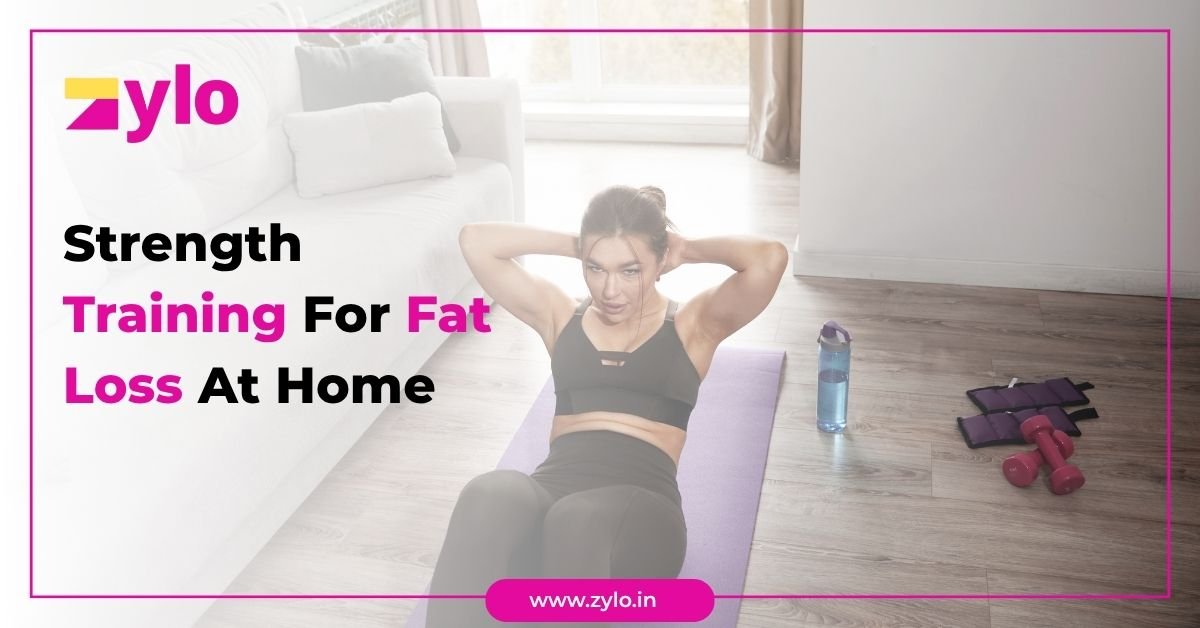
The good news is that you can begin strength training at home using your body weight and a few basic household items. Strength training for fat loss at home can help you build strength, maintain muscle, and support your overall fitness without requiring an elaborate workout setup.
The key is to follow a realistic routine, use proper technique, and increase the difficulty gradually. This guide explains which exercises to try, how to organise your week, and how to combine strength training with everyday habits that support your fitness goals.
What Is Strength Training and How Can It Support Fat Loss?
Strength training is a form of exercise in which your muscles work against resistance. That resistance can come from your body weight, dumbbells, resistance bands, or other suitable equipment.
Examples include squats, push ups, lunges, and rows.
Strength training helps improve muscular strength and endurance. It can also help preserve or build muscle as part of a broader fitness and weight management programme. Changes in body fat depend on several factors, including eating habits, overall activity, recovery, and individual health.
It is important to understand that fat loss and weight loss are not exactly the same thing.
Weight loss refers to a reduction in total body weight, which can include changes in fat, muscle, and body water. Fat loss refers specifically to reducing body fat.
When you include strength training in your routine, your goal does not have to be simply to make the number on the weighing scale smaller. Improving strength, maintaining muscle, and building a more active lifestyle are also valuable outcomes.
Strength training does not selectively remove fat from your stomach, thighs, arms, or any other specific body part. Changes in body fat occur across the body according to individual factors.
Can You Do Strength Training Without Gym Equipment?
Yes. Many strength exercises can be performed at home without purchasing weights.
For example, you can use:
- Your body weight for squats and wall push ups.
- A stable chair for supported exercises.
- Water bottles for light resistance during suitable movements.
- Resistance bands or dumbbells if you choose to purchase equipment later.
Choose household items carefully. Avoid containers that leak, slippery objects, or items that are difficult to grip securely.
You can start with basic movements and add resistance as you become more comfortable. Healthline’s guide to strength training at home also discusses bodyweight exercises and optional equipment for home workouts.
Benefits of Strength Training for Women
Strength training can be useful for women with different fitness goals, from improving everyday strength to supporting weight management.
1. Helps Build and Maintain Muscle
Strength exercises challenge your muscles and can improve their strength over time.
This can be particularly useful if your daily routine involves long periods of sitting or relatively little structured exercise.
2. Supports Weight Management
Strength training contributes to your overall physical activity and uses energy during exercise. Building or maintaining muscle can also help support a healthier body composition.
However, strength training alone does not guarantee fat loss. Your results depend on your overall activity, food intake, health, and consistency.
3. Makes Everyday Activities Easier
Improving strength can help you practise movements used in everyday life, such as standing up from a chair, carrying shopping bags, and lifting appropriate household items.
The degree of improvement depends on your training routine and individual circumstances.
4. Can Be Adapted to Different Fitness Levels
You do not need to begin with heavy weights or advanced exercises.
A beginner can start with chair squats and wall push ups, then gradually progress to more challenging variations.
5. Can Fit Around a Busy Schedule
A short, planned workout at home can be easier to fit around office work, childcare, or household responsibilities than a routine that requires travelling to a gym.
The most useful programme is one that fits your circumstances and that you can follow consistently.
A Beginner Friendly Weekly Strength Training Plan
A practical starting point is to perform full body strength training on two nonconsecutive days each week, with walking or other comfortable physical activity on the remaining days.
The following is a sample schedule for generally healthy adults. Adjust the exercises, duration, and intensity to suit your ability.
| Day | Activity | Suggested duration |
|---|---|---|
| Monday | Full body strength training | 15 to 25 minutes |
| Tuesday | Comfortable walking | 15 to 30 minutes |
| Wednesday | Rest or gentle movement | 10 to 20 minutes if comfortable |
| Thursday | Full body strength training | 15 to 25 minutes |
| Friday | Walking or light cardio | 15 to 30 minutes |
| Saturday | Optional enjoyable activity | According to your ability |
| Sunday | Rest and recovery | No structured workout required |
These durations are starting suggestions, not strict requirements. If you are new to exercise, begin with shorter sessions and build up gradually.
The World Health Organization recommends that adults work towards 150 to 300 minutes of moderate intensity aerobic activity per week, alongside muscle strengthening activities involving the major muscle groups on at least two days per week. Some activity is better than none, and people who are currently inactive should start with manageable amounts. Incorporating strength training for fat loss at home into this routine can further enhance results and support overall health.
Monday: Full Body Strength
Begin with a short warm up, such as marching in place and gently moving your arms and shoulders.
Then try the following exercises.
| Exercise | Suggested repetitions |
|---|---|
| Chair squats | 8 to 10 |
| Wall push ups | 8 to 10 |
| Glute bridges | 10 |
| Supported reverse lunges | 6 per side |
| Bird dogs | 6 per side |
Start with one round. If you feel comfortable and can maintain good technique, you may complete a second round after resting.
Take breaks whenever needed. The aim is to practise the movements correctly rather than finish as quickly as possible.
Tuesday: Walking or Light Cardio
Choose an activity that raises your heart rate without leaving you excessively breathless.
You could walk outdoors, march indoors, or follow a gentle dance routine.
If your day is particularly busy, divide your movement into shorter sessions. For example, you could walk for 10 minutes in the morning and another 10 minutes later in the day.
Wednesday: Recovery or Gentle Movement
Recovery gives you an opportunity to manage fatigue between strength sessions.
You might choose comfortable walking, gentle stretching, or a few minutes of easy mobility exercises.
If you feel unusually tired or sore, rest instead.
Thursday: Full Body Strength
Repeat Monday’s routine if it feels manageable.
Repeating familiar exercises helps you practise technique and makes it easier to notice when a movement becomes more comfortable.
You do not need to make every session harder. Focus on controlled movements, steady breathing, and appropriate rest.
Friday: Walking or Cardio
Choose a comfortable activity that you enjoy.
If you have been sitting at a desk for much of the week, you can also take short movement breaks throughout the day.
Saturday: Optional Light Activity
Use Saturday for an enjoyable activity such as walking, dancing, or a gentle workout.
If you are tired or have family commitments, keep the day flexible.
Sunday: Rest
Rest and prepare for the next week.
Review your schedule and decide which days you can realistically set aside for exercise.
If you miss a session, return to your usual routine when possible. Avoid trying to compensate with an excessively long workout.
Best Strength Exercises to Do at Home
You can build a beginner friendly programme around exercises that work different muscle groups.
For each movement, start with a comfortable range of motion and stop if you experience pain.
1. Chair Squats
Chair squats work the muscles around your thighs and hips.
How to do them:
- Place a stable chair behind you. Make sure it does not slide.
- Stand with your feet approximately hip width apart.
- Move your hips backwards and bend your knees slowly.
- Lower yourself until you lightly touch the chair or sit down under control.
- Push through your feet and stand up.
Beginner tip: Use your hands for support if needed. Avoid lowering yourself farther than feels comfortable.
2. Wall Push Ups
Wall push ups provide an accessible way to practise an upper body pushing movement.
How to do them:
- Stand facing a wall.
- Place your palms against the wall at chest height.
- Step back slightly while keeping your feet stable.
- Bend your elbows and bring your chest towards the wall.
- Push gently back to the starting position.
Beginner tip: Stand closer to the wall to make the movement easier.
3. Glute Bridges
Glute bridges work the muscles around your hips and buttocks.
How to do them:
- Lie on your back on a comfortable mat.
- Bend your knees and keep your feet flat on the floor.
- Tighten your abdominal muscles gently.
- Lift your hips while keeping your shoulders on the floor.
- Lower your hips slowly.
Beginner tip: Lift only as high as you can without arching your lower back uncomfortably.
4. Supported Reverse Lunges
Reverse lunges challenge the muscles of your legs and hips. They also require balance, so beginners may benefit from holding a stable support.
How to do them:
- Stand next to a sturdy chair or another stable support.
- Hold it lightly for balance.
- Step one foot backwards.
- Bend your knees slightly and lower yourself only as far as comfortable.
- Return to standing.
- Repeat on the other side.
Beginner tip: If lunges are uncomfortable or difficult to balance, start with chair squats instead.
5. Bent Over Rows
Rows work muscles in the back and arms. You can use light dumbbells or suitable water bottles if you can hold them securely.
How to do them:
- Stand with your feet comfortably apart.
- Hold a light weight in each hand.
- Bend forward slightly at your hips while keeping your back in a comfortable position.
- Let your arms hang down.
- Pull the weights towards your sides.
- Lower them slowly.
Beginner tip: Start with very light resistance. If you cannot maintain a comfortable back position, practise the movement without weights or seek guidance. Gradually progressing with at home strength training for weight loss helps build confidence while ensuring safety and effectiveness.
6. Bird Dogs
Bird dogs help practise core stability and coordination.
How to do them:
- Begin on your hands and knees.
- Keep your back in a comfortable, neutral position.
- Extend one arm and the opposite leg if you can maintain balance.
- Return to the starting position.
- Repeat on the other side.
Beginner tip: If extending both limbs is difficult, move one arm or one leg at a time.
How Many Repetitions Should You Do?
Start with a number of repetitions that allows you to maintain good technique.
For many beginners, one set of approximately 6 to 10 controlled repetitions per exercise is a reasonable starting point. Some movements may require fewer repetitions, especially if they are unfamiliar. Starting with at home strength training for weight loss in small, manageable sets helps build endurance and confidence safely.
Rest between exercises as needed.
As the routine becomes easier, you can gradually add repetitions, another set, or a suitable increase in resistance.
The appropriate workload varies between individuals. You should not feel that you must push through pain or exhaustion to make progress.
How to Progress as You Get Stronger
Your body adapts to the activities you practise. Over time, an exercise that once felt challenging may become easier.
When that happens, make small changes rather than increasing everything at once.
Start With Bodyweight Exercises
If you are a beginner, learn to perform chair squats, wall push ups, and other basic movements with control.
There is no need to buy dumbbells immediately.
Increase Repetitions Gradually
If you can complete your current repetitions comfortably with good technique, add a small number to your next session.
For example, you might progress from eight chair squats to ten.
Add Resistance When Appropriate
Once bodyweight movements become manageable, consider light dumbbells or resistance bands.
Choose resistance that allows you to control the movement throughout the exercise.
Make One Change at a Time
You can progress by adjusting repetitions, sets, resistance, or exercise difficulty.
Changing only one factor at a time helps you understand how your body responds.
Track Your Strength, Not Just Your Weight
Consider keeping a simple workout record.
You could note:
- Which exercises you completed.
- How many repetitions you performed.
- Which movements felt easier.
- Whether you needed less support.
- How consistently you followed your schedule.
These observations can help you recognise progress even when the weighing scale does not change much.
How Strength Training Fits Into Fat Loss and Muscle Gain
A Home Workout For Fat Loss And Muscle Gain should combine suitable resistance exercises with habits that support recovery and overall energy balance.
Strength training challenges your muscles. Walking and other aerobic activities help you build endurance and contribute to your total physical activity.
A balanced routine can include both.
However, losing body fat while building muscle is not guaranteed, and the results depend on factors such as training experience, nutrition, sleep, health, and the amount of resistance used. A balanced home workout for fat loss and muscle gain can support progress, but outcomes will vary based on individual consistency and lifestyle.
Combine Strength Training With Regular Movement
Strength training does not need to replace walking or cardio.
For example, you might perform strength exercises on Monday and Thursday, then take comfortable walks on several other days.
This approach gives you opportunities to practise strength while also increasing your general activity.
Eat Enough Nutritious Food
Avoid assuming that eating as little as possible will improve your results.
Your body needs energy and nutrients to support everyday activities, exercise, and recovery.
Aim for balanced meals that include a variety of foods such as vegetables, fruit, pulses, whole grains, and suitable protein sources.
Indian meal options may include dal with roti and vegetables, curd with a balanced meal, or chana with salad. Your portions and nutritional needs depend on your individual circumstances.
For personalised dietary advice, consult a qualified dietitian.
Give Your Body Time to Recover
Sleep and recovery are important parts of a sustainable routine.
Allow time between demanding strength sessions, especially when you are new to exercise.
If you feel persistently exhausted or experience unusual soreness, reduce the workload and consider seeking professional advice.
Common Strength Training Mistakes to Avoid
1. Starting With Too Much Resistance
Heavy weights are not necessary for your first workout.
Begin with bodyweight movements or light resistance. Increase the challenge when you can maintain good technique.
2. Rushing Through Repetitions
Fast movements can make it harder to control your position.
Move steadily and pay attention to how the exercise feels.
3. Training the Same Muscles Intensely Every Day
Your muscles need time to recover after demanding sessions.
Schedule rest or lighter activities between full body strength workouts, particularly as a beginner.
4. Ignoring Your Technique
If you cannot maintain a stable position during an exercise, make it easier.
For example, use wall push ups instead of floor push ups or chair squats instead of deeper squats.
5. Expecting Fat Loss From One Exercise
No single exercise specifically removes fat from your stomach, arms, or thighs.
Focus on a balanced routine and sustainable habits instead of trying to target one body part.
6. Depending Only on the Weighing Scale
Your body weight can change for reasons unrelated to changes in body fat.
Alongside weight, consider your strength, energy, exercise consistency, and how comfortably you perform everyday activities.
Safety Tips Before Starting
Strength training should challenge your muscles without requiring you to ignore warning signs.
Before exercising:
- Choose a clear area where you can move without hitting furniture.
- Use a stable chair and secure any household items used as weights.
- Warm up with a few minutes of comfortable movement.
- Start with exercises that suit your current ability.
- Rest between sets and drink water as needed.
- Stop if you experience sharp pain, dizziness, chest discomfort, or unusual breathlessness.
If you have a medical condition, a recent injury, significant joint pain, or have recently undergone surgery, seek appropriate healthcare guidance before beginning or changing your exercise routine.
Pregnancy and postpartum recovery may require individual modifications. Consult a qualified healthcare professional when needed.
Seek urgent medical attention for severe or persistent chest pain, fainting, or serious breathing difficulty.
The NHS provides examples of home strength exercises, including sit to stand movements, mini squats, calf raises, and wall press ups. Its guidance also recommends gradual progression and using a stable chair for supported exercises.
Explore Online Fitness Options With Zylo Fitness
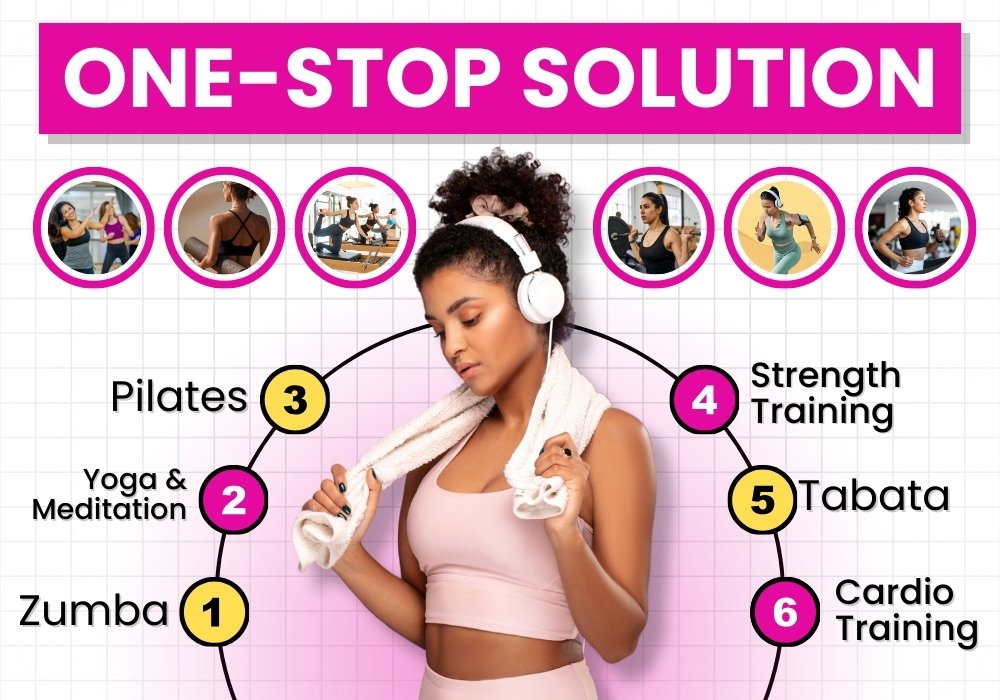
If you prefer exercising at home, an Online Zumba Classes For Ladies may be a convenient way to explore structured exercise options without travelling to a gym.
Zylo Fitness focuses on online fitness classes for women. You can visit the Zylo Fitness website to explore the available options and decide whether they suit your schedule and fitness preferences.
Start with movements that feel manageable, build your routine gradually, and give yourself time to learn proper technique.
The goal is to build strength and a sustainable exercise habit, not to complete the hardest workout possible on your first day.
FREQUENTLY ASKED QUESTIONS
1. Can strength training at home help with fat loss?
Strength training can support fat loss by contributing to physical activity and helping build or maintain muscle. Results also depend on nutrition, overall activity, recovery, health, and consistency. It does not guarantee a particular amount of fat loss.
2. How many days a week should beginners do strength training?
Two nonconsecutive days of full body strength training can be a practical starting point for many beginners. You can gradually adjust your routine as your fitness improves. Individual needs may differ.
3. Can women build muscle without dumbbells?
Yes. Bodyweight exercises such as squats, wall push ups, and supported lunges can challenge muscles. As you become stronger, you may need more challenging variations or additional resistance to continue progressing.
4. Should women do cardio or strength training for fat loss?
Both can have a role. Strength training supports muscular strength, while aerobic activities such as walking help build endurance and contribute to overall physical activity. Combining suitable forms of exercise can support general fitness.
5. How long should a home strength workout last?
A beginner may start with a session of around 15 to 25 minutes, including a warm up and rest breaks. The appropriate duration depends on your ability, exercise selection, and schedule. A shorter routine that you can follow consistently may be more practical than an overly demanding one.
6. Do women need special equipment for strength training at home?
No. Many beginner exercises can be performed using bodyweight alone. A stable chair may provide support, while resistance bands or light dumbbells can be optional additions as your strength develops.