
Irregular periods can be confusing and sometimes stressful, especially when you are trying to understand what is happening with your body. Changes in menstrual cycles may occur because of stress, hormonal fluctuations, changes in body weight, certain medical conditions, or changes in physical activity. While regular exercise supports overall health, the type, intensity, and amount of exercise you do can also influence your menstrual cycle.
Understanding the relationship between exercise and periods can help you build a fitness routine that supports your well-being without putting unnecessary stress on your body. Many women wonder whether exercise can help make their periods more regular, which workouts are suitable, and whether intense training can cause missed periods. The answer depends on the underlying reason for the irregularity and your individual health.
Exercise For Irregular Periods can be part of a balanced approach to physical wellness, particularly when combined with adequate nutrition, sufficient sleep, stress management, and appropriate medical care. However, exercise is not a guaranteed treatment for irregular menstruation. If your periods have suddenly changed, become very heavy, or stopped altogether, identifying the cause is important.
In this article, we will explore how exercise affects the menstrual cycle, which workouts may be helpful, which habits to avoid, and when to seek professional medical advice.
What Are Irregular Periods?
A menstrual cycle is counted from the first day of one period to the first day of the next. Although a 28-day cycle is often used as an example, menstrual cycles naturally vary from person to person. For many adults, cycles occurring approximately every 21 to 35 days are considered within the usual range.
Irregular periods refer to changes in the timing, duration, or pattern of menstrual bleeding. For example, your period may arrive earlier than expected, be delayed, occur inconsistently, or occasionally be missed. Some people may also experience unusually heavy or light bleeding.
Common signs of menstrual irregularity include:
- Periods that arrive much earlier or later than usual.
- Significant changes in the length of your menstrual cycle.
- Missing one or more periods.
- Bleeding between periods.
- Periods that last longer than seven days.
- Changes in bleeding accompanied by unusual pain or other symptoms.
Occasional variations do not always indicate a serious health problem. Menstrual patterns can change during puberty, after pregnancy, while breastfeeding, and during the transition to menopause. Hormonal contraception may also affect bleeding patterns.
However, persistent irregularity can sometimes be associated with conditions such as polycystic ovary syndrome (PCOS), thyroid disorders, or other hormonal and reproductive health concerns. Keeping track of your cycle can help you identify changes and explain them more clearly to a healthcare professional.
How Does Exercise Affect Your Menstrual Cycle?
Exercise affects the body in several ways. It supports cardiovascular health, strengthens muscles, helps maintain bone health, improves mood, and may contribute to weight management. Regular physical activity can also support better sleep and help some people manage stress.
These benefits may indirectly support menstrual health. For example, if stress is contributing to cycle changes, activities such as walking, gentle yoga, or moderate aerobic exercise may help you manage stress and improve your overall well-being.
However, exercise does not affect every person in the same way. Moderate physical activity is generally beneficial, while excessive training combined with inadequate food intake or insufficient recovery can disrupt the hormonal signals involved in menstruation.
When the body does not receive enough energy to support both everyday functions and exercise, reproductive hormone activity may change. This can lead to irregular periods or missed periods. The risk may increase when intense workouts are combined with restrictive dieting, rapid weight loss, or ongoing physical and emotional stress.
This is why Exercise For Irregular Periods should focus on consistency, appropriate intensity, adequate recovery, and a balanced approach to nutrition rather than simply increasing workout duration.
The goal is not to force your menstrual cycle to follow a particular schedule. Instead, it is to support your overall health while identifying and addressing any underlying causes of irregular menstruation.
Can Exercise Help With Irregular Periods?
Exercise may support menstrual health in some circumstances, but its effects depend on the reason your periods are irregular.
For example, physical activity can support general metabolic health and weight management. For people with PCOS, an appropriate exercise routine may form part of a broader management plan that includes nutrition, sleep, and medical treatment. Exercise may also help reduce stress and improve mood, which can be valuable when stress contributes to menstrual changes.
On the other hand, increasing exercise is not always the right response. If your periods have become irregular because you are training too intensely, eating too little, or losing weight rapidly, you may need to reduce your training load and increase your energy intake rather than exercise more.
Exercise alone cannot reliably correct irregular periods caused by thyroid disorders, pregnancy, certain medications, or other medical conditions. These situations may require testing and treatment tailored to the underlying cause.
A suitable fitness routine should therefore be personalized. If you have unexplained menstrual changes, speak with a healthcare professional before relying on exercise as your main solution.
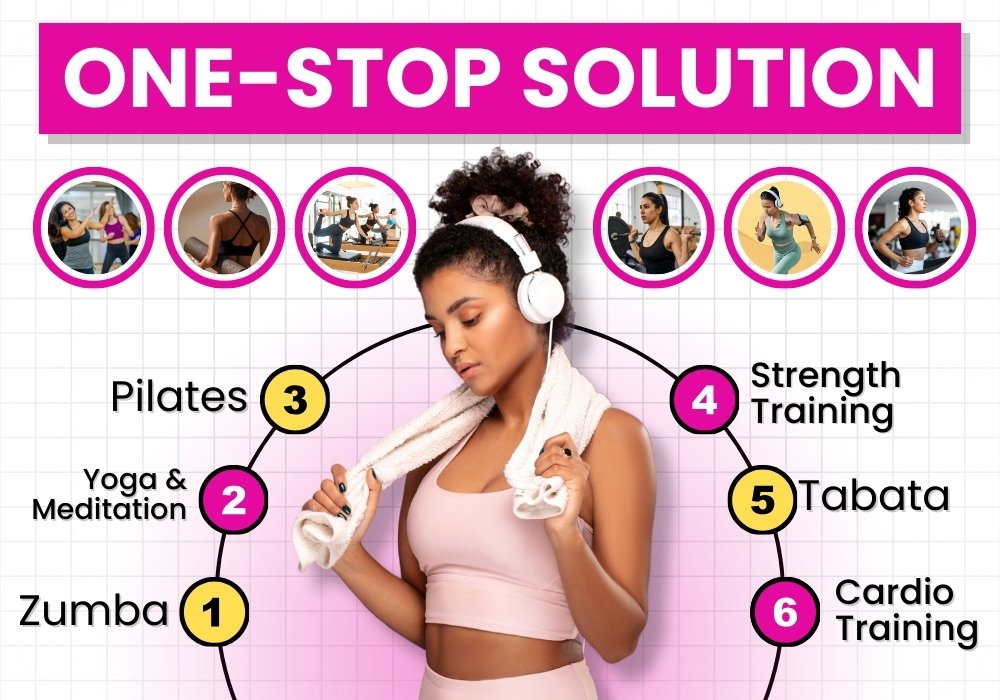
Best Types of Exercise to Consider
Choosing an appropriate workout is about finding activities that support your health without leaving you exhausted or under-recovered. You do not need an extreme routine to benefit from physical activity.
1. Walking
Walking is a simple way to become more active, particularly if you are beginning a fitness routine or returning after a break. It can be done outdoors, at home, or on a treadmill.
Start with a duration that feels manageable, such as 10 to 15 minutes, and gradually increase it if you feel comfortable. A brisk walk may improve cardiovascular fitness, support mood, and help you establish a consistent daily habit.
Walking can be especially useful on days when you feel tired or do not want to complete a demanding workout. You can adjust your pace according to your energy level rather than forcing yourself to meet a rigid target.
2. Yoga
Yoga combines movement, breathing, balance, and relaxation. Gentle yoga may help some people manage stress, improve flexibility, and feel more comfortable in their bodies.
If stress is one factor affecting your menstrual cycle, a calming yoga routine may be a useful addition to your broader wellness plan. However, yoga should not be viewed as a guaranteed way to regulate hormones or bring on a delayed period.
Choose beginner-friendly poses and avoid pushing into painful positions. Rest whenever needed, and remember that a comfortable, sustainable routine is more valuable than performing difficult poses.
3. Moderate Cardio
Moderate cardiovascular activities include brisk walking, easy cycling, swimming, and low-impact aerobics. These workouts increase your heart rate while allowing you to maintain a manageable level of effort.
Moderate cardio can support heart health, stamina, mood, and general fitness. It may be a suitable choice for people who want a structured routine without immediately beginning high-intensity training.
Start with short sessions and build gradually. If you feel unusually weak, dizzy, or exhausted, stop and reassess the intensity. Persistent fatigue or menstrual changes should not be ignored.
4. Strength Training
Strength training uses resistance to build muscle and improve functional strength. Examples include bodyweight squats, wall push-ups, resistance-band exercises, and appropriately supervised weight training.
You do not need to lift heavy weights every day. Beginners can start with light resistance, focus on correct technique, and include recovery days between demanding sessions.
Strength training can support long-term health and help maintain muscle mass. However, more training is not automatically better. Combine it with sufficient food, hydration, sleep, and rest.
5. Low-Impact Dance Workouts
Dance workouts can make exercise enjoyable by combining music, rhythmic movement, and cardiovascular activity. Low-impact dance routines may be a good option for people who prefer movement-based workouts to traditional gym sessions.
Choose a beginner-friendly routine that allows you to control your pace. You can reduce jumping, shorten the session, or take breaks whenever necessary.
If dance workouts become very intense or frequent, pay attention to your recovery and menstrual pattern. An enjoyable workout should support your health, not leave you chronically exhausted.
Exercise for Irregular Menstrual Cycle: How to Start Safely
If you are searching for exercise for irregular menstrual cycle, begin by considering your current fitness level, daily energy, medical history, and the possible reasons for your menstrual changes.
Starting gradually is usually more sustainable than immediately following a demanding online workout plan. If you have been inactive, you might begin with short walks and gentle mobility exercises before adding longer or more challenging sessions.
Here are practical ways to build a balanced routine:
- Begin gradually: Start with manageable sessions and increase duration or intensity over time.
- Choose activities you enjoy: Walking, yoga, cycling, and dancing can all be options.
- Include recovery days: Allow your body to recover after demanding workouts.
- Eat enough: Avoid combining intense exercise with severe calorie restriction.
- Monitor your energy: Persistent fatigue, dizziness, or declining performance may indicate that your routine needs adjustment.
- Track your menstrual cycle: Record period dates, bleeding patterns, symptoms, and changes in training.
- Seek professional advice: Do not assume that exercise is the only factor behind irregular periods.
Adults are often advised to work toward at least 150 minutes of moderate-intensity aerobic activity each week, alongside muscle-strengthening activities on two or more days. This is a general public-health target, not a requirement that everyone must immediately meet. Your appropriate activity level may differ depending on your health, current fitness, and medical advice.
If you have missed periods or suspect that exercise is contributing to menstrual changes, consult a healthcare professional before increasing your training volume.
Can Too Much Exercise Cause Irregular Periods?
Yes. Excessive exercise can contribute to irregular or absent periods, particularly when combined with insufficient calorie intake, rapid weight loss, or inadequate recovery.
The body needs enough energy to support essential functions, including reproduction. When energy availability remains too low, hormonal signaling involved in ovulation and menstruation may be disrupted. This is sometimes associated with functional hypothalamic amenorrhea, a condition that requires appropriate medical assessment.
People at risk may include endurance athletes, dancers, individuals following very restrictive diets, and anyone who suddenly increases workout intensity without allowing enough time for recovery. However, menstrual changes can occur in people with different body types and fitness levels.
Warning signs that your routine may be too demanding include:
- Persistent fatigue or weakness.
- A noticeable decline in workout performance.
- Repeated injuries or stress-related bone injuries.
- Difficulty recovering between sessions.
- Unintentional or rapid weight loss.
- Increased anxiety around rest days or food.
- Periods becoming irregular or disappearing.
If you notice these changes, do not respond by pushing yourself harder. You may need to reduce exercise intensity, increase food intake, and work with a healthcare professional or registered dietitian.
A healthy fitness routine should support your body over the long term. Rest is a necessary part of training, not a sign of failure.
The Role of Stress in Menstrual Irregularity
Stress can affect the hormonal systems involved in the menstrual cycle. Emotional strain, demanding work schedules, poor sleep, major life changes, and intense physical training may all contribute to the overall stress experienced by the body.
Exercise can be one way to manage stress, but the type of activity matters. Gentle movement, walking outdoors, stretching, or relaxed yoga may help you feel calmer without adding excessive physical demands.
If you already feel overwhelmed or exhausted, a high-intensity workout may not be the most suitable choice every day. Consider alternating more demanding sessions with lighter movement and rest.
Other helpful habits include maintaining a regular sleep schedule, eating balanced meals, staying connected with supportive people, and making time for relaxing activities.
Stress management is not a substitute for medical care. If your periods remain irregular despite lifestyle adjustments, or if you experience other symptoms, arrange an appointment with a healthcare professional to investigate possible causes.
Nutrition and Exercise: Why Balance Matters
Nutrition plays an important role in reproductive health. Your body needs enough energy and nutrients to support daily activities, recovery, and normal physiological functions.
If you exercise regularly but consistently eat too little, your body may not have enough available energy to support all its needs. This can affect menstrual function even if your workouts seem manageable.
A balanced eating pattern can include:
- Carbohydrates: Whole grains, fruit, potatoes, and other carbohydrate sources provide energy for everyday activity and exercise.
- Protein: Beans, lentils, eggs, dairy products, tofu, fish, or other suitable sources help support muscle repair and recovery.
- Healthy fats: Nuts, seeds, oils, and other sources of unsaturated fats contribute to a balanced diet.
- Iron-rich foods: Legumes, leafy green vegetables, meat, and iron-fortified foods can help provide iron, which is especially relevant for people who menstruate.
- Calcium and vitamin D: These nutrients support bone health, which is particularly important if periods are absent for an extended period.
- Fluids: Drinking enough water helps maintain hydration during everyday activities and workouts.
Avoid extreme dieting or eliminating entire food groups without a medical reason. You do not need a special food, detox drink, or supplement to guarantee regular periods.
If you have been losing weight quickly, restricting food, or exercising heavily while experiencing menstrual changes, seek guidance from a healthcare professional or registered dietitian. They can help you identify whether your current eating and training patterns are appropriate.
A Simple Weekly Exercise Plan
A balanced routine can help you stay active without making every workout intense. The following example is a starting point for generally healthy beginners, not a treatment plan for menstrual irregularity.
Monday: 15–25 minutes of comfortable or brisk walking.
Tuesday: 15–20 minutes of beginner-friendly strength training, followed by gentle stretching.
Wednesday: Rest or take an easy walk, depending on how you feel.
Thursday: 15–25 minutes of low-impact dance, cycling, or another moderate activity.
Friday: Gentle yoga or mobility exercises for 15–20 minutes.
Saturday: A comfortable walk or another enjoyable recreational activity.
Sunday: Rest and review your energy levels, sleep, and menstrual tracking notes.
Adjust the duration to your current fitness level. If you are new to exercise, even shorter sessions can be a reasonable beginning. Increase activity gradually rather than trying to complete the entire schedule immediately.
If your periods are already irregular, especially if they have become irregular after increasing your workouts, this plan may still need modification. Speak with a healthcare professional to determine whether you should reduce training, improve nutrition, or investigate another cause.
How to Track Your Menstrual Cycle and Exercise
Tracking your menstrual cycle can help you understand patterns that might otherwise be difficult to notice. A calendar, notebook, or period-tracking app can be used to record the first day of each period and the date the next period begins.
You can also record the duration of bleeding, changes in flow, cramps, mood, sleep quality, energy levels, and exercise sessions.
For example, you may notice that your energy tends to be lower after several demanding workout days, or that menstrual changes began around the same time you started a restrictive diet. These observations do not prove the cause, but they can provide useful information for a healthcare professional.
Avoid assuming that every symptom is caused by exercise or that a particular cycle pattern means your hormones are balanced. Tracking is a tool for observation, not a diagnostic test.
If you use hormonal contraception, your bleeding pattern may not reflect a natural ovulatory cycle in the same way as it would without hormonal contraception. Mention your contraception and any medications when discussing menstrual changes with your doctor.
When Should You See a Doctor for Irregular Periods?
Although occasional variations can happen, persistent or unexplained changes deserve attention. Exercise may be one factor, but it is important not to overlook other causes.
Consider seeking medical advice if:
- Your periods have become irregular after previously being regular.
- You have missed three periods in a row or have gone around three months without a period and are not pregnant.
- Your cycles repeatedly occur less than 21 days apart or more than 35 days apart.
- Your bleeding lasts longer than seven days.
- You experience bleeding between periods or after sex.
- Irregular periods occur alongside significant weight changes, unusual tiredness, increased facial hair, or skin changes.
- You are trying to conceive and have irregular periods.
- Your periods changed after a substantial increase in exercise or a period of restrictive eating.
If pregnancy is possible and your period is late, take a pregnancy test and seek appropriate advice.
Seek urgent medical attention if you experience very heavy bleeding accompanied by faintness, severe weakness, shortness of breath, or severe pelvic pain. Severe pain or bleeding during a possible pregnancy also requires prompt assessment.
A clinician may review your symptoms, medical history, exercise habits, diet, medications, and pregnancy possibility. Depending on your circumstances, they may recommend blood tests or other investigations. Treatment depends on the underlying cause, so it is important not to rely solely on a workout routine.
Common Myths About Exercise and Irregular Periods
Myth 1: More exercise will always make periods regular.
Fact: Exercise supports general health, but excessive training or inadequate energy intake can contribute to menstrual disruption. The appropriate amount depends on the individual.
Myth 2: Missing periods is normal if you work out regularly.
Fact: Heavy training can affect menstruation, but missed periods should not automatically be considered normal. Persistent absence of periods needs medical evaluation because it can have implications for bone health and fertility.
Myth 3: Certain yoga poses can guarantee that a period starts.
Fact: There is no reliable evidence that a particular pose can guarantee the start of menstruation. A delayed period may have several causes, including pregnancy or hormonal conditions.
Myth 4: You should stop all exercise during your period.
Fact: Many people can continue exercising during menstruation if they feel comfortable. Walking, gentle yoga, and other activities may be suitable. Adjust your routine if you experience pain, fatigue, or other symptoms.
Myth 5: Irregular periods always mean you have PCOS.
Fact: PCOS is one possible cause, but stress, changes in weight, thyroid problems, pregnancy, medications, and excessive exercise can also affect menstrual patterns. A healthcare professional can help determine the cause.
Building a Sustainable Fitness Routine
A sustainable fitness routine is one you can maintain without compromising your health. It should fit your lifestyle, current fitness level, and recovery needs rather than being based on pressure to burn more calories or exercise every day.
Start with manageable activities and choose a realistic schedule. You might enjoy walking in the morning, attending a beginner dance class, practicing yoga, or completing a short strength session at home.
Pay attention to how you feel during and after workouts. Feeling challenged can be normal, but persistent exhaustion, dizziness, worsening symptoms, or declining performance are reasons to reassess your routine.
Give equal importance to sleep, rest, nutrition, hydration, and stress management. If your menstrual cycle changes as your training increases, do not ignore the pattern or assume that pushing through will solve it.
Exercise For Irregular Periods should be viewed as one possible part of a wider health strategy. For some people, moderate activity and healthier lifestyle habits may support well-being. For others, reducing excessive training or treating an underlying condition may be more important.
The right approach is the one that supports your overall health, respects your body’s needs, and includes medical guidance when necessary.
Frequently Asked Questions (FAQs)
1. Can exercise help regulate irregular periods?
Exercise may support overall health, stress management, and weight management, which can be relevant to menstrual health. However, it does not reliably regulate periods in every situation. The effect depends on the underlying cause of the irregularity.
2. Which exercise is best for irregular periods?
Walking, gentle yoga, moderate cardio, strength training, and low-impact dance can all be options. The best activity depends on your fitness level and health. Avoid excessive training, particularly if your periods have changed alongside fatigue, rapid weight loss, or restrictive eating.
3. Can intense workouts cause missed periods?
Yes. Intense exercise combined with insufficient food intake or inadequate recovery can disrupt the hormonal processes involved in menstruation. If you miss periods after increasing your training, seek medical advice.
4. Is walking good when periods are irregular?
Walking is a low-impact activity that can support cardiovascular health, mood, and general fitness. It may be a comfortable starting point, but it is not a guaranteed treatment for irregular menstruation.
5. Should I exercise during my period?
Many people can continue exercising during their period if they feel well enough. You can choose walking, stretching, yoga, or your usual workout and adjust the intensity according to your symptoms.
6. Can yoga make periods regular?
Yoga may help with relaxation, flexibility, and stress management. However, there is no guarantee that yoga will regulate menstrual cycles or treat the underlying cause of irregular periods.
7. When should I worry about irregular periods?
Speak with a healthcare professional if your periods become persistently irregular, you miss three periods in a row, bleeding lasts longer than seven days, or you experience bleeding between periods or other unusual symptoms. Seek urgent care for very heavy bleeding with faintness or severe pain.
Conclusion
Irregular periods can have several causes, and understanding the reason for the change is the first step toward making informed decisions about your health. Exercise can support physical fitness, mood, sleep, and overall well-being, but its effect on menstruation depends on factors such as training intensity, nutrition, stress, body weight, and underlying medical conditions.
A balanced routine that includes moderate activity, adequate recovery, nutritious meals, and good sleep may be a useful starting point. Walking, yoga, moderate cardio, strength training, and low-impact dance are practical options for many people, provided the activities suit their health and fitness level.
Remember that more exercise is not always better. If your periods become irregular after increasing workout intensity, you may need more recovery and adequate nutrition rather than additional training. Persistent or unexplained menstrual changes should be discussed with a healthcare professional.
By approaching Exercise For Irregular Periods with balance, patience, and appropriate medical guidance, you can build healthier fitness habits while taking menstrual changes seriously.