
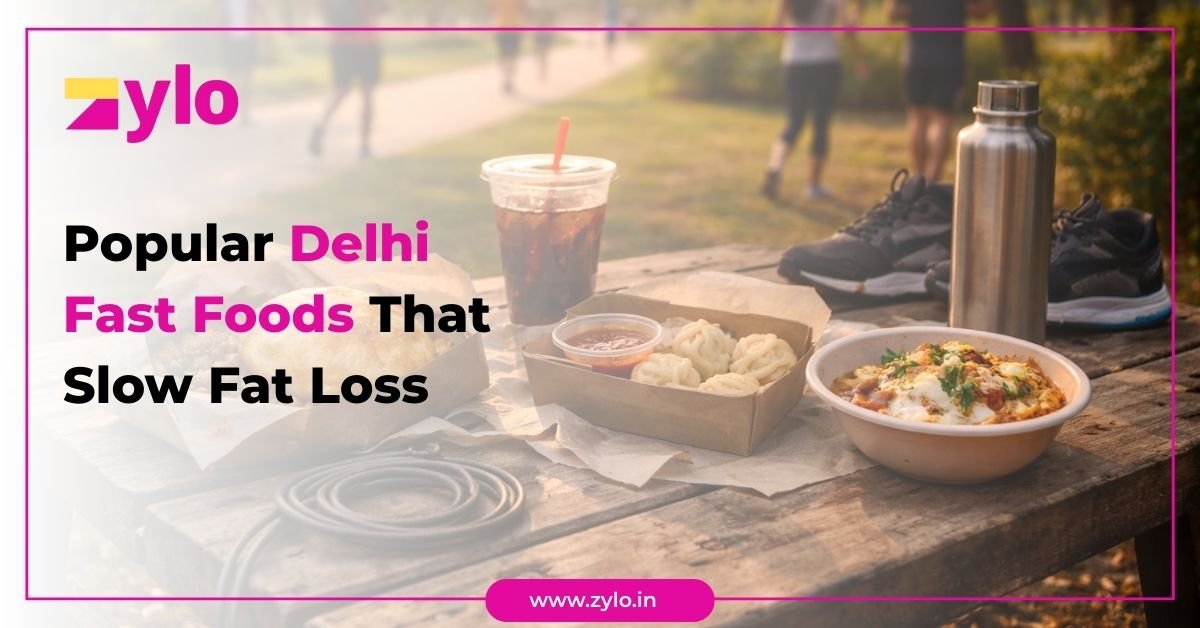
Delhi’s vibrant food scene is legendary, offering an incredible array of flavours that tempt locals and tourists alike. However, for those embarking on a fat loss journey, the capital’s popular fast foods present significant challenges. While these dishes are delicious and deeply embedded in Delhi’s culture, understanding how they impact fat loss goals is crucial for anyone serious about transforming their body composition.

The Fat Loss Equation
Before diving into specific Delhi fast foods, it’s essential to understand the basics of fat loss. Losing body fat requires maintaining a calorie deficit while preserving muscle mass through adequate protein intake and resistance training—something many people now try to achieve through a Home Workout in Delhi due to busy schedules. Foods that are calorie-dense, low in protein and fibre, and high in refined carbohydrates and unhealthy fats make this process exponentially harder. Unfortunately, many of Delhi’s most popular fast foods fall squarely into this category, often undoing the effort put into a consistent Home Workout in Delhi routine.
Parathas: The Breakfast Culprit
Delhi’s love affair with parathas, particularly the stuffed varieties from Paranthe Wali Gali, is well-documented. These thick, butter-laden flatbreads stuffed with potatoes, paneer, or cauliflower are a staple breakfast choice. However, a single stuffed paratha can contain 300-450 calories, primarily from refined flour and ghee or butter.
The problem with parathas for fat loss isn’t just their calorie content. They’re typically served with additional dollops of butter, curd, and pickle, pushing the meal’s calorie count even higher. More critically, parathas provide minimal protein—the macronutrient most crucial for satiety and muscle preservation during fat loss. This means you consume substantial calories without feeling full for long, leading to increased hunger and snacking throughout the day.
The refined flour used in parathas causes rapid blood sugar spikes and subsequent crashes, creating a hormonal environment that promotes fat storage rather than fat burning. Regular paratha consumption makes maintaining the consistent calorie deficit needed for fat loss extremely challenging.
Chaat: The Deceptive Street Food
Delhi’s chaat varieties—from papdi chaat to aloo tikki—seem lighter than heavy meals, making them popular evening snacks. However, these seemingly innocent foods are fat loss saboteurs. Most chaat preparations combine fried elements (like papdi, sev, or tikki) with potatoes, sweetened yoghurt, and sugar-laden tamarind chutney.
A single plate of papdi chaat contains approximately 350-400 calories with almost no protein. The combination of fried items and simple carbohydrates creates a perfect storm for fat storage. Moreover, the high sodium content causes water retention, which can obscure fat loss progress on the scale and demotivate individuals who are working hard to lose weight.
The sweet chutneys used in chaat preparations add hidden sugars that spike insulin levels, the hormone that signals your body to store fat. Regular chaat consumption, particularly in the evening when metabolic rate naturally decreases, significantly slows fat loss progress.
Samosas and Kachoris: The Tea-Time Traps
No discussion of popular Delhi fast foods would be complete without mentioning samosas and kachoris. These deep-fried snacks are omnipresent, from office canteens to railway stations. A single samosa contains 250-300 calories, while kachoris can pack 300-350 calories each.
The real problem lies in their composition. Both are made with refined flour and deep-fried in oil that’s often reused multiple times, creating trans fats—the most harmful type of fat that not only promotes weight gain but also increases inflammation throughout the body. Inflammation interferes with hormones like leptin, which regulates hunger and metabolism, making fat loss even more difficult.
These snacks are rarely eaten alone. They’re typically accompanied by sweet tamarind chutney and fried green chillies, adding extra calories and sodium. For someone trying to lose fat, a seemingly innocent tea-time snack can derail an entire day’s progress.
Rolls and Wraps: The Lunch Illusion
Delhi’s kathi rolls, shawarma, and various wraps have gained immense popularity as quick lunch options. While they appear more balanced than other fast foods, most are still problematic for fat loss. The refined flour wraps provide empty calories, while the fillings are often cooked in excessive oil or mayonnaise-based sauces.
A chicken kathi roll from a popular Delhi outlet contains approximately 450-550 calories, with much of it coming from the wrap itself and the cooking oil. The meat-to-wrap ratio is usually poor, meaning you’re getting insufficient protein relative to the carbohydrates and fats consumed. For optimal fat loss, this ratio should be reversed.
Kulcha and Chole: The Filling Fallacy
Kulcha chole is another Delhi favourite that seems substantial enough to be a proper meal. However, this combination is devastating for fat loss efforts. The kulcha (leavened bread) is often brushed with butter and cooked in a tandoor, while the chole is prepared with generous amounts of oil and sometimes cream.
A typical serving provides 600-700 calories with a macronutrient profile heavily skewed toward carbohydrates and fats. The lack of vegetables and modest protein content means this meal doesn’t support the muscle preservation crucial during fat loss phases. Additionally, the high carbohydrate load without adequate fibre causes prolonged insulin elevation, keeping your body in fat-storage mode.
Pizza and Burgers: The Modern Delhi Staples
With the proliferation of international fast food chains and local adaptations, pizza and burgers have become staples in Delhi’s fast food landscape. A single pizza slice can contain 250-300 calories, and most people consume 3-4 slices in one sitting. Burgers from popular chains typically range from 500-800 calories each.
These foods combine refined flour, processed meats, cheese, and various sauces—all ingredients that slow fat loss. The high sodium content promotes water retention, while the processed ingredients can trigger inflammatory responses that interfere with optimal metabolic function. Regular consumption of these modern fast foods creates a metabolic environment hostile to fat burning.
The Beverage Factor
Popular Delhi fast foods are rarely consumed alone. They’re typically accompanied by sweetened lassi, soft drinks, or sweet chai. These beverages add 150-300 additional calories of pure sugar, providing no nutritional value while spiking insulin levels and promoting fat storage.
Making Better Choices
Understanding which popular Delhi fast foods slow fat loss is the first step toward making better choices. While complete avoidance isn’t realistic or necessary, limiting frequency and portion sizes while prioritising protein-rich, whole-food alternatives most of the time creates the consistency needed for successful fat loss.
Conclusion
Popular Delhi fast foods—from parathas and chaat to samosas and modern burgers—share common characteristics that slow fat loss: high calorie density, excessive refined carbohydrates and unhealthy fats, minimal protein and fibre, and elevated sodium levels. For Delhi residents serious about fat loss, acknowledging these challenges and developing strategies to navigate the city’s tempting food landscape is essential. Success comes not from perfection but from making informed choices consistently enough to create the calorie deficit and metabolic environment necessary for sustainable fat loss.