
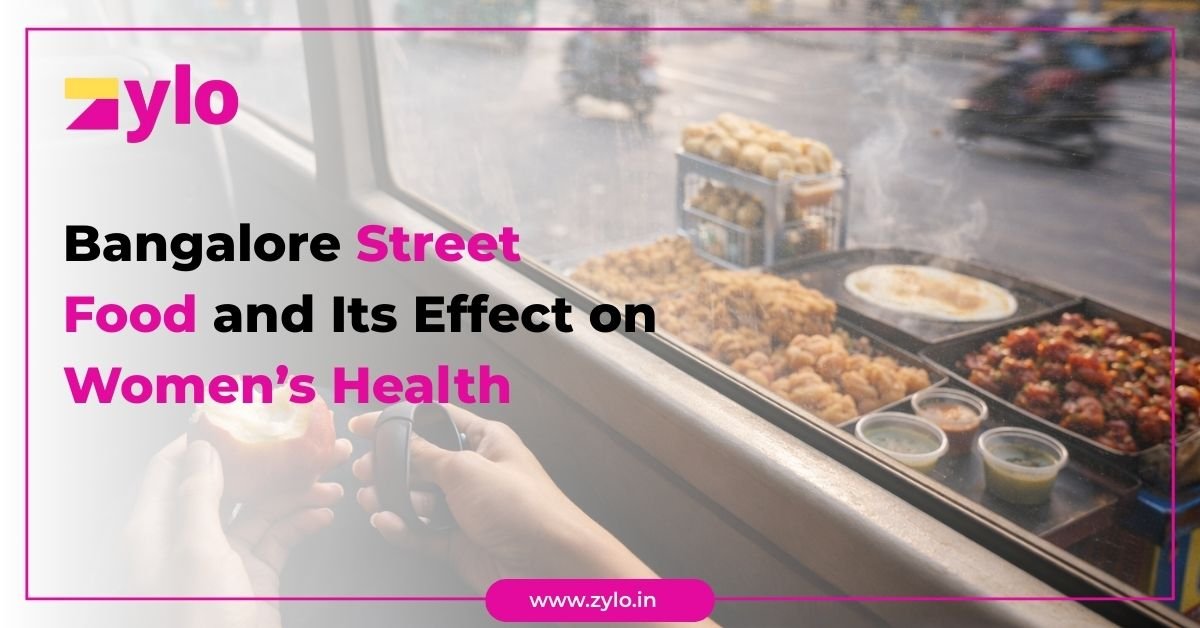
Bangalore, India’s Silicon Valley, is a melting pot of cultures, traditions, and cuisines. The city’s street food scene reflects this diversity, offering everything from traditional South Indian delicacies to North Indian chaat and contemporary fusion foods. For the city’s large population of working women, these quick and affordable street food options often become dietary staples. However, understanding how Bangalore street food affects women’s health is crucial for making informed nutritional choices.

The Bangalore Street Food Landscape
Bangalore’s street food culture is unique, blending traditional Karnataka cuisine with influences from across India. Popular items include masala dosa, vada, bonda, pani puri, gobi manchurian, and various chaats. These foods are readily available near offices, colleges, bus stops, and residential areas, making them convenient choices for women juggling demanding careers and personal responsibilities.
The city’s fast-paced lifestyle means many women skip home-cooked meals in favor of street food. While this solves the immediate problem of hunger and time constraints, the long-term health implications, particularly for women, deserve serious consideration.
Nutritional Challenges of Bangalore Street Food
Most Bangalore street food items share common characteristics that pose health challenges for women. They’re typically high in refined carbohydrates, saturated fats, and sodium while being low in essential nutrients like protein, fiber, vitamins, and minerals that women specifically need.
A masala dosa, one of Bangalore’s most iconic street foods, contains approximately 300-400 calories, primarily from refined rice batter and oil used in cooking. While the potato filling provides some nutrients, it’s often cooked with excessive oil and lacks the protein women need for optimal health. The coconut chutney and sambar served alongside, though nutritious, are consumed in small quantities that don’t significantly improve the meal’s overall nutritional profile.
Vadas and bondas, being deep-fried snacks, are particularly problematic. These items absorb substantial amounts of oil during frying, providing empty calories without meaningful nutrition. Regular consumption contributes to caloric excess without meeting women’s specific nutritional requirements.
Impact on Hormonal Health
Women’s hormonal health is intricately connected to nutrition, and Bangalore street food can significantly impact this delicate balance. The high glycemic index of most street foods causes rapid blood sugar fluctuations, which directly affect insulin and cortisol levels. Over time, this can lead to insulin resistance, a condition particularly problematic for women as it increases the risk of polycystic ovary syndrome (PCOS), a hormonal disorder affecting millions of Indian women.
PCOS symptoms include irregular periods, weight gain, acne, and excess facial hair. Studies show that diet plays a crucial role in managing PCOS, with high-carbohydrate, low-fiber diets exacerbating symptoms. Unfortunately, typical Bangalore street food—with its emphasis on refined rice, wheat, and fried items—falls squarely into this problematic category.
Furthermore, the lack of adequate protein in most street food options affects hormone production. Hormones are made from amino acids (protein building blocks), and insufficient protein intake can disrupt the production of thyroid hormones, reproductive hormones, and hunger-regulating hormones like leptin and ghrelin.
Iron and Calcium Deficiency Concerns
Indian women have alarmingly high rates of iron and calcium deficiency, conditions that street food consumption can worsen. Iron deficiency leads to anemia, causing fatigue, weakness, poor concentration, and compromised immune function. Pregnant and menstruating women are particularly vulnerable.
While some Bangalore street foods contain iron-rich ingredients like lentils in vadas or spinach in some preparations, the overall iron content is insufficient to meet women’s daily requirements. Moreover, the heavy consumption of tea alongside street food inhibits iron absorption, as tannins in tea bind to iron and prevent its uptake in the body.
Calcium deficiency is equally concerning, particularly for women who are at higher risk of osteoporosis later in life. Most Bangalore street food items provide minimal calcium, and the high sodium content actually increases calcium excretion through urine, potentially worsening bone health over time.
Weight Management and Metabolic Health
Weight management is a significant health concern for many women, and Bangalore street food presents substantial challenges in this area. The calorie-dense nature of fried items, combined with their low satiety factor, encourages overeating. A typical street food lunch of pani puri followed by masala dosa can easily exceed 800–1000 calories while leaving women hungry again within a few hours, even for those who regularly participate in a Zumba Dance Workout in Bangalore to stay active.
The refined carbohydrates in items like rava dosa, poori, and various chaat preparations cause insulin spikes that promote fat storage, particularly around the abdomen. This visceral fat is not merely cosmetic; it’s metabolically active tissue that increases inflammation and raises the risk of diabetes, cardiovascular disease, and certain cancers—all conditions women need to be vigilant about.
For working women in Bangalore who spend long hours sitting at desks, the combination of sedentary lifestyles and regular street food consumption creates a perfect storm for weight gain and metabolic dysfunction, often limiting the visible results of a consistent Zumba Dance Workout in Bangalore.
Digestive Health Issues
Many women in Bangalore report digestive issues like bloating, acidity, and irregular bowel movements. Street food consumption often contributes to these problems. The excessive oil and spices in items like gobi manchurian, samosas, and fried noodles can trigger acid reflux and gastritis.
The lack of fiber in refined flour-based items like noodles, spring rolls, and various North Indian chaats leads to constipation, a problem already common among women due to hormonal fluctuations. Adequate fiber intake is crucial not just for digestive health but also for hormonal balance, as fiber helps eliminate excess estrogen from the body.
Additionally, street food hygiene standards vary considerably. Foodborne illnesses from contaminated water, unwashed vegetables, or improper food handling can cause acute gastroenteritis, which is particularly dangerous for pregnant women and can lead to dehydration and nutrient malabsorption.
Skin and Hair Health
Women’s concerns about skin and hair health are not merely cosmetic—they often reflect internal nutritional status. The excessive oil and refined carbohydrates in Bangalore street food can worsen acne and other skin conditions. High-glycemic foods increase sebum production and inflammation, both of which contribute to acne breakouts.
The lack of essential fatty acids, vitamins, and minerals in typical street food offerings affects hair health, contributing to hair fall, brittleness, and premature graying—concerns frequently reported by urban Indian women.
Pregnancy and Lactation Considerations
For pregnant and lactating women in Bangalore, street food poses additional risks. Beyond hygiene concerns, the nutritional inadequacy of these foods is particularly problematic during periods when nutrient requirements are elevated. Pregnant women need increased protein, iron, folate, and calcium—nutrients that street food rarely provides in adequate amounts.
The high sodium content in street food can exacerbate pregnancy-related water retention and increase blood pressure, potentially contributing to complications like preeclampsia.
Finding Balance
While complete avoidance of Bangalore street food isn’t realistic or necessary, women should approach it strategically. Choosing items like idli or upma over fried options, limiting frequency to occasional treats rather than daily meals, and ensuring the rest of the diet is nutrient-dense can help mitigate negative health effects.
Conclusion
Bangalore street food, while culturally significant and delicious, presents multiple health challenges for women, from hormonal disruption and nutrient deficiencies to weight management issues and digestive problems. Women’s unique nutritional needs—particularly regarding iron, calcium, and hormonal health—make them especially vulnerable to the nutritional inadequacies of regular street food consumption. Awareness, moderation, and strategic food choices can help Bangalore’s women enjoy their city’s culinary offerings while protecting their long-term health and well-being.