
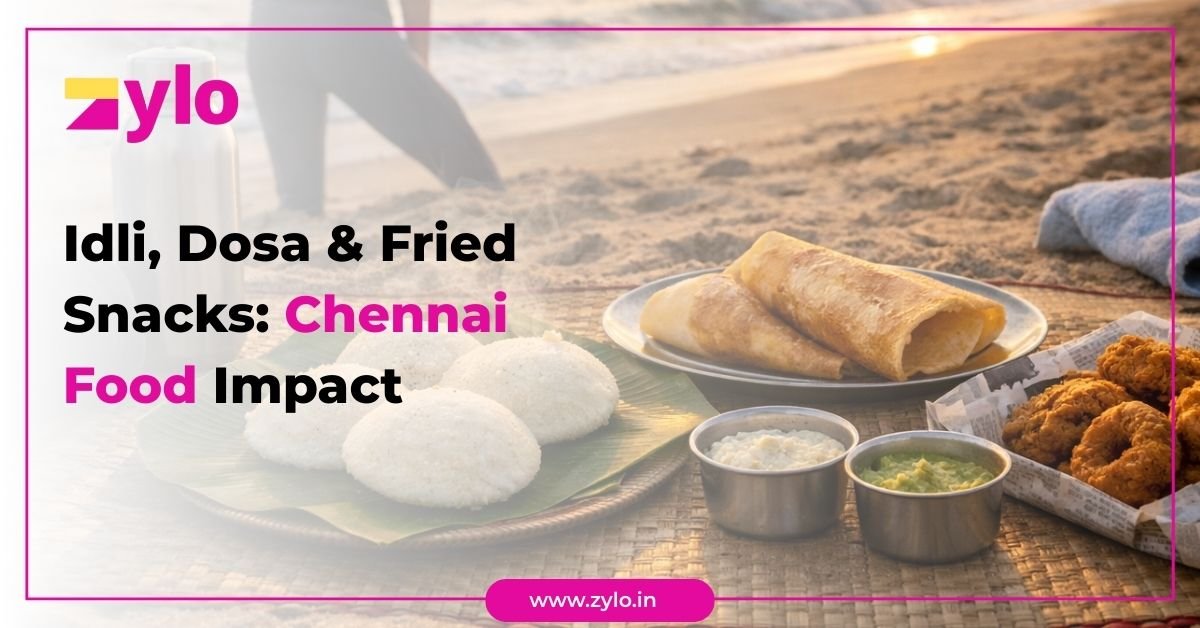
Chennai, the cultural capital of South India, is a city where food isn’t just sustenance—it’s an identity. The city’s culinary landscape is dominated by beloved South Indian staples that have nourished generations of Chennaiites. Among the most iconic offerings are idlis, dosas, and various fried snacks that define Chennai’s food culture. From the legendary dosa in Chennai served at establishments like A2B and Saravana Bhavan to the celebrated best idlis in Chennai found at countless traditional restaurants, these foods are deeply woven into daily life. However, understanding their nutritional impact is crucial for anyone pursuing health and fitness goals in this vibrant city.
The Idli Story
The best idli in Chennai is a topic that sparks passionate debates among food lovers. From the fluffy, perfectly steamed idlis at traditional Udupi-style restaurants to the innovative variations found across the city, idli holds a special place in Chennai’s culinary heart. Traditionally considered one of India’s healthiest foods due to its fermentation process, idli’s actual nutritional impact is more nuanced than commonly believed.
A single idli contains approximately 80-100 calories, primarily from rice and lentils. While this seems modest, the reality is that idli is rarely consumed alone. A typical Chennai breakfast consists of three to four idlis served with generous portions of sambar, coconut chutney, and sometimes podi (spice powder mixed with oil). This complete meal can easily reach 500-600 calories, with the accompaniments contributing significantly to the total caloric load.
The fermentation process used in making idli does offer genuine health benefits. It increases the bioavailability of nutrients, improves digestive health, and creates beneficial probiotics. However, these advantages are often negated by the way idli is consumed—with excessive amounts of oil-based podi, butter-laden sambar, and calorie-dense chutneys. The best idli in Chennai might be nutritionally superior in preparation, but the accompanying extras can transform a healthy meal into a calorie-dense one.

Dosa in Chennai: Beyond the Basics
Dosa in Chennai represents far more than a simple crepe. The city offers an extraordinary variety—from the crispy masala dosa to rava dosa, set dosa, pesarattu, and countless regional variations. Dosa in Chennai is consumed for breakfast, lunch, and dinner, making it one of the most frequently consumed foods in the city.
A standard masala dosa contains approximately 300-400 calories, with the rice batter contributing the majority of calories from carbohydrates. The potato filling adds another 100-150 calories, primarily from starch. The preparation method significantly impacts caloric content—dosas cooked with generous ghee or oil absorb substantially more calories than those made with minimal fat.
The best dosa places in Chennai are known for their unique preparations and generous portions. These establishments often serve dosas that are significantly larger than home-cooked versions, with abundant fillings and accompaniments. While the quality and taste are exceptional, the portion sizes at these popular restaurants can push a single dosa meal to 600-800 calories—a substantial portion of daily caloric requirements for fitness-conscious individuals.
For women pursuing fitness goals, the high glycemic nature of dosa presents particular challenges. The rice-heavy batter, despite fermentation, still causes notable blood sugar elevation. When consumed frequently—as is common in Chennai—this repeated glycemic stress contributes to insulin resistance and makes maintaining a healthy body composition increasingly difficult.
Fried Snacks: The Hidden Calorie Factories
Chennai’s fried snack culture is legendary, offering an incredible variety of crispy, spicy treats that tantalize taste buds. From the iconic murukku and bondas to vadas, medu vada, and various bajjis, these fried snacks are consumed throughout the day as breakfast additions, tea-time treats, and evening snacks.
Medu vada, one of Chennai’s most beloved fried snacks, contains approximately 150-200 calories per piece, primarily from the deep-frying process. A typical serving of two to three vadas pushes the caloric count to 300-600 calories—all from a single snack item. The lentil base provides some protein, but the deep-frying process adds excessive unhealthy fats that counteract any nutritional benefits.
Murukku, another Chennai staple, presents similar challenges. These crispy rice and gram flour snacks are extraordinarily difficult to consume in moderation due to their addictive combination of salt, spice, and crunch. A handful of murukku contains 200-250 calories, and most people consume significantly more than a handful during snacking sessions. The refined flour base and frying oil create a nutritionally poor combination that contributes directly to weight gain and metabolic disruption.
The evening snack culture in Chennai often involves consuming multiple fried items alongside sweet chai. This combination—fried snacks plus sugared tea—creates a caloric surge that the body, in its reduced evening metabolic state, is more likely to store as fat rather than burn for energy.
Impact on Women’s Fitness
Chennai’s food culture presents unique challenges for women pursuing fitness goals. The city’s traditional meal patterns emphasize carbohydrate-heavy foods—idli, dosa, rice, and fried snacks—while providing inadequate protein and essential micronutrients that women specifically need.
Women’s hormonal systems are particularly sensitive to the glycemic fluctuations caused by Chennai’s staple foods. The frequent consumption of high-carbohydrate meals throughout the day creates chronic insulin elevation, which can contribute to hormonal imbalances, including PCOS symptoms, thyroid dysfunction, and disrupted menstrual cycles. For the approximately 15-20% of Indian women affected by PCOS, Chennai’s traditional food patterns can significantly worsen symptoms and impede fitness progress.
Iron and calcium deficiency—already prevalent among Indian women—can worsen with heavy reliance on Chennai’s traditional foods. While idlis and dosas contain some iron from lentils, the overall content is insufficient for women’s needs. The anti-nutritional factors present in rice and certain preparations can actually inhibit mineral absorption, making the deficiency problem worse than it appears on the surface.
The Exercise Answer: Online Zumba Classes in Chennai
For Chennai’s fitness-conscious women, finding effective exercise solutions that complement dietary realities is essential. Online Zumba classes in Chennai have emerged as one of the most popular and accessible fitness options, offering significant benefits for women dealing with the nutritional challenges of the city’s food culture.
A single hour-long Zumba session burns approximately 400-600 calories—effectively offsetting one idli breakfast or a dosa meal. Online Zumba classes in Chennai provide the flexibility that Chennai’s working women desperately need. Classes can be attended from home, early morning or evening, without the hassle of traveling to a gym or studio. Many Chennai-based fitness instructors now offer affordable online Zumba classes in Chennai through various digital platforms, making quality fitness instruction accessible to everyone.
The benefits of online Zumba classes in Chennai extend beyond calorie burning. The rhythmic, dance-based movement significantly reduces cortisol levels—the stress hormone that promotes abdominal fat storage. For women dealing with Chennai’s demanding work culture and family responsibilities, this stress-reducing aspect is particularly valuable. Regular Zumba participation also improves insulin sensitivity, directly counteracting the metabolic disruption caused by frequent consumption of high-glycemic foods like idlis and dosas.
Online Zumba classes in Chennai also foster community and social connection among participants. The group setting, even in virtual format, provides motivation and accountability that solo workouts lack. Many women find that the enjoyable, music-driven nature of Zumba makes consistent participation feel less like exercise and more like fun—a crucial factor for long-term fitness adherence.
Healthier Approaches to Chennai’s Food Culture
Enjoying Chennai’s culinary treasures while pursuing fitness doesn’t require complete food elimination. Strategic modifications can significantly improve nutritional outcomes. Choosing idlis over dosas for breakfast reduces caloric intake while maintaining nutritional benefits from fermentation. Limiting fried snack consumption to once or twice weekly rather than daily reduces unnecessary calorie addition. Increasing protein intake through additions like egg, paneer, or chicken alongside traditional meals improves satiety and supports muscle health.
Incorporating more vegetables into sambar and choosing lighter chutneys adds fiber and micronutrients without excessive calories. Practicing portion control at even the best dosa places in Chennai means enjoying the experience without overloading on calories. The best idlis in Chennai can remain a dietary staple when consumed mindfully with balanced accompaniments.
Conclusion
Chennai’s iconic foods—idli, dosa, and fried snacks—form the backbone of the city’s culinary identity but present genuine challenges for fitness-conscious women. Their high carbohydrate content, glycemic impact, and consumption patterns create obstacles to weight management and hormonal health. However, combining mindful eating strategies with regular exercise through online Zumba classes in Chennai creates a sustainable path toward fitness goals. By understanding the nutritional realities of Chennai’s beloved foods and making conscious choices, the city’s women can honor their culinary traditions while successfully pursuing health and fitness aspirations.