
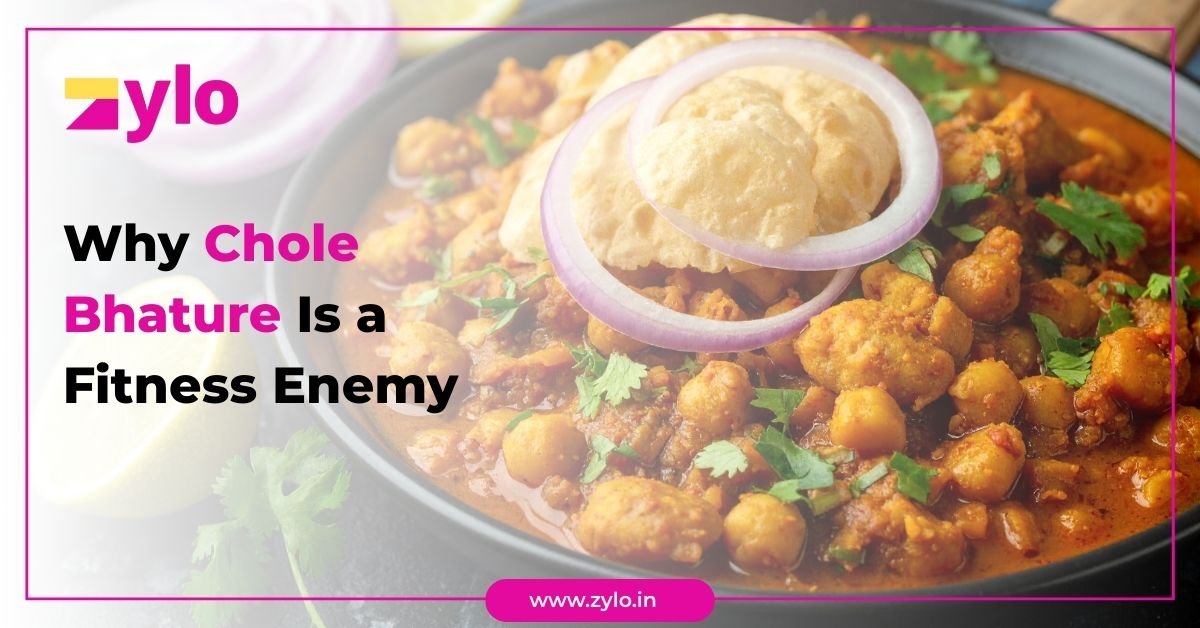
Chole bhature stands as one of North India’s most beloved culinary combinations—a dish so popular that it transcends socioeconomic boundaries and unites people across generations in shared appreciation. From street vendors to upscale restaurants, this iconic pairing of spicy chickpea curry with deep-fried bread has become a weekend ritual for millions. However, for anyone serious about fitness, weight management, or overall health, chole bhature represents one of the most problematic food choices available. Understanding exactly why this beloved dish works against fitness goals is essential for making informed decisions about when and how to enjoy it without completely derailing health progress.

The Caloric Reality of Chole Bhature
The fundamental problem with chole bhature from a fitness perspective begins with its extraordinary caloric density. A typical serving consists of two large bhatures accompanied by a generous portion of chole, creating a meal that contains approximately 600-800 calories—sometimes exceeding 1,000 calories depending on portion size and preparation method. To put this in perspective, this single meal can account for 40-50% of an average woman’s daily caloric requirement for weight maintenance.
The bhature component alone is remarkably calorie-dense. Each bhatura—made from refined flour (maida), yogurt, and sometimes a small amount of semolina—is deep-fried in oil until it puffs up into a light, airy bread. During frying, each bhatura absorbs substantial amounts of oil, with a single piece containing approximately 250-350 calories, most of which come from absorbed fat. When restaurants serve two or even three bhatures per plate, the bread component alone provides 500-700 calories before even accounting for the chole.
The chole itself, while based on nutritious chickpeas that provide protein and fibre, transforms into a caloric powerhouse through traditional preparation methods. The curry typically includes generous amounts of oil or ghee, onion-tomato masala, and sometimes cream or butter for richness. A standard serving of restaurant-style chole contains approximately 300-400 calories, with nearly half coming from added fats rather than the chickpeas themselves.
The Refined Carbohydrate Problem
Beyond sheer calorie count, chole bhature poses significant fitness challenges due to its refined carbohydrate content. The bhature are made predominantly from maida—refined wheat flour with the bran and germ removed during processing. This refinement strips away fibre, vitamins, and minerals, leaving primarily starch that the body rapidly converts to glucose.
When consumed, refined flour rapidly raises blood sugar—similar to eating pure sugar. This rapid glucose elevation triggers a substantial insulin response. Insulin’s primary job is to shuttle glucose out of the bloodstream and into cells, but when glucose arrives in large, rapid quantities, much of it is stored as glycogen in muscles and the liver. Once those storage sites are full, excess glucose is converted into body fat, particularly around the abdomen.
The high glycemic impact of bhature means that even if someone maintains a calorie deficit throughout the day, the insulin response triggered by this meal shifts the body into fat-storage mode rather than fat-burning mode. For individuals trying to lose body fat, this hormonal environment directly opposes their goals, making progress significantly more difficult despite overall calorie control.
The Deep-Frying Dilemma
The deep-frying process used to prepare bhature raises multiple health and fitness concerns. First, as mentioned, it substantially increases caloric density through oil absorption. Second, and perhaps more concerning, the oils used in commercial preparation are typically reheated repeatedly throughout the day—a practice that creates trans fats and oxidised lipids.
Trans fats are among the most harmful dietary components, promoting inflammation throughout the body, increasing LDL (bad) cholesterol while decreasing HDL (good) cholesterol, and significantly raising cardiovascular disease risk. Even small amounts of trans fats have measurable negative health impacts, and regular consumption of deep-fried foods substantially increases trans fat intake.
The inflammation promoted by these damaged fats extends beyond cardiovascular concerns. Chronic inflammation interferes with insulin signalling, worsening insulin resistance and making fat loss progressively more difficult. It affects thyroid function, potentially reducing metabolic rate. It even impacts recovery from exercise, meaning workouts become less effective at building fitness when the diet includes frequent deep-fried foods.
Micronutrient Deficiency and Displacement
Chole bhature’s impact on fitness extends beyond what it contains to what it lacks. Despite providing substantial calories, this dish has a relatively low micronutrient density. The refined flour in bhature provides minimal vitamins and minerals. While chickpeas contain some beneficial nutrients, the overall nutritional profile of a chole bhature meal doesn’t justify its caloric cost.
More problematically, consuming such a calorie-dense meal reduces appetite for more nutritious foods throughout the day. Someone who eats chole bhature for breakfast or lunch has consumed a significant portion of their daily calories but hasn’t met their needs for essential nutrients such as vitamins A, C, and D, various B vitamins, iron, calcium, and numerous other micronutrients crucial for energy production, exercise recovery, and overall health.
This nutrient displacement creates a scenario where people are simultaneously overfed in calories yet undernourished in essential nutrients—a combination that promotes fat gain while impairing fitness progress and overall wellbeing.
The Sodium Issue
Both components of chole bhature typically contain substantial sodium. The chole includes salt in the curry itself, as well as various spice blends that often contain additional sodium. Restaurants tend to use generous amounts of salt to enhance flavour, resulting in a single serving that can contain 1,000-1,500mg of sodium—more than half the recommended daily limit.
Excessive sodium causes water retention, leading to bloating and temporary weight gain that can obscure actual fat-loss progress. For people who weigh themselves regularly to track fitness progress, this sodium-induced water retention can be profoundly discouraging, leading to weight increases despite genuine fat-loss efforts. This psychological impact sometimes leads people to abandon diet and exercise programs just when they’re actually working.
Regional Variations and Pricing
The popularity of chole bhature varies across India, with Delhi particularly renowned for this dish. Those seeking the best poori chole in Delhi will find countless options, from legendary establishments in Chandni Chowk to modern restaurants across the city. The widespread availability means temptation is constant for Delhi residents pursuing fitness goals.
Pricing varies considerably across the country. The chole price in Delhi typically ranges from ₹40-60 at street vendors to ₹150-250 at mid-range restaurants, while upscale establishments may charge even more. The chole price in India varies widely by region and city, generally ranging from ₹30 to ₹ 200 depending on location and establishment type. This affordability makes chole bhature accessible to nearly everyone, contributing to its frequent consumption—and consequently, its negative fitness impact.
The Social and Cultural Challenge
Chole bhature’s deep cultural significance creates challenges beyond mere nutrition. In many North Indian families, Sunday breakfast means chole bhature—a tradition that brings families together and marks the start of the weekend. Refusing this meal can feel like rejecting family connection or cultural identity, creating social tension that’s psychologically stressful.
This social dimension is why complete elimination is neither realistic nor necessarily psychologically healthy. The key is transforming chole bhature from a regular habit into an occasional indulgence—shifting from weekly or multiple-weekly consumption to monthly or for special occasions.
The Fitness Solution: Creating Balance
For those committed to fitness who live in regions where chole bhature is culturally significant, several strategies can help minimise its negative impact. First, portion control makes an enormous difference. Eating one bhatura instead of two or three immediately cuts calorie intake substantially. Requesting less oil in chole preparation when eating at establishments that accommodate such requests further reduces calories.
Second, timing matters. Consuming chole bhature earlier in the day, when metabolic rate is highest, and physical activity will follow, helps the body process and utilise those calories more effectively than eating this heavy meal in the evening.
Third, balancing indulgent meals with disciplined eating throughout the remainder of the week ensures overall dietary patterns remain aligned with fitness goals despite occasional deviations.
Finally, regular exercise becomes crucial for offsetting the caloric impact of these indulgences. For those seeking accessible, enjoyable fitness options, Zumba has become increasingly popular across India. Zumba pricing in India varies considerably depending on location and format, with online classes typically ranging from ₹500-2,000 monthly, while in-person studio classes may cost ₹1,500-4,000 monthly in major cities. The investment in Zumba pricing India is worthwhile considering that regular classes burn 400-600 calories per session—effectively offsetting a chole bhature meal while improving cardiovascular fitness, coordination, and providing stress relief through enjoyable, music-driven movement.
Conclusion
Chole bhature earns its reputation as a fitness enemy through its extraordinary caloric density, refined carbohydrate content, deep-fried preparation creating harmful trans fats, poor micronutrient profile, and excessive sodium. The hormonal responses it triggers—particularly insulin spikes—shift the body into fat-storage mode precisely when fitness goals require fat-burning. However, understanding these impacts allows for strategic enjoyment without complete elimination. By treating chole bhature as an occasional indulgence rather than a regular meal, controlling portions, and maintaining consistent exercise routines supported by affordable options like Zumba, individuals can navigate the tension between cultural food traditions and personal fitness goals. The path forward isn’t choosing between heritage and health but rather finding a mindful balance that honours both while prioritising long-term wellbeing.