
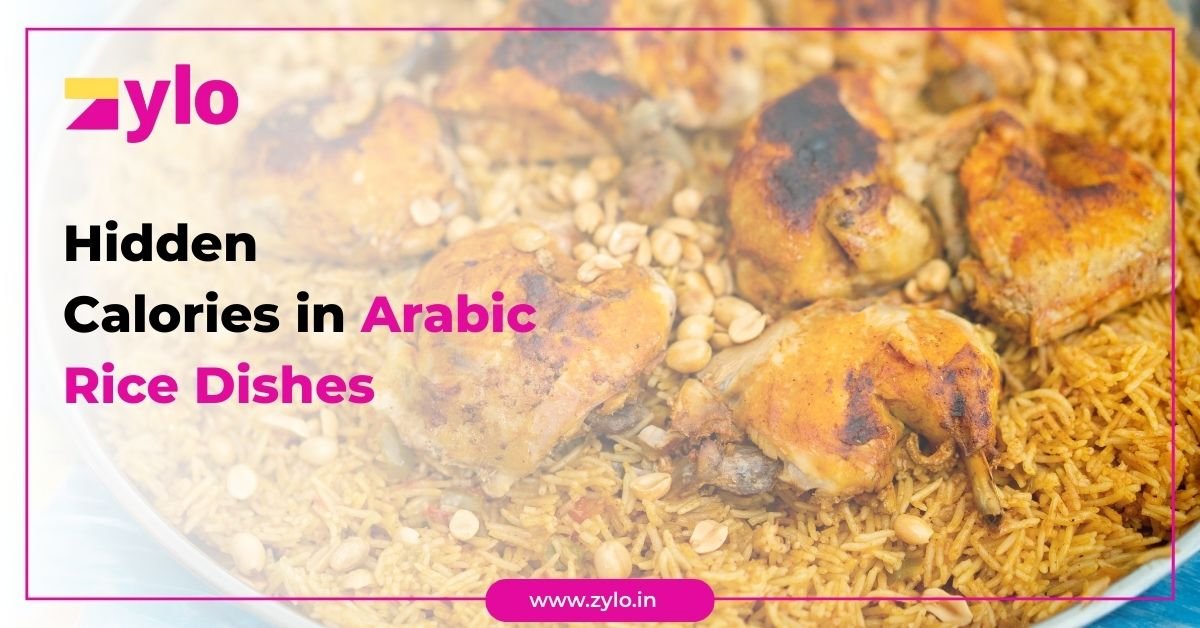
Arabic rice dishes captivate with their aromatic spices and succulent proteins, but oil-laden preparations and oversized servings conceal calories that contribute to gradual weight gain. Enjoying Arabian chicken kabsa alongside Zumba classes in Abu Dhabi creates a perfect balance for fitness enthusiasts.
Cooking Oil Overload
Ghee or vegetable oil permeates Arabic rice dishes through sautéed vermicelli and caramelized onions, contributing 100-200 calories per cup that go unnoticed. Kabsa recipes transform butter into clarified samneh, delivering 9g of saturated fat per serving, which preferentially stores around the hips and thighs. Women process these fats more slowly during the luteal phase, converting excess energy into stubborn fat deposits rather than fuel.
Arabian Chicken Kabsa Breakdown
A typical Arabian chicken kabsa portion contains 549 calories, including 67g of carbohydrates from fragrant basmati rice and 23g of fat, primarily from spice-rubbed chicken skin. Tomato-based gravies add 50 calories through oil emulsification, while garnish almonds pack 150 dense calories, elevating total intake significantly. Restaurant presentations with yogurt sides easily surpass 700 calories per plate.
Portion Distortion Traps
Restaurant Arabic rice dishes feature 2-cup rice servings that dwarf home portions, doubling carbohydrate intake to 140g and triggering sharp post-meal insulin spikes. Family-style platters invite second helpings, transforming 500-calorie starters into 1200-calorie feasts within minutes. Smaller bowls maintain flavor satisfaction while halving the caloric impact.
Arab Chicken and Rice Specifics
Arab chicken and rice delivers 497 calories per 214g serving, with butter-fried grains and roasted poultry, and is dominated by 17.5g of fat. Vermicelli toasting alone contributes 80 calories via oil absorption, replicating characteristics of high-calorie fried rice dishes. Removing chicken skin instantly reduces calories by 100 while preserving essential flavors.

Sauce and Spice Calorie Sneaks
Baharat spice blends and dried lime infusions appear calorie-neutral, but their oil-based carriers substantially increase fat content—kabsa marinades alone deliver 50g of fat per serving. Creamy toum dips and fattoush dressings add another 150 calories, overwhelming vegetable fiber benefits. Herb-only finishes preserve authentic taste with significant calorie savings.
Sodium and Water Retention
High-salt marinades characteristic of Arabic rice dishes create 2-3kg temporary water retention that mimics fat gain, placing stress on the kidneys among frequent consumers. While cumin and coriander enhance flavor without caloric penalty, preserved meats like lamb mandi contribute additional calories through nitrates and processing. Double hydration effectively flushes these effects.
Zumba Classes in Abu Dhabi Solution
Zumba classes in Abu Dhabi burn 400-600 calories hourly through dynamic Arabian-fusion choreography at premier studios, perfectly counterbalancing rice-heavy lunch consumption. Post-meal group sessions efficiently torch 500+ calories from Arabian chicken kabsa dishes, with affordable AED 200 monthly passes ensuring consistent participation throughout busy schedules.
Healthier Home Preparation Methods
Prepare Arabic rice dishes using a maximum of 1 tsp oil, substituting broth for vermicelli, sautéing to eliminate 150 calories while maintaining the characteristic aroma. Brown basmati rice increases fiber content to 4g per cup, significantly slowing carbohydrate absorption compared to refined white varieties. Grilling skinless chicken reduces overall fat content by 20% without compromising flavor profiles.
Sample Balanced Arabic Day
Breakfast: Greek yogurt with fresh fruits (250 calories)
Lunch: Half-portion Arab chicken and rice preparation (350 calories)
Afternoon: Zumba classes in Abu Dhabi, 45-minute session (400 calories burned)
Snack: Cucumber and carrot sticks with hummus (100 calories)
Dinner: Red lentil soup with whole wheat bread (300 calories)
This structure maintains a smart caloric deficit while celebrating Arabic culinary traditions.
Glycemic and Metabolic Effects
Refined rice, prevalent in Arabic dishes, has a glycemic index of 70+, causing energy crashes approximately 2 hours after consumption that trigger cravings for sweets or additional servings. Women experience amplified insulin responses during mid-menstrual cycle phases, facilitating efficient storage of midsection fat. Substituting millet or quinoa provides superior metabolic stability.
Navigating Festive Portion Challenges
Eid celebrations triple typical Arabic rice dish servings, accompanied by various meats, frequently exceeding 1500 calories per diner, amidst festive gatherings. Strategic pre-planning of lighter accompaniments, such as Arab salad, effectively offsets excessive consumption. Brief post-meal walks optimally prepare the body for subsequent Zumba sessions.
Long-Term Management Strategies
Monitor Arabic rice dishes using nutrition-tracking applications, limiting consumption to twice weekly and ensuring each serving remains under 500 calories to ensure sustainability. Integrating Zumba classes in Abu Dhabi three times weekly facilitates 4kg quarterly fat loss despite continued enjoyment of cultural staples. Home batch preparation provides precise control over oil quantity, essential for consistent results.
Additional Calorie Reduction Techniques
Replace traditional clarified butter with cooking spray during rice toasting, preserving the golden color while reducing the fat content by 90%. Incorporate cauliflower rice blends that reduce net carbohydrates by 50% without sacrificing texture or spice absorption. These modifications maintain authentic flavor profiles while supporting weight management objectives.
Cultural Adaptation Success Stories
Dubai professionals successfully maintain figures, enjoying weekly kabsa through strategic Zumba integration, demonstrating culinary tradition compatibility with modern fitness goals. Emirati women balance iftar feasts with dance cardio, preserving cultural identity alongside slim physiques year-round.
Seasonal Cooking Considerations
Summer preparations benefit from lighter, broth-based rice cooking rather than winter ghee-heavy versions, naturally aligning with seasonal caloric needs. Ramadan suhoor timing favors smaller portions, preventing daytime energy crashes. These adaptations ensure year-round enjoyment of Arabic rice dishes without weight fluctuations.