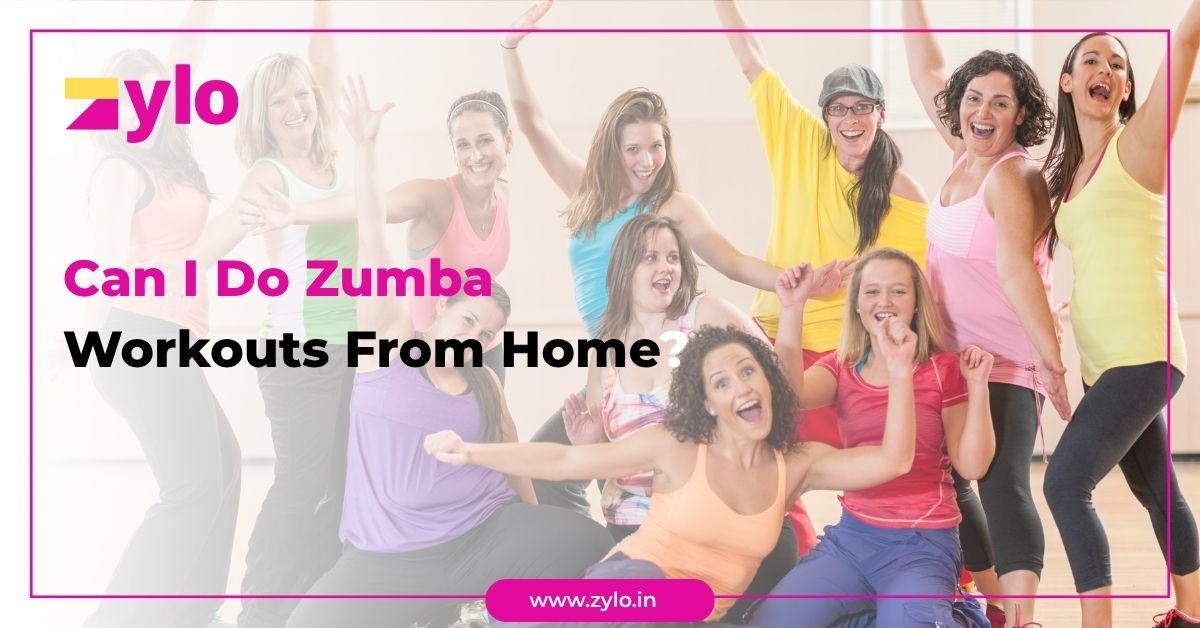
Yes, you can absolutely do Zumba workouts from home. With online classes, live sessions, recorded workouts, and beginner-friendly fitness programs, Zumba has become a convenient option for people who want to stay active without visiting a gym or fitness studio.
Zumba combines dance-inspired movements with aerobic exercise, creating energetic workouts that can improve cardiovascular fitness, coordination, endurance, and overall physical activity. One of its biggest advantages is that you can adjust the workout according to your fitness level, available space, schedule, and personal goals.
For people with busy lifestyles, exercising at home can make fitness easier to fit into everyday life. You can choose a short session when you are busy or a longer workout when you have more time.
However, doing Zumba at home successfully requires more than simply playing a workout video. Creating a safe workout environment, selecting an appropriate class, warming up, staying hydrated, and maintaining consistency can make your routine more effective and enjoyable.
Why Is Zumba Good for Home Workouts?
Zumba works well as a home workout because it generally does not require expensive equipment. Most sessions rely on bodyweight movements, dance steps, and continuous activity.
You can perform many Zumba workouts using only:
- Comfortable workout clothes
- Suitable footwear
- A device for viewing the class
- Enough space to move
- A water bottle
- A towel
This makes Zumba accessible for beginners who may not want to purchase complicated exercise equipment.
Another benefit is convenience. You can exercise without spending time traveling to a gym. This can make it easier to maintain a regular workout schedule.
Can Beginners Do Zumba at Home?
Yes, beginners can start Zumba at home by choosing workouts designed for their fitness level.
If you are new to exercise, avoid jumping directly into advanced routines. Beginner classes usually use simpler movements and provide more time to understand the choreography.
It is normal to miss steps during your first few sessions. Zumba involves rhythm and coordination, and these skills improve through practice.
During your first workouts, focus on staying comfortable and learning the basic movements instead of trying to match every step perfectly.
How Should You Set Up a Home Zumba Space?
A safe workout space is important when doing Zumba at home.
Choose an area where you can move your arms and legs freely. You should have enough room to step sideways, move forward and backward, and turn without hitting furniture.
Before starting your workout:
- Move furniture away from the exercise area
- Remove objects that could cause you to trip
- Keep cables out of the way
- Check that the floor is suitable for movement
- Keep water nearby
- Make sure the workout area is well ventilated
If you use a television, laptop, or phone, position it where you can clearly see the instructor without turning your body awkwardly.
How Long Should a Home Zumba Workout Be?
The ideal workout duration depends on your fitness level, schedule, and goals.
Beginners can start with approximately 20 to 30 minutes and gradually increase the duration as their stamina improves.
More experienced participants may prefer 40-, 45-, or 60-minute sessions.
You do not need to exercise for hours to benefit from physical activity. A workout that you can complete consistently is often more practical than a very long workout that you frequently skip.
If your schedule is busy, even a shorter session can help you maintain the habit of regular movement.
How Often Should You Do Zumba at Home?
Your workout frequency should match your fitness level and recovery needs.
A beginner may start with two or three Zumba sessions per week. As you become more comfortable with exercise, you can gradually increase activity if your body is recovering well.
You can also combine Zumba with other forms of exercise.
For example:
Monday: Zumba
Tuesday: Strength training
Wednesday: Zumba
Thursday: Walking or recovery
Friday: Zumba
Saturday: Strength training
Sunday: Rest
This is simply an example. Your ideal schedule may look different depending on your lifestyle and fitness level.
Can Home Zumba Help With Weight Loss?
Zumba can support weight management because it provides cardiovascular activity and increases energy expenditure.
However, exercise is only one part of weight management. Your food intake, daily movement, sleep, stress, genetics, and other lifestyle factors can also influence changes in body weight.
People searching for How To I Lose Weight Fast should be careful with promises of rapid weight loss. Sustainable results generally come from consistent physical activity, balanced nutrition, appropriate portions, adequate recovery, and healthy lifestyle habits.
Zumba can be one enjoyable part of this process.
Can Zumba Reduce Belly Fat?
Zumba can help increase overall physical activity, but it cannot specifically target belly fat.
Many people want to reduce fat around their stomach, but spot reduction is not a reliable approach. Doing more abdominal movements does not guarantee that fat will be lost specifically from the abdomen.
Instead, focus on overall health and body composition.
A balanced routine can include:
- Zumba or other cardio activities
- Strength training
- Walking
- Balanced nutrition
- Adequate protein
- Fiber-rich foods
- Good sleep
- Hydration
- Stress management
Over time, consistent healthy habits can support changes in overall body composition.
Why Warm-Up Matters Before Home Zumba
A warm-up prepares your body for exercise by gradually increasing movement and activity.
Before starting an energetic Zumba session, spend several minutes performing gentle movements. You might walk in place, move your shoulders, perform easy side steps, or gradually increase your movement speed.
A warm-up can also give you an opportunity to focus on coordination before the workout becomes more intense.
Do not skip your warm-up simply because you are exercising for a short period.
Why You Need a Cool-Down
A cool-down allows you to gradually reduce the intensity of your activity instead of stopping suddenly.
After your Zumba workout, spend a few minutes performing slower movements and comfortable stretches.
Cooling down can also provide a natural transition from exercise back to your normal activities.
If you feel unusually dizzy, unwell, or experience significant pain, stop exercising and seek appropriate medical advice when necessary.
What Type of Zumba Should Beginners Choose?
There are many types of Zumba workouts, and not every class is suitable for every person.
Beginners may benefit from classes described as:
- Beginner Zumba
- Low-impact Zumba
- Basic Zumba
- Introduction to Zumba
- Beginner dance workout
- Easy cardio dance
These formats can make it easier to learn basic movements without feeling overwhelmed.
Once your coordination and endurance improve, you can gradually explore more challenging workouts.
What Should You Wear for Zumba at Home?
Wear clothing that allows you to move freely. Lightweight and comfortable workout clothes are usually suitable.
Footwear is also important. Choose supportive shoes appropriate for the surface on which you are exercising.
Avoid wearing clothing that restricts your movement or footwear that makes you feel unstable.
If you exercise barefoot, make sure the floor is appropriate and that you can move safely.
Do You Need Equipment for Home Zumba?
Most basic Zumba workouts do not require specialized equipment.
However, some people may choose to use optional equipment for additional fitness activities. For example, you could add resistance bands or light strength exercises separately from your Zumba session.
The main requirement is enough space to move safely.
You should not feel that you need to purchase expensive equipment before beginning.
How Can Zumba Fit Into a Busy Schedule?
One of the biggest advantages of home workouts is flexibility.
If you have a busy day, you can choose a shorter class. On days when you have more free time, you can complete a longer workout.
You can also schedule your workouts at the time when you are most likely to follow through.
For example, some people prefer exercising in the morning, while others have more energy in the evening.
Try to choose a consistent time rather than waiting for free time to appear.
How Does Nutrition Support Your Zumba Routine?
Regular exercise works best when combined with a balanced eating pattern.
Instead of relying on extreme diets, aim for meals that provide a variety of nutrients.
A balanced meal may include:
- Vegetables
- Fruits
- Whole grains
- Protein-rich foods
- Healthy fats
- Adequate fluids
Your individual nutritional needs depend on factors such as age, body size, activity level, health, and personal goals.
If you have specific dietary requirements or a medical condition, consider speaking with a qualified healthcare or nutrition professional.
Can You Combine Zumba With Strength Training?
Yes. Combining cardio and strength training can create a more balanced fitness routine.
Zumba provides primarily cardiovascular activity, while strength training challenges your muscles in different ways.
Strength exercises can include:
- Squats
- Lunges
- Push-ups
- Resistance-band exercises
- Glute exercises
- Core exercises
You can perform strength workouts on separate days or use shorter sessions depending on your schedule.
Building a balanced routine can help improve overall physical fitness rather than focusing on only one type of exercise.
How to Progress With Home Zumba
Once you become comfortable with your routine, gradually increase the challenge.
You can progress by:
- Exercising slightly longer
- Adding another weekly session
- Choosing a more challenging class
- Increasing movement intensity
- Improving coordination
- Adding strength training
- Increasing daily walking
Avoid increasing everything at once. Gradual progression gives your body time to adapt.
If you feel persistent fatigue or significant discomfort, reduce your workload and allow more recovery.
Common Home Zumba Mistakes
Home workouts provide freedom, but they also require you to pay attention to your own safety.
Some common mistakes include:
- Starting with advanced workouts
- Skipping the warm-up
- Exercising on an unsafe surface
- Ignoring pain
- Doing intense workouts every day
- Expecting instant weight loss
- Following extreme diets
- Comparing yourself with experienced dancers
Remember that you do not have to perform every movement perfectly.
Your goal should be to build a safe and sustainable exercise habit.
How to Stay Motivated When Exercising at Home
Staying motivated at home can sometimes be challenging because there is no physical class environment.
You can make it easier by creating a regular schedule.
Try:
- Setting realistic weekly goals
- Preparing your workout space in advance
- Tracking completed sessions
- Trying different Zumba routines
- Exercising with a friend online
- Celebrating improvements in stamina
- Choosing music and workouts you enjoy
If you miss a session, simply return to your routine at the next opportunity. One missed workout does not mean that you have failed.
How to Approach Fast Weight-Loss Goals
If your main goal is weight loss, avoid extreme approaches that promise dramatic changes in a very short period.
A healthy fitness routine should focus on sustainable habits.
For those searching for How To I Lose Weight Fast, remember that healthy weight management is usually better approached through consistent physical activity, balanced nutrition, adequate sleep, hydration, and realistic goals.
Zumba can support this process by making