
Managing high blood pressure can feel challenging when you are balancing office work, household responsibilities, childcare, and other daily tasks. The good news is that regular physical activity can support blood pressure management without requiring an expensive gym membership or hours of exercise every day.
Choosing the right Exercise For High Blood Pressure Patients starts with understanding your current health, selecting activities that suit your fitness level, and building a routine gradually. Walking, gentle stretching, and appropriately paced home workouts may be useful options for many people.
This guide explains which exercises you can consider, how to begin safely, how to organise a weekly routine, and which precautions matter when exercising with hypertension.
Important: This article provides general educational information, not personalised medical advice. If you have high blood pressure, ask your healthcare professional whether you need any exercise restrictions before starting a new routine or increasing workout intensity.
How Exercise Helps Manage High Blood Pressure
High blood pressure, also called hypertension, means that the force of blood against the walls of your arteries remains higher than it should. Over time, uncontrolled hypertension can increase the risk of serious health problems, including heart disease and stroke.
Regular physical activity is one part of a broader blood pressure management plan. The American Heart Association recommends aerobic exercise and gradual increases in activity, alongside other healthy lifestyle measures and prescribed treatment when needed.
Appropriate exercise may help you:
- Support healthier blood pressure levels.
- Improve cardiovascular fitness and stamina.
- Manage weight when combined with other suitable lifestyle habits.
- Reduce prolonged sitting during the day.
- Support mood, sleep, and stress management.
- Make everyday activities, such as walking and climbing stairs, feel easier.
Exercise does not replace prescribed blood pressure medication. Even if you feel well or notice improvements in your readings, continue following your clinician’s treatment plan.
Best Exercises for People With High Blood Pressure
The most suitable exercise depends on your blood pressure control, fitness level, other health conditions, and any restrictions recommended by your healthcare professional.
For many adults who have been cleared for moderate activity, the following options can be considered.
1. Walking
Walking is a practical starting point because it requires little equipment and can fit around a busy schedule.
You can walk outdoors, in a safe indoor space, or around your home. If you work at a desk, a short walk during lunch or after work can help you break up long periods of sitting.
How to begin:
- Start with 5–10 minutes if you are new to exercise and your clinician has cleared you for activity.
- Walk at a comfortable pace and increase the duration gradually.
- Keep your breathing steady rather than trying to walk as fast as possible.
- Use supportive footwear and choose a safe, even walking surface.
You do not have to complete your entire workout in one session. Several shorter periods of activity can help you build a sustainable routine.
2. Low-Impact Home Exercises
If travelling to a gym is difficult, low-impact movement at home may be a convenient alternative.
Depending on your health and fitness level, options may include:
- Gentle marching in place.
- Side steps at a comfortable pace.
- Controlled heel raises while holding a stable support.
- Easy seated movements when standing exercise is difficult.
- Light mobility exercises for the shoulders, ankles, and hips.
Begin with a few minutes and take breaks whenever needed. Keep your movements controlled rather than rushing through repetitions.
If balance is a concern, use a stable support and avoid exercises that increase your risk of falling.
3. Gentle Yoga and Stretching
Gentle yoga and stretching can help you work on flexibility, body awareness, and relaxation. These activities may be particularly appealing if you spend long hours sitting or feel tense after work.
Consider simple movements such as:
- Gentle shoulder rolls.
- Comfortable neck and shoulder mobility.
- Seated stretches.
- Relaxed breathing exercises.
- Supported standing stretches.
Avoid assuming that every yoga pose is suitable for hypertension. Ask your healthcare professional or a suitably qualified instructor about modifications, particularly if your blood pressure is uncontrolled or you have other medical conditions.
Avoid breath-holding and straining. Some demanding poses, prolonged inverted positions, or intense practices may not be appropriate for everyone with high blood pressure.
4. Light Strength Training
Strength training can help improve muscle strength and make everyday tasks easier. However, resistance exercise needs to be selected carefully if you have hypertension.
After receiving appropriate medical guidance, you might consider light resistance bands, controlled movements using light weights, or simple exercises that do not require straining.
Follow these precautions:
- Start with manageable resistance.
- Use controlled movements instead of lifting quickly.
- Breathe continuously throughout each repetition.
- Avoid holding your breath while pushing or lifting.
- Stop if you experience unusual symptoms.
Heavy lifting and strenuous effort can cause a substantial temporary increase in blood pressure. If your blood pressure is uncontrolled, ask your clinician before beginning resistance training.
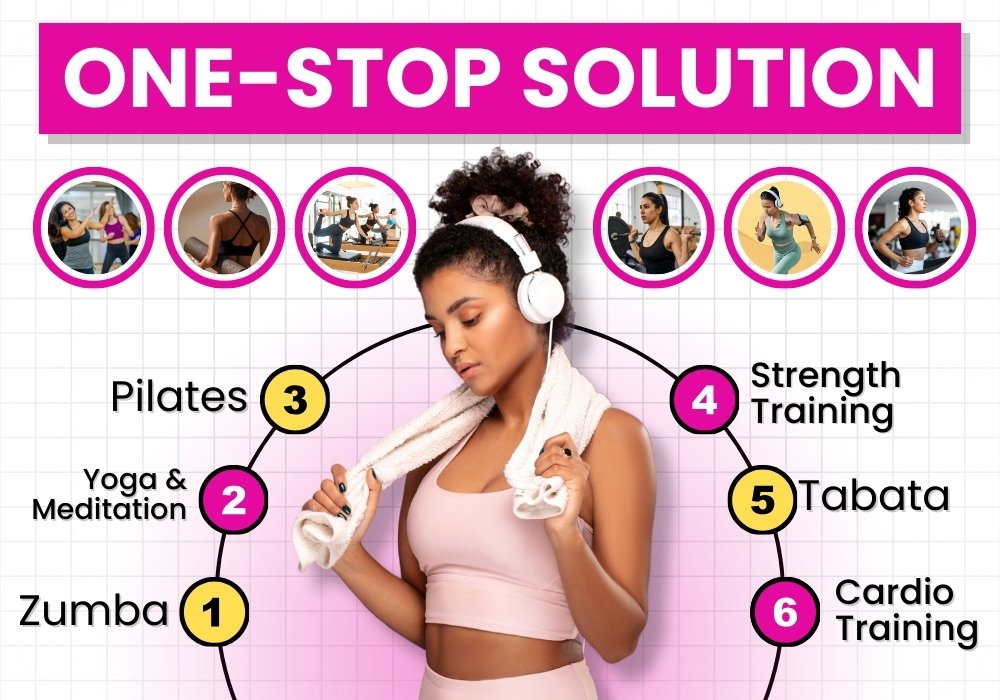
5. Beginner-Friendly Dance Workouts
Dance-based exercise can make physical activity more enjoyable for people who find conventional workouts repetitive.
If you enjoy Zumba or music‑based movement, consider starting with a low‑impact routine that allows you to control your pace. Choose movements that do not require jumping, rapid changes of direction, or sudden bursts of intense effort. Such gentle routines can also serve as safe exercise for high blood pressure patients, supporting fitness while reducing strain.
A beginner does not need to follow every movement perfectly. Prioritise comfortable movement, steady breathing, and safe technique.
However, a dance workout can become vigorous quickly. If you have high blood pressure, choose an appropriate intensity and obtain medical guidance before starting a demanding class.
How to Start Exercising Safely
The safest exercise routine is one that fits your medical needs and can be maintained consistently.
Step 1: Check whether you need medical clearance
Speak with your healthcare professional before starting a new programme if you have uncontrolled or significantly elevated blood pressure, known heart disease, dizziness, or another condition that may affect exercise safety.
Ask whether you have any restrictions on exercise intensity, resistance training, or particular movements.
Step 2: Start with a manageable duration
You do not need to begin with a 30-minute workout.
For example, if you have been cleared for activity, you might start with a 5–10-minute comfortable walk and gradually increase the duration as tolerated.
Your starting point should reflect your fitness and medical advice rather than someone else’s routine.
Step 3: Warm up and cool down
Spend several minutes moving gently before increasing your activity. At the end, slow down gradually instead of stopping abruptly.
Warming up and cooling down help your body transition between resting and exercising. A sudden stop after activity can cause an unwanted drop in blood pressure in some circumstances.
Step 4: Monitor how you feel
Pay attention to your breathing, balance, and overall comfort.
During moderate activity, many people can still speak in sentences, although they may breathe faster than usual. If you cannot speak comfortably, reduce the intensity.
If your clinician recommends checking your blood pressure before or after exercise, follow their instructions. Do not use a single reading as a substitute for medical advice.
Step 5: Build consistency before intensity
Once a comfortable routine becomes manageable, gradually increase your activity time if appropriate.
The American Heart Association recommends working toward at least 150 minutes of moderate aerobic activity per week for most adults, with activity spread across the week. This is a general target, not a requirement that every beginner should meet immediately. Gentle routines designed as exercise for high blood pressure patients can help individuals progress safely while supporting heart health.
A Simple Weekly Exercise Plan for Beginners
The following is an example of how a medically cleared beginner might organise gentle activity. It is not a personalised prescription, and the duration or activities may need to be adjusted.
| Day | Suggested activity | Example duration |
|---|---|---|
| Monday | Comfortable walking | 10–15 minutes |
| Tuesday | Gentle mobility and stretching | 10 minutes |
| Wednesday | Comfortable walking | 10–15 minutes |
| Thursday | Low-impact home movement | 10 minutes |
| Friday | Comfortable walking | 10–15 minutes |
| Saturday | Gentle stretching or an easy walk | 10–15 minutes |
| Sunday | Rest or comfortable everyday movement | As tolerated |
How to use this plan: Start with a duration that feels manageable and follow your healthcare professional’s recommendations. Increase the time gradually if your body tolerates the activity and you have no medical restrictions.
If you have been inactive for a long time, even a shorter routine may be a sensible beginning. The aim is to establish a safe habit, not to complete every session regardless of how you feel.
When Is the Best Time to Exercise?
For most people with high blood pressure who have been cleared for exercise, the best time is the time they can follow consistently and safely.
You could exercise in the morning before household responsibilities begin, during a lunch break, or in the evening after work. There is no need to force yourself into an early-morning routine if another time suits your schedule better.
Consider these practical points:
- Morning: Useful if you prefer finishing exercise before work or family commitments.
- Afternoon: May fit naturally into a lunch break or a gap between responsibilities.
- Evening: Can work well if it is the most convenient time for you.
- Hot weather: In India, avoid unnecessarily strenuous outdoor exercise during extreme heat. Choose a cooler time or a comfortable indoor space.
Allow enough time for a gradual warm-up and cool-down, and drink fluids as appropriate for your health needs. If your clinician has advised you to restrict fluids, follow that advice.
If you take blood pressure medication, ask whether it affects your response to exercise, particularly if you experience dizziness when standing or during activity.
Ultimately, regular activity at a manageable intensity is more useful than choosing a supposedly perfect workout time and then struggling to maintain the habit.
Best Time To Exercise For Type 2 Diabetes: What to Know
The Best Time To Exercise For Type 2 Diabetes depends on the individual’s blood glucose patterns, medication, meal schedule, daily routine, and response to physical activity.
The American Diabetes Association explains that physical activity can help manage blood glucose, but exercise may also increase the risk of low blood sugar for people taking insulin or certain glucose-lowering medicines.
For some people, a short walk after a meal is a convenient way to add movement to the day. The CDC gives a 10-minute walk after dinner as one example of a realistic starting goal.
If you have type 2 diabetes as well as high blood pressure, do not assume that a routine suitable for one condition is automatically suitable for both.
Keep these considerations in mind:
- Ask your healthcare team how to coordinate exercise with meals and medication.
- Check your blood glucose before or after activity when advised.
- Learn the warning signs of low blood sugar if your medication puts you at risk.
- Avoid changing medication doses to accommodate a workout without professional guidance.
- Choose an exercise time that fits your schedule and supports consistent participation.
This advice is particularly important if you are managing both diabetes and hypertension. Your healthcare team can help you develop a routine that accounts for both conditions. Safe and tailored exercise for high blood pressure patients can support heart health while accommodating individual medical needs.
Exercises and Mistakes to Approach With Caution
Exercise is beneficial for many people with hypertension, but not every activity or intensity is appropriate for every individual.
Avoid sudden, intense exercise when unprepared
Going straight from sitting all day to vigorous jumping, sprinting, or an intense dance workout can place unnecessary demands on your body.
Build up gradually and seek medical guidance before high-intensity exercise if you have hypertension or other cardiovascular risk factors.
Do not hold your breath during exertion
Holding your breath while lifting, pushing, or straining can raise blood pressure. Keep breathing steadily throughout each movement.
Do not ignore symptoms
Stop exercising if you develop chest discomfort, unusual shortness of breath, dizziness, faintness, or a sudden severe headache.
Seek urgent medical attention for concerning symptoms, particularly chest pain, fainting, or signs of a stroke. Do not try to exercise through them.
Do not treat exercise as a replacement for medication
Lifestyle changes can support blood pressure management, but medication may still be necessary. Never stop or change a prescribed treatment because you have started working out.
Do not increase intensity simply to sweat more
Sweating heavily does not prove that an exercise is more effective or safer. Focus on appropriate intensity, regular activity, and how you feel.
If you have a very high blood pressure reading, especially around 180/120 mmHg or higher, do not begin a workout to try to bring it down. Follow appropriate medical guidance promptly; if the reading is accompanied by symptoms such as chest pain, shortness of breath, weakness, vision changes, or difficulty speaking, seek emergency care.
How Busy Women Can Stay Consistent
For working women, homemakers, and mothers, finding time to exercise can be more difficult than choosing the exercise itself.
A routine becomes easier to maintain when it fits into your existing day.
Make exercise shorter when necessary
If you cannot find 30 uninterrupted minutes, divide your activity into shorter sessions. A short walk during a lunch break and another after dinner may fit better than one long workout.
Create a simple home workout space
You do not need a dedicated gym room. A clear area with enough space to move safely may be sufficient for gentle standing exercises or stretching.
Choose activities you enjoy
Some people prefer walking, while others enjoy gentle yoga or music-based movement. An activity you enjoy may be easier to repeat consistently.
Schedule exercise around existing commitments
For example, a working woman might walk after lunch, while a mother might choose a short session when childcare responsibilities allow. A homemaker might add a walk to a regular daily errand when the route is safe.
Seek appropriate guidance
If you are unsure which movements are suitable, ask your healthcare professional for exercise restrictions or recommendations. Where needed, work with a qualified fitness professional who can adapt the routine to those instructions. Understanding the best time to exercise for type 2 diabetes can also help improve blood sugar control and overall health outcomes.
For women who prefer exercising at home, online fitness classes can offer a convenient way to explore guided movement without travelling to a gym. However, a general online class is not automatically suitable for someone with uncontrolled hypertension or other medical limitations.
Conclusion
The right Exercise For High Blood Pressure Patients is one that matches your health needs, feels manageable, and can become part of your regular routine.
Walking, gentle home movements, stretching, and appropriately modified exercise may be useful starting points for many people. Begin gradually, breathe normally, warm up and cool down, and follow your healthcare professional’s advice about intensity and restrictions.
If your schedule is busy, start with a short session rather than waiting for the perfect time. Consistency matters, but safety comes first.
If you prefer working out from home, explore the available fitness options at Zylo Fitness. Choose a routine that suits your needs, and seek medical guidance before joining an exercise programme if you have high blood pressure or other health concerns.
FREQUENTLY ASKED QUESTIONS
1. Which exercise is best for people with high blood pressure?
Walking is a practical starting option for many people because it is easy to adjust to different fitness levels. Gentle home exercises and stretching may also be suitable. Your healthcare professional can help determine which activities are appropriate for your health.
2. How many minutes should I exercise daily if I have hypertension?
Many adults are encouraged to work toward 150 minutes of moderate aerobic activity per week. If you are a beginner, start with a shorter duration and increase gradually, provided your health and medical guidance allow it.
3. Is morning or evening exercise better for high blood pressure?
Neither time is universally best. Choose a time when you can exercise consistently and comfortably. Consider your medication schedule, weather conditions, daily responsibilities, and any advice from your healthcare professional.
4. Can I do Zumba if I have high blood pressure?
Possibly, depending on how well your blood pressure is controlled and the intensity of the class. Choose a low-impact, appropriately paced routine if your healthcare professional agrees. Avoid jumping into vigorous dance workouts without suitable guidance.
5. Can exercise replace blood pressure medication?
No. Exercise can support blood pressure management, but it does not automatically replace medication. Continue your prescribed treatment and consult your healthcare professional before making any changes.
6. Can I exercise at home if I have high blood pressure?
Yes, many people can exercise at home when their health and medical guidance allow it. Walking indoors, gentle standing movements, and appropriate stretching are potential options. Make sure your workout space is safe and stop if you experience concerning symptoms.