Anemia and low iron levels can affect energy, stamina, concentration and overall physical performance. Many people experience tiredness during everyday activities, while others notice breathlessness, dizziness or weakness when they try to exercise. For women who enjoy fitness, dancing, walking or strength training, these symptoms can make it difficult to maintain a regular workout routine.
Iron plays an important role in the production of hemoglobin, a protein found in red blood cells that carries oxygen throughout the body. When iron levels become too low, the body may not produce enough healthy red blood cells and hemoglobin. This can result in iron-deficiency anemia, which may reduce the amount of oxygen delivered to muscles and other tissues.
Although physical activity is important for overall health, exercising without understanding your condition can make symptoms worse. The right approach depends on the severity of anemia, its underlying cause, current symptoms and medical advice.
Understanding Exercise With Anemia is important for anyone who wants to remain active while protecting their health. Some individuals may be able to continue gentle activities, while others may need medical treatment and temporary restrictions before returning to regular workouts.
This guide explains how anemia affects exercise, which activities may be appropriate, what precautions to follow, how to recognise warning signs and how to gradually return to fitness activities such as dance workouts and strength training.
Understanding Anemia and Low Iron Levels
What Is Anemia?
Anemia is a condition in which the blood has insufficient healthy red blood cells or hemoglobin to carry oxygen effectively throughout the body.
Hemoglobin contains iron, which helps red blood cells transport oxygen from the lungs to different tissues. When hemoglobin levels are low, muscles may receive less oxygen during physical activity.
As a result, everyday movements and workouts can feel more difficult than usual.
Anemia can develop due to several reasons, including nutritional deficiencies, blood loss, chronic illnesses and inherited conditions. Iron-deficiency anemia is one of the common forms, but not every type of anemia is caused by low iron.
What Causes Iron Deficiency?
Iron deficiency develops when the body does not have enough iron to meet its requirements.
Common causes include:
- Insufficient iron intake through food.
- Heavy menstrual bleeding.
- Pregnancy and increased nutritional requirements.
- Blood loss from the digestive system.
- Poor iron absorption due to certain digestive conditions.
- Increased iron requirements during periods of growth.
- Certain chronic health conditions.
Women with heavy periods, pregnant women and individuals following restrictive diets may have a greater risk of developing iron deficiency.
Identifying the underlying cause is essential because simply changing the workout routine or eating more iron-rich foods may not be enough to correct the problem.
Common Symptoms of Anemia
The symptoms of anemia can vary depending on its severity and how quickly it develops.
Some common signs include:
- Persistent tiredness and low energy.
- Weakness during everyday activities.
- Shortness of breath during physical effort.
- Dizziness or light-headedness.
- Headaches.
- Pale skin.
- Cold hands and feet.
- Rapid heartbeat or noticeable palpitations.
- Difficulty concentrating.
- Reduced exercise endurance.
Some people with mild anemia may experience very few symptoms. Others may feel exhausted even after completing simple household activities.
Recognising these symptoms can help individuals understand when they should seek medical advice before continuing their usual workout routine.
How Anemia Affects Exercise Performance
Reduced Oxygen Delivery to Muscles
During exercise, muscles require additional oxygen to produce energy. Hemoglobin helps deliver this oxygen through the bloodstream.
When hemoglobin levels are low, the body may struggle to meet the increased oxygen demands of physical activity.
This can lead to early fatigue, reduced endurance and difficulty maintaining workout intensity.
For someone who previously enjoyed long walks or energetic dance sessions, even a shorter workout may suddenly feel challenging.
Increased Heart Rate and Breathing Effort
The body may compensate for reduced oxygen-carrying capacity by increasing heart rate and breathing effort.
Some individuals notice that their heart beats faster during activities that previously felt comfortable.
They may also experience breathlessness while climbing stairs, walking quickly or exercising.
These symptoms should not automatically be considered a normal result of poor fitness. They may indicate that anemia needs medical assessment.
Reduced Stamina and Recovery
Anemia can affect how long a person can exercise comfortably and how quickly they recover afterward.
You may feel tired sooner, require longer breaks or experience weakness after completing a workout.
This is why Exercise With Anemia should be approached carefully, particularly when symptoms are noticeable or the condition has not yet been treated.
The aim should be to maintain health and movement without placing unnecessary stress on the body.
Is Exercise Safe for People With Anemia?
Understanding Your Individual Condition
There is no single exercise recommendation that works for everyone with anemia.
A person with mild iron deficiency and no significant symptoms may have different exercise needs from someone with severe anemia, breathlessness or a rapid heartbeat.
Before starting a new fitness programme, consult a healthcare professional. Your doctor can review your blood test results, symptoms, medical history and treatment plan.
Depending on the situation, tests may include a complete blood count, hemoglobin, ferritin and other iron studies.
When Gentle Physical Activity May Be Appropriate
Some individuals with mild or treated anemia may be able to participate in comfortable, low-intensity activities after receiving medical advice.
Examples may include:
- Slow walking.
- Gentle stretching.
- Comfortable mobility exercises.
- Light cycling.
- Simple daily movement.
- Modified low-impact workouts.
The intensity should remain comfortable, and the individual should be able to stop whenever symptoms develop.
When Exercise Should Be Postponed
People with severe or symptomatic anemia may need to avoid structured workouts until their condition has been assessed and stabilised.
Do not begin or continue exercise if you experience significant breathlessness at rest, fainting, chest pain, severe dizziness or unusual weakness.
Exercise With Anemia should never involve pushing through serious symptoms in an attempt to improve stamina.
Medical treatment and appropriate recovery should come before returning to demanding fitness activities.
Best Types of Exercise to Consider
Walking
Walking is a simple physical activity that can be adjusted according to individual ability.
For people who have received medical clearance, short and comfortable walks may help maintain daily movement without requiring intense physical effort.
Start with a manageable duration and avoid walking too quickly or choosing difficult routes.
If you notice unusual breathlessness, dizziness or weakness, stop and seek appropriate advice.
Gentle Stretching
Stretching can help maintain flexibility and comfortable movement.
Simple neck, shoulder, back and leg stretches may be suitable for individuals who are medically cleared for gentle activity.
Avoid forcing a stretch or holding positions that cause dizziness or discomfort.
The purpose is to maintain mobility rather than achieve an intense workout.
Light Strength Training
Strength training can support muscle health and everyday functional ability.
However, individuals with anemia should discuss resistance exercise with their healthcare professional before starting.
When appropriate, light resistance movements may include supported squats, gentle arm exercises and basic bodyweight movements.
Start with low resistance, fewer repetitions and adequate recovery time. Avoid heavy lifting or strenuous circuits when your stamina is reduced.
Gentle Yoga and Breathing Exercises
Gentle yoga can help improve flexibility, body awareness and relaxation.
Choose comfortable positions that do not create excessive physical strain. Avoid demanding flows, prolonged holds and advanced poses if you feel weak or dizzy.
Breathing exercises may also help develop relaxation and breathing awareness, although they do not correct low hemoglobin or replace anemia treatment.
Exercise Precautions to Follow
Consult Your Doctor Before Starting
The most important precaution is understanding the severity and cause of anemia before beginning a structured exercise programme.
Ask your healthcare professional which activities are appropriate and whether you need to temporarily reduce workout intensity.
Discuss your symptoms, blood test results and any medication or iron supplementation you have been prescribed.
Start With Shorter Sessions
When exercise has been approved, shorter sessions may be easier to manage than long workouts.
A general approach sometimes used for medically cleared individuals is to begin with around 10–15 minutes of comfortable activity and progress gradually.
However, this is not a universal starting prescription. Your doctor may recommend less activity, more rest or a different approach depending on your condition.
Avoid High-Intensity Workouts Initially
High-intensity workouts can increase oxygen requirements and place additional demands on the cardiovascular system.
Activities involving rapid jumping, sprinting, intense cardio intervals and demanding strength circuits may not be suitable when anemia is causing symptoms.
Do not increase workout intensity simply because you want to burn more calories.
Take Frequent Breaks
Rest periods are important when your body is adjusting to physical activity.
Take breaks whenever needed instead of following a fixed exercise schedule.
Avoid continuing a session when fatigue becomes excessive or your breathing feels uncomfortable.
Stay Hydrated
Drink enough water throughout the day, particularly when exercising in warm weather.
Dehydration can contribute to weakness and dizziness, making exercise more uncomfortable.
Carry water during walks or other approved physical activities.
Pay Attention to Your Body
Monitor how you feel before, during and after exercise.
Notice whether your normal activities are becoming more difficult or whether you need significantly more recovery time.
Keeping a simple activity record can help you identify patterns and discuss changes with your healthcare professional.
Can You Do Zumba or Dance Workouts With Anemia?
Understanding the Physical Demands of Zumba
Zumba combines dance movements with aerobic exercise. Sessions may include continuous movement, quick footwork, changes in direction, jumps and repeated dance combinations.
These activities can increase heart rate and oxygen requirements.
For someone with anemia, especially when symptoms are present, an energetic dance workout may feel more demanding than expected.
This does not mean every person with low iron must avoid dancing. Suitability depends on the severity of the condition, symptoms, treatment progress and medical clearance.
Is Zumba Online Training Suitable?
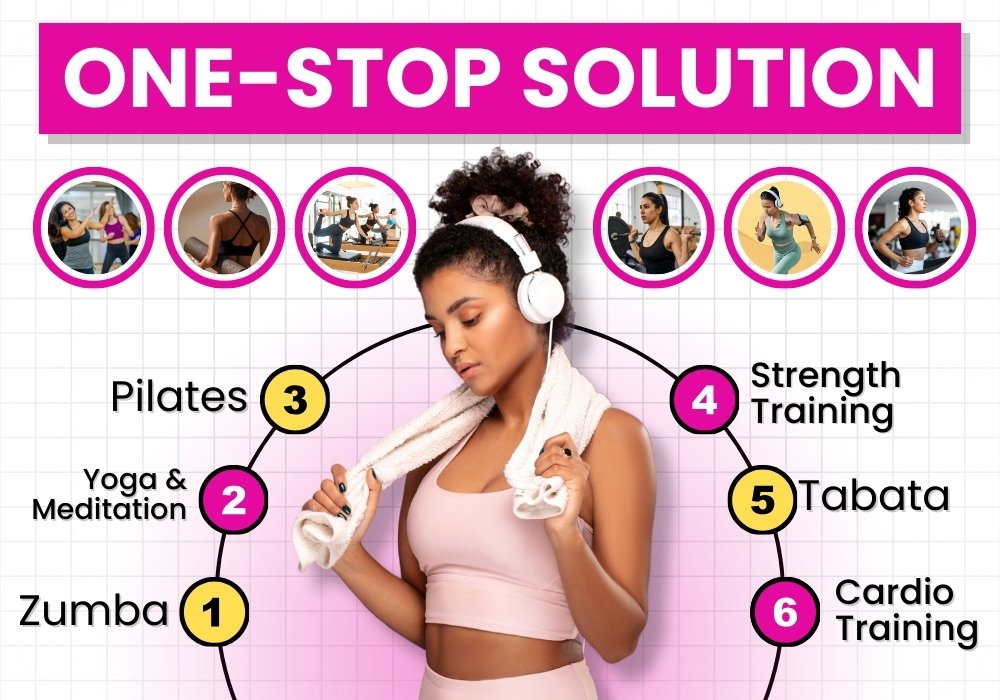
Zumba Online Training provides access to guided dance workouts from home. It can be convenient for people who prefer flexible fitness schedules and enjoy exercising with music.
However, online sessions are not automatically safe for someone with anemia. A recorded or live workout cannot independently assess your hemoglobin levels, oxygen needs or physical condition.
If you have been diagnosed with anemia, speak with your doctor before participating in energetic dance sessions.
Choosing Low-Impact Dance Movements
If your healthcare professional approves dance-based activity, consider modifications such as:
- Replacing jumps with simple steps.
- Avoiding rapid direction changes.
- Reducing the speed of dance combinations.
- Taking breaks between songs.
- Avoiding continuous high-intensity movement.
- Choosing shorter sessions.
- Stopping if unusual symptoms develop.
These adjustments may make activity more manageable, but they do not replace medical clearance.
When to Return to Regular Dance Fitness
Returning to regular dance workouts should be based on improvements in symptoms, treatment progress and medical advice.
Some individuals may gradually increase activity as their iron deficiency is corrected. Others may require additional investigation or treatment before resuming energetic exercise.
Zumba Online Training can be considered again when a healthcare professional confirms that the individual is ready for the physical demands of the session.
Nutrition Tips for Supporting Iron Levels
Include Iron-Rich Foods
Nutrition plays an important role in maintaining healthy iron levels.
Include a variety of iron-containing foods in your regular meals.
Some useful food choices include:
- Spinach and other dark-green leafy vegetables.
- Lentils and chickpeas.
- Kidney beans and other pulses.
- Sesame and pumpkin seeds.
- Fortified breakfast cereals.
- Meat and seafood, if included in your diet.
- Eggs and other nutritious foods.
Plant-based iron is generally less easily absorbed than iron from animal sources. Including a variety of iron-rich foods can help support overall nutritional intake.
Combine Iron With Vitamin C
Vitamin C helps improve the absorption of non-heme iron found in plant foods.
You can combine iron-containing foods with vitamin C sources such as:
- Amla.
- Guava.
- Oranges.
- Lemons.
- Tomatoes.
- Capsicum.
- Other fresh fruits and vegetables.
For example, adding lemon to a lentil or chickpea meal can help improve iron absorption.
Be Careful With Tea and Coffee
Tea and coffee contain compounds that can reduce iron absorption when consumed with meals.
People managing iron deficiency may benefit from avoiding tea or coffee close to iron-rich meals or prescribed iron supplements.
Ask your healthcare professional about suitable timing, especially if you are receiving treatment for iron-deficiency anemia.
Do Not Take Iron Supplements Without Advice
Iron supplements can be useful when iron deficiency is confirmed, but taking unnecessary or excessive amounts can cause side effects and potentially lead to harmful iron accumulation.
A healthcare professional should determine whether supplementation is needed and recommend the appropriate dose and duration.
Also remember that not all anemia is caused by iron deficiency. Taking iron without identifying the cause may delay appropriate treatment.
How to Plan a Balanced Fitness Routine
Focus on Recovery First
When managing anemia, the first priority should be identifying the cause and following the recommended treatment.
Do not treat exercise as a replacement for iron therapy or other medical care.
Once physical activity is approved, build a routine around comfortable movement and adequate recovery.
Example of a Gentle Weekly Activity Structure
The following example is for individuals whose healthcare professionals have approved light activity. It is not suitable for people with severe or symptomatic anemia without individual medical guidance.
| Day | Suggested Activity |
|---|---|
| Monday | Short, comfortable walk |
| Tuesday | Gentle stretching and mobility |
| Wednesday | Rest or normal daily movement |
| Thursday | Light walking |
| Friday | Gentle yoga or mobility |
| Saturday | Short walk with adequate breaks |
| Sunday | Rest and recovery |
The duration and intensity should be adjusted according to symptoms and professional recommendations.
Increase Activity Gradually
Avoid making several changes at once.
If you are comfortable with your current activity level, your healthcare professional may recommend gradually increasing the duration or frequency.
Do not increase intensity when you are still experiencing unusual fatigue or breathlessness.
Exercise With Anemia should remain flexible because energy levels and recovery can change during treatment.
Warning Signs: When to Stop Exercising
Recognise Symptoms During a Workout
Stop exercising immediately if you experience:
- Chest pain or tightness.
- Severe dizziness or feeling faint.
- Unusual or worsening shortness of breath.
- A racing or irregular heartbeat.
- Sudden weakness.
- Unusual sweating accompanied by feeling unwell.
- Severe fatigue that is disproportionate to the activity.
Do not try to finish the workout after experiencing these warning signs.
When to Seek Medical Attention
Chest pain, fainting, severe breathing difficulty or other serious symptoms require urgent medical evaluation.
Even less severe symptoms, such as increasing fatigue, frequent dizziness or worsening exercise tolerance, should be discussed with your doctor.
Exercise With Anemia must be guided by safety rather than workout targets, step counts or calorie goals.
Common Exercise Mistakes People With Anemia Should Avoid
Ignoring Persistent Fatigue
Feeling tired all the time should not be dismissed as a normal part of a busy lifestyle.
Persistent fatigue can be associated with anemia and other health conditions. Medical assessment is important before increasing physical activity.
Copying Someone Else’s Workout
A workout that feels comfortable for one person may be too demanding for another.
Fitness levels, hemoglobin levels, symptoms and underlying medical conditions can vary considerably.
Choose activities according to your own medical advice rather than copying an instructor or friend’s routine.
Skipping Meals Before Exercise
Exercising without adequate nutrition may make weakness and low energy more noticeable.
Maintain balanced meals and follow your healthcare professional’s dietary recommendations.
If you are taking iron supplements, follow the prescribed instructions.
Trying to Compensate With Intense Exercise
Some people attempt to burn more calories by increasing workout intensity when they cannot exercise for long.
This approach may increase fatigue and make recovery more difficult.
A gradual and medically appropriate routine is a better option.
Treating Iron Deficiency as a Fitness Problem
Anemia is a medical condition, not simply a lack of stamina.
Exercise can support general health, but it cannot independently correct significant iron deficiency or address underlying blood loss.
Medical treatment must remain the priority.
Benefits of Returning to Fitness Gradually
Improving Daily Movement
Once the underlying condition is being managed and activity is medically approved, regular movement may help maintain mobility and general physical fitness.
Simple activities such as walking and stretching can support an active lifestyle.
Supporting Mental Well-Being
Living with persistent fatigue can affect motivation and confidence.
Enjoyable activities, when medically appropriate, may support mood, relaxation and a sense of routine.
Building Confidence With Consistency
Returning to fitness does not require immediately achieving your previous workout level.
Small improvements in comfort, stamina and daily movement can help rebuild confidence.
For women who enjoy dance fitness, Zumba Online Training may eventually become an enjoyable option after medical clearance and appropriate progression.
The goal is to make physical activity a sustainable part of life without ignoring your body’s needs.
Frequently Asked Questions
Can I exercise if I have anemia?
Some individuals with mild or treated anemia may be able to exercise after medical assessment. However, people with severe anemia or significant symptoms may need to postpone workouts until their condition is stabilised.
Is walking good for people with low iron?
Walking may be appropriate for medically cleared individuals because its intensity and duration can be adjusted. Start comfortably and stop if you experience dizziness, unusual breathlessness or weakness.
Can anemia make exercise more difficult?
Yes. Low hemoglobin can reduce oxygen delivery to muscles, making exercise feel more demanding. Fatigue, breathlessness and reduced endurance are common symptoms.
Can I do Zumba if my iron levels are low?
It depends on whether you have iron deficiency alone or iron-deficiency anemia, how severe the condition is and whether you have symptoms. Ask your doctor before participating in energetic dance workouts.
Is Zumba Online Training safe for beginners with anemia?
Zumba Online Training is not automatically suitable for people with anemia. Even beginner sessions may involve continuous aerobic movement. Medical clearance and appropriate intensity modifications are important.
Which foods help improve iron levels?
Iron-containing foods include lentils, beans, leafy vegetables, fortified cereals, seeds, meat and seafood. Vitamin C-rich foods can help improve the absorption of plant-based iron.
Should I take iron tablets before exercising?
Iron supplements should only be taken when recommended by a healthcare professional. They are not an immediate energy booster and should not be used to prepare for a workout.
Can exercise cure iron-deficiency anemia?
No. Exercise does not replace the treatment of iron-deficiency anemia. The underlying cause must be identified and managed through appropriate medical care, nutrition and prescribed treatment.
When can I return to high-intensity workouts?
There is no universal timeline. Your doctor should assess your symptoms, treatment response and overall health before you return to strenuous activities.
Should I stop exercising if I feel dizzy?
Yes. Stop the activity, sit or lie down safely and seek medical advice. Severe dizziness, fainting, chest pain or significant breathing difficulty requires urgent medical attention.
Final Thoughts
Managing anemia and low iron levels requires a balanced approach that combines medical care, appropriate nutrition and sensible physical activity. Although exercise supports general health, the intensity and type of workout should reflect your current condition.
Start by understanding the cause of anemia, completing recommended blood tests and following your healthcare professional’s treatment advice. Once cleared for physical activity, begin with comfortable movements, take adequate breaks and gradually build your fitness routine.
Remember that Exercise With Anemia should never mean pushing through dizziness, severe fatigue or breathlessness. Listening to your body and respecting recovery are essential parts of a healthy fitness journey.
For women who enjoy dance-based workouts, Zumba Online Training may provide an enjoyable fitness option when their health condition is stable and their doctor has approved the activity.
At Zylo Fitness, staying active should always go hand in hand with making informed fitness choices. Whether you prefer walking, gentle stretching, strength training or dance workouts, prioritise your health and choose an activity level that supports your overall well-being.