

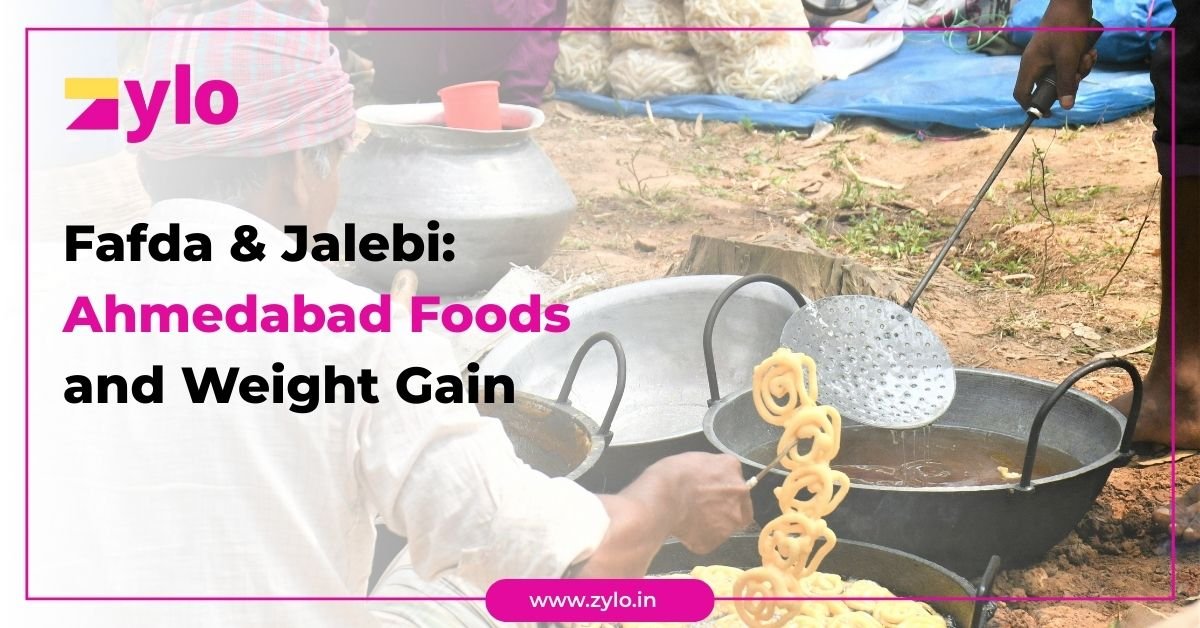
Ahmedabad, Gujarat’s largest city and a thriving commercial hub, boasts a rich culinary heritage that reflects the state’s vibrant culture and traditions. Among the city’s most beloved food combinations, fafda and jalebi hold a special place in the hearts of Amdavadis. This iconic Sunday breakfast pairing has transcended mere food to become a cultural institution—a weekly ritual that brings families and communities together. However, for those concerned about weight management and health, understanding the nutritional impact of this beloved combination, along with other popular Ahmedabad fast food options, is crucial for making informed dietary choices.
The Fafda-Jalebi Tradition
The tradition of consuming fafda and jalebi in Ahmedabad on Sunday mornings is deeply embedded in the city’s social fabric. From the legendary establishments in the old city’s pols to modern eateries across the expanding urban landscape, the Sunday fafda-jalebi ritual attracts thousands of residents who queue patiently for their favorite varieties. This isn’t just breakfast—it’s a celebration, a community gathering, and an affirmation of Gujarati identity.
Fafda in Ahmedabad consists of crispy, deep-fried strips made from gram flour (besan), seasoned with spices like carom seeds and black pepper. These golden, crunchy strips are traditionally served with green chutney and raw papaya sambharo. The accompanying jalebi in Ahmedabad features deep-fried wheat flour or maida batter shaped into circular coils and soaked in sugar syrup, creating the sweet complement to fafda’s savory crunch.

The Caloric Reality
Understanding the weight gain impact of fafda and jalebi begins with examining their nutritional profiles. A typical Sunday breakfast serving of fafda in Ahmedabad contains approximately 300-400 calories, entirely from deep-fried gram flour. While gram flour provides some protein and is more nutritious than refined flour, the deep-frying process negates many benefits by adding substantial fat calories—often from reheated oils that create harmful trans fats.
Jalebi in Ahmedabad adds another 300-400 calories per serving, primarily from refined flour and concentrated sugar. Each piece of jalebi soaks up sugar syrup like a sponge, resulting in extraordinarily high sugar content that causes massive blood glucose spikes. A typical breakfast combination of fafda and jalebi totals 600-800 calories—before accounting for the accompanying chai with sugar, which adds another 80-100 calories.
For context, an average adult woman requires approximately 1,800-2,000 calories daily for weight maintenance. A single Sunday fafda-jalebi breakfast consumes 40-45% of daily caloric needs in one meal, leaving limited room for nutritious foods throughout the remainder of the day. When this pattern is repeated weekly—or more frequently, as many Amdavadis indulge in this combination beyond just Sundays—significant weight gain becomes nearly inevitable.
The Sugar-Fat Combination
The fafda-jalebi combination represents one of the most problematic food pairings from a weight management perspective: the simultaneous consumption of high-fat and high-sugar. This combination triggers particularly strong dopamine responses in the brain’s reward centers, creating powerful cravings and potential addictive eating patterns.
When consumed together, the fat from fafda slows digestion while the sugar from jalebi in Ahmedabad causes rapid insulin spikes. This creates a prolonged insulin elevation that keeps the body in fat-storage mode for hours after consumption. The insulin response signals cells to stop burning stored fat and instead prioritize storing incoming calories as body fat—particularly around the abdomen, where insulin-sensitive fat cells predominate.
The refined flour in jalebi has an extremely high glycemic index, causing blood sugar to rise almost as rapidly as consuming pure glucose. For individuals with existing insulin resistance or those developing pre-diabetes—increasingly common conditions among urban Indians—regular consumption of jalebi in Ahmedabad significantly worsens metabolic dysfunction and accelerates progression toward type 2 diabetes.
Ahmedabad Fast Food: Beyond Tradition
While fafda-jalebi represents traditional Gujarati cuisine, Ahmedabad fast food has expanded dramatically to include numerous other weight-gain-promoting options. The city’s growing urban population has embraced contemporary fast-food culture alongside traditional foods, creating diverse culinary choices that, unfortunately, share similar nutritional challenges.
Popular Ahmedabad fast food options include samosas, kachoris, dhokla sandwiches, pizza, burgers, Chinese-Indian fusion dishes, and various fried snacks available at the city’s numerous food courts and street vendors. From the bustling streets of Manek Chowk to the modern food courts in malls like Ahmedabad One, Ahmedabad fast food offerings cater to every taste and budget.
However, most Ahmedabad fast food shares common characteristics that promote weight gain: high caloric density, excessive refined carbohydrates, unhealthy fats from deep-frying, minimal protein relative to calories, insufficient fiber, and high sodium content. The convenient accessibility and affordable pricing of Ahmedabad fast food make these options tempting daily choices rather than occasional indulgences—creating eating patterns that significantly contribute to the obesity epidemic affecting urban India.
The Frequency Factor
The weight gain impact of fafda-jalebi and Ahmedabad fast food isn’t just about individual food items but about consumption frequency. While a single Sunday fafda-jalebi breakfast might be accommodated within a balanced weekly diet, the reality for many Amdavadis involves much more frequent consumption.
Many residents consume fafda in Ahmedabad multiple times weekly, not just on Sundays. Similarly, jalebi in Ahmedabad is eaten at various occasions—festivals, celebrations, evening snacks, and whenever cravings strike. When combined with other Ahmedabad fast food consumed throughout the week, the cumulative caloric excess becomes substantial.
A pattern of consuming fafda-jalebi weekly (700 calories), plus fast food lunches three times weekly (2,400 calories total), and evening snacks twice weekly (600 calories total) adds approximately 3,700 extra calories weekly—enough to gain approximately 0.5 kg of body fat per week, or roughly 2 kg per month. Over a year, this eating pattern could result in 20-25 kg of weight gain without any reduction in other meals or physical activity.
Impact on Women’s Health
For Ahmedabad’s women, regular consumption of fafda-jalebi and Ahmedabad fast food presents particular health challenges. The excessive sugar in jalebi directly impacts hormonal balance, potentially worsening PCOS symptoms that affect approximately 15-20% of Indian women. The insulin resistance promoted by chronic high-sugar, high-fat food consumption disrupts reproductive hormones, causing irregular periods, difficulty losing weight, and increased abdominal fat accumulation.
The inflammatory ingredients in deep-fried foods interfere with thyroid function, which disproportionately affects women. Subclinical hypothyroidism is remarkably common among Indian women, and dietary inflammation from regular consumption of fried foods worsens this condition, reducing metabolic rate and causing unexplained weight gain that resists conventional diet and exercise efforts.
Additionally, the micronutrient deficiencies created when Ahmedabad fast food displaces nutritious home-cooked meals particularly impact women’s health. Inadequate iron, calcium, and B-vitamins affect energy levels, bone health, and overall wellbeing—making consistent exercise and healthy lifestyle maintenance increasingly difficult.
Children and Adolescents
The normalization of fafda-jalebi as a regular breakfast and the ubiquity of Ahmedabad fast food significantly impact Ahmedabad’s younger generation. Children and adolescents who grow up consuming these foods regularly develop taste preferences for high-fat, high-sugar, high-salt foods that make transitioning to healthier eating patterns as adults extremely challenging.
Childhood obesity rates in urban India, including Ahmedabad, have risen dramatically over the past two decades. The combination of sedentary lifestyles with regular consumption of calorie-dense, nutrient-poor foods like fafda-jalebi and Ahmedabad fast food creates metabolic dysfunction at increasingly young ages—setting the stage for chronic disease throughout life.
The Solution: Online Zumba Classes Ahmedabad With Fees
For Ahmedabad residents seeking effective strategies to counteract weight gain from fafda-jalebi and Ahmedabad fast food consumption, online Zumba classes Ahmedabad with fees offer accessible, enjoyable fitness solutions. Online Zumba classes Ahmedabad with fees typically range from ₹500-2,000 monthly depending on class frequency, instructor expertise, and additional features like personalized coaching or nutrition guidance.
A single hour-long Zumba session burns approximately 400-600 calories—effectively offsetting an entire fafda-jalebi breakfast. The dance-based format makes exercise genuinely enjoyable rather than a chore, dramatically improving long-term adherence. Many talented Ahmedabad-based instructors offer online Zumba classes Ahmedabad with fees at various price points, making quality fitness instruction accessible regardless of budget constraints.
The metabolic benefits of regular Zumba participation extend significantly beyond calorie burning. Regular exercise improves insulin sensitivity—directly counteracting the insulin resistance promoted by regular consumption of sugar-laden foods like jalebi in Ahmedabad. Cardiovascular exercise enhances the body’s ability to process carbohydrates efficiently and improves fat oxidation rates. Furthermore, Zumba’s stress-reducing effects lower cortisol levels, combating stress-induced weight gain common among urban residents.
The affordability of online Zumba classes Ahmedabad with fees makes fitness accessible to broader populations. Compared to expensive gym memberships or personal training sessions, zumba classes with fees provide excellent value while eliminating travel time and schedule constraints. Many instructors offer trial classes or flexible payment options, allowing individuals to find the right fit before committing financially.
Practical Strategies for Balance
Enjoying Ahmedabad’s beloved fafda-jalebi tradition while managing weight requires strategic approaches. Limiting consumption to genuine special occasions rather than every Sunday immediately reduces caloric impact. Sharing portions with family members rather than consuming entire servings alone naturally controls intake. Skipping the sugary chai or replacing it with unsweetened options eliminates 80-100 unnecessary calories.
Balancing indulgent meals with nutrient-dense eating throughout the week—emphasizing protein, vegetables, and whole grains—ensures overall diet quality remains healthy. Combining these dietary strategies with consistent participation in online Zumba classes Ahmedabad with fees creates a sustainable lifestyle approach that honors cultural food traditions while effectively supporting weight management goals.
Conclusion
Fafda and jalebi, Ahmedabad’s beloved Sunday breakfast tradition, along with the city’s diverse Ahmedabad fast food options, significantly contribute to weight gain through excessive calories, sugar-fat combinations, and frequent consumption patterns. However, complete elimination isn’t necessary or culturally appropriate. Understanding nutritional impacts and implementing strategic moderation combined with regular participation in affordable online Zumba classes in Ahmedabad with fees empowers Amdavadis to enjoy their culinary heritage while successfully maintaining a healthy weight and long-term wellbeing.