

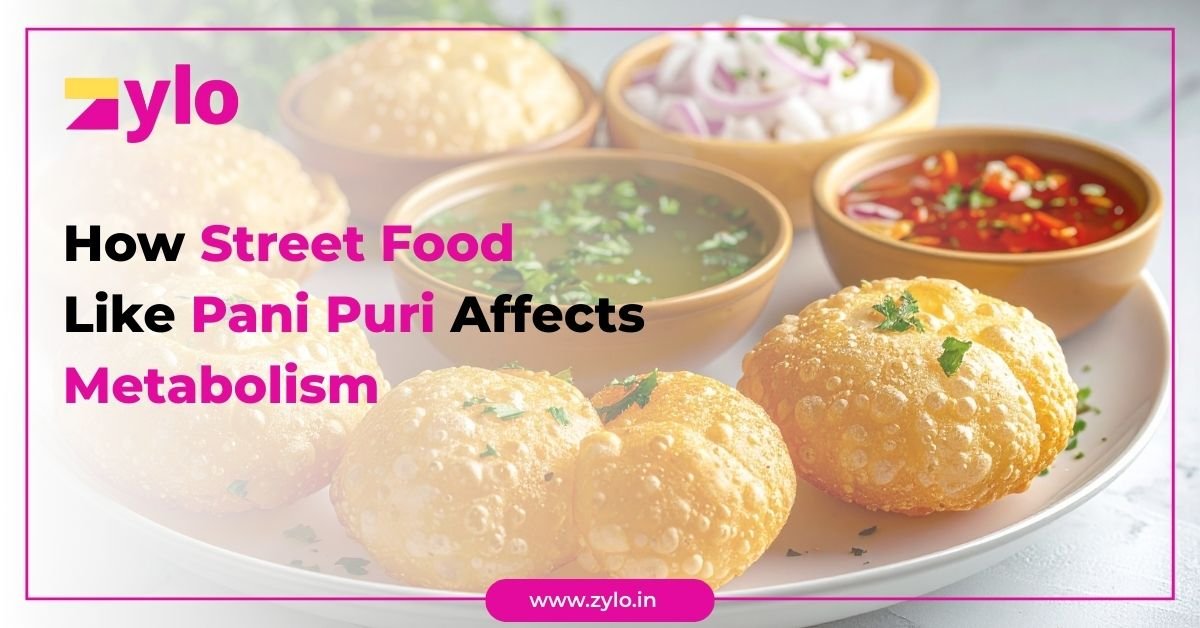
India’s vibrant street food culture represents more than culinary tradition—it’s a social phenomenon, an economic ecosystem, and for millions, a daily dietary staple. From bustling Mumbai chaat corners to Delhi’s legendary street vendors, from Kolkata’s phuchka stalls to Bangalore’s thriving food streets, street food in India forms an integral part of the national food landscape. Among these beloved offerings, pani puri in India stands out as perhaps the most iconic—crispy spheres filled with spiced water, tangy tamarind chutney, chickpeas, and potatoes that create an explosion of flavours with each bite. Yet beneath the delicious experience lies an important question that health-conscious Indians increasingly ask: how does regular consumption of street food like pani puri actually affect our metabolism? Understanding this relationship helps us make informed choices about balancing cultural food traditions with wellness goals, especially for those pursuing active lifestyles that might include fitness activities with varying costs like Zumba pricing in India, and options for staying fit.

Understanding Metabolism Basics
Before examining street food’s specific effects, let’s clarify what metabolism actually means. Your metabolism encompasses all chemical processes that convert food into energy, maintain cellular function, and support bodily processes. Your metabolic rate—how quickly you burn calories—depends on factors such as age, gender, muscle mass, genetics, activity level, and, crucially, what you eat.
Certain foods and eating patterns can temporarily boost or slow metabolic rate through various mechanisms, including the thermic effect of food (energy required to digest different nutrients), blood sugar and insulin responses that affect fat storage versus burning, inflammation levels that can impair metabolic efficiency, and gut microbiome health that influences nutrient absorption and metabolic signalling.
Street foods like pani puri impact metabolism through all these pathways, sometimes beneficially, often detrimentally, depending on ingredients, preparation methods, and consumption frequency.
The Metabolic Profile of Pani Puri
Let’s break down a typical serving of pani puri to understand its metabolic effects:
The Puri (Crispy Shell): Made from refined wheat flour or semolina, deep-fried until crispy. These provide quick-burning carbohydrates with minimal fibre or nutrients. The refined carbohydrates cause rapid blood sugar spikes, triggering insulin release that promotes fat storage and, over time, can lead to insulin resistance—a condition that fundamentally slows metabolism.
The deep-frying process also matters metabolically. When oils are reused repeatedly (a common practice at street stalls), they accumulate trans fats and oxidised compounds that promote inflammation. Chronic inflammation impairs insulin signalling and metabolic efficiency, essentially creating metabolic drag that makes weight management more difficult.
The Filling (Potatoes and Chickpeas): The starchy potato filling provides additional quick carbohydrates, while chickpeas offer some protein and fibre that help moderate the blood sugar response. The metabolic impact depends heavily on proportions—more chickpeas relative to potatoes creates a better metabolic profile.
The Pani (Spiced Water): Interestingly, this component offers some metabolic benefits. The spices commonly used—cumin, black salt, mint, coriander, chilli—contain compounds that can enhance metabolic rate. Capsaicin from chillies increases thermogenesis (heat production), temporarily boosting calorie burning. Cumin aids digestion and may improve insulin sensitivity. Mint supports digestive enzyme production.
The Chutneys (Tamarind and Date): These sweet-tangy additions are typically high in sugar, which can increase overall glycemic load, stress insulin response, and promote fat storage when consumed regularly.
Blood Sugar Rollercoaster and Metabolic Consequences
The most significant metabolic impact of pani puri in India and similar street foods is their effect on blood sugar regulation. A typical serving provides a concentrated hit of refined carbohydrates and sugars with minimal protein, healthy fats, or fibre to slow absorption.
This creates a blood sugar spike within 30-60 minutes of consumption. Your pancreas responds by flooding your bloodstream with insulin, which helps transport glucose into cells. This insulin surge promotes fat storage, particularly abdominal fat, and temporarily shuts down fat burning—your body prioritises using the incoming glucose rather than stored fat for energy.
Within a few hours, blood sugar crashes below baseline, creating intense cravings for more quick carbohydrates. This rollercoaster pattern, repeated regularly, leads to metabolic adaptations including increased insulin resistance, elevated baseline insulin levels that promote fat storage, reduced fat-burning capacity, and disrupted hunger-satiety signalling that promotes overeating.
For individuals trying to manage weight or improve body composition—perhaps through regular exercise like dance fitness classes, where Zumba pricing in India ranges from ₹500 to ₹2000 monthly, depending on location and facility—this metabolic interference can significantly undermine their efforts.
The Hygiene Factor and Metabolic Health
Beyond nutritional composition, the hygiene standards of many street food vendors in India create additional metabolic concerns. Contaminated food can introduce harmful bacteria that disrupt gut microbiome balance. Your gut microbiome—the trillions of bacteria in your digestive system—profoundly influences metabolism through multiple mechanisms.
Research shows that gut dysbiosis (bacterial imbalance) is associated with obesity, insulin resistance, chronic inflammation, and impaired nutrient absorption. Regular consumption of street food prepared without adequate hygiene can gradually shift your microbiome composition toward metabolically unfavourable states.
Food poisoning episodes, while immediately unpleasant, also cause longer-term metabolic disruptions through intestinal inflammation, temporary nutrient malabsorption, and elevated stress hormones that affect metabolic rate for weeks afterwards.
Portion Control Challenges
Street food culture in India often encourages the consumption of multiple items in a single sitting—perhaps pani puri, then pav bhaji, and finally kulfi for dessert. This pattern creates metabolic challenges beyond the impact of any single food.
Large mixed meals of primarily refined carbohydrates and fats overwhelm digestive capacity, leading to incomplete digestion and blood sugar chaos. The body cannot efficiently process this nutrient flood, leading to increased fat storage and metabolic stress.
Additionally, the social and sensory appeal of street food can override satiety signals. The intense flavours, varied textures, and enjoyable atmosphere encourage eating beyond physical hunger—a pattern that gradually impairs your body’s natural metabolic regulation.
Timing Matters: When Street Food Affects Metabolism Most
The metabolic impact of pani puri in India and similar foods varies significantly based on when you consume them:
Evening/Night Consumption: Most problematic metabolically. Your body’s insulin sensitivity decreases as the day progresses, meaning the same carbohydrate load causes larger blood sugar spikes and more fat storage when eaten at night versus morning. Additionally, lying down shortly after eating impairs digestion and promotes acid reflux.
Post-Workout: Ironically, immediately after intense exercise (like an energetic Zumba class) is one of the few times when pani puri’s quick carbohydrates could serve a purpose—rapidly replenishing depleted glycogen stores when insulin sensitivity is temporarily enhanced. However, the lack of protein and potential hygiene issues still make it suboptimal compared to purpose-designed recovery nutrition.
On Empty Stomach: Consuming concentrated carbohydrates without any protein or fat buffer creates the most dramatic blood sugar spikes and subsequent crashes, maximum metabolic disruption.
The Metabolic Cost of Regular Consumption
Occasional indulgence in street food—perhaps weekly or biweekly—poses minimal metabolic concerns for otherwise healthy individuals with balanced diets and active lifestyles. The body can easily handle and recover from occasional nutritional deviations.
However, daily or multiple-times-weekly consumption creates cumulative metabolic damage, including progressive insulin resistance that slows metabolism, chronic low-grade inflammation that impairs metabolic efficiency, disrupted appetite regulation, making portion control difficult, and nutritional deficiencies from displaced whole foods that would support metabolic health.
For someone investing in fitness—whether through gym memberships, regular yoga practice, or considering affordable options where Zumba pricing in India makes group fitness accessible—frequent street food consumption can significantly undermine the metabolic benefits of that exercise investment.
Not All Street Food Is Equally Problematic
It’s important to note that street food in India encompasses an enormous variety, and metabolic impacts vary considerably:
Better Metabolic Options: Grilled corn (bhutta) provides fibre and nutrients with a moderate glycemic impact. Roasted chickpeas (chana) provide protein and fibre, helping maintain stable blood sugar levels. Fruit chaat with minimal added sugar provides vitamins and natural sweetness. Steamed preparations like idli or dhokla (though less common as street food) offer better macronutrient balance.
Worse Metabolic Options: Deep-fried items like samosas, pakoras, and vada concentrate calories and promote blood sugar spikes. Sugar-heavy options like jalebi or gulab jamun provide minimal nutrition while causing significant metabolic disruption. Items with refined flour bases and creamy sauces combine problematic carbohydrates with inflammatory fats.
Pani Puri falls somewhere in the middle—not the absolute worst option but far from optimal for metabolic health, especially with regular consumption.
Balancing Culture, Pleasure, and Metabolic Health
Understanding metabolism doesn’t require abandoning beloved foods or rejecting cultural traditions. Instead, informed awareness enables better choices:
Frequency Moderation: Limit street food to occasional treats rather than dietary staples—perhaps once weekly rather than daily.
Portion Awareness: Enjoy a smaller serving (maybe 3-4 pani puris instead of 8-10) alongside more balanced foods rather than making it a complete meal.
Timing Strategy: Consuming street food earlier in the day creates less metabolic disruption than evening snacking.
Activity Balance: On days you indulge in higher-calorie street foods, prioritise physical activity—maybe an extra walk or that Zumba class you’ve been considering, with affordability made easier by competitive Zumba pricing in India options in many cities.
Compensatory Nutrition: Follow street food consumption with meals emphasising vegetables, lean proteins, and whole grains to rebalance overall nutrition and support metabolic recovery.
The Bigger Picture: Lifestyle and Metabolic Health
Street food consumption exists within broader lifestyle contexts. Someone who regularly exercises, maintains generally healthy eating patterns, manages stress effectively, and gets adequate sleep can metabolically accommodate occasional pani puri in India indulgences far better than someone with a sedentary lifestyle and poor overall nutrition.
This is where comprehensive wellness approaches prove valuable—investing in regular physical activity—whether traditional gym workouts, yoga classes, running, or group fitness options —where accessible Zumba pricing in India makes dance fitness affordable—builds metabolic resilience that provides a buffer against occasional dietary indiscretions.
Similarly, prioritising whole foods most of the time, staying adequately hydrated, managing stress through mindfulness or meditation, and ensuring sufficient sleep all support robust metabolic function that can handle periodic challenges posed by less-optimal food choices.
Conclusion
Street food in India, with iconic offerings like pani puri, represents cherished cultural traditions that provide pleasure, social connection, and culinary adventure. However, understanding these foods’ metabolic effects empowers better decision-making that honours both tradition and health.
The concentrated refined carbohydrates, deep-fried preparation, high sugar content, and potential hygiene concerns create metabolic challenges, including blood sugar dysregulation, insulin resistance, inflammation, and gut microbiome disruption when consumed frequently. These effects can significantly undermine fitness and wellness efforts, including structured exercise programs that Indians increasingly pursue for health.
The solution isn’t complete avoidance but rather informed moderation—enjoying these foods occasionally as treats while building metabolic resilience through regular physical activity, balanced nutrition, adequate sleep, and stress management. This balanced approach allows you to honour cultural food traditions while still supporting your metabolic health and overall wellness goals. After all, sustainable health isn’t about perfection but about finding the equilibrium where pleasure and wellbeing coexist harmoniously.