

Indian cuisine is globally celebrated for its complex flavours, aromatic spices, and incredible diversity. Among its many culinary treasures, Indian sweets hold a particularly special place—not just as desserts but as integral components of celebrations, religious ceremonies, festivals, and social gatherings. From weddings to Diwali, from birth celebrations to temple offerings, sweets symbolize joy, prosperity, and community. However, this cultural significance comes with a nutritional reality that significantly impacts health and weight management. Understanding the truth about Indian sweets’ weight gain, particularly focusing on one of the most beloved varieties—gulab jamun—is essential for anyone seeking to balance cultural traditions with personal fitness goals.

The Cultural Significance of Indian Sweets
Before examining the nutritional concerns, it’s important to acknowledge why Indian sweets matter so deeply. In Indian culture, offering sweets represents hospitality, celebration, and blessing. Refusing sweets during festivals or celebrations can be perceived as rejecting goodwill or distancing oneself from the community. This cultural dimension makes the relationship between Indian sweets and health particularly complex—it’s not merely about individual dietary choices but about navigating cultural expectations and personal wellbeing simultaneously.
Indian sweets vary tremendously across regions—from Bengali rasgulla and sandesh to Gujarati mohanthal, Rajasthani ghevar, South Indian mysore pak, and countless other regional specialties. Despite this diversity, most traditional Indian sweets share common characteristics that contribute to Indian sweets’ weight gain: high sugar content, substantial amounts of ghee or oil, refined flour or milk solids as primary ingredients, and concentrated caloric density in small serving sizes.
Gulab Jamun: A Closer Examination
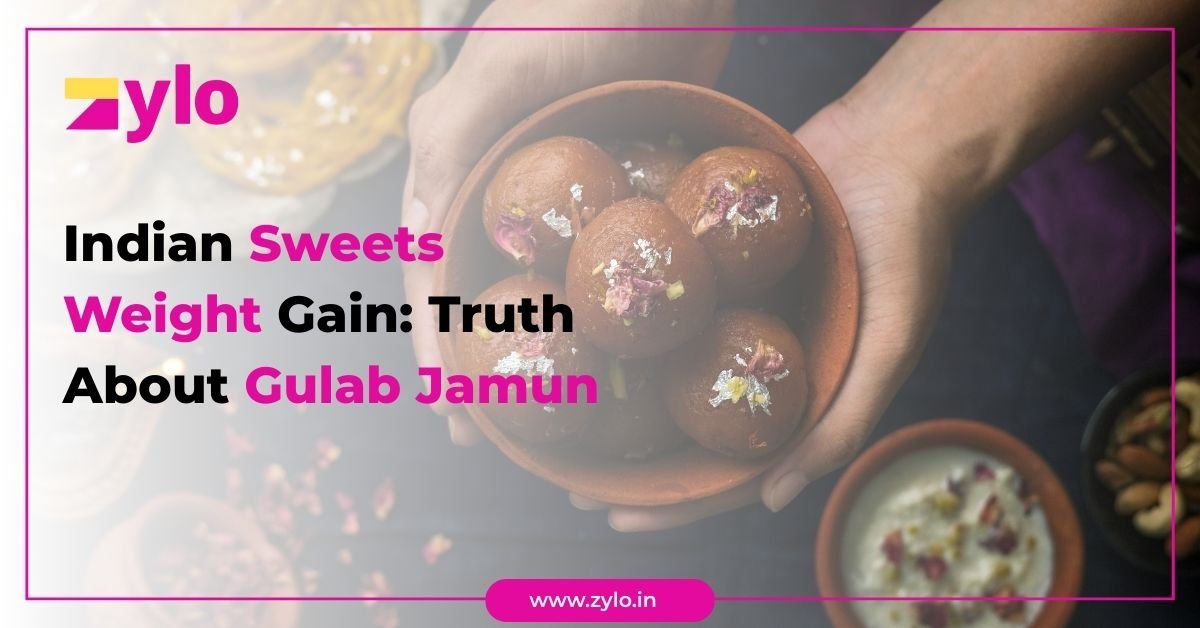
Among the pantheon of Indian sweets, gulab jamun India stands out as perhaps the most universally beloved. These golden-brown, syrup-soaked spheres are consumed across the country, transcending regional boundaries. Found at every sweet shop, served at virtually every celebration, and beloved by people of all ages, gulab jamun India represents Indian sweet culture in its most concentrated form.
Traditional gulab jamun preparation involves creating a dough from khoya (reduced milk solids) or milk powder, sometimes mixed with a small amount of flour, forming this into small balls, deep-frying them in ghee or oil until golden brown, and then soaking them in sugar syrup flavoured with cardamom and sometimes rose water or saffron. The result is an intensely sweet, rich dessert with a soft, melt-in-the-mouth texture that’s genuinely irresistible.
From a nutritional standpoint, a single medium-sized gulab jamun contains approximately 150-200 calories. This might not seem alarming until you consider several critical factors. First, gulab jamun is rarely consumed individually—typical serving sizes involve two to four pieces, immediately multiplying the caloric intake to 300-800 calories. Second, these calories come almost entirely from sugar and fat, providing virtually no protein, fibre, vitamins, or minerals that would offer nutritional value beyond pure energy.
The sugar content in gulab jamun is particularly concerning. Each piece contains approximately 20-25 grams of sugar—nearly the entire recommended daily limit for added sugar according to health organizations. When consuming two pieces, you’re ingesting 40-50 grams of sugar in a matter of minutes, causing massive blood glucose spikes that trigger equally dramatic insulin responses.
The Mechanism of Indian Sweets Weight Gain
Understanding exactly how Indian sweets contribute to weight gain requires examining the physiological processes triggered by their consumption. When you eat gulab jamun or similar sweets, the concentrated sugar enters your bloodstream rapidly, causing blood glucose levels to spike dramatically. In response, your pancreas releases substantial amounts of insulin to shuttle this glucose out of the bloodstream and into cells.
Insulin is often called the “storage hormone” because its presence signals your body to store energy rather than burn it. When insulin levels are elevated, your body cannot effectively access stored fat for energy—essentially locking fat cells and preventing fat burning. Additionally, if glucose arrives faster than your body can use it for immediate energy needs or store it as glycogen in muscles and liver, the excess gets converted to triglycerides and stored as body fat.
The combination of sugar and fat found in most Indian sweets, including gulab jamun, is particularly problematic. This pairing creates a “supernormal stimulus”—a combination rarely found in nature that our bodies aren’t evolutionarily designed to handle efficiently. The fat slows digestion, prolonging the period of insulin elevation, while the sugar drives the insulin response itself. Together, they create optimal conditions for fat storage and weight gain.
Moreover, high-sugar foods like gulab jamun don’t provide lasting satiety. Despite consuming hundreds of calories, you’ll likely feel hungry again within an hour or two because these calories lack the protein and fibre necessary for sustained fullness. This leads to increased overall daily calorie intake—the fundamental driver of weight gain.
Frequency and Portion: The Real Problem
The occasional consumption of gulab jamun or other Indian sweets during genuine special occasions wouldn’t significantly impact weight or health for most people. The problem arises from the frequency and portion sizes that have gradually normalized in contemporary Indian society. What were once rare celebratory treats reserved for major festivals and weddings have become regular indulgences.
Many urban Indians now consume sweets multiple times a week—after meals at restaurants, during office celebrations, as gifts from visiting relatives, or simply for evening snacks. This shift from occasional to frequent consumption dramatically amplifies the impact on weight and metabolic health. Consuming 400-600 calories from sweets twice weekly adds approximately 800-1,200 extra calories weekly, potentially resulting in 4-6 kg of weight gain annually if not offset by reduced intake elsewhere or increased physical activity.
Portion sizes have also expanded. Where traditional servings might have involved a single small piece, contemporary restaurant and sweet shop servings often include two to four large pieces, sometimes exceeding 800-1,000 calories per serving. This portion inflation means even people who feel they’re consuming sweets “occasionally” may be ingesting far more calories than they realize.
Impact on Metabolic Health
The effects of regular Indian sweets consumption extend beyond simple weight gain into concerning metabolic territory. Frequent blood sugar spikes and crashes from high-sugar foods progressively damage insulin sensitivity. Over time, cells become less responsive to insulin, forcing the body to produce increasingly more insulin to achieve the same glucose-lowering effect. This insulin resistance is the hallmark of prediabetes and eventually type 2 diabetes.
India currently faces a diabetes epidemic, with prevalence rates among the highest globally. While genetics play a role, dietary patterns—particularly frequent consumption of refined carbohydrates and concentrated sugars from sweets—significantly contribute to this crisis. Regular consumption of gulab jamun and similar sweets creates a specific dietary pattern that promotes insulin resistance and metabolic dysfunction.
Additionally, the inflammatory effects of excessive sugar consumption affect numerous body systems. Chronic inflammation interferes with thyroid function, potentially reducing metabolic rate. It affects cardiovascular health, increasing the risk of heart disease. It even affects brain function and mood regulation, potentially contributing to depression and anxiety.
Gender-Specific Impacts
For women specifically, the hormonal disruption caused by frequent consumption of high-sugar Indian sweets presents additional concerns. The insulin spikes interfere with reproductive hormones, potentially worsening PCOS symptoms, including irregular periods, difficulty losing weight, and increased abdominal fat accumulation. Women with PCOS—affecting 15-20% of Indian women—find that reducing sugar intake, including from traditional sweets, significantly improves their symptoms and makes weight management more achievable.
The impact on bone health is also concerning for women. High sugar intake increases inflammation and may interfere with calcium absorption and bone formation—particularly problematic for Indian women who already face high rates of osteoporosis and vitamin D deficiency.
Finding Balance: Strategies for Enjoyment Without Consequences
Navigating the tension between cultural sweet traditions and personal health requires strategic approaches rather than complete elimination. First, reserve sweets for genuine special occasions—major festivals, weddings, significant celebrations—rather than casual consumption. This immediately reduces frequency substantially.
Second, practice rigorous portion control. When consuming gulab jamun or other sweets, commit to a single piece and savour it mindfully rather than mindlessly eating multiple pieces. The satisfaction comes primarily from the first few bites anyway—subsequent pieces add calories without proportionally increasing enjoyment.
Third, share desserts with others. When sweets appear at gatherings or restaurants, splitting a serving among several people allows everyone to participate in the cultural experience while limiting individual intake.
Fourth, balance indulgent days with disciplined eating throughout the rest of the week. If you know Saturday includes a wedding with inevitable sweet consumption, ensure the surrounding days feature protein-rich, vegetable-heavy meals with minimal added sugars.
The Exercise Component
Regular physical activity becomes crucial for offsetting the caloric impact of cultural sweet consumption. Exercise not only burns calories during the activity itself but also improves insulin sensitivity, helping your body process carbohydrates and sugars more efficiently. For those seeking accessible, enjoyable fitness options, Zumba has become increasingly popular across India. The cost of Zumba classes in India varies by location and format, with monthly fees typically ranging from ₹1,000-3,000 for studio classes in major cities, while online options cost ₹500-1,500. Considering that a single Zumba session burns 400-600 calories—enough to offset two pieces of gulab jamun—the investment in Zumba classes in India represents excellent value for health and weight management.
Conclusion
The truth about Indian sweets’ weight gain, particularly regarding beloved items like gulab jamun in India, is straightforward: these concentrated sources of sugar and fat provide substantial calories without corresponding nutrition, trigger hormonal responses that promote fat storage, and, when consumed frequently, significantly contribute to weight gain and metabolic dysfunction. However, this reality doesn’t require eliminating sweets from life. By transforming consumption from a regular habit into a genuine special occasion, practising strict portion control, and maintaining consistent exercise routines, supported by affordable options like Zumba classes, individuals can honour their cultural traditions while protecting their health and managing their weight. The goal isn’t choosing between culture and wellbeing but rather finding the mindful balance that sustains both.