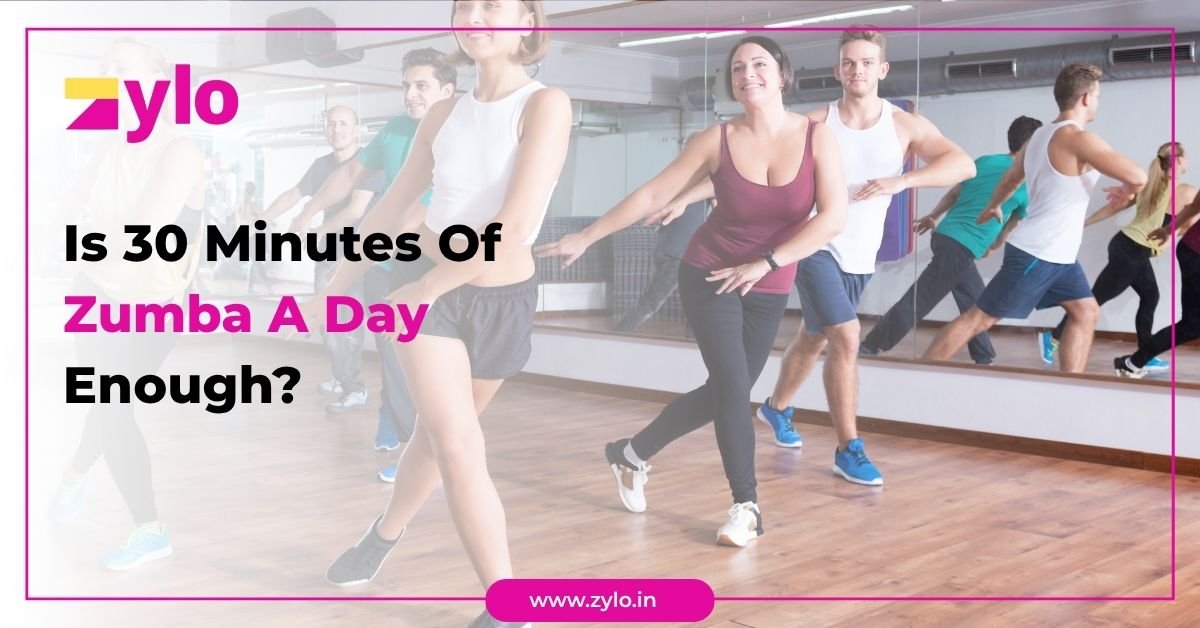
Have you ever wondered whether 30 minutes of dancing every day can really make a difference to your fitness? If you enjoy dancing, listening to energetic music, and moving your body, Zumba can be an enjoyable way to stay active without following a boring workout routine.
Zumba combines dance movements with aerobic exercises to create a fun, energetic fitness experience. It includes movements inspired by different dance styles, such as salsa, merengue, Bollywood, and other rhythmic dance forms. These movements help increase your heart rate, activate different muscle groups, and improve overall fitness.
One of the most common questions among beginners is whether 30 minutes of Zumba a day is enough to achieve noticeable fitness results. The answer depends on your fitness goals, workout intensity, consistency, diet, and overall lifestyle.
For many people, a 30-minute Zumba session can be a useful part of a healthy exercise routine. It can contribute towards weekly physical activity recommendations, support cardiovascular health, improve stamina, and help with weight management.
The best part is that you do not always need to visit a gym to enjoy Zumba. With Online Workout Classes, you can follow guided dance fitness sessions from the comfort of your home and choose a workout schedule that fits your daily routine.
In this article, we will explore the benefits of 30 minutes of daily Zumba, its role in weight loss, the number of calories you may burn, and how to build an effective fitness routine.
What Is Zumba and How Does It Work?
Understanding Zumba Fitness
Zumba is a dance-based fitness program that combines aerobic movements with energetic music. Instead of repeating traditional gym exercises, participants follow choreographed dance steps that keep the body moving.
The workout includes a combination of fast and slow movements designed to create an enjoyable exercise experience.
Some common dance styles and movements included in Zumba are:
-
Salsa-inspired dance steps.
-
Merengue movements.
-
Reggaeton-inspired routines.
-
Bollywood dance combinations.
-
Cumbia-inspired steps.
-
Simple aerobic movements.
-
Full-body dance combinations.
These movements engage different parts of your body, including your legs, arms, hips, shoulders, and core.
How Does Zumba Improve Fitness?
Zumba works by combining continuous movement with different levels of intensity.
During a session, you may perform quick footwork, side steps, arm movements, turns, and dance combinations. These activities increase physical activity and can raise your heart rate.
Depending on the routine, Zumba can help:
-
Improve cardiovascular endurance.
-
Strengthen lower-body muscles.
-
Increase movement and flexibility.
-
Support calorie expenditure.
-
Improve coordination and balance.
-
Make regular exercise more enjoyable.
The intensity of a Zumba session depends on the instructor, dance style, music speed, and your individual effort.
Is 30 Minutes of Zumba a Day Enough?
The Short Answer
Yes, 30 minutes of Zumba can be enough to make a positive contribution to your overall fitness, especially if you are consistent.
A half-hour session provides an opportunity to move your entire body, increase your heart rate, and improve cardiovascular endurance.
However, whether it is enough depends on what you want to achieve.
For example:
-
For general fitness: 30 minutes can be a useful daily workout.
-
For cardiovascular health: Regular moderate-to-vigorous Zumba can contribute to recommended weekly activity levels.
-
For weight management: It can support calorie expenditure when combined with balanced nutrition.
-
For stamina: Consistent sessions can gradually improve endurance.
-
For muscle strength: Additional resistance exercises may be needed.

The World Health Organization recommends that adults aim for 150–300 minutes of moderate-intensity aerobic physical activity or 75–150 minutes of vigorous-intensity activity per week, or an equivalent combination.
If your 30-minute Zumba sessions are performed at a moderate intensity five days a week, they provide 150 minutes of weekly activity.
This means a regular half-hour Zumba routine can help many adults meet the minimum recommended weekly aerobic activity target.
However, daily exercise does not need to be intense. Rest, recovery, and other forms of physical activity are also important.
Benefits of Doing 30 Minutes of Zumba Every Day
1. Supports Weight Management
One of the main reasons people join Zumba classes is to support their weight-loss goals.
Zumba involves continuous dance movements that use energy and contribute to daily calorie expenditure.
When you combine regular Zumba sessions with balanced eating habits and a suitable lifestyle, it can support weight management.
A 30-minute session may help you stay active without spending hours exercising.
How It Helps:
-
Increases daily physical activity.
-
Uses energy through continuous movement.
-
Engages multiple muscle groups.
-
Supports a healthy exercise routine.
-
Encourages consistency.
Remember that weight loss depends on your overall energy balance. Exercise alone does not guarantee weight loss, and individual results vary.
2. Improves Cardiovascular Health
Zumba is an aerobic activity that can increase your heart rate and improve cardiovascular endurance.
When you dance continuously, your heart and lungs work to supply oxygen to your muscles.
Regular aerobic activity can support heart health and improve your ability to perform everyday physical activities.
Potential Benefits:
-
Improves cardiovascular endurance.
-
Supports healthy circulation.
-
Helps improve exercise capacity.
-
Contributes to weekly physical activity goals.
-
Supports overall heart health.
Choose a suitable intensity according to your fitness level, especially if you are new to exercise.
3. Helps Improve Stamina and Endurance
If you become tired after climbing stairs or walking for a few minutes, improving your stamina may be one of your fitness goals.
Regular Zumba sessions can gradually improve your ability to remain physically active for longer periods.
Initially, you may find certain dance combinations difficult. However, with practice, your body can adapt to the movements.
Over time, you may notice improvements in:
-
Energy levels during physical activity.
-
Ability to complete longer routines.
-
Coordination during dance movements.
-
Recovery after exercise.
-
Overall workout performance.
Start slowly and increase the intensity as your fitness improves.
4. Engages Multiple Muscle Groups
Zumba is not limited to moving your legs. Many routines involve coordinated movements of the arms, shoulders, hips, abdomen, and lower body.
For example:
-
Side steps activate your leg muscles.
-
Squat-style dance movements engage your thighs and glutes.
-
Arm movements involve your shoulders.
-
Hip movements engage your core and lower-body muscles.
-
Turns and direction changes challenge coordination and balance.
Although Zumba can help improve muscular endurance, it does not replace a complete strength-training program.
For balanced fitness, consider including muscle-strengthening exercises on at least two days each week.
5. Supports Mental Well-Being
Exercise is not only beneficial for your physical health. It can also support your emotional and mental well-being.
Zumba combines music, movement, and social interaction, which can make exercise feel more enjoyable.
Many people find dance workouts helpful for taking a break from daily stress and improving their mood.
Potential benefits include:
-
Supporting a positive mood.
-
Helping manage everyday stress.
-
Encouraging self-confidence.
-
Creating a sense of achievement.
-
Making fitness more enjoyable.
You do not need perfect dance skills to enjoy Zumba. The goal is to move, have fun, and stay active.
6. Improves Coordination and Balance
Zumba routines often involve different footwork patterns, arm movements, turns, and changes in direction.
Following these movements can help develop coordination and body awareness.
With regular practice, beginners may become more comfortable following dance combinations and moving confidently.
Balance and coordination are useful for everyday activities, including walking, climbing stairs, and maintaining stable body movements.
7. Makes Exercise More Enjoyable
One major challenge with traditional exercise routines is maintaining motivation.
Some people find repetitive workouts boring, which makes it difficult to stay consistent.
Zumba offers a different experience by combining fitness with music and dance.
You can explore different music styles, learn new steps, and enjoy the process of becoming more active.
This enjoyable approach can make it easier to develop a long-term exercise habit.
How Many Calories Can You Burn in 30 Minutes of Zumba?
Understanding Calorie Burning
The number of calories burned during a Zumba session depends on several factors, including your body weight, age, workout intensity, fitness level, and the type of dance routine.
A person performing energetic dance movements may use more energy than someone following a slower beginner routine.
For example, a session involving continuous Bollywood dance movements, quick footwork, and full-body combinations may require more effort than a low-impact session.
Here are some factors that influence calorie expenditure:
| Factor | Effect on Calorie Burning |
|---|---|
| Body weight | Influences energy requirements |
| Workout intensity | Higher intensity generally uses more energy |
| Duration | Longer sessions generally use more energy |
| Fitness level | Affects how your body responds to exercise |
| Dance movements | Different movements require different effort |
Does Higher Intensity Mean Better Results?
Not necessarily. Exercising at a higher intensity may increase energy expenditure during a session, but it is not essential for everyone.
Beginners should focus on learning movements, maintaining proper form, and developing consistency.
A comfortable workout that you can repeat regularly may be more beneficial in the long term than an exhausting routine that you cannot maintain.
What Happens When You Do Zumba for 30 Minutes Every Day?
After the First Week
During your first week, your main goal should be getting comfortable with the movements.
You may notice:
-
Better familiarity with dance steps.
-
Improved coordination.
-
Increased confidence.
-
More comfort following the music.
-
A developing exercise habit.
You may also experience mild muscle soreness if you are new to physical activity.
Allow your body enough recovery time and avoid pushing through significant pain.
After Two Weeks
With regular practice, you may become more familiar with the workout combinations.
You might notice that movements feel easier and that you can follow routines with fewer breaks.
Your stamina may also begin to improve, depending on your starting fitness level and workout intensity.
After Three to Four Weeks
After several weeks of consistent activity, you may notice improvements in your ability to complete a 30-minute session.
Possible changes include:
-
Better exercise endurance.
-
Improved coordination.
-
Greater confidence while dancing.
-
More consistent physical activity.
-
Better tolerance for moderate exercise.
However, visible body changes and weight-loss results vary significantly between individuals.
After Two to Three Months
Maintaining a regular exercise routine over several months can support long-term fitness improvements.
Depending on your overall lifestyle, you may experience better cardiovascular endurance, improved movement skills, and progress towards your fitness goals.
Remember that these are possible outcomes, not guaranteed timelines. Your diet, sleep, health, and exercise intensity all influence results.
How to Make Your 30-Minute Zumba Workout More Effective
1. Start with a Proper Warm-Up
A warm-up prepares your body for physical activity.
Before beginning your Zumba routine, spend approximately five minutes performing gentle movements.
You can include:
-
Shoulder rolls.
-
Arm circles.
-
Gentle marching.
-
Side steps.
-
Hip movements.
-
Ankle movements.
Avoid starting with sudden jumps or fast dance combinations.
2. Choose the Right Workout Intensity
Your workout should match your fitness level.
If you are a beginner, start with simple dance movements and gradually increase the intensity.
A useful way to assess moderate exercise intensity is the talk test. During moderate activity, you should generally be able to talk but not sing comfortably.
If you cannot say more than a few words without pausing for breath, the activity may be vigorous.
3. Focus on Full-Body Movements
Try choosing routines that involve different muscle groups.
For example, combine lower-body dance steps with arm movements and controlled core engagement.
This helps create a varied workout instead of repeatedly using the same movements.
4. Maintain Proper Posture
Good posture helps you move comfortably and maintain control during dance combinations.
Keep your shoulders relaxed, avoid locking your knees, and maintain a comfortable range of movement.
You do not need to perform every movement perfectly. Focus on safe and controlled movements.
5. Stay Hydrated
Drink water throughout the day and keep water nearby during your workout.
You may need additional fluids depending on the weather, exercise intensity, and how much you sweat.
Avoid ignoring thirst during longer or more intense exercise sessions.
6. Follow a Consistent Schedule
Consistency is more important than performing an extremely difficult workout once in a while.
Choose a convenient time for your daily session, such as before work or in the evening.
A regular schedule can help turn exercise into a sustainable habit.
30-Minute Zumba Workout Plan for Beginners
A Simple Workout Structure
If you are new to Zumba, following a structured routine can help you understand how to use your workout time effectively.
Here is an example of a beginner-friendly 30-minute session.
30-minute Zumba session
Beginner-friendly example workout
Warm-up
Gentle marching, arm circles, and side steps.
Dance workout
Simple dance combinations, Bollywood steps, and low-impact cardio.
Full-body movements
Controlled arm movements, side steps, and gentle squats.
Cool-down
Slow walking, breathing, and gentle stretching.
Warm-Up: 5 Minutes
Start with gentle movements to prepare your muscles and joints.
March in place, move your arms, and perform comfortable side steps.
Dance Workout: 15 Minutes
Choose beginner-friendly dance routines with a mix of slow and energetic movements.
You can include Bollywood-inspired dance combinations, simple salsa steps, and basic aerobic movements.
Take short breaks whenever necessary.
Full-Body Movements: 5 Minutes
Include controlled movements that engage your arms, legs, and core.
Examples include:
-
Side steps with arm raises.
-
Gentle squats.
-
Alternating knee lifts.
-
Controlled hip movements.
Cool-Down: 5 Minutes
Finish your workout with slower movements.
Walk gently in place, relax your shoulders, and perform comfortable stretches.
Avoid stopping suddenly after a vigorous routine.
Can 30 Minutes of Zumba Help with Weight Loss?
Understanding the Connection Between Zumba and Weight Loss
Yes, 30 minutes of Zumba can contribute to a weight-loss routine because it increases physical activity and uses energy.
However, weight loss generally requires a sustained calorie deficit, meaning your body uses more energy than it receives from food and drinks over time.
Zumba can contribute to the activity side of this equation.
For better weight-management results, combine dance workouts with:
-
Balanced meals.
-
Appropriate portion sizes.
-
Adequate protein intake.
-
Regular physical activity.
-
Sufficient sleep.
-
Consistent daily habits.
Does Zumba Burn Belly Fat?
Zumba can support overall weight management, but it cannot specifically target belly fat.
When your body loses fat, the areas where fat decreases first depend on factors such as genetics, hormones, and individual body composition.
Regular aerobic activity, strength training, and balanced nutrition can help improve overall body composition.
How Often Should You Do Zumba for Weight Loss?
Many people can begin with three to five sessions per week, depending on their fitness level.
If you enjoy Zumba and recover comfortably, you can gradually build a more frequent routine.
However, avoid treating daily high-intensity exercise as a requirement for weight loss.
Combining Zumba with other activities can provide a more balanced fitness plan.
Is 30 Minutes of Zumba Better Than Walking?
Both Zumba and walking can be useful forms of physical activity.
The best choice depends on your preferences, fitness level, health condition, and exercise goals.
| Comparison | Zumba | Walking |
|---|---|---|
| Workout style | Dance-based aerobic activity | Walking-based activity |
| Muscle involvement | Multiple muscle groups | Mainly lower-body muscles |
| Coordination | Requires following dance steps | Usually simple movements |
| Intensity | Can range from low to vigorous | Can range from light to vigorous |
| Equipment | Usually no special equipment | Comfortable shoes |
| Enjoyment | Music and dance | Outdoor or indoor movement |
Zumba may be more enjoyable for people who love music and dancing, while walking may be easier for people who prefer simple activities.
You do not have to choose only one. Combining both can add variety to your weekly fitness routine.
Is Zumba Suitable for Beginners?
Why Beginners Can Start with Zumba
Zumba can be adapted for different fitness levels.
You do not need previous dance experience to get started. Many beginner-friendly routines use simple movements that are easy to follow.
Start with basic steps and focus on moving comfortably rather than trying to match every movement immediately.
Tips for First-Time Participants
-
Wear comfortable workout clothes.
-
Choose supportive athletic shoes.
-
Keep enough space around you.
-
Start with beginner-level routines.
-
Take breaks whenever needed.
-
Drink water during your session.
-
Gradually increase your workout intensity.
If you have an existing health condition, are pregnant, or have been inactive for a long time, consult a healthcare professional about the right exercise intensity.
How Online Workout Classes Make Zumba More Convenient
Busy schedules, traffic, and work commitments can make it difficult to attend a physical fitness studio.
Online Workout Classes offer a convenient alternative by allowing people to participate in guided fitness sessions from home.
You can choose a suitable time, prepare your workout space, and follow an instructor without travelling to a gym.
Flexible Workout Schedules
People have different daily routines.
Some prefer morning workouts before starting their workday, while others enjoy exercising in the evening.
Online sessions can make it easier to find a suitable workout time and maintain consistency.
Guided Exercise Sessions
Following an instructor can help beginners understand dance combinations and maintain a structured routine.
An instructor can demonstrate movements, explain basic steps, and offer modifications for different fitness levels.
However, online instruction has limitations. Instructors may not be able to identify every movement or health-related issue through a screen.
Variety of Fitness Programs
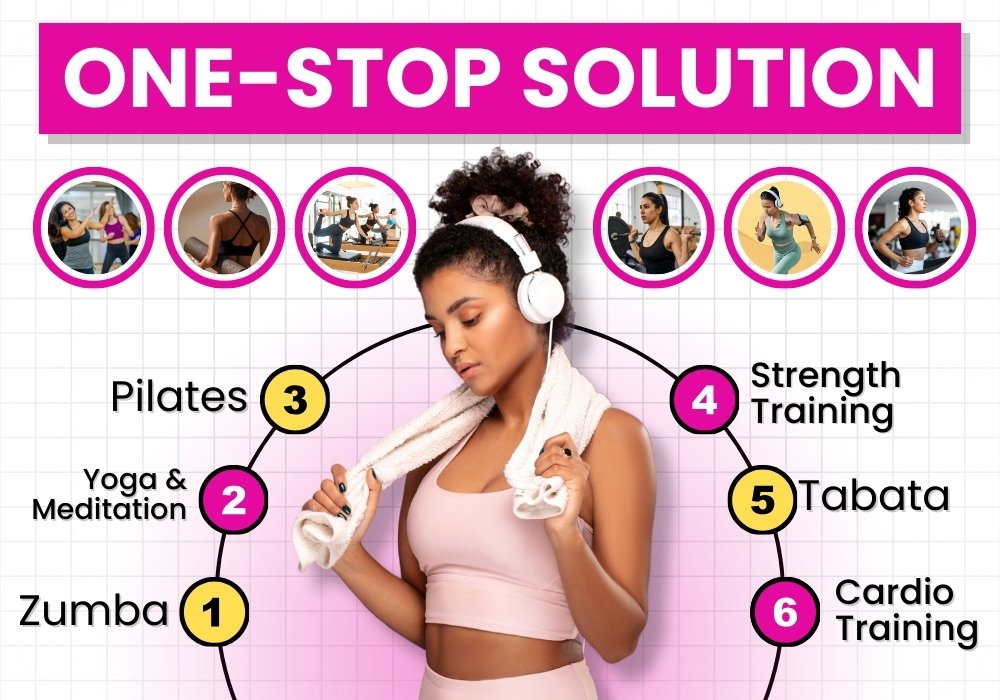
Online Workout Classes can offer different types of exercise beyond Zumba.
Depending on your fitness goals, you can explore:
-
Dance fitness sessions.
-
Aerobics classes.
-
Beginner cardio workouts.
-
Yoga sessions.
-
Low-impact workouts.
-
Strength-training sessions.
This variety can help prevent workout boredom and support a balanced fitness routine.
A Convenient Option for Busy Women
Women balancing work, family responsibilities, and personal commitments may find it challenging to visit a gym regularly.
Home-based fitness sessions can help reduce travel time and make exercise more accessible.
Even a short, planned workout can be a positive step towards maintaining an active lifestyle.
Common Mistakes to Avoid During a 30-Minute Zumba Workout
1. Skipping the Warm-Up
Starting with fast dance movements without preparing your body can make the workout uncomfortable.
Always begin with a few minutes of gentle movement.
2. Choosing Advanced Routines Too Early
Some Zumba routines include quick turns, jumps, and complicated footwork.
Beginners should focus on basic movements before progressing to more challenging combinations.
3. Ignoring Your Body’s Signals
Feeling slightly tired during exercise can be normal, but severe pain, dizziness, unusual breathlessness, or chest discomfort should never be ignored.
Stop exercising if you experience concerning symptoms and seek medical advice when appropriate.
4. Exercising Without Proper Shoes
Footwear should provide comfort, stability, and suitable support.
Avoid exercising barefoot on slippery floors or wearing shoes that make it difficult to move safely.
5. Expecting Immediate Weight-Loss Results
Fitness improvements take time.
Do not expect dramatic body changes after a few sessions.
Focus on developing healthy habits and tracking progress over several weeks.
6. Neglecting Strength Training
Zumba is primarily an aerobic workout.
If you want to improve overall strength, include suitable resistance exercises such as squats, wall push-ups, and other strength movements.
7. Not Taking Recovery Seriously
Your muscles need time to recover after exercise.
If you feel unusually tired or sore, reduce the intensity or take a rest day.
Weekly Fitness Plan Combining Zumba and Other Exercises
A Balanced Seven-Day Workout Schedule
Although Zumba is a great aerobic activity, combining it with other forms of exercise can help you develop a more balanced fitness routine.
Here is an example weekly schedule:
| Day | Workout | Duration |
|---|---|---|
| Monday | Zumba dance workout | 30 minutes |
| Tuesday | Strength training and stretching | 20–30 minutes |
| Wednesday | Zumba dance workout | 30 minutes |
| Thursday | Walking and yoga | 20–30 minutes |
| Friday | Zumba dance workout | 30 minutes |
| Saturday | Strength training and light cardio | 30 minutes |
| Sunday | Rest or gentle walking | As comfortable |
This schedule includes aerobic activity, muscle strengthening, and recovery.
You can modify the routine depending on your fitness level and personal goals.
Nutrition Tips to Support Your Zumba Workout
1. Include Protein in Your Meals
Protein supports muscle maintenance and recovery after physical activity.
Include foods such as:
-
Eggs.
-
Paneer.
-
Lentils and beans.
-
Greek yogurt.
-
Tofu.
-
Fish or chicken.
Choose protein sources that suit your dietary preferences.
2. Eat Healthy Carbohydrates
Carbohydrates provide energy for physical activity.
Include nutritious options such as oats, whole grains, brown rice, fruits, and sweet potatoes.
Avoid skipping meals simply because you want to lose weight.
3. Include Fruits and Vegetables
Fruits and vegetables provide vitamins, minerals, and fibre.
Try to include a variety of colourful vegetables and seasonal fruits in your daily meals.
4. Stay Hydrated
Drink sufficient water throughout the day.
If you exercise in hot weather or perform a more intense session, pay additional attention to fluid intake.
5. Avoid Extreme Dieting
Following restrictive diets can make it difficult to maintain energy levels and exercise consistently.
Focus on balanced nutrition and sustainable eating habits rather than quick-fix weight-loss methods.
Who Should Take Precautions Before Starting Zumba?
Zumba is adaptable, but it may not be suitable for everyone at the same intensity.
People with certain health conditions should speak with a healthcare professional before starting a new exercise program.
This includes people who:
-
Have heart-related conditions.
-
Experience frequent dizziness.
-
Have significant joint pain.
-
Are recovering from surgery or an injury.
-
Have balance or mobility difficulties.
-
Are pregnant or recently postpartum.
-
Have been advised to restrict physical activity.
If you experience chest pain, fainting, severe breathlessness, or other unusual symptoms during exercise, stop immediately and seek appropriate medical attention.
Frequently Asked Questions About 30 Minutes of Zumba a Day
1. Is 30 Minutes of Zumba Enough for Weight Loss?
Yes, 30 minutes of Zumba can contribute to weight loss by increasing physical activity and calorie expenditure.
However, weight loss also depends on nutrition, overall energy balance, sleep, and consistency.
2. Can I Do Zumba Every Day?
Many healthy adults can participate in regular Zumba sessions, provided they manage workout intensity and allow adequate recovery.
You can alternate energetic sessions with lighter routines or other activities.
3. How Many Days a Week Should I Do Zumba?
Beginners can start with three days per week and gradually increase their activity.
Five 30-minute moderate-intensity sessions provide 150 minutes of weekly aerobic activity.
The appropriate schedule depends on your fitness level and recovery.
4. Can Beginners Do 30 Minutes of Zumba?
Yes. Beginners can start with simple, low-impact dance routines.
You can take breaks, modify movements, and gradually build up to a complete 30-minute session.
5. Does Zumba Help Reduce Belly Fat?
Zumba can support overall fat loss when combined with balanced nutrition and consistent physical activity.
However, it cannot specifically target belly fat.
6. Is Zumba Better in the Morning or Evening?
Both morning and evening workouts can be beneficial.
The best time is the one that fits your schedule and allows you to exercise comfortably and consistently.
7. Can I Do Zumba at Home Without Equipment?
Yes. Most Zumba routines do not require special exercise equipment.
You generally need comfortable workout clothes, supportive shoes, sufficient space, and access to suitable music or guided sessions.
8. Is 30 Minutes of Zumba Better Than 60 Minutes?
A 30-minute workout can be effective, especially for people with busy schedules.
A 60-minute workout provides more exercise time but is not automatically better. Workout intensity, fitness level, recovery, and consistency all matter.
9. Can I Combine Zumba with Yoga?
Yes. Combining Zumba with yoga can create a varied fitness routine.
Zumba provides aerobic activity, while yoga can support flexibility, balance, and relaxation.
10. Are Online Workout Classes Effective for Zumba?
Online Workout Classes can be an effective and convenient way to follow guided dance fitness sessions.
They allow you to exercise at home, learn new movements, and follow a structured schedule. Choose classes that match your fitness level and provide suitable movement modifications.
Conclusion
So, is 30 minutes of Zumba a day enough? For many adults, the answer is yes. A consistent half-hour session can contribute to cardiovascular fitness, improve stamina, support weight management, and make physical activity more enjoyable.
The most important factor is not how long you exercise but how consistently you follow a routine that suits your body and fitness level.
If you are a beginner, start with simple dance movements and gradually increase your workout intensity. Combine Zumba with strength training, balanced nutrition, sufficient sleep, and appropriate recovery for a more complete approach to fitness.
If visiting a gym is difficult because of your daily schedule, Online Workout Classes can make it easier to enjoy guided fitness sessions from home.
At Zylo Fitness, the idea is simple: make fitness enjoyable, convenient, and accessible. Put on your favourite music, follow comfortable dance movements, and make time for your health every day.