

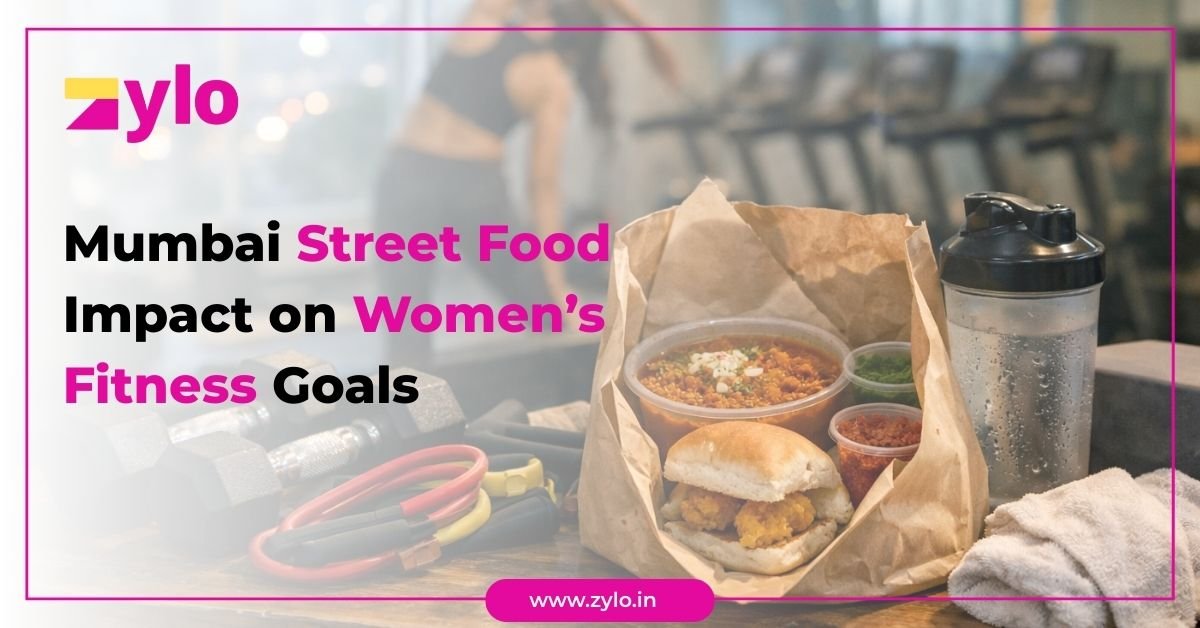
Mumbai, a city known for its vibrant street food culture and fast-paced lifestyle, presents unique challenges for women pursuing fitness goals. From the iconic vada pav to the sizzling pav bhaji, the city’s culinary scene is integral to its identity. Navigating this tempting landscape calls for awareness and strategic planning for those focused on fitness.
The city’s street food, featuring vada pav and pav bhaji, is a vital aspect of Mumbai’s identity. Yet for women aiming to achieve fitness goals, navigating this enticing culinary landscape poses unique challenges that require both awareness and strategic planning.

The Irresistible Charm of Mumbai Street Food
Mumbai’s street food transcends mere sustenance; it is an experience intricately woven into the city’s social fabric. The enticing aroma of freshly made bhel puri, the zesty flavor of pani puri, and the comforting warmth of a piping hot misal pav all contribute to cherished memories for locals. For working women in Mumbai, these quick, affordable, and delicious options often become the go-to solution during hectic lunch breaks or evening commutes.
However, the very characteristics that make Mumbai street food so appealing also make it a significant obstacle for women trying to maintain or achieve their fitness goals. Most street food options are high in refined carbohydrates, saturated fats, and sodium while being low in essential nutrients like protein and fiber. A single serving of pav bhaji can contain anywhere between 400 and 600 calories, primarily from butter and refined flour, with minimal nutritional value.
The Nutritional Reality Check
Understanding the nutritional profile of popular Mumbai street foods is crucial for women who are serious about their fitness journey. Vada pav, perhaps Mumbai’s most beloved snack, is essentially a deep-fried potato dumpling sandwiched between white bread, offering little protein and excessive empty calories. Similarly, samosas and kachoris are loaded with trans fats from repeated frying, which can contribute to inflammation and weight gain.
Chaat items like sev puri and dahi puri, while appearing lighter, are deceptive. They contain generous amounts of fried sev (gram flour noodles), potatoes, and sugar-laden chutneys. The combination of high glycemic index carbohydrates and fats can cause rapid blood sugar spikes followed by crashes, leading to increased hunger and cravings throughout the day.
For women specifically, these dietary patterns can have more pronounced effects. Hormonal fluctuations during menstrual cycles can already impact cravings and metabolism. Regular consumption of high-sodium street food can exacerbate water retention and bloating, making women feel uncomfortable and derailed from their fitness routines.
Impact on Fitness Goals
The impact of Mumbai street food on women’s fitness goals manifests in several ways. First, the caloric density of these foods makes it extremely difficult to maintain a calorie deficit, which is essential for fat loss—especially for women actively participating in workouts such as Zumba Fitness Classes Online Mumbai, where balanced nutrition plays a crucial role in seeing results. A woman with moderate activity levels typically needs around 1,800–2,200 calories daily for weight maintenance. Just two street food meals can easily account for her entire daily caloric requirement without providing adequate nutrition.
Second, the lack of protein in most street food options affects muscle recovery and growth. Women engaging in strength training or high-intensity workouts need approximately 1.6-2.2 grams of protein per kilogram of body weight. Street food rarely provides sufficient protein, potentially hampering fitness progress and leaving women feeling perpetually hungry despite consuming adequate calories.
Third, the high sodium content in Mumbai street food can mask fat loss progress. Even when women are losing body fat, excessive sodium causes water retention that reflects on the weighing scale, leading to frustration and potentially abandoned fitness goals.
The Social and Emotional Dimension
For Mumbai’s women, street food isn’t just about eating; it’s about socializing, unwinding after work, and participating in the city’s culture. Completely avoiding street food can lead to feelings of deprivation and social isolation, which are equally detrimental to long-term fitness success. The psychological stress of constant restriction can trigger binge eating episodes, ultimately sabotaging fitness goals more severely than occasional indulgence would.
Strategic Approach for Balance
The solution isn’t complete abstinence but rather developing a strategic approach to enjoying Mumbai street food while pursuing fitness goals. Women can start by practicing portion control, sharing dishes with friends, or choosing healthier street food alternatives when available. Options like roasted corn (bhutta), fresh coconut water, and fruit chaat provide nutrients without excessive calories.
Timing matters significantly. Consuming street food after a workout when the body is primed to utilize carbohydrates for recovery is smarter than eating it as a midnight snack. Similarly, ensuring that the rest of the day’s meals are protein-rich and nutrient-dense can help compensate for an occasional indulgent street food meal.
Making Informed Choices
Education empowers women to make better decisions. Learning to estimate portion sizes, understanding which street foods are relatively better choices, and being aware of how different foods affect individual bodies can transform the relationship with Mumbai’s culinary offerings. For instance, tandoori items are generally better than deep-fried options, and choosing dishes with visible vegetables adds some nutritional value.
Conclusion
Mumbai street food’s impact on women’s fitness goals is undeniable, but it doesn’t have to be entirely negative. The key lies in developing a balanced, sustainable approach that honors both fitness aspirations and cultural connections—especially for women who stay active through options like Zumba Fitness Classes Online Mumbai, which make regular workouts accessible and enjoyable. By making informed choices, practicing moderation, and maintaining consistency with exercise routines, Mumbai’s women can enjoy their city’s culinary heritage while still progressing toward their fitness goals. After all, true fitness isn’t about perfection but about creating a lifestyle that supports both physical health and mental well-being.