

Losing weight is not only about eating less or exercising more. A healthy approach focuses on building sustainable habits that support your body, energy levels, fitness, and overall well-being. Whether your goal is to lose a few kilograms or improve your lifestyle, small and consistent changes can make a meaningful difference over time.
Many people begin a weight-loss journey with strict diets or intense workout plans and expect quick results. However, extreme approaches can be difficult to maintain. A better strategy is to create realistic habits around nutrition, physical activity, sleep, hydration, stress management, and daily movement.
This guide shares practical tips to help you lose weight while developing a healthier and more sustainable routine.
Set Realistic Weight-Loss Goals
The first step toward successful weight management is setting realistic goals. Instead of focusing only on a specific number on the weighing scale, consider other goals such as improving fitness, increasing daily activity, eating more nutritious foods, or becoming stronger.
Breaking a larger goal into smaller milestones can make the process easier to manage. For example, you can focus on maintaining a consistent workout schedule for several weeks rather than expecting dramatic changes immediately.
Remember that weight can naturally fluctuate because of hydration, food intake, digestion, hormones, and other factors. Looking at long-term progress is often more useful than focusing on daily changes.
Focus on a Balanced Diet
Your food choices play an important role in weight management. A balanced diet should provide protein, fiber, healthy fats, carbohydrates, vitamins, and minerals.
Include a variety of foods such as:
- Vegetables and leafy greens
- Fresh fruits
- Whole grains
- Beans and lentils
- Eggs
- Yogurt and other nutritious dairy options
- Nuts and seeds
- Lean protein sources
Instead of completely eliminating carbohydrates or fats, focus on portion sizes and overall food quality. A balanced plate can help provide energy while keeping meals satisfying.
Increase Your Protein Intake
Protein can be helpful when trying to manage your weight because it contributes to fullness and supports muscle maintenance. Including a source of protein in your meals can make it easier to stay satisfied between meals.
Depending on your dietary preferences, protein sources can include eggs, lentils, beans, paneer, tofu, yogurt, fish, chicken, or other protein-rich foods.
Combining protein with vegetables, whole grains, or other high-fiber foods can create a more filling and balanced meal.
Eat More Fiber-Rich Foods
Fiber is another important part of a healthy eating pattern. Vegetables, fruits, legumes, whole grains, nuts, and seeds can provide dietary fiber.
Fiber-rich meals may help you feel fuller and can also support healthy digestion. Instead of relying heavily on refined snacks, try replacing some of them with foods such as fruit, roasted chickpeas, vegetables, or whole grains.
Gradually increasing fiber while drinking enough fluids can help your body adjust comfortably.

Pay Attention to Portion Sizes
Even nutritious foods can contribute to excess calorie intake when portions are consistently very large. Learning to recognize appropriate portions can help create a more balanced eating pattern.
You do not necessarily need to weigh every ingredient. Simple habits can help, such as using smaller plates, eating slowly, serving reasonable portions, and checking whether you are still hungry before taking another serving.
Mindful eating can also help you notice hunger and fullness signals rather than automatically eating because food is available.
Choose Water More Often
Drinking enough water is an important part of a healthy lifestyle. Water is calorie-free and can be a useful alternative to sugary drinks.
Sweetened beverages, flavored drinks, and frequent high-calorie coffees can add significant calories without making you feel as full as a balanced meal.
Keep water available throughout the day and drink according to your body’s needs. Your fluid requirements can vary depending on activity level, weather, diet, and individual factors.
Reduce Highly Processed Foods
You do not have to completely eliminate your favorite foods to lose weight. However, frequently eating highly processed foods that are high in added sugar, refined carbohydrates, sodium, or calories can make healthy weight management more difficult.
Try to make minimally processed foods the foundation of most meals while keeping treats as occasional choices.
For example, instead of regularly relying on packaged snacks, you can choose fruit, yogurt, nuts, roasted legumes, or homemade snacks.
Create a Consistent Exercise Routine
Physical activity supports overall health and can contribute to weight management. The best workout is often one that you enjoy enough to perform consistently.
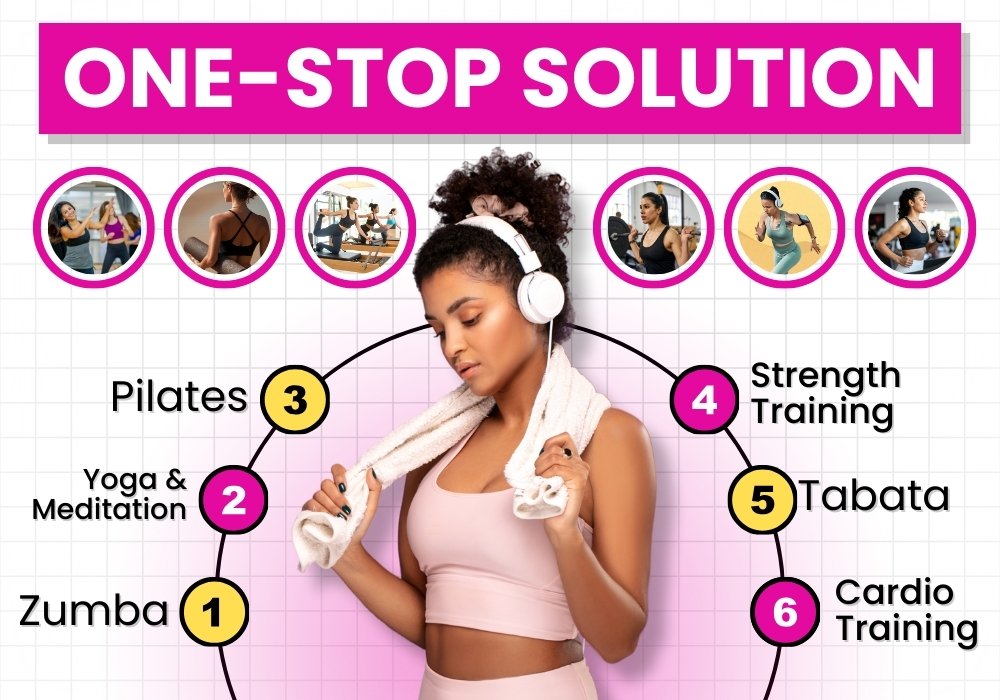
Your routine can include a combination of cardio, strength training, flexibility work, and everyday movement.
Activities such as brisk walking, cycling, dancing, swimming, jogging, and fitness classes can increase physical activity while making workouts more enjoyable.
Try Dance-Based Workouts
For people who find traditional workouts repetitive, dance-based exercise can be a fun alternative. Zumba combines dance-inspired movements with energetic exercise, making it possible to stay active while enjoying the workout experience.
Zumba Online Training can also make exercise more convenient for people who prefer working out at home. A structured online session can help you follow a routine without needing to travel to a fitness center.
The key is consistency. Choose an activity that fits your lifestyle and schedule so that exercise becomes a regular part of your week.
Include Strength Training
Cardio is not the only form of exercise that matters for weight management. Strength training can help build and maintain muscle while improving overall physical strength.
You can begin with simple bodyweight exercises such as:
- Squats
- Lunges
- Glute bridges
- Wall push-ups
- Modified push-ups
- Step-ups
- Planks
As your fitness improves, you can gradually increase resistance or difficulty. Beginners should focus on learning proper technique rather than trying to lift very heavy weights immediately.
Increase Your Daily Movement
You do not need to spend your entire day in the gym to become more active. Everyday movement can contribute to your overall activity level.
Simple habits include taking short walking breaks, using stairs when appropriate, walking while talking on the phone, doing household activities, or taking an evening walk.
If you have a desk-based routine, standing up and moving regularly throughout the day can also help reduce long periods of inactivity.
Get Enough Sleep
Sleep is often overlooked during weight-loss efforts. A consistent sleep schedule supports overall physical and mental well-being and can make it easier to maintain healthy lifestyle habits.
Poor sleep may leave you feeling tired and can make it harder to stay motivated to exercise or prepare balanced meals.
Try creating a relaxing bedtime routine, keeping a consistent sleep schedule, limiting unnecessary screen time before bed, and making your sleeping environment comfortable.

Manage Stress
Stress can affect eating habits, motivation, sleep, and daily routines. Some people may respond to stress by eating more, while others may lose their appetite.
Finding healthy ways to manage stress can support your overall weight-management journey.
Helpful activities may include walking, yoga, meditation, breathing exercises, hobbies, spending time with supportive people, or simply taking regular breaks from a busy schedule.
Avoid Extreme Diets
Very restrictive diets may promise rapid results, but they can be difficult to maintain. Cutting out entire food groups without a medical reason or drastically reducing food intake can make a diet unnecessarily difficult.
A sustainable approach allows you to enjoy a variety of foods while maintaining reasonable portions and overall balance.
Instead of asking, “How can I lose weight as quickly as possible?” consider asking, “What healthy habits can I maintain for the next several months?”
This change in mindset can make your approach more practical and sustainable.
Build Healthy Meal Habits
Planning meals in advance can make healthy eating easier. When nutritious food is available, you may be less likely to rely on convenient but less nutritious options.
You can prepare ingredients such as chopped vegetables, cooked legumes, boiled eggs, or whole grains ahead of time.
A simple meal structure can include a protein source, plenty of vegetables, a suitable portion of carbohydrates, and a small amount of healthy fat.
Be Careful With Liquid Calories
Calories from beverages can sometimes be overlooked. Sugary sodas, sweetened juices, energy drinks, and heavily sweetened tea or coffee can contribute additional calories.
You do not necessarily need to remove every flavored beverage from your life. Instead, make water and other lower-calorie choices your regular options and enjoy higher-calorie drinks less frequently.
Track Your Progress Beyond the Scale
The weighing scale is only one way to monitor progress. You can also track measurements such as waist circumference, fitness performance, energy levels, clothing fit, workout consistency, and daily habits.
For example, being able to walk longer, perform more repetitions, or feel stronger during workouts can represent meaningful progress even if your weight changes slowly.
Taking occasional progress measurements rather than checking constantly can help you stay focused on long-term improvement.
Make Your Workouts Enjoyable
Enjoyment matters when building a long-term exercise habit. If you dislike every workout, staying consistent can become difficult.
Experiment with different activities until you find something you enjoy. You might prefer dancing, walking, strength training, yoga, cycling, swimming, or group fitness.
Zumba Online Training can be one option for people who enjoy music and dance-based movement and want the convenience of exercising from home.
The goal is not to find the most exhausting workout. It is to find an activity that you can perform safely and consistently.
Create a Weekly Fitness Routine

Having a simple weekly plan can make exercise easier to follow. Your schedule does not have to be complicated.
For example, you might structure your week around a combination of cardio, strength training, walking, and recovery days.
A beginner-friendly routine could include several moderate activity sessions, two or more strength-focused sessions depending on your fitness level, and regular walking throughout the week.
Your schedule should be adjusted according to your fitness level, time availability, recovery, and personal needs.
Avoid Comparing Your Progress With Others
Everyone’s body, lifestyle, starting point, and rate of progress are different. Comparing yourself with someone else’s weight-loss journey can create unnecessary pressure.
Social media can also create unrealistic expectations because photos, transformations, and fitness content may not show the full process behind them.
Focus on your own habits and improvements. Consistency is more useful than comparison.
Stay Consistent Instead of Perfect
One unhealthy meal or missed workout does not ruin your progress. What matters is what you do most of the time.
If you miss a workout, return to your routine the next day. If you eat more than planned at one meal, continue with your normal eating pattern rather than skipping meals afterward.
Avoiding an all-or-nothing mindset can make healthy habits easier to maintain.
Be Patient With Your Results
Healthy weight management takes time. Your progress may not always happen at the same speed, and temporary plateaus can occur.
Instead of constantly changing your diet or workout plan, give your routine enough time to become a habit. Focus on consistency, recovery, balanced nutrition, and gradual improvement.
If you have an underlying medical condition, take medications, are pregnant or breastfeeding, or have a history of disordered eating, consider speaking with a qualified healthcare professional before making major changes to your diet or exercise routine.

Final Thoughts
Losing weight in a healthy way is less about finding a perfect diet and more about creating habits that you can maintain. A balanced diet, regular exercise, sufficient sleep, hydration, stress management, and daily movement can all contribute to a healthier lifestyle.
Start with small changes instead of trying to transform everything overnight. Choose enjoyable physical activities, eat nourishing meals, pay attention to portions, and give your body time to adapt.
Most importantly, focus on progress rather than perfection. Sustainable habits can help you work toward your weight-management goals while supporting your overall health and fitness for the long term.