Have you ever wanted to exercise regularly but found traditional workouts boring or difficult to stick with? Zumba may be a refreshing option. It combines dance-inspired movements, upbeat music, and cardio exercise to create a workout that feels more like a fun activity than a conventional gym session.
For beginners, Zumba can be an enjoyable way to become more active without needing previous dance experience. You do not have to know complicated choreography or be a professional dancer. The focus is on moving your body, following the rhythm, and enjoying the session.
But what exactly is Zumba? What are its benefits? Can it support weight management? And how should a beginner get started?
This guide covers everything you need to know about Zumba, including its benefits, what to expect from a class, beginner-friendly tips, common mistakes, and ways to build a consistent fitness routine.
What Is Zumba?
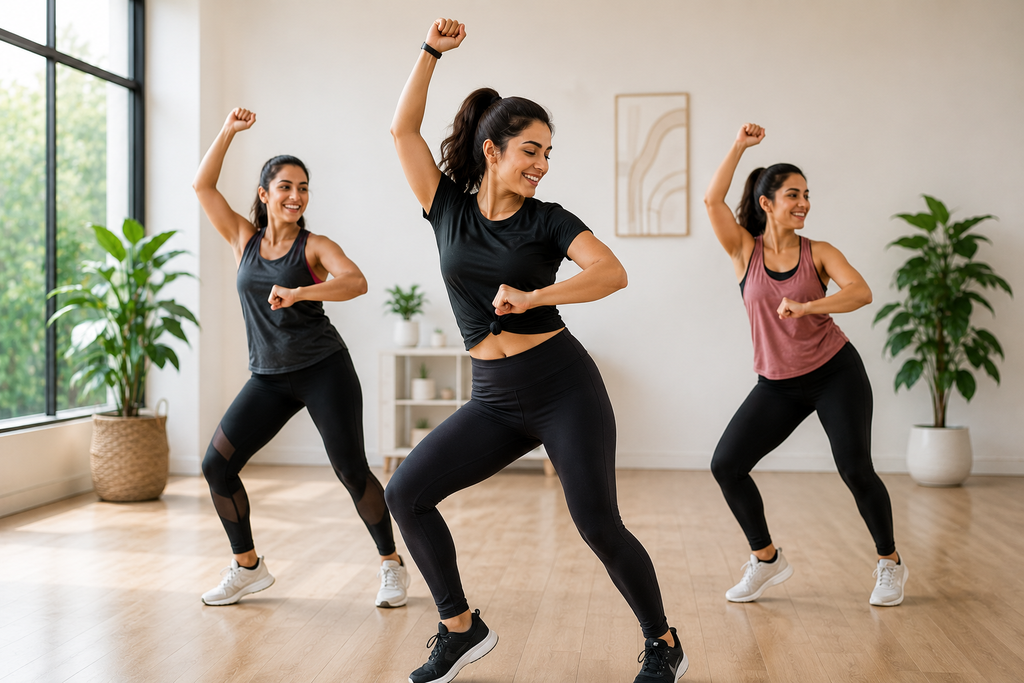
Zumba is a dance-fitness program that combines rhythmic movements with aerobic exercise. It uses different styles of music and dance-inspired movements to create an energetic fitness session.
Zumba classes can include influences from Latin and international rhythms, along with movements such as steps, squats, lunges, side-to-side movements, arm patterns, and other cardio exercises.
Unlike some traditional workouts where you repeatedly perform the same exercise, Zumba usually combines movements with music. This variety can make exercise feel more enjoyable and engaging.
According to Zumba’s official beginner guide, you do not need to be good at dancing to participate. Beginners can focus on learning the basic steps first and gradually become more comfortable with the movements.
How Does Zumba Work?
A typical Zumba class combines different songs and movement patterns to create an aerobic workout.
A session generally includes three stages:
1. Warm-Up
The class usually begins with easier movements that gradually prepare your body for exercise. A warm-up can help you transition from resting to more active movement.
2. Main Workout
This is the energetic part of the session. You may perform dance-inspired steps, cardio movements, squats, lunges, arm movements, and other combinations.
The intensity can change throughout the session. Some songs may feel easier, while others may require more energy.
3. Cool-Down
The session generally ends with slower movements and stretching. This gives your body an opportunity to gradually return to a more relaxed state.
The structure can vary depending on the instructor, class type, duration, and fitness level.
Benefits of Zumba for Beginners
One reason Zumba has become popular is that it combines physical activity with music and social interaction. Here are some potential benefits beginners may experience when they participate consistently.
1. Supports Cardiovascular Fitness
Zumba is primarily a cardio-focused activity. The continuous movement can raise your heart rate and challenge your cardiovascular system.
Regular aerobic activity can contribute to better cardiovascular fitness and overall physical health. Current physical activity guidelines recommend that adults aim for at least 150 minutes of moderate-intensity aerobic activity per week, along with muscle-strengthening activities on at least two days per week.
Zumba can be one enjoyable way to contribute to your weekly movement routine.
2. Provides Full-Body Movement
Zumba does not focus on just one part of the body. Depending on the movements used, you may engage your legs, hips, core, arms, and shoulders.
Steps, squats, directional movements, and arm patterns can all contribute to a full-body exercise experience.
However, if your goal includes building significant muscle strength, you should combine dance-based cardio with dedicated strength-training exercises.
3. Can Support Weight Management
Physical activity increases the amount of energy your body uses. When combined with an appropriate eating pattern, regular activity can support healthy weight management.
Zumba can be useful because enjoyable exercise may make it easier for some people to stay active consistently.
However, it is important to avoid thinking of any single exercise as a magic solution for weight loss. Results depend on multiple factors, including nutrition, activity levels, sleep, genetics, health conditions, and consistency.
If weight management is your goal, focus on building sustainable habits rather than expecting overnight changes.
4. May Support Mental Well-Being
Exercise is not only about physical fitness. Regular physical activity can also support mental well-being.
The CDC notes that physical activity can provide immediate benefits such as improved sleep and reduced feelings of anxiety, while regular physical activity is associated with several longer-term health benefits.
Because Zumba combines movement and music, many people may find it enjoyable and refreshing. The social environment of a class can also make exercise feel less isolating.
Zumba should not be considered a treatment for depression, anxiety, or other mental-health conditions. Anyone experiencing persistent or severe symptoms should speak with an appropriate healthcare professional.
5. Improves Coordination and Rhythm
Following music while moving your arms and legs requires coordination.
As beginners practice regularly, they may become more comfortable with timing, movement patterns, balance, and body coordination.
You do not have to get every step right on your first day. Coordination develops through practice.
6. Makes Exercise More Enjoyable
One of the biggest advantages of Zumba is the fun factor.
Many people struggle to maintain an exercise routine because they find workouts repetitive. Music and dance can make movement feel more engaging.
The official Zumba beginner guide describes classes as dance-based fitness sessions that combine different rhythms and cardio movements, with repeated steps that become easier to recognize with practice.
Enjoyment matters because a workout that you actually look forward to may be easier to maintain over time.
What Can You Expect in a Zumba Class?
If you have never attended a class before, you may feel nervous about what to expect.
The good news is that you do not need to perform every movement perfectly.
A typical class may include:
- A short warm-up
- Easy-to-follow dance movements
- Cardio sequences
- Repeated movement patterns
- Different music styles
- Changes in workout intensity
- A cool-down and stretching
You may not understand every movement during your first session. That’s completely normal.
Instead of trying to copy every step perfectly, focus on staying active and learning gradually.
Is Zumba Suitable for Beginners?
Yes, Zumba can be suitable for beginners, provided you choose an appropriate class and adjust the intensity according to your current fitness level.
Zumba’s official guidance states that participants do not need previous dance experience and that people can participate regardless of their dance ability.
If you are new to exercise, start at a comfortable intensity.
You can also modify movements. For example, if jumping feels uncomfortable, you can perform a lower-impact version of the same movement.
The goal is not to compete with the person next to you. Your goal is to gradually improve your own fitness.
How to Start Zumba as a Beginner
Starting a zumba workout routine does not have to be complicated.
Step 1: Choose a Beginner-Friendly Class
Look for a class described as beginner-friendly or suitable for all fitness levels.
If you are attending an online class, choose a trainer who demonstrates movements clearly and provides modifications when necessary.
Step 2: Wear Comfortable Clothing
Choose breathable clothes that allow you to move freely.
Comfortable footwear is also important, especially because Zumba involves frequent changes in direction.
Step 3: Keep Water Nearby
Dance-based cardio can make you sweat, especially when the session is energetic.
Keep water nearby and take breaks whenever necessary.
Step 4: Start Slowly
You do not need to complete every movement at maximum intensity.
Start at a comfortable level and increase your effort as your fitness improves.
Step 5: Learn the Basic Steps
Do not worry about learning an entire routine immediately.
Focus on basic footwork first. Once you become comfortable, gradually add arm movements and more complex combinations.
Step 6: Stay Consistent
Consistency matters more than doing one extremely difficult session.
You can gradually build a weekly routine based on your schedule and fitness level.
How Often Should Beginners Do Zumba?
There is no single perfect schedule for everyone.
Your ideal frequency depends on your fitness level, recovery, other activities, and personal goals.
A beginner might start with two or three sessions per week and gradually increase activity as their body adapts.
The broader goal should be to build toward recommended weekly physical activity levels. Adults are generally advised to get at least 150 minutes of moderate-intensity aerobic activity per week, plus muscle-strengthening activity on at least two days.
You do not necessarily need to get all your aerobic activity from Zumba.
Walking, cycling, swimming, jogging, yoga, sports, and other activities can also contribute to an active lifestyle.
Can Zumba Help With Weight Loss?
Zumba can be part of a weight-management plan, but it is important to have realistic expectations.
Weight loss generally involves creating an energy deficit over time. Physical activity contributes by increasing energy expenditure, while food intake also plays an important role.
Rather than asking, “How quickly can Zumba make me lose weight?” ask:
Can I enjoy this activity enough to do it consistently?
That is often a more useful question.
For better overall results, combine cardio activities with:
- A balanced eating pattern
- Adequate protein and fiber
- Regular strength training
- Good sleep
- Stress management
- Consistent daily movement
- Realistic goals
Also remember that you cannot specifically choose where your body loses fat. If you want to reduce belly fat, for example, focus on overall healthy weight management rather than looking for a workout that promises spot reduction.
Common Mistakes Beginners Should Avoid
Trying to Be Perfect
You do not need perfect choreography.
Missing a step is normal, especially when you are learning.
Starting Too Intensely
Doing too much too soon can leave you extremely tired or sore and may make it harder to continue.
Start gradually.
Comparing Yourself With Others
Everyone has a different fitness level and movement background.
Focus on your own progress.
Ignoring Pain
There is a difference between normal exercise effort and sharp or unusual pain.
If something hurts, stop the movement and assess what is happening. If pain persists or you have a medical concern, consult a healthcare professional.
Focusing Only on the Scale
Fitness progress is not always reflected by body weight.
You may notice improvements in stamina, energy, coordination, mood, confidence, and daily movement.
Tips to Make Zumba Easier and More Effective
If you are beginning your fitness journey, keep these practical tips in mind:
Start with manageable sessions: You can gradually increase duration and intensity.
Focus on movement rather than perfection: Learn the rhythm first and improve your technique over time.
Modify difficult exercises: Reduce jumping or slow down movements when needed.
Stay hydrated: Drink water according to your needs and activity level.
Give your body recovery time: Rest is an important part of a sustainable routine.
Combine different forms of exercise: Add strength training and other activities to create a balanced fitness plan.
Choose an instructor you enjoy: A supportive instructor can make the experience more comfortable and motivating.
Zumba at Home: Is It a Good Option?
For people with busy schedules, online or at-home Zumba sessions can be convenient.
You do not have to travel to a gym or studio, and you can exercise in a suitable space at home.
Before starting an at-home session, make sure you have enough room to move safely. Remove objects that could cause you to trip and choose a suitable floor and footwear.
Online classes can also be useful for people who feel uncomfortable attending a physical class for the first time.
However, beginners should still pay attention to technique and avoid movements that cause discomfort.
Frequently Asked Questions
1. Do I need dance experience to start Zumba?
No. Previous dance experience is not required. Beginners can learn the movements gradually and modify them according to their fitness level.
2. Is Zumba good for weight loss?
Zumba can contribute to physical activity and calorie expenditure, which may support weight management when combined with appropriate nutrition and other healthy habits.
3. How long is a typical Zumba class?
Class length can vary depending on the instructor and format. Many traditional classes are around an hour, but shorter online sessions and different class formats are also available.
4. Can beginners do Zumba at home?
Yes. Beginners can use online classes to learn movements at home. Start with a suitable beginner-level session and make sure you have enough space to exercise safely.
5. Is Zumba enough for complete fitness?
Zumba can provide valuable aerobic activity and full-body movement, but a well-rounded fitness routine should also include muscle-strengthening exercises and other forms of movement.
6. What should I do if I cannot follow the choreography?
Don’t stop just because you miss a step. Keep moving with a simpler version, watch the instructor, and try the sequence again. With practice, the movements usually become easier to recognize.
Final Thoughts
Zumba offers a different approach to exercise by combining music, movement, cardio, and fun. For beginners, it can be an enjoyable way to become more physically active without needing previous dance experience.
The biggest benefit may not be one specific movement or song. It is the possibility of making exercise something you genuinely enjoy.
If you are starting your fitness journey, begin at your own level, stay consistent, listen to your body, and gradually build your activity routine.
A sustainable fitness routine does not need to be perfect. It needs to be realistic enough for you to continue.
Whether your goal is improving cardiovascular fitness, becoming more active, supporting healthy weight management, or simply finding a fun way to move, Zumba can be one option worth exploring.