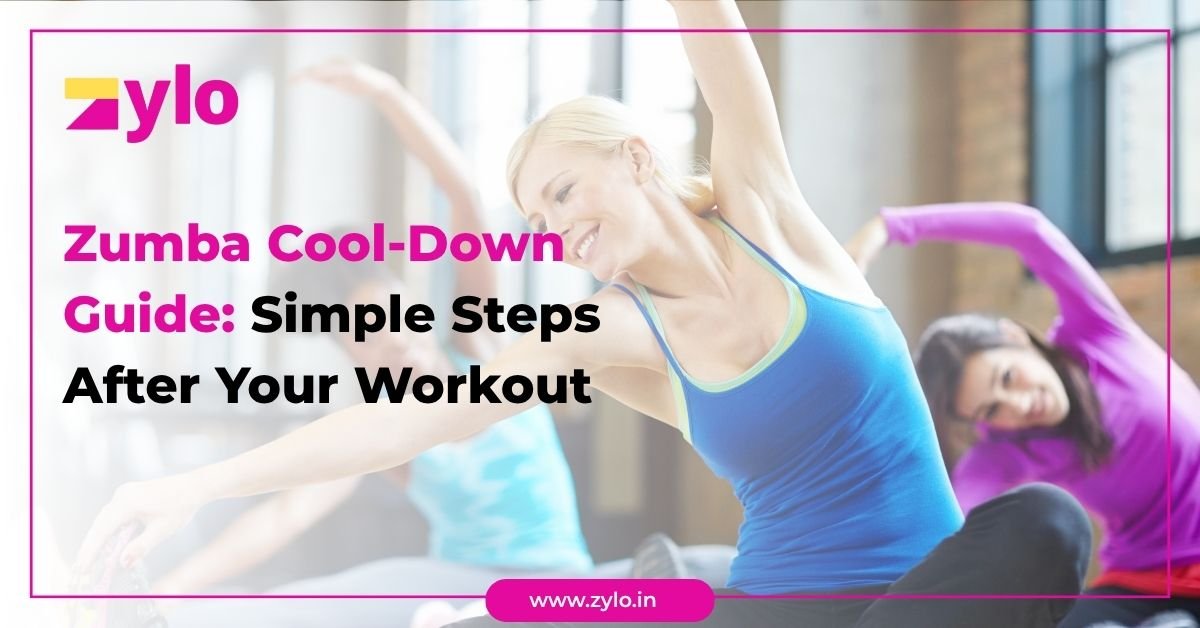
Zumba is an energetic workout that combines dance-inspired movements with cardio exercises. After moving, dancing, and exercising at a faster pace, your body needs a gradual transition back to a relaxed state. This is where a proper cool-down becomes an important part of your workout routine.
A cool-down does not need to be complicated or lengthy. A few minutes of gentle movement, controlled breathing, and stretching can help you transition from an active workout to your normal daily activities. It can also give you time to slow your breathing, relax your muscles, and become more aware of how your body feels after exercise.
Whether you are doing Zumba at home, attending a studio class, or following Online Zumba Classes India, adding a cool-down to the end of your session can make your overall workout routine more complete.
What Is a Zumba Cool-Down?
A Zumba cool-down is a short period of low-intensity movement performed after the main workout. Instead of suddenly stopping after an energetic dance session, you gradually reduce the intensity of your movements.
During Zumba, your body may be moving continuously through steps such as side-to-side movements, knee lifts, turns, squats, and dance combinations. Your heart rate and breathing can increase as your body works harder.
A cool-down gives you an opportunity to slowly reduce that activity. You can move from faster dance steps to gentle walking, followed by simple stretches and breathing exercises.
A typical cool-down may take around five to ten minutes, although the exact duration can depend on the intensity and length of your workout.
Why Is Cooling Down After Zumba Important?
Stopping an intense workout suddenly may leave you feeling uncomfortable or light-headed, especially if you have been exercising at a high intensity. A gradual cool-down gives your body time to transition from exercise to rest.
Cooling down can also help you mentally shift from an energetic workout into a more relaxed state. This can be especially useful if you exercise in the evening or after a busy workday.
A proper cool-down may include gentle movement, stretching, and breathing. These simple activities can help you feel more comfortable as your workout comes to an end.
The goal is not to continue exercising intensely. Instead, the goal is to reduce the intensity gradually and allow your body to settle.
Step 1: Slow Down Your Movements
The first step of a Zumba cool-down is to reduce the intensity of your movements.
If you have just completed a fast dance combination, do not stop immediately. Start by slowing down your steps. You can walk gently in place or take slow steps from side to side.
Keep your movements relaxed and controlled. There is no need to focus on speed or performance during this stage.
Continue for about one to two minutes while allowing your breathing to become slower and more comfortable.
You can gradually reduce arm movements as well. Instead of energetic arm swings, let your arms move naturally beside your body.
Step 2: Walk Gently in Place
Walking in place is a simple way to continue moving while lowering workout intensity.
Lift your feet gently and maintain a comfortable pace. Keep your shoulders relaxed and allow your arms to swing naturally.
As your body begins to settle, gradually slow the walking movement.
This step can be particularly useful after a high-energy Zumba session because it keeps your body moving without requiring complicated coordination.
If you feel tired, reduce the pace further. Your cool-down should feel comfortable rather than challenging.
Step 3: Focus on Controlled Breathing
Once your movements have slowed down, pay attention to your breathing.
After an energetic workout, breathing may still be faster than normal. Take slow, comfortable breaths without forcing them.
You can inhale gently through your nose and exhale slowly. Try to relax your shoulders while breathing.
The purpose is not to perform advanced breathing exercises. Simply allow your breathing to become calmer and more regular.
Combining slow movement with controlled breathing can also make the final part of your workout feel more relaxing.
Step 4: Relax Your Shoulders and Arms
Zumba involves frequent arm movements, especially during dance combinations. After your workout, gently release tension from your shoulders and arms.
Roll your shoulders slowly in a comfortable range of motion. You can move them backward and then forward without forcing the movement.
Next, gently shake out your arms and wrists.
You can also stretch one arm across your chest while keeping the movement comfortable. Hold the stretch briefly, then switch sides.
Avoid pulling aggressively on your arms. A cool-down stretch should feel gentle rather than painful.
Step 5: Stretch Your Legs
Your legs perform a large amount of work during Zumba. They may be involved in stepping, jumping, squatting, turning, and moving from side to side.
After the main workout, gentle leg stretches can be included in your cool-down.
A simple standing calf stretch can be performed by placing one foot slightly behind the other and gently shifting your weight while keeping the movement comfortable.
You can also perform a gentle quadriceps stretch if it feels appropriate for you. Hold onto a stable surface if you need support.
For the back of your legs, a comfortable hamstring stretch can be included. Keep your movements controlled and avoid bouncing.
The objective is relaxation and comfortable mobility, not maximum flexibility.
Step 6: Stretch Your Hips
Dance workouts involve many hip movements, making the hips another area that can benefit from gentle stretching.
You can stand comfortably and make small, controlled hip movements. Alternatively, you can perform a gentle lunge-based stretch if it feels comfortable.
Keep your torso stable and avoid forcing your hips into a deep position.
If you are new to exercise, choose simpler stretches and spend only a short amount of time in each position.
The cool-down should leave you feeling comfortable rather than exhausted.
Step 7: Include a Gentle Back Stretch
Your back can also participate in many Zumba movements. Twisting, turning, and maintaining posture throughout a workout may require continuous involvement from your core and back muscles.
A gentle standing stretch can help you transition into a relaxed position.
You can slowly reach your arms upward and then bring them down while maintaining comfortable posture.
Another option is a gentle forward movement where you allow your upper body to relax without forcing yourself toward the floor.
If you have an existing back problem or injury, choose movements that have been recommended for your individual situation.
Step 8: Give Your Body Time to Relax
After stretching, take a short moment to stand or sit comfortably.
Let your arms rest naturally. Relax your shoulders and take a few slow breaths.
This final pause can help you recognize how your body feels after the workout.
You may notice that your breathing has become calmer and your body feels warmer or more relaxed. This is a good time to avoid immediately rushing into another physically demanding activity.
Even one or two quiet minutes can make your workout ending feel more intentional.
How Long Should a Zumba Cool-Down Be?
A cool-down can generally last around five to ten minutes after a typical Zumba session. However, the ideal duration depends on the intensity and length of your workout.
For a short and moderate session, five minutes of gradual movement and stretching may be enough.
After a longer or more energetic session, you may prefer a longer cool-down with additional gentle movement and stretching.
The important point is consistency. Instead of skipping the cool-down because you are short on time, even a few minutes can be useful for gradually transitioning out of your workout.
Simple 10-Minute Zumba Cool-Down Routine
If you want a straightforward routine, you can follow this example:
Minute 1: Walk slowly in place.
Minute 2: Continue walking while gradually reducing your pace.
Minute 3: Take slow, comfortable breaths and relax your shoulders.
Minute 4: Perform gentle shoulder and arm movements.
Minute 5: Stretch one calf and then the other.
Minute 6: Perform a gentle quadriceps or thigh stretch.
Minute 7: Stretch the back of your legs comfortably.
Minute 8: Include a gentle hip or lunge stretch.
Minute 9: Perform a comfortable upper-body or back stretch.
Minute 10: Sit or stand quietly and take several relaxed breaths.
You can modify this routine according to your fitness level and comfort.
Should You Stretch Immediately After Zumba?
Gentle stretching can be included after your body has already begun slowing down.
It is generally more comfortable to first reduce the intensity with slow walking or other gentle movements. After that, you can introduce relaxed stretches.
Avoid forcing a stretch because your muscles may feel tired after exercise.
You do not need to hold every stretch for a long period. Focus on comfortable positions and controlled breathing.
If a movement causes sharp pain, stop and choose a different movement.
Common Cool-Down Mistakes to Avoid
One common mistake is stopping immediately after the final Zumba song. Give yourself a few minutes to transition gradually.
Another mistake is stretching too aggressively. A cool-down is not the time to test your maximum flexibility.
Some people also forget to drink enough fluids after exercising. Hydration needs vary between individuals and depend on factors such as workout intensity, duration, temperature, and sweating.
Another mistake is making the cool-down too complicated. You do not need a long list of advanced stretches. Simple movements performed consistently can be easier to maintain.
Finally, do not ignore unusual symptoms. If you experience severe dizziness, chest pain, significant shortness of breath, or other concerning symptoms during or after exercise, stop exercising and seek appropriate medical attention.
Cooling Down After Zumba at Home
One advantage of exercising at home is that you can create a simple cool-down space without needing special equipment.
Keep a small area clear so you can walk and stretch safely after the workout. A yoga mat can be useful for floor-based stretches, although it is not essential for every cool-down.
You can also keep water nearby and wear comfortable clothing that allows unrestricted movement.
If you follow a guided class, choose sessions that include a proper cool-down or leave enough time at the end to complete one yourself.
When using Online Zumba Classes India, remember that a video may finish immediately after the main workout. You can pause the session or continue with your own gentle cool-down routine.
How Beginners Can Approach a Cool-Down
Beginners do not need to copy advanced stretching routines.
Start with basic movements such as walking slowly, moving the shoulders, relaxing the arms, and performing gentle leg stretches.
Pay attention to how your body responds. If you are breathing heavily, spend more time walking gently before moving into stretches.
Beginners should also avoid comparing their flexibility with other people. Flexibility develops differently for everyone.
The purpose of a cool-down is to help you transition comfortably after exercise, not to achieve a particular stretching position.
Cool-Down for More Experienced Zumba Participants
People who regularly participate in Zumba may be comfortable with a wider variety of stretches and mobility exercises.
However, experience does not mean you need to make the cool-down extremely intense.
Even experienced participants can benefit from keeping the final movements controlled and relaxed.
You can vary your cool-down depending on the workout. After a session with more lower-body movements, you may spend additional time on the legs. After a workout involving many arm movements, you can include more shoulder and upper-body mobility.
How Often Should You Cool Down?
Ideally, include a cool-down after most Zumba workouts, particularly when the session has been energetic or prolonged.
Making it part of your normal routine can prevent it from feeling like an additional task.
For example, you can create a simple habit:
Workout → Slow walking → Breathing → Stretching → Relaxation.
Once this sequence becomes familiar, you will know exactly what to do after your workout.
Consistency is often more practical than creating a complicated routine that you rarely follow.
The Role of Hydration and Recovery
A cool-down is only one part of post-workout recovery.
After exercising, consider your hydration, meals, sleep, and overall activity level. Drinking fluids can help replace water lost through sweating.
A balanced meal or snack can also be appropriate depending on your overall nutrition needs and when you exercised.
Rest is equally important. Your body needs adequate recovery between demanding workouts.
If you experience persistent muscle pain, repeated dizziness, or other unusual symptoms, consider discussing them with a qualified healthcare professional.
How to Make Your Cool-Down More Enjoyable
Your cool-down does not have to feel boring.
You can use calm music, lower the volume, or choose a slower song for the final few minutes of your session.
You can also treat this time as a transition between exercise and the rest of your day.
Instead of thinking about the cool-down as another workout, think of it as a gradual closing routine.
Over time, this can make the end of your Zumba session feel calmer and more organized.
Final Thoughts
A Zumba workout can be energetic, enjoyable, and physically demanding. After completing the main session, taking a few minutes to cool down gives your body time to gradually move from exercise toward rest.
A simple cool-down can include slow walking, controlled breathing, shoulder movements, gentle leg stretches, hip mobility, and a short period of relaxation.
You do not need complicated exercises or expensive equipment. The most important thing is to keep the movements comfortable and controlled.
Whether you exercise at home, attend a fitness studio, or follow online sessions, make your cool-down a regular part of your routine. A few mindful minutes at the end of each workout can help you finish your Zumba session in a calm and structured way.