Zumba is a fun and energetic workout that combines dance-inspired movements with aerobic exercise. Because Zumba sessions can involve continuous movement, changes in direction, faster steps, and full-body actions, preparing your body before dancing is an important part of the workout.
A proper warm-up gradually prepares your muscles, joints, heart, and breathing system for physical activity. It can also help you move more comfortably once the main workout begins. Whether you are a complete beginner or already enjoy regular Zumba sessions, spending a few minutes warming up can make your workout feel more comfortable and organized.
What Is a Zumba Warm-Up?
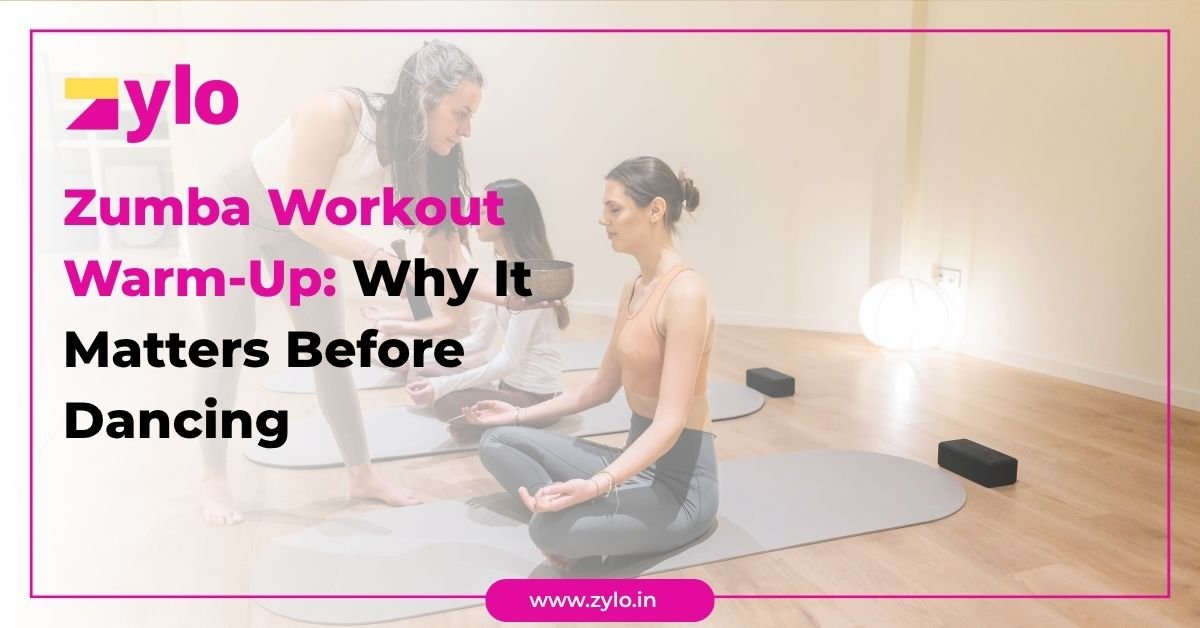
A Zumba warm-up is a short period of low-to-moderate intensity movement performed before the main dance workout. It usually includes simple movements that gradually increase body temperature and prepare the major muscle groups.
A warm-up does not need to be complicated. You can start with easy marching, side steps, shoulder movements, gentle knee lifts, and controlled hip movements.
The intensity can then gradually increase as your body becomes ready for more energetic dancing.
Why Is Warming Up Important Before Zumba?
Zumba can be physically demanding because it often involves repeated steps, rhythmic movements, squats, turns, kicks, and arm actions.
Starting suddenly at a high intensity may feel uncomfortable, particularly if your body is stiff or you have been sitting for a long time.
A gradual warm-up helps you transition from rest to exercise. It can make the first few minutes of your Zumba workout feel smoother and allow you to focus on your posture and movement technique.
How Long Should a Zumba Warm-Up Last?
There is no single warm-up duration that works for everyone.
For many recreational workouts, around five to ten minutes of gradual movement can be a practical starting point. If you are exercising in a cold environment, have been inactive for a while, or are preparing for a particularly energetic session, you may choose to spend a little more time warming up.
The goal is not to become exhausted before the actual workout. You should finish your warm-up feeling prepared rather than tired.
Start With Easy Marching
Marching in place is one of the simplest ways to begin.
Stand comfortably with your feet apart and alternate lifting your knees gently. Allow your arms to move naturally.
Start slowly and gradually increase your pace.
After a minute or two, you can turn the marching into a more rhythmic movement to match the style of the upcoming Zumba session.
Marching is especially useful for beginners because it is easy to understand and can be modified according to fitness level.
Add Side Steps
Side steps can help introduce lateral movement before the main workout.
Step to one side, bring the other foot toward it, and then repeat in the opposite direction.
Keep your knees slightly relaxed and maintain comfortable control.
You can gradually add arm movements as you become more comfortable.
Side-to-side movements can also help you become familiar with changing direction before the faster choreography begins.
Include Gentle Knee Lifts
Knee lifts can gradually increase the intensity of the warm-up.
Lift one knee at a time while maintaining an upright posture. Keep the movement controlled and avoid forcing the knee higher than feels comfortable.
As your body warms up, you can slightly increase the pace.
You can also coordinate the movement with simple arm actions to make it feel more like a dance warm-up.
Move Your Shoulders and Arms
Zumba is not only a lower-body workout. Many routines involve arm movements, so your shoulders and upper body should also be prepared.
Try gentle:
- Shoulder rolls
- Arm circles
- Arm swings
- Elbow movements
- Controlled reaches
Keep the movements comfortable and avoid forcing your joints into large ranges of motion.
The purpose is to prepare the upper body rather than perform intense stretching.
Use Gentle Hip Movements
Hip movements are common in many dance-based workouts.
During your warm-up, you can include controlled side-to-side hip movements or gentle hip circles.
Keep your movements relaxed and within a comfortable range.
This can help you transition into the rhythm of the workout without immediately performing fast or exaggerated movements.
Add Gradual Squats
Once your body has warmed up, you can include a few controlled bodyweight squats.
Stand with your feet comfortably apart. Bend your knees and lower your hips as far as feels comfortable while keeping control of the movement. Then return to standing.
You do not need to perform deep squats during the warm-up.
The focus should be on preparing your legs and practicing controlled movement.
Avoid Static Stretching as the Main Warm-Up
A common approach to warming up is to perform long static stretches before exercise. However, your pre-workout routine does not need to consist primarily of prolonged stretching.
Dynamic movements that gradually increase your range of motion are often more practical before an energetic dance workout.
You can save longer, relaxed stretches for the cool-down period.
For example, instead of holding a deep leg stretch for a long time before Zumba, you can perform controlled leg movements and gentle knee bends as part of your warm-up.
Prepare Your Heart and Breathing
A warm-up should gradually increase your breathing and heart rate.
You may notice that your breathing becomes slightly faster as you move from easy marching to knee lifts and side steps.
This gradual increase helps you transition into the more energetic portion of the workout.
You should still feel comfortable during the warm-up. If you become extremely breathless before the main session starts, reduce the intensity.
A Simple 8-Minute Zumba Warm-Up
You can create a simple warm-up using the following sequence:
Minute 1: Easy marching in place
Minute 2: Marching with gentle arm movements
Minute 3: Side-to-side steps
Minute 4: Knee lifts
Minute 5: Shoulder rolls and arm circles combined with stepping
Minute 6: Gentle hip movements and side steps
Minute 7: Controlled squats and alternating knee lifts
Minute 8: Light dance steps that gradually approach the pace of the main workout
This is only an example. You can adjust the movements according to your fitness level and the upcoming workout.
Warm-Up for Zumba Beginners
Beginners may need more time to become comfortable with the movements.
If you are new to Zumba, focus on simple steps rather than trying to copy every movement immediately.
Your warm-up can include basic marching, side steps, knee lifts, and gentle arm movements.
You should not worry about getting every dance step perfect. The goal is to prepare your body and become comfortable with movement.
As your coordination improves, you can gradually introduce more complex steps.
Warm-Up for Experienced Participants
More experienced participants can use the warm-up to prepare for the specific movements they will perform during the session.
If the upcoming workout includes lots of lateral steps, include more side-to-side movements.
If it includes repeated squats and knee lifts, gradually introduce those movements during the warm-up.
Experienced participants should still avoid rushing into maximum intensity simply because they are familiar with Zumba.
Why Warm-Up Matters for Coordination
Zumba involves both physical movement and rhythm.
You may need to coordinate your arms, legs, direction, and timing while following music.
A gradual warm-up gives you an opportunity to become mentally focused on movement.
Starting with simple steps allows your body to transition into the rhythm before more complicated choreography begins.
This can make the workout feel less overwhelming, particularly for beginners.
Warm-Up and Range of Motion
Dance workouts often require movement through different directions.
A good warm-up can include controlled movements that gradually explore comfortable ranges of motion.
For example, you can gently move your arms overhead, step sideways, rotate your torso comfortably, and bend your knees.
Avoid forcing any movement beyond your comfortable range.
The goal is preparation, not testing how flexible you are.
Warm-Up Before Online Zumba Classes
Online workouts make it easy to exercise at home, but they also require you to take responsibility for preparing your body.
Some instructors include a warm-up at the beginning of their session, while others may start at a faster pace.
If you are following Zumba Online classes, check whether the instructor includes a dedicated warm-up. If the session starts quickly, spend a few minutes doing your own gentle preparation beforehand.
Make sure you have enough open space around you to move safely and reduce the risk of bumping into furniture or other objects.
Choose the Right Shoes and Clothing
Your warm-up is also a good time to make sure your clothing and footwear feel comfortable.
Choose clothing that allows you to move freely without restricting your legs, hips, shoulders, or arms.
Shoes should feel secure and comfortable for the type of surface you are exercising on.
Avoid exercising in footwear that makes you feel unstable or uncomfortable.
Your workout environment matters too. Keep the floor clear and make sure you have enough space for side steps and turns.
Listen to Your Body
Warm-ups should prepare you for exercise, not force you through discomfort.
Mild muscle stiffness may improve as you begin moving, but sharp pain, significant discomfort, dizziness, or unusual shortness of breath should not be ignored.
If something does not feel right, stop and rest.
People with injuries, medical conditions, or specific health concerns should consider getting appropriate professional guidance before starting a new exercise routine.
Common Warm-Up Mistakes
Several mistakes can reduce the usefulness of your warm-up.
One mistake is skipping it completely because you are short on time.
Another is making the warm-up so intense that you become tired before the main workout.
Some people also perform movements too quickly or force their joints through large ranges of motion.
Another common mistake is treating the warm-up as a competition.
Your warm-up should be controlled, progressive, and appropriate for your individual fitness level.
Why Consistency Matters
A warm-up is only one part of a healthy Zumba routine.
Regular exercise, balanced nutrition, hydration, adequate recovery, and good sleep also contribute to overall wellness.
If you enjoy dance workouts, building a consistent weekly schedule can make physical activity easier to maintain.
For example, you might perform Zumba two or three times per week and use other days for walking, strength training, yoga, or recovery activities.
The best routine is one that fits your lifestyle and can be maintained over time.
How to Make Your Warm-Up Enjoyable
Because Zumba is a dance-based workout, your warm-up does not have to feel boring.
You can play upbeat music, use simple dance movements, and gradually build your rhythm.
Try changing between marching, side steps, knee lifts, and arm movements instead of repeating a single exercise.
You can also use the warm-up as an opportunity to mentally prepare for the class.
Once the main workout begins, you will already be moving comfortably and following the rhythm.
Cool Down After Your Zumba Workout
Just as warming up prepares you for exercise, cooling down can help you transition out of a high-energy workout.
After completing your Zumba session, gradually reduce your pace.
Walk slowly, take comfortable breaths, and allow your body to settle.
You can then perform gentle stretches for your calves, thighs, hips, shoulders, and back.
Avoid bouncing during stretches. Keep movements comfortable and controlled.
A few minutes of cool-down activity can make the transition from exercise to normal daily activity more gradual.
Can You Do Zumba Without a Warm-Up?
Although some people may feel comfortable starting with light movements, it is generally better to prepare your body before jumping into an energetic workout.
Zumba can involve quick changes in movement and intensity, so a few minutes of gradual activity can make the transition easier.
If your class already includes a warm-up, follow the instructor’s sequence. If it does not, add your own gentle preparation before beginning the faster choreography.
Frequently Asked Questions
Is five minutes enough for a Zumba warm-up?
Five minutes can be a reasonable starting point for a simple warm-up, especially when the session begins at a moderate pace. You can spend more time warming up if needed.
Should beginners warm up before Zumba?
Yes. Beginners can benefit from gradually preparing their body and becoming familiar with basic movements before the workout becomes more energetic.
Can I use Zumba as my warm-up?
Some very light Zumba movements can function as a warm-up if the intensity increases gradually. However, jumping directly into fast choreography is different from gradually preparing your body.
Should I stretch before Zumba?
Gentle dynamic movements are generally more suitable as the main part of a pre-workout warm-up. Longer relaxed stretches can be included during the cool-down.
Can I warm up at home before an online class?
Yes. If your online class does not provide enough warm-up time, you can perform a few minutes of marching, side steps, knee lifts, and gentle arm movements before the session begins.
What should I do if I feel pain during warm-up?
Stop the movement and assess how you feel. Do not try to push through sharp or significant pain. If the pain persists or concerns you, seek appropriate professional advice.
Final Thoughts
A warm-up is a simple but important part of a Zumba workout. It gradually prepares your body for dancing, increases movement intensity, improves coordination, and helps you transition from rest into exercise.
A good warm-up does not need to be complicated. Five to ten minutes of marching, side steps, knee lifts, arm movements, gentle squats, and controlled dance steps can provide a practical preparation routine.
If you enjoy Zumba Online workouts, remember to check whether the instructor includes a warm-up and make sure your home practice area is safe and spacious enough for movement.
Most importantly, listen to your body, choose an appropriate intensity, and focus on enjoying the workout. With a consistent approach to warm-up, exercise, recovery, and healthy lifestyle habits, Zumba can become an enjoyable part of your regular fitness routine.