

Zumba is a fun and energetic way to make exercise a regular part of your lifestyle. It combines dance-inspired movements with aerobic exercise, making workouts feel more like an enjoyable activity than a traditional gym routine. For beginners, one of the most common questions is: How often should you do Zumba?
The answer depends on your fitness level, goals, schedule, recovery needs, and overall lifestyle. While some people may enjoy Zumba several times a week, beginners may benefit from starting slowly and allowing their bodies enough time to adjust. Creating a consistent routine is generally more important than exercising intensely every day.
Whether your goal is to improve fitness, support weight management, increase stamina, or simply enjoy regular movement, understanding how often to practice Zumba can help you build a sustainable workout routine.
Understanding Zumba for Beginners
Zumba is a dance-based fitness workout that typically combines rhythmic movements with aerobic activity. Sessions can include movements inspired by different dance styles along with exercises that keep the body moving continuously.
For beginners, Zumba can be appealing because it offers variety and encourages active participation. Instead of repeating the same exercises every session, different songs, combinations, and movement patterns can keep workouts interesting.
However, beginners should remember that enjoying a workout does not mean pushing the body beyond its limits. Starting with manageable sessions can help build confidence, coordination, endurance, and consistency over time.
How Often Should Beginners Do Zumba?
For most beginners, starting with can be a practical approach. This gives the body time to adapt while still providing enough regular movement to develop a routine.
A beginner might start with sessions on Monday, Wednesday, and Saturday, allowing recovery time between workouts. As fitness and stamina improve, the frequency can gradually increase if the body feels comfortable.
The ideal frequency is not necessarily the same for everyone. Someone who is completely new to exercise may need more recovery time, while a person who already participates in other physical activities may be able to handle more frequent sessions.
The main goal should be consistency. Doing Zumba two or three times every week for several months can be more sustainable than exercising intensely every day for a short period and then stopping.
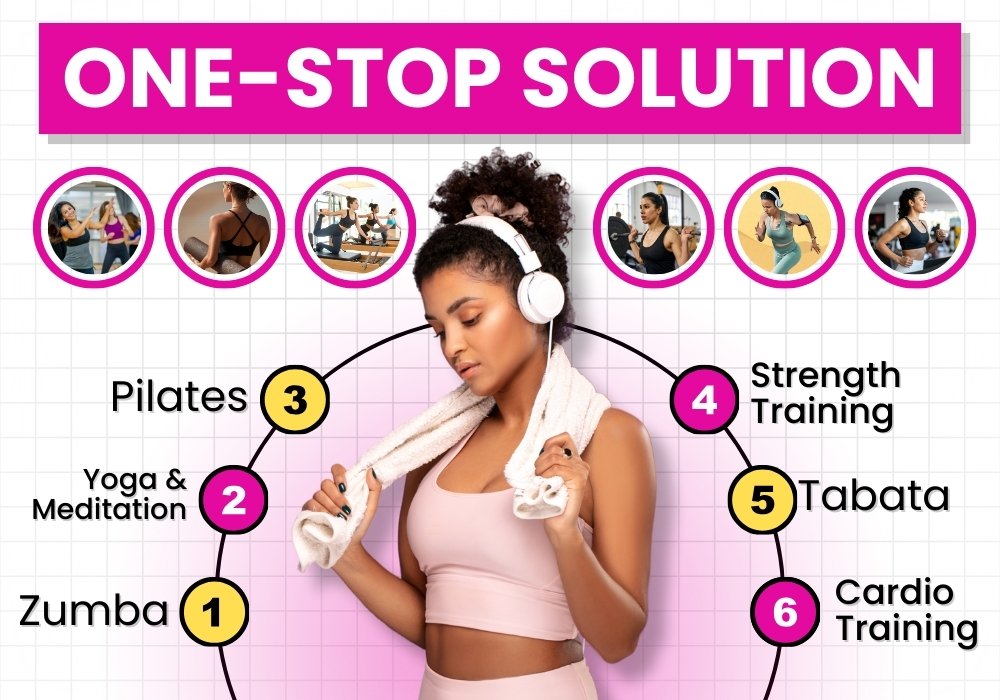
How Long Should a Zumba Session Last?
Beginners do not necessarily need long workouts. A session of around can be a comfortable starting point for many people.
If you are new to exercise, you can begin with shorter sessions and gradually increase the duration as your stamina improves. Paying attention to how your body responds is important.
A typical session may include:
- A warm-up
- Dance-inspired movements
- Cardio-focused combinations
- Moderate to energetic movements
- A cool-down period
The intensity can vary depending on the instructor, workout format, music, and individual effort.
Instead of focusing only on workout duration, beginners should also consider how they feel during and after the session.
Should You Do Zumba Every Day?
Doing some form of movement every day can be part of an active lifestyle, but that does not mean you need to perform a high-intensity Zumba workout every day.
Your body needs time to recover, particularly if you are new to exercise. Repeating demanding workouts without adequate recovery may leave you feeling excessively tired or uncomfortable.
If you want to stay active on non-Zumba days, consider lighter activities such as:
- Walking
- Gentle stretching
- Mobility exercises
- Light yoga
- Relaxed cycling
- Everyday physical activity
This approach can help you maintain movement throughout the week while giving your body a break from more demanding sessions.
A Simple Weekly Zumba Schedule for Beginners
Creating a weekly schedule can make it easier to stay consistent.
Monday – Zumba
Start the week with a beginner-friendly Zumba session. Focus on learning movements and enjoying the workout rather than trying to perform every step perfectly.
Tuesday – Recovery or Light Activity
Take a recovery day. A relaxed walk or gentle stretching can keep you moving without adding significant workout stress.
Wednesday – Zumba
Complete another Zumba session. You may notice that some movements feel easier than they did during your first session.
Thursday – Rest
Give your body time to recover. Rest is an important part of any sustainable fitness routine.
Friday – Optional Light Activity
Depending on your energy levels, choose walking, stretching, or another comfortable activity.
Saturday – Zumba
A weekend session can provide another opportunity to enjoy Zumba while maintaining a consistent weekly routine.

Sunday – Rest or Gentle Movement
Use the day for recovery, relaxation, or light movement.
This is only an example. Your schedule can be adjusted according to your lifestyle, fitness level, and personal goals.
How Zumba Frequency Can Change With Your Fitness Level
Your ideal Zumba frequency may change as your fitness improves.
During the first few weeks, two sessions per week may be enough. Once your body becomes more accustomed to the movements, you might comfortably increase to three sessions.
More experienced participants may choose four or more sessions per week, especially when workouts are balanced with adequate recovery and other forms of physical activity.
There is no requirement to reach a particular number of sessions. The best routine is one that fits your lifestyle and can be maintained over time.
Zumba and Weight Management
Zumba can be part of a weight-management routine because it provides an opportunity to stay physically active. However, weight management involves more than one type of exercise.
Nutrition, sleep, daily activity, stress management, and overall lifestyle habits can all influence results.
If your goal is weight management, focus on creating sustainable habits rather than expecting immediate changes. Regular Zumba sessions combined with balanced eating and an active lifestyle can support your overall fitness journey.
It is also important to remember that body weight can naturally fluctuate. Progress can be reflected in several ways, including improved stamina, better movement, increased energy, and greater confidence.
Zumba for Improving Cardiovascular Fitness
One reason people enjoy regular Zumba is that it can provide an aerobic workout. Moving continuously for a period of time can challenge the cardiovascular system and help improve endurance.
Beginners may notice that they become tired quickly during their first few sessions. With consistent practice, everyday movements and workouts may begin to feel easier.
As your endurance improves, you may be able to participate for longer periods or handle more energetic combinations comfortably.
However, intensity should always be appropriate for your current fitness level. If you experience unusual pain, dizziness, or significant discomfort, stop exercising and seek appropriate medical advice.
Why Consistency Matters More Than Exercising Every Day
One of the biggest mistakes beginners can make is believing that more exercise automatically means better results.
Fitness is a long-term process. Exercising excessively for a few days does not necessarily create sustainable progress. A consistent schedule that you can maintain for weeks and months is generally more practical.
For example, completing three enjoyable Zumba sessions every week may be easier to maintain than planning seven demanding workouts and quickly becoming exhausted.
Consistency also helps turn exercise into a habit. Once Zumba becomes a regular part of your weekly schedule, it may feel easier to continue.
Finding a Routine That Fits Your Lifestyle
Your workout schedule should work with your daily responsibilities.
If you have a busy job, family commitments, studies, or household responsibilities, you may not have time for long workouts every day. Instead of giving up completely, schedule shorter and realistic sessions.
For example, you could choose three fixed days each week and treat them as dedicated workout times.
For women looking for a convenient way to exercise at home, Online Zumba Classes For Ladies can make it easier to fit dance-based workouts into a busy schedule without needing to travel to a fitness center.
The most useful routine is one that reduces unnecessary barriers and makes regular participation easier.

How to Know If You Are Doing Too Much Zumba
More workouts are not always better. Your body may give you signs that you need additional recovery.
Potential signs that you may need to reduce workout frequency or intensity include:
- Persistent muscle soreness
- Unusual or ongoing fatigue
- Reduced motivation
- Difficulty recovering between sessions
- Poor sleep
- Reduced performance
- Pain during movement
Normal muscle tiredness after a new activity can happen, but persistent or significant symptoms should not be ignored.
Listen to your body and give yourself appropriate recovery time.
Warm-Up and Cool-Down Are Important
Every Zumba session should include preparation and recovery.
A warm-up gradually prepares your body for movement. It can include gentle walking, mobility movements, and low-intensity versions of the exercises you will perform.
After the workout, a cool-down can help you gradually reduce activity levels. Gentle stretching may also be comfortable after a session.
Skipping preparation and recovery may make the workout feel more difficult, particularly for beginners.
How to Stay Motivated With Zumba
Motivation can naturally go up and down. Instead of depending entirely on motivation, create a routine that makes participation easier.
Choose workout times that fit your schedule. Keep comfortable workout clothing ready. Select sessions that match your current ability level and enjoy music or movement styles that keep you interested.
You can also set small goals, such as:
- Completing two sessions each week
- Increasing workout consistency
- Learning new combinations
- Improving coordination
- Completing a full beginner session comfortably
Small achievements can help build confidence and make the process more enjoyable.
Combining Zumba With Other Activities
Zumba does not have to be your only form of exercise.
A balanced fitness routine can include different types of movement. Depending on your goals and abilities, you may combine Zumba with strength exercises, walking, mobility work, stretching, or yoga.
Strength training can help develop muscular strength, while flexibility and mobility exercises can support comfortable movement.
Combining activities can also reduce boredom and give different parts of your fitness routine attention.
What Beginners Should Remember
There is no universal number of Zumba sessions that works perfectly for everyone. Your ideal schedule depends on your current fitness level, goals, recovery, and lifestyle.
If you are just starting, 2 to 3 sessions per week is a reasonable starting point for many people. As you become more comfortable, you can adjust the frequency according to how your body responds.
Focus on quality, consistency, recovery, and enjoyment rather than trying to exercise as much as possible.
Final Thoughts
Zumba can be an enjoyable way for beginners to introduce more movement into their weekly routine. Starting with two or three sessions per week can help your body gradually adapt while giving you enough recovery time.
As your stamina and confidence improve, you can adjust the frequency and duration of your sessions. Remember that rest is also part of fitness, and you do not need to perform intense workouts every day to maintain an active lifestyle.
The key is to create a routine that you genuinely enjoy and can maintain over the long term. With realistic goals, regular movement, proper recovery, and a balanced lifestyle, Zumba can become a sustainable part of your fitness journey.w Often Should You Do Zumba? A Complete Guide for Beginners
Zumba is a fun and energetic way to make exercise a regular part of your lifestyle. It combines dance-inspired movements with aerobic exercise, making workouts feel more like an enjoyable activity than a traditional gym routine. For beginners, one of the most common questions is: How often should you do Zumba?
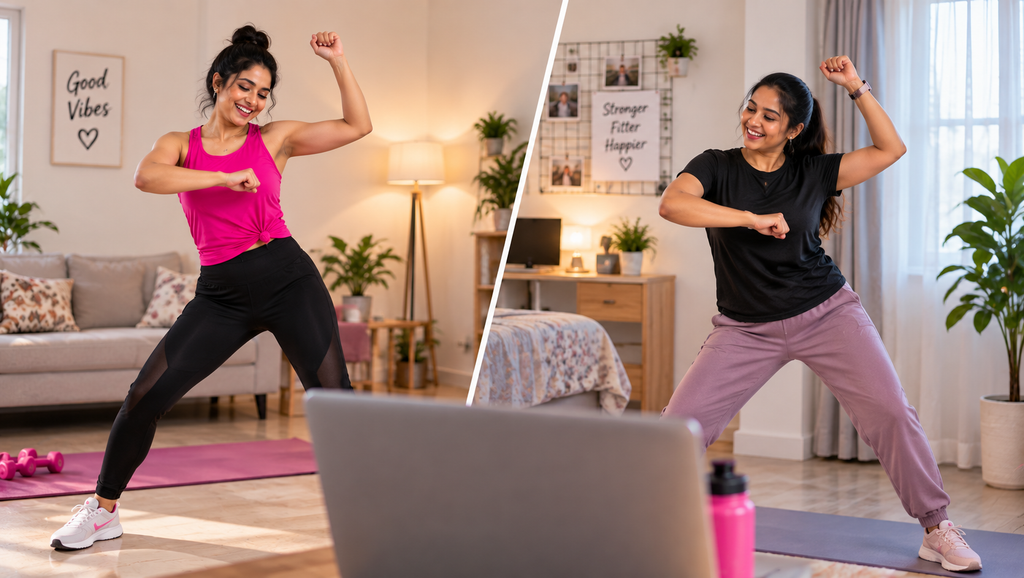
The answer depends on your fitness level, goals, schedule, recovery needs, and overall lifestyle. While some people may enjoy Zumba several times a week, beginners may benefit from starting slowly and allowing their bodies enough time to adjust. Creating a consistent routine is generally more important than exercising intensely every day.
Whether your goal is to improve fitness, support weight management, increase stamina, or simply enjoy regular movement, understanding how often to practice Zumba can help you build a sustainable workout routine.
Understanding Zumba for Beginners
Zumba is a dance-based fitness workout that typically combines rhythmic movements with aerobic activity. Sessions can include movements inspired by different dance styles along with exercises that keep the body moving continuously.
For beginners, Zumba can be appealing because it offers variety and encourages active participation. Instead of repeating the same exercises every session, different songs, combinations, and movement patterns can keep workouts interesting.
However, beginners should remember that enjoying a workout does not mean pushing the body beyond its limits. Starting with manageable sessions can help build confidence, coordination, endurance, and consistency over time.
How Often Should Beginners Do Zumba?
For most beginners, starting with 2 to 3 Zumba sessions per week can be a practical approach. This gives the body time to adapt while still providing enough regular movement to develop a routine.
A beginner might start with sessions on Monday, Wednesday, and Saturday, allowing recovery time between workouts. As fitness and stamina improve, the frequency can gradually increase if the body feels comfortable.
The ideal frequency is not necessarily the same for everyone. Someone who is completely new to exercise may need more recovery time, while a person who already participates in other physical activities may be able to handle more frequent sessions.
The main goal should be consistency. Doing Zumba two or three times every week for several months can be more sustainable than exercising intensely every day for a short period and then stopping.
How Long Should a Zumba Session Last?
Beginners do not necessarily need long workouts. A session of around 30 to 45 minutes can be a comfortable starting point for many people.
If you are new to exercise, you can begin with shorter sessions and gradually increase the duration as your stamina improves. Paying attention to how your body responds is important.
A typical session may include:
- A warm-up
- Dance-inspired movements
- Cardio-focused combinations
- Moderate to energetic movements
- A cool-down period
The intensity can vary depending on the instructor, workout format, music, and individual effort.
Instead of focusing only on workout duration, beginners should also consider how they feel during and after the session.
Should You Do Zumba Every Day?
Doing some form of movement every day can be part of an active lifestyle, but that does not mean you need to perform a high-intensity Zumba workout every day.
Your body needs time to recover, particularly if you are new to exercise. Repeating demanding workouts without adequate recovery may leave you feeling excessively tired or uncomfortable.
If you want to stay active on non-Zumba days, consider lighter activities such as:
- Walking
- Gentle stretching
- Mobility exercises
- Light yoga
- Relaxed cycling
- Everyday physical activity
This approach can help you maintain movement throughout the week while giving your body a break from more demanding sessions.