Digestive health plays an important role in overall well-being, but problems such as irritable bowel syndrome (IBS) and constipation can make everyday life uncomfortable. People experiencing these conditions may deal with abdominal pain, bloating, gas, irregular bowel movements and a constant feeling of digestive discomfort. These symptoms can affect energy levels, sleep, mood and even the motivation to exercise.
Although diet and medical treatment are important parts of digestive health management, physical activity can also play a valuable role. Regular movement may support bowel function, improve intestinal movement and help reduce certain IBS symptoms. Activities such as walking, cycling, gentle yoga and low-impact aerobic workouts can be useful additions to a balanced lifestyle.
For women managing busy schedules, finding time for exercise can sometimes feel difficult. Home-based fitness activities offer flexibility and make it easier to maintain consistency. Zumba Workouts At Home For Busy Women can be an enjoyable option for those who like dancing and want to include movement in their daily routine. However, people with IBS should choose workout intensity according to their symptoms and comfort.
Understanding Exercise For IBS can help individuals make better fitness decisions and develop a routine that supports digestive health without putting unnecessary stress on the body.
This article explores the relationship between physical activity, IBS and constipation, explains suitable exercises, discusses workout precautions and shares practical ways to build a sustainable fitness routine.
Understanding IBS and Constipation
What Is Irritable Bowel Syndrome?
Irritable bowel syndrome is a common digestive condition that affects the functioning of the gastrointestinal system. It is generally characterised by recurring abdominal pain associated with changes in bowel habits.
People with IBS may experience constipation, diarrhoea or alternating episodes of both. The condition can affect individuals differently, and symptoms may change over time.
Common symptoms include:
- Abdominal pain or cramping.
- Excessive gas and bloating.
- Constipation or diarrhoea.
- Changes in stool consistency.
- A feeling of incomplete bowel emptying.
- Abdominal discomfort after eating.
- Increased sensitivity to certain foods.
IBS is a disorder of gut-brain interaction. This means communication between the digestive system and the brain can influence how the gut functions and how digestive sensations are experienced.
What Is Constipation?
Constipation refers to having fewer bowel movements than usual, passing hard or dry stools, or experiencing difficulty emptying the bowels.
Some people experience constipation occasionally, while others deal with it regularly.
Common causes include:
- Low dietary fibre intake.
- Insufficient fluid consumption.
- Limited physical activity.
- Changes in daily routine.
- Certain medications.
- Ignoring the urge to pass stool.
- Some underlying medical conditions.
Constipation can occur independently or as part of IBS with constipation, commonly known as IBS-C.
How IBS and Constipation Affect Daily Life
Digestive symptoms can influence several aspects of everyday living. Persistent bloating may make people uncomfortable during social activities, while abdominal pain can affect concentration and productivity.
Some individuals avoid exercise because they worry that physical activity might worsen their symptoms. Others experience reduced motivation because digestive discomfort affects their energy and mood.
A balanced approach to Exercise For IBS can help people explore comfortable ways to remain active while managing their digestive symptoms.
Why Physical Activity Matters for Digestive Health
Supporting Intestinal Movement
The digestive system moves food and waste through the gastrointestinal tract using coordinated muscular contractions. This process is known as gut motility.
Physical activity may support normal bowel movement patterns and help reduce sedentary behaviour, which can contribute to constipation.
Gentle activities such as walking and cycling can be useful starting points for people who want to increase their daily movement.
Helping With Bloating and Gas
Some people experience abdominal bloating because of gas accumulation and changes in intestinal movement.
Gentle physical activity may help encourage the movement of gas through the digestive tract, potentially improving feelings of fullness and discomfort.
A short walk after meals may be more comfortable than sitting for long periods, although individual responses can vary.
Supporting the Gut-Brain Connection
The gut and brain communicate through a complex network involving nerves, hormones and other biological pathways.
Stress and anxiety can influence digestive symptoms, particularly in people with IBS.
Physical activity may support mental well-being, improve mood and encourage relaxation. These benefits can be particularly valuable for individuals whose digestive symptoms become worse during stressful periods.
Improving Overall Fitness
Regular movement supports cardiovascular health, muscle strength and general physical functioning.
Zumba Workouts At Home For Busy Women can provide an enjoyable way to stay active without travelling to a gym. Women who enjoy music and dance may find this type of exercise easier to maintain consistently.
However, dance fitness should be adjusted according to digestive comfort, particularly during episodes of abdominal pain or severe bloating.
Best Types of Exercise for IBS and Constipation
Walking
Walking is one of the simplest and most accessible forms of physical activity.
It does not require special equipment and can be adjusted according to fitness levels and digestive symptoms.
Potential benefits include:
- Encouraging regular physical movement.
- Supporting bowel motility.
- Helping reduce sedentary time.
- Supporting stress management.
- Improving cardiovascular fitness.
Start with comfortable walks and gradually increase the duration if your body responds well.
Cycling
Moderate cycling can support cardiovascular fitness while providing controlled, repetitive movement.
Stationary cycling may be a convenient option because people can adjust the speed and resistance according to their comfort.
Begin with a short session and avoid excessive intensity if you experience abdominal pain or digestive discomfort.
Swimming
Swimming provides a low-impact form of exercise that works several muscle groups.
It may be suitable for individuals who prefer activities that do not involve repeated jumping or sudden movements.
However, swimming should be scheduled when digestive symptoms are manageable, particularly if you experience urgency or diarrhoea.
Low-Impact Aerobic Exercise
Low-impact aerobic activities involve continuous movement without excessive jumping.
These workouts may include simple dance steps, marching in place and controlled side-to-side movements.
For people interested in Exercise For IBS, low-impact activities can offer a practical way to increase movement without immediately beginning an intense workout programme.
Can Zumba Help With IBS and Constipation?
Understanding Dance-Based Fitness
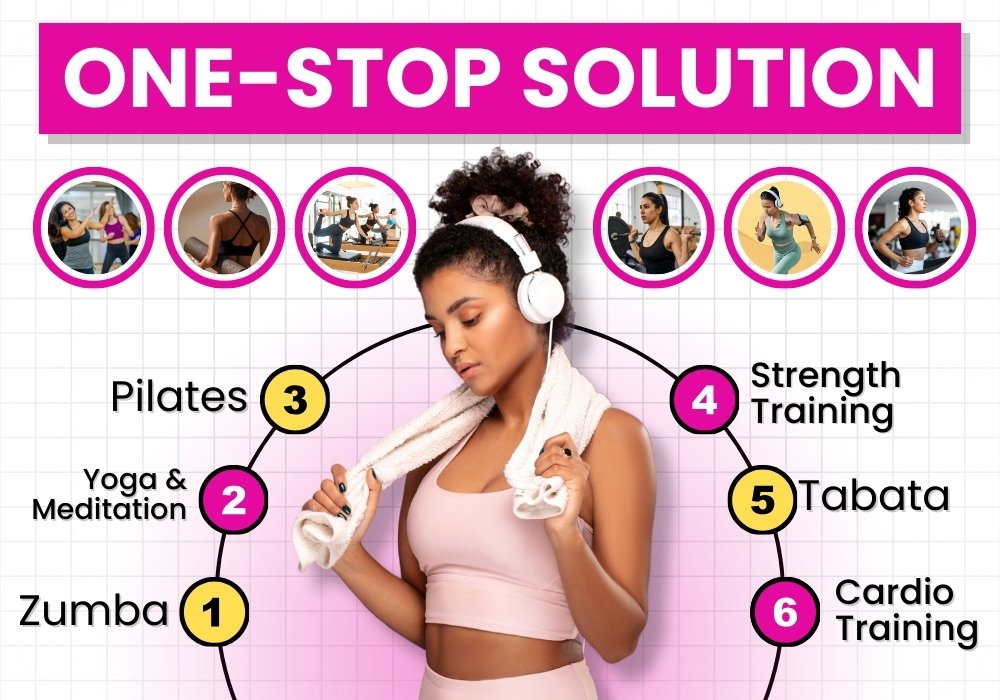
Zumba combines dance movements with aerobic exercise, usually performed to energetic music.
It may include basic steps, side movements, arm combinations and changes in direction. Depending on the class, sessions can range from gentle dance routines to high-intensity workouts.
Physical activity in general may benefit some people with IBS, but evidence for any specific dance programme as an IBS treatment is limited.
Benefits of Home-Based Dance Workouts
Home workouts can make fitness more convenient for women who have work, family and household responsibilities.
Zumba Workouts At Home For Busy Women can offer flexibility because participants can choose a suitable time, control their workout environment and take breaks whenever necessary.
Other potential advantages include:
- Enjoyable music-based movement.
- Opportunities to improve coordination.
- Support for cardiovascular fitness.
- Flexible workout duration.
- Reduced travel time.
- A motivating fitness routine.
These benefits relate to general fitness and well-being rather than a guaranteed improvement in IBS symptoms.
Choosing the Right Workout Intensity
People with IBS may respond differently to physical activity.
Some feel better after moderate exercise, while others experience discomfort during intense workouts.
If you enjoy dancing, start with basic movements and avoid sudden increases in intensity.
Zumba Workouts At Home For Busy Women may be more manageable when sessions include low-impact alternatives, comfortable transitions and opportunities to rest.
Avoid exercising through severe abdominal pain, diarrhoea or significant digestive discomfort.
How to Exercise Safely When You Have IBS
Start With Short Sessions
Beginning with shorter sessions can help you understand how your digestive system responds to physical activity.
For example, you might start with 10–15 minutes of gentle walking or mobility exercises if comfortable.
Gradually increase the duration as your tolerance improves.
There is no need to begin with long or demanding workouts.
Avoid Exercising Immediately After Heavy Meals
Exercising immediately after a large meal may cause discomfort in some people.
Allow enough time for digestion before starting a demanding workout.
The ideal timing depends on meal size, food choices and individual digestive sensitivity.
Stay Hydrated
Water supports normal digestion and helps prevent dehydration.
This is particularly important for individuals who experience diarrhoea, as fluid loss can increase the risk of dehydration.
Drink water regularly throughout the day and adjust your intake according to weather and physical activity.
Listen to Your Digestive Symptoms
Pay attention to how your body feels before, during and after exercise.
If a particular movement consistently causes bloating, cramping or discomfort, reduce its intensity or try a different activity.
Exercise For IBS should be flexible enough to accommodate changes in symptoms rather than following a rigid schedule.
Avoid Overtraining
Very intense exercise may worsen gastrointestinal symptoms in some individuals.
Avoid suddenly increasing workout duration, speed or resistance.
A gradual approach with sufficient rest is generally more manageable than frequent demanding sessions.
Exercises That May Require Caution
High-Intensity Interval Training
High-intensity interval training involves alternating between periods of intense activity and recovery.
Although it can improve cardiovascular fitness, demanding intervals may trigger gastrointestinal discomfort in some people.
Those who experience frequent IBS symptoms should begin with lower-intensity alternatives and increase activity only when comfortable.
Excessive Jumping Movements
Repeated jumping can create additional movement and pressure around the abdominal region.
Some people with bloating or abdominal sensitivity may find these movements uncomfortable.
Replacing jumps with controlled steps can make dance workouts more manageable.
Intense Abdominal Exercises
Certain abdominal exercises, such as repeated sit-ups and aggressive core movements, may increase discomfort in people experiencing bloating or abdominal pain.
Choose comfortable movements and avoid forcing the abdomen through painful positions.
Exercising During Severe Symptoms
If you are experiencing severe abdominal cramps, significant diarrhoea, vomiting or intense digestive discomfort, postpone strenuous exercise.
Rest and seek medical advice when necessary.
Building a Weekly Exercise Routine for IBS
Focus on Consistency
A sustainable routine does not need to involve intense workouts every day.
The objective should be to include regular movement while allowing enough time for recovery.
For medically cleared adults, general physical activity guidelines recommend working towards at least 150 minutes of moderate-intensity aerobic activity per week. People with IBS may need to build towards this gradually according to their symptoms and fitness levels.
Example of a Weekly Fitness Schedule
| Day | Suggested Activity |
|---|---|
| Monday | 20-minute comfortable walk |
| Tuesday | Gentle yoga and stretching |
| Wednesday | Low-impact dance workout |
| Thursday | Rest or light walking |
| Friday | Comfortable cycling |
| Saturday | Modified Zumba or aerobic activity |
| Sunday | Gentle mobility and recovery |
This is an illustrative schedule rather than a treatment plan. Adjust the duration and intensity according to your symptoms.
Make Home Workouts Part of Your Routine
For women with limited time, home-based exercise can make daily movement easier.
Zumba Workouts At Home For Busy Women may be a convenient option when you want to combine music, movement and general fitness without travelling to a fitness centre.
Choose sessions that offer different intensity levels and allow you to pause whenever necessary.
Nutrition and Lifestyle Habits That Support Digestive Health
Include Fibre Gradually
Dietary fibre plays an important role in bowel health, particularly for people experiencing constipation.
However, not all types of fibre affect IBS symptoms in the same way.
Soluble fibre, found in foods such as oats, certain fruits and psyllium husk, may help improve bowel regularity and some IBS symptoms.
Increase fibre gradually because sudden changes may cause additional gas and bloating.
Drink Enough Water
Adequate fluid intake helps maintain normal bowel function.
People increasing their fibre intake should also pay attention to hydration.
Water needs vary depending on body size, activity level, weather and medical conditions.
Identify Personal Food Triggers
Some foods may trigger symptoms in people with IBS.
Commonly reported triggers include:
- Certain dairy products.
- Onion and garlic.
- Some beans and pulses.
- Certain fruits.
- Artificial sweeteners.
- Carbonated beverages.
- Very fatty meals.
Food triggers vary from person to person. Keeping a food and symptom diary can help identify patterns.
A dietitian may recommend a structured low-FODMAP diet when appropriate. This approach involves temporary restriction followed by systematic food reintroduction and personalisation. It should not become an unnecessarily restrictive long-term diet.
Maintain Regular Meal Times
Eating meals at consistent times may help establish a predictable daily routine.
Avoid skipping meals frequently or eating very large portions if these habits trigger digestive discomfort.
Eat slowly and allow enough time for meals.
Manage Stress and Sleep
Stress and poor sleep can influence digestive symptoms.
Relaxation practices, breathing exercises and regular sleep schedules may support general well-being.
Combining these habits with comfortable physical activity can help create a balanced lifestyle.
How to Make Zumba Workouts More Digestive-Friendly
Choose Beginner-Friendly Dance Sessions
People with IBS who enjoy dancing should choose routines that match their current fitness and digestive comfort.
Zumba Workouts At Home For Busy Women can be approached through beginner-friendly routines with basic steps, slower transitions and low-impact movements.
Avoid assuming that every dance workout is suitable for every stage of IBS.
Take Breaks Whenever Needed
There is no requirement to complete an entire session without stopping.
Pause when you feel uncomfortable, drink water and allow your body to recover.
If symptoms continue, end the workout rather than forcing yourself to continue.
Avoid Overly Intense Movements
When digestive symptoms are active, consider avoiding rapid jumps, excessive twisting and prolonged high-intensity combinations.
Simple movements may be easier to manage.
Create a Comfortable Workout Environment
Choose comfortable clothing and a space where you can move freely.
Keep water nearby and plan your workout around your usual meal schedule and bathroom needs.
Zumba Workouts At Home For Busy Women can be adapted to different schedules, making it easier to prioritise comfort and consistency.
Common Mistakes to Avoid
Exercising Too Intensely Too Soon
Starting with demanding workouts can increase discomfort and reduce motivation.
Build your routine gradually and allow your body time to adjust.
Ignoring Digestive Discomfort
Do not ignore persistent abdominal pain, severe bloating or unusual bowel changes.
If symptoms repeatedly occur during exercise, discuss them with a healthcare professional.
Making Sudden Dietary Changes
Increasing fibre dramatically or eliminating multiple food groups without guidance may worsen digestive symptoms.
Make dietary changes gradually and seek professional advice when needed.
Expecting Exercise to Cure IBS
Exercise may support overall symptom management, but it does not cure IBS.
People may still require dietary changes, medication, stress management or other medical treatments.
Following Every Online Workout
Not all online fitness programmes are designed for people with digestive conditions.
Zumba Workouts At Home For Busy Women should be selected according to your fitness level, symptoms and ability to modify movements.
When Should You Consult a Doctor?
Persistent Digestive Symptoms
Consult a healthcare professional if constipation, abdominal pain or bloating continues for a long time or affects your everyday activities.
A doctor can assess your symptoms and determine whether they are related to IBS or another digestive condition.
Warning Signs That Need Medical Attention
Seek medical advice if you experience:
- Blood in your stool.
- Unexplained weight loss.
- Persistent or severe abdominal pain.
- Unexplained anaemia.
- A noticeable change in bowel habits.
- Symptoms that repeatedly wake you at night.
- Persistent vomiting.
- A family history of bowel cancer or inflammatory bowel disease.
Severe abdominal pain, significant bleeding, persistent vomiting or an inability to pass stool or gas with abdominal swelling may require urgent assessment.
Do not assume that every digestive symptom is caused by IBS.
Frequently Asked Questions
Can exercise improve IBS symptoms?
Regular physical activity may help improve overall IBS symptoms in some individuals. Gentle activities such as walking, cycling and yoga are commonly recommended. However, individual responses vary.
Which exercise is best for constipation?
Walking is a practical starting point for many people. Cycling and other comfortable aerobic activities may also help support bowel regularity. Exercise should be combined with appropriate hydration, nutrition and medical care when needed.
Is Zumba good for people with IBS?
Zumba may be suitable for some people when symptoms are manageable and the workout intensity is comfortable. Low-impact modifications and regular breaks can help improve workout tolerance.
Can I do Zumba during constipation?
People with mild constipation may be able to participate in comfortable dance workouts. However, avoid intense sessions if you have significant abdominal pain, severe bloating or other concerning symptoms.
Are Zumba Workouts At Home For Busy Women suitable for beginners?
Zumba Workouts At Home For Busy Women can be suitable for beginners who are comfortable with the movements and choose an appropriate intensity. Start with simple dance steps and take breaks whenever needed.
Does walking help with bloating?
Walking may help some people experience less bloating by encouraging intestinal gas movement. However, results vary depending on the underlying cause of bloating.
Should I exercise after eating?
Light movement, such as a comfortable walk, may be suitable after meals. However, intense workouts immediately after eating can cause discomfort. Allow enough time for digestion before demanding exercise.
How often should people with IBS exercise?
The ideal frequency depends on individual tolerance and overall health. Many people benefit from regular moderate activity, gradually working towards general adult physical activity recommendations.
Can exercise replace IBS medication?
No. Exercise is a supportive lifestyle measure, not a replacement for prescribed medication or professional treatment. Follow your healthcare professional’s recommendations.
Final Thoughts
Physical activity can be a valuable part of managing IBS and constipation. Regular movement may support bowel function, improve general fitness, reduce sedentary behaviour and contribute to better mental well-being.
The key is choosing activities that match your digestive symptoms and fitness level. Walking, gentle yoga, cycling and low-impact aerobic workouts can be useful options for people who want to remain active without immediately starting demanding exercise programmes.
For women with busy schedules, Zumba Workouts At Home For Busy Women can offer a flexible and enjoyable way to include dance-based movement in everyday life. However, it is important to choose comfortable sessions, modify intense movements and avoid exercising through significant digestive discomfort.
Remember that Exercise For IBS is only one part of a broader digestive health approach. Balanced nutrition, adequate hydration, stress management, quality sleep and appropriate medical guidance are equally important.
At Zylo Fitness, the focus is on encouraging women to enjoy movement and build sustainable fitness habits. Whether you prefer walking, yoga or dance workouts, start at a comfortable pace and make consistency more important than intensity.