Exercise While Trying To Conceive is an important topic for women who want to maintain their health and fitness while preparing for pregnancy. Regular physical activity can support cardiovascular health, muscle strength, emotional well-being, and overall fitness. However, women who are planning to conceive often have questions about which exercises are safe, how intensely they should work out, and whether certain activities can affect fertility.
Many women also consider joining Cardio Workout Classes to stay active, improve stamina, and maintain a consistent fitness routine. While cardiovascular exercise can be beneficial, the right intensity and duration matter, especially when planning a pregnancy.
Trying to conceive can be an emotional and physically demanding journey. Some women may feel comfortable following their usual workout routine, while others may need to make adjustments based on their health, menstrual cycle, medical history, and fertility treatment plans.
The good news is that moderate physical activity is generally beneficial for most women who are trying to conceive. The important thing is to avoid excessive exercise, maintain adequate nutrition, and listen to your body.
In this article, we will explore exercise safety while trying to conceive, suitable workout options, activities that may require caution, and practical ways to create a balanced fitness routine.
1. Why Is Exercise Important While Trying to Conceive?
Physical activity plays an important role in maintaining general health. When preparing for pregnancy, building healthy lifestyle habits can support physical and emotional well-being.
Exercise does not guarantee pregnancy or directly increase fertility in every woman. However, regular and appropriate movement can contribute to several aspects of health that are important before pregnancy.
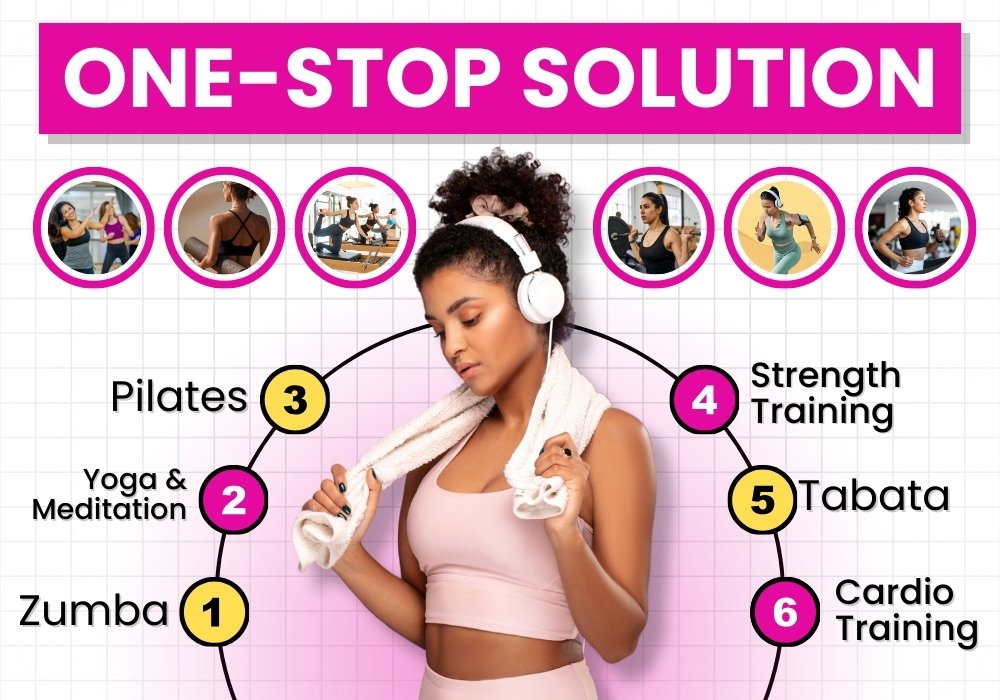
Supports Overall Physical Health
Regular exercise helps improve cardiovascular fitness, muscle strength, endurance, and mobility.
These benefits can help women maintain a healthy and active lifestyle while preparing for pregnancy.
Helps Maintain a Healthy Weight
Body weight can influence reproductive health in some women. Both significantly low and high body weight may be associated with hormonal and ovulatory difficulties.
Physical activity, combined with balanced nutrition, can support a healthy weight. However, extreme dieting or excessive exercise should be avoided.
Supports Emotional Well-Being
Trying to conceive can sometimes create emotional pressure, uncertainty, and stress.
Activities such as walking, yoga, swimming, and gentle workouts may help improve mood and provide a healthy way to manage everyday stress.
Supports Better Sleep
Regular movement may help support sleep quality and establish a more consistent daily routine.
Adequate sleep is important for general health, energy, and emotional balance.
Improves Cardiovascular Fitness
Cardiovascular exercise supports heart and lung health. Activities such as walking, cycling, and swimming can help improve stamina when performed at an appropriate intensity.
A balanced Exercise While Trying To Conceive routine should focus on overall wellness rather than treating exercise as a fertility treatment. Women who enjoy group fitness can also consider Cardio Workout Classes, provided the intensity is suitable for their fitness level and health needs.
2. Is It Safe to Exercise While Trying to Conceive?
For most healthy women, moderate physical activity is generally safe while trying to conceive.
Women do not usually need to stop exercising simply because they are planning pregnancy. Maintaining a regular routine may support health and help establish positive habits before pregnancy.
However, exercise recommendations can differ depending on individual circumstances.
For example, women with certain medical conditions, irregular menstrual cycles, a history of reproductive complications, or fertility treatment plans may need personalised advice.
The main considerations include:
- Current fitness level.
- Type and intensity of exercise.
- Duration and frequency of workouts.
- Nutritional intake.
- Menstrual health.
- Medical and fertility history.
- Recovery and sleep.
- Any symptoms experienced during exercise.
Women who already exercise regularly may often continue with suitable modifications. Those who are new to fitness should begin gradually instead of starting with demanding workouts.
If you are undergoing fertility treatment, ask your fertility specialist whether certain exercises should be modified around specific stages of treatment.
3. Best Exercises for Women Trying to Conceive
There is no single workout that is best for every woman trying to conceive. The ideal activity depends on personal preference, fitness level, health history, and medical advice.
The following activities are commonly suitable for many healthy women.
Walking
Walking is one of the simplest ways to remain physically active.
It does not require expensive equipment and can be adjusted according to your schedule and fitness level.
Potential benefits include:
- Supporting cardiovascular health.
- Improving daily movement.
- Helping maintain stamina.
- Supporting mood.
- Providing a convenient form of moderate exercise.
Women who are new to fitness can begin with short walks and gradually increase their duration.
Swimming
Swimming is a low-impact activity that works several muscle groups.
It can be a comfortable option for women who prefer exercise without repeated impact on their joints.
Swimming may help improve cardiovascular fitness, endurance, and overall movement.
Cycling
Stationary cycling can provide cardiovascular exercise without requiring outdoor travel.
Choose a comfortable resistance and duration. Women who are new to cycling should begin slowly and increase activity according to their fitness level.
Strength Training
Strength training helps maintain muscle strength and supports everyday movement.
Suitable options may include:
- Bodyweight squats.
- Wall push-ups.
- Light resistance-band exercises.
- Supported lunges.
- Light dumbbell exercises.
Start with manageable resistance and use proper technique. Avoid training to exhaustion.
4. Can Cardio Workouts Affect Fertility?
Cardiovascular exercise can be part of a healthy lifestyle, but the intensity and amount of exercise are important.
Moderate cardio activities such as brisk walking, swimming, and cycling can support cardiovascular fitness and overall health.
However, very intense or excessive exercise combined with insufficient food intake may affect reproductive hormones and menstrual function in some women.
This is particularly important for women who are already underweight, have irregular periods, or are experiencing unexplained changes in their menstrual cycle.
Cardio Workout Classes can provide an enjoyable and structured way to stay active. However, women trying to conceive should choose classes that match their current fitness level instead of automatically selecting high-intensity sessions.
A suitable Exercise While Trying To Conceive routine should provide enough activity to support general health while allowing adequate recovery and nutrition.
5. How Much Exercise Is Recommended While Trying to Conceive?
There is no single exercise schedule that is appropriate for every woman.
For generally healthy adults, common physical activity guidelines recommend at least 150 minutes of moderate-intensity aerobic activity per week, along with muscle-strengthening activities on two or more days.
These guidelines are a general health recommendation, not a fertility prescription.
Women who are already active may continue a suitable routine. Those who are inactive can start with shorter sessions and gradually build up.
A practical approach may include:
- 20–30 minutes of brisk walking on several days.
- Two sessions of light or moderate strength training.
- Gentle yoga or stretching.
- Adequate rest between demanding workouts.
The intensity should allow you to speak in sentences during moderate exercise, although your breathing may be faster than usual.
If you feel exhausted, dizzy, unusually breathless, or unwell, stop exercising and seek medical advice when appropriate.
6. Exercises to Approach Carefully While Trying to Conceive
Exercise is generally beneficial, but some activities may need modification depending on individual health and fitness.
Excessive High-Intensity Training
High-intensity workouts are not automatically harmful to fertility. However, excessive training without sufficient recovery may affect menstrual function in some women.
Be cautious if you regularly experience:
- Missed periods.
- Unusual fatigue.
- Persistent muscle soreness.
- Reduced exercise performance.
- Unexplained weight loss.
- Changes in appetite or sleep.
These symptoms may indicate that your body needs more recovery, nutrition, or medical assessment.
Very Long Endurance Workouts
Long-distance running, intense cycling sessions, or repeated endurance workouts may be difficult to recover from if your nutritional intake is inadequate.
Women who participate in endurance sports should ensure that their training and food intake are appropriately balanced.
Extreme Weight-Loss Workouts
Trying to lose weight rapidly while planning pregnancy can be counterproductive.
Very low-calorie diets combined with intense exercise may affect hormonal function and menstrual regularity.
Focus on sustainable habits rather than rapid body changes.
Exercises That Cause Pain
Any activity that causes pelvic pain, unusual abdominal discomfort, dizziness, or bleeding should be stopped.
Do not assume that pain is a normal part of an effective workout.
7. Does Exercise Affect Ovulation?
Ovulation is the process in which an ovary releases an egg during the menstrual cycle.
Regular moderate exercise is generally compatible with normal reproductive function in healthy women.
However, very intense exercise combined with inadequate calorie intake or low body weight can sometimes disrupt hormonal signalling and interfere with ovulation.
This may lead to irregular periods or missed menstrual cycles.
Women who notice significant changes in their periods should consult a healthcare professional rather than trying to correct the problem by increasing or reducing exercise without guidance.
A balanced Exercise While Trying To Conceive routine should support health without placing excessive physical stress on the body.
8. Exercise During Different Phases of the Menstrual Cycle
Some women notice changes in energy, motivation, and physical comfort during different phases of their menstrual cycle.
Exercise preferences may change as well.
However, there is no need for every woman to follow a strict workout plan based on menstrual cycle phases. Research does not support a universal cycle-based exercise schedule for everyone.
During Menstruation
Some women feel comfortable exercising during their periods, while others prefer lighter movement.
Suitable options may include:
- Walking.
- Gentle yoga.
- Light stretching.
- Comfortable cycling.
If you experience severe cramps, heavy bleeding, dizziness, or significant fatigue, reduce activity and seek medical advice when necessary.
During the Follicular Phase
The follicular phase begins on the first day of menstruation and continues until ovulation.
Some women notice improving energy levels during this phase, but individual experiences vary.
You can continue your usual moderate exercise routine if you feel comfortable.
Around Ovulation
Ovulation occurs at different times depending on cycle length and individual hormonal patterns.
There is no general requirement to stop normal exercise around ovulation.
Women undergoing fertility treatment should follow their specialist’s instructions because ovarian stimulation can change exercise recommendations.
During the Luteal Phase
The luteal phase occurs after ovulation and before the next menstrual period.
Some women experience bloating, breast tenderness, fatigue, or changes in mood during this phase.
Adjust workout intensity according to comfort rather than forcing yourself to maintain the same level every day.
9. Can Exercise Improve Chances of Getting Pregnant?
Exercise can support overall health, but it should not be considered a guaranteed way to improve fertility.
Some women may benefit from physical activity as part of a broader lifestyle approach, particularly when working towards a healthier weight or improving metabolic health.
However, fertility depends on many factors, including:
- Ovulation.
- Egg quality and age.
- Fallopian tube health.
- Uterine health.
- Hormonal balance.
- Sperm health.
- Underlying medical conditions.
Exercise alone cannot resolve all fertility-related problems.
Women who have been trying to conceive without success should consider speaking with a fertility specialist. Medical assessment can help identify possible causes and appropriate next steps.
10. The Role of Online Fitness Classes While Planning Pregnancy
Maintaining a regular fitness routine can be difficult when work, family responsibilities, and personal commitments take up most of the day.
Online fitness sessions can provide a convenient way to exercise from home.
Women who prefer guided routines may explore Cardio Workout Classes that offer different intensity levels and session durations.
Convenience and Flexibility
Online classes can make it easier to exercise without travelling to a gym.
Depending on the provider, women may be able to choose a convenient class time.
Structured Workouts
A guided session can help participants follow a planned routine rather than choosing random exercises.
Different Fitness Levels
Beginner-friendly and moderate-intensity classes may help women build stamina gradually.
Variety of Activities
Some programmes offer walking workouts, dance fitness, low-impact aerobics, and other cardiovascular activities.
Choose a programme that encourages safe movement and allows participants to modify exercises.
Women should remember that fitness instructors cannot provide individual fertility treatment advice. Any exercise restrictions related to reproductive health or fertility procedures should come from a healthcare professional.
11. Nutrition Tips for Women Trying to Conceive
Exercise works best when combined with adequate nutrition.
Women preparing for pregnancy should focus on a balanced eating pattern that provides enough energy, protein, healthy fats, vitamins, and minerals.
Include Folic Acid
Folic acid is particularly important before pregnancy because it helps reduce the risk of neural tube defects.
Many health authorities recommend that women who could become pregnant take 400 micrograms of folic acid daily, beginning before conception and continuing through early pregnancy, unless their healthcare provider recommends a different dose.
Some women with specific medical histories may require a higher prescribed dose.
Eat Protein-Rich Foods
Protein supports tissue maintenance and normal body functions.
Include foods such as:
- Dal.
- Beans.
- Chickpeas.
- Eggs.
- Paneer.
- Curd.
- Tofu.
- Fish or lean meat, if preferred.
Include Healthy Fats
Healthy fats are part of a balanced diet.
Suitable sources may include nuts, seeds, avocados, and oils used in moderate amounts.
Eat Fruits and Vegetables
A variety of fruits and vegetables provides fibre, vitamins, minerals, and antioxidants.
Try to include different colours in your daily meals.
Maintain Adequate Hydration
Drink enough water throughout the day, especially when exercising or in hot weather.
Avoid extreme diets or unnecessary food restrictions while preparing for pregnancy.
12. Importance of Maintaining a Healthy Weight
Body weight can influence reproductive health, although fertility is not determined by weight alone.
Both significantly low and high body weight may be associated with menstrual irregularities or ovulation difficulties in some women.
Physical activity can support healthy weight management when combined with adequate nutrition.
However, women should avoid aggressive weight-loss plans while trying to conceive.
A healthy approach includes:
- Regular moderate exercise.
- Balanced meals.
- Adequate protein.
- Sufficient sleep.
- Stress management.
- Consistent daily movement.
If you are concerned about your weight or menstrual cycle, a doctor or registered dietitian can help you develop a suitable plan.
13. Exercise Safety for Women Undergoing Fertility Treatment
Women undergoing fertility treatment may need different exercise recommendations from those trying to conceive naturally.
For example, ovarian stimulation medications can cause the ovaries to enlarge temporarily. During this time, certain activities may increase discomfort or the risk of complications.
Your fertility specialist may recommend avoiding:
- High-impact workouts.
- Jumping.
- Running.
- Heavy lifting.
- Intense twisting movements.
- Strenuous abdominal exercises.
These restrictions depend on your treatment stage and individual medical situation.
After egg retrieval, embryo transfer, or other fertility procedures, follow the clinic’s instructions about movement and exercise.
Do not assume that a workout that was safe before treatment will remain appropriate during every stage.
If you experience severe abdominal pain, significant bloating, rapid weight gain, vomiting, or difficulty breathing during fertility treatment, contact your fertility clinic promptly. These symptoms may require urgent assessment.
14. How Stress Management Supports Your Fitness Journey
Trying to conceive can bring emotional challenges. Women may feel anxious about timing, fertility results, menstrual cycles, or lifestyle decisions.
Although stress is not the sole cause of infertility, managing it can support emotional well-being and make everyday life more manageable.
Walking Outdoors
Walking in a comfortable environment can provide an opportunity to move, relax, and take a break from daily responsibilities.
Enjoyable Fitness Activities
Choose exercise that feels enjoyable rather than treating every session as a strict obligation.
The goal is to build a sustainable routine that supports both physical and emotional health.
15. Common Exercise Mistakes to Avoid While Trying to Conceive
Women sometimes follow extreme fitness routines because they believe harder workouts will lead to better results.
However, excessive training may create unnecessary physical stress.
Here are some mistakes to avoid.
Exercising Too Intensely
Increasing workout intensity too quickly may lead to fatigue, injury, or inadequate recovery.
Build up gradually.
Skipping Meals Before Workouts
Exercising without adequate energy can make workouts more difficult and may contribute to poor recovery.
Eat balanced meals and snacks according to your needs.
Ignoring Menstrual Changes
Irregular or missing periods should not be ignored.
Changes may be associated with several health conditions, including inadequate energy intake and excessive exercise.
Following Unverified Fertility Advice
Avoid programmes claiming that particular exercises guarantee pregnancy, improve egg quality, or correct hormonal imbalances.
Seek evidence-based medical guidance.
Comparing Your Fitness Journey
Every woman’s health, fertility journey, and exercise capacity are different.
Focus on your own progress rather than comparing workout routines or results with others.
16. A Sample Weekly Workout Plan for Women Trying to Conceive
The following routine is a general example for a healthy woman who is not under medical exercise restrictions and is comfortable with moderate physical activity.
Monday
- 25 minutes of brisk walking.
- 5 minutes of gentle stretching.
-
Tuesday
- 20 minutes of light strength training.
- Comfortable mobility movements.
Wednesday
- 25 minutes of moderate cycling or swimming.
Thursday
- Gentle yoga.
- Relaxation breathing.
Friday
- 25 minutes of brisk walking.
Saturday
- A beginner-friendly cardio or dance fitness session.
Sunday
- Rest or a comfortable walk.
-
This schedule can be adjusted according to individual fitness levels and energy.
Women who are new to exercise should begin with shorter sessions. Those with medical conditions, irregular periods, or fertility treatment restrictions should seek personalised advice before following a structured programme.
17. When Should You Consult a Doctor Before Exercising?
Most healthy women can participate in moderate physical activity while trying to conceive. However, certain health conditions may require medical advice.
Consult a healthcare professional before starting a new workout routine if you have:
- Irregular or absent periods.
- Known ovulation disorders.
- A history of significant reproductive complications.
- Severe pelvic pain.
- Unexplained bleeding.
- A history of recurrent pregnancy loss.
- Significant underweight or recent unexplained weight loss.
- A chronic medical condition.
- An ongoing fertility treatment plan.
You should also stop exercising and seek medical assessment if you experience chest pain, fainting, severe breathlessness, or unusual pelvic pain.
If you have been trying to conceive for 12 months and are under 35, or for six months if you are 35 or older, consider seeking a fertility evaluation. Women over 40 or those with known reproductive conditions may benefit from earlier consultation.
18. Frequently Asked Questions About Exercise While Trying to Conceive
Can I exercise every day while trying to conceive?
Many healthy women can remain physically active most days of the week. However, intensity, duration, recovery, and nutrition matter.
Include rest or lighter activity when needed.
Can cardio workouts affect ovulation?
Moderate cardio is generally compatible with normal reproductive function. Excessive exercise combined with insufficient nutrition may disrupt menstrual cycles in some women.
Is walking good while trying to conceive?
Walking is a convenient, low-impact activity that supports general fitness and cardiovascular health.
Can I do Zumba while trying to conceive?
Many healthy women can participate in dance fitness if the intensity matches their fitness level. Avoid overexertion and seek medical advice if you have symptoms or fertility treatment restrictions.
Should I stop exercising after ovulation?
There is no general need to stop normal moderate exercise after ovulation when trying to conceive naturally. Follow personalised medical advice if you have specific reproductive health concerns or are undergoing fertility treatment.
Are Cardio Workout Classes safe while trying to conceive?
Moderate-intensity classes may be suitable for many healthy women. Choose beginner-friendly sessions and avoid excessive training, particularly if you experience fatigue or menstrual changes.
Can exercise increase fertility?
Exercise supports general health and may be helpful as part of a healthy lifestyle. However, it does not guarantee conception or treat every cause of infertility.
Conclusion: Build a Healthy Fitness Routine While Preparing for Pregnancy
Staying active while planning pregnancy can be a positive step towards better overall health. Moderate exercise may support cardiovascular fitness, muscle strength, emotional well-being, and healthy daily habits.
Exercise While Trying To Conceive should focus on balance rather than intensity. Walking, swimming, gentle yoga, cycling, and suitable strength training can be useful activities for many women.
Women who enjoy structured fitness sessions can explore Cardio Workout Classes to make exercise more convenient and enjoyable. The important thing is to select an appropriate intensity, maintain adequate nutrition, and allow enough time for recovery.
Avoid excessive workouts, extreme dieting, and unverified fertility claims. If you have irregular periods, an underlying medical condition, or are undergoing fertility treatment, consult your healthcare provider before changing your exercise routine.
Remember, preparing for pregnancy is not about following the hardest workout plan. It is about taking care of your body through consistent movement, balanced nutrition, adequate rest, and appropriate medical guidance.