
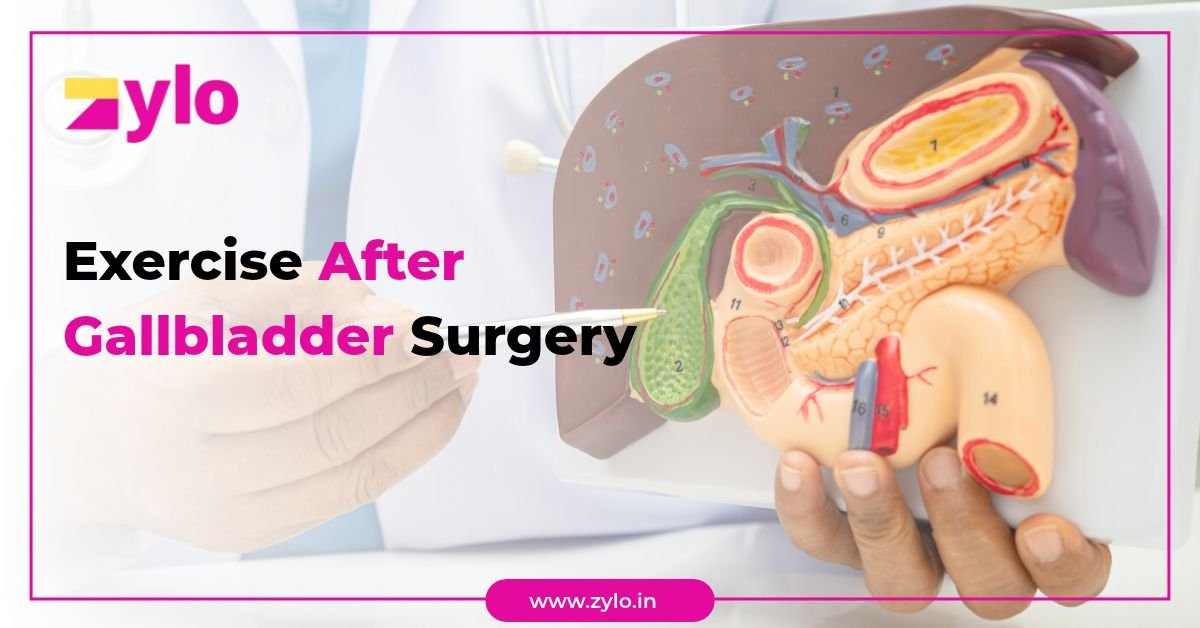
Exercise After Gallbladder Surgery is an important topic for people who want to return to their normal fitness routine after gallbladder removal. After surgery, the body needs time to heal, and restarting physical activity too quickly may cause discomfort or interfere with recovery. Understanding when to walk, stretch, and gradually return to workouts can help make the recovery process more comfortable.
Many people also explore Online Aerobics Classes because they want convenient ways to stay active from home once their healthcare provider allows them to exercise. However, not every workout is suitable immediately after surgery. The type, duration, and intensity of physical activity should depend on the surgical procedure, healing progress, and individual medical advice.
Gallbladder removal, medically known as cholecystectomy, is a common surgical procedure. Some people undergo laparoscopic surgery, which uses small incisions, while others may require open surgery involving a larger incision. Recovery timelines can differ between these procedures.
The good news is that most people can gradually return to their usual activities after recovery. The key is to begin with gentle movement, avoid heavy lifting during the recommended recovery period, and increase activity only when it is safe.
In this article, we will explain how to restart physical activity after gallbladder surgery, which exercises may be suitable, what activities to avoid, and how to build a gradual fitness routine.
1. Understanding Gallbladder Removal Surgery
The gallbladder is a small organ located beneath the liver. Its main function is to store bile, a digestive fluid produced by the liver that helps break down fats.
Sometimes, gallstones or other gallbladder conditions cause pain, inflammation, infection, or digestive problems. In such cases, a doctor may recommend removing the gallbladder.
The surgical procedure to remove the gallbladder is called cholecystectomy.
There are two main types of gallbladder removal surgery.
Laparoscopic Gallbladder Surgery
Laparoscopic cholecystectomy is a minimally invasive procedure. The surgeon makes several small incisions in the abdomen and uses a camera and specialised instruments to remove the gallbladder.
Many patients recover more quickly after laparoscopic surgery than after open surgery. However, individual recovery varies depending on health, complications, and the nature of the procedure.
Open Gallbladder Surgery
Open cholecystectomy involves a larger incision in the abdomen. It may be necessary in certain medical situations, including complicated inflammation or when laparoscopic surgery is not suitable.
Recovery after open surgery generally takes longer because the incision and surrounding tissues need more time to heal.
Understanding which procedure you had is important before planning any physical activity.
2. Why Is Exercise Important After Gallbladder Surgery?
After surgery, rest is important, but remaining completely inactive for an extended period is generally not recommended unless your healthcare provider advises it.
Gentle movement, especially walking, is often encouraged soon after surgery because it supports general recovery.
Physical activity may provide several benefits.
Supports Blood Circulation
Gentle walking encourages blood circulation and helps reduce the risks associated with prolonged inactivity.
Movement may also help reduce the likelihood of blood clots, although your individual risk and prevention plan should be discussed with your healthcare team.
Helps Restore Mobility
After surgery, some people experience stiffness or discomfort when changing positions, standing, or walking.
Gradual movement can help rebuild confidence and make everyday activities easier.
Supports Digestion
Some people experience temporary bloating, gas, or changes in bowel habits after gallbladder removal.
Gentle walking may help encourage normal bowel movement and reduce feelings of sluggishness. However, persistent digestive symptoms should be discussed with a healthcare professional.
Improves Mood and Confidence
Surgery can temporarily interrupt a person’s daily routine. Gentle physical activity may help improve mood and provide a sense of progress during recovery.
Helps Rebuild Fitness
A gradual return to activity can help people regain stamina and strength after a period of reduced movement.
The purpose of Exercise After Gallbladder Surgery is not to burn calories quickly or return to intense training immediately. It is to support safe recovery and gradually restore normal physical function.
3. When Can You Start Exercising After Gallbladder Surgery?
The timing depends on the type of surgery, healing progress, and instructions from your surgeon.
There is no single recovery timeline that applies to everyone.
First 24 Hours After Surgery
Many patients are encouraged to get out of bed and take short, gentle walks when they are awake and medically stable.
A nurse or healthcare professional may assist with the first few movements.
Avoid trying to exercise independently if you are still affected by anaesthesia, pain medication, dizziness, or weakness.
First Few Days
Short walks around the home may be appropriate after uncomplicated laparoscopic surgery, depending on your surgeon’s advice.
Focus on comfortable movement rather than speed or distance.
Avoid strenuous activity, heavy lifting, and movements that pull on the abdominal area.
First One to Two Weeks
Some people gradually increase their walking time during this period.
However, this does not mean that everyone is ready for formal workouts. Incisions may still be healing, and internal tissues need time to recover.
After open surgery, recovery generally takes longer, and activity restrictions may be more extensive.
After Two Weeks and Beyond
Depending on the type of surgery and recovery progress, some people may begin returning to more structured activity.
Your surgeon should confirm when it is appropriate to resume abdominal exercises, running, strength training, cycling, or aerobics.
Do not use a general online timeline as permission to exercise if your healthcare provider has given you different instructions.
4. Best Exercises to Start After Gallbladder Surgery
The safest starting point is usually gentle movement. As recovery progresses, other activities may be introduced with medical approval.
Walking
Walking is one of the most commonly recommended activities after gallbladder removal.
It is easy to adjust according to your comfort and does not require special equipment.
Start with short walks around your home. Gradually increase the duration when walking feels comfortable.
Potential benefits include:
- Supporting circulation.
- Encouraging mobility.
- Helping reduce stiffness.
- Supporting general fitness.
- Helping some people manage temporary bloating.
Avoid walking too fast or too far during the early recovery period.
Gentle Breathing Exercises
Comfortable breathing exercises may help you relax and maintain normal breathing after surgery.
Take slow, gentle breaths without forcing your abdominal muscles.
If your healthcare team has shown you specific breathing or coughing techniques, follow their instructions.
Do not perform forceful abdominal breathing exercises if they cause pain.
Light Mobility Movements
Once your healthcare provider allows it, gentle movements of the shoulders, arms, ankles, and legs can help maintain mobility.
Examples may include:
- Ankle circles.
- Gentle shoulder rolls.
- Comfortable arm movements.
- Slow ankle pumps.
- Easy standing movements.
These exercises should not place pressure on your surgical area.
Gentle Stretching
Stretching may be introduced as recovery progresses, provided it does not pull on the incision or cause discomfort.
Start with comfortable upper-body and limb movements.
Avoid deep twists, intense backbends, and stretches that strongly engage the abdomen until your surgeon confirms that they are appropriate.
5. Exercises to Avoid Immediately After Surgery
Although movement is helpful, certain activities may place too much strain on healing tissues.
Your surgeon’s restrictions should always take priority.
Heavy Weightlifting
Avoid lifting heavy weights, gym equipment, or other heavy objects until your surgeon clears you.
Heavy lifting can increase abdominal pressure and place stress on healing incisions.
The recommended restriction period depends on the surgical technique and your recovery.
Sit-Ups and Crunches
Sit-ups and crunches directly engage the abdominal muscles.
These exercises may put pressure on the surgical area and should not be resumed until your surgeon confirms that your abdominal tissues have healed sufficiently.
Planks
Planks require sustained abdominal muscle engagement.
Even though they may look like simple bodyweight exercises, they can place considerable demand on the core.
Wait for medical clearance before attempting them.
Running and Jumping
Running, jumping, and high-impact movements may create unnecessary strain during early recovery.
Begin with walking and gradually return to more demanding activities only when approved.
High-Intensity Workouts
Intense circuit training, fast-paced aerobics, and demanding dance workouts should be avoided during early recovery.
Do not assume that feeling energetic means the internal healing process is complete.
6. Returning to Online Aerobics Classes After Surgery
Many people enjoy group fitness because it provides structure, motivation, and variety. However, after surgery, returning to a regular aerobics programme requires patience.
Online Aerobics Classes can be a convenient option once your surgeon has approved a return to structured exercise.
The benefit of exercising at home is that you can choose a suitable time, adjust the intensity, and stop when necessary. However, online classes can still include demanding movements, so the instructor’s routine must match your recovery stage.
Choose Beginner-Friendly Sessions
Start with low-impact sessions only after receiving medical clearance.
Avoid classes that include jumping, rapid direction changes, or intense abdominal movements during early recovery.
Inform Your Instructor
If you are attending a live session, tell your instructor that you are recovering from surgery.
This can help them suggest appropriate modifications, although they cannot replace medical advice.
Keep Sessions Short
When you first return to structured exercise, shorter sessions may be easier to manage.
Gradually increase duration only if your recovery is progressing well and your healthcare provider has approved it.
Avoid Competitive Exercise
Do not try to match the speed or intensity of other participants.
Your recovery is individual, and comparing your performance with others may encourage you to push too hard.
7. A Week-by-Week Guide to Returning to Physical Activity
The following is a general educational guide, not a personalised rehabilitation plan. Your surgeon may recommend a different timeline depending on your procedure and recovery.
Early Recovery: First Few Days
Main focus: Comfortable movement and rest.
Possible activities, if approved:
- Short walks around the home.
- Getting up and sitting down carefully.
- Gentle ankle movements.
- Comfortable breathing.
-
Avoid:
- Heavy lifting.
- Formal workout sessions.
- Abdominal exercises.
- Running and jumping.
Initial Recovery: Around the First Week
Main focus: Gradually increasing everyday movement.
Possible activities, if comfortable and permitted:
- Slightly longer walks.
- Gentle mobility exercises.
- Light household movement within medical restrictions.
Avoid:
- Carrying heavy objects.
- Intense stretching.
- Strength training.
- Fast-paced workouts.
Developing Recovery: Following Weeks
Main focus: Building comfortable movement and stamina.
Depending on your surgeon’s clearance, you may gradually introduce:
- Longer walks.
- Gentle stretching.
- Low-impact activities.
- Light resistance exercises.
Do not begin exercises that strain the abdomen without approval.
Later Recovery
Main focus: Gradual return to normal fitness activities.
Once your surgeon confirms that healing is satisfactory, you may be able to return to:
- Regular aerobic exercise.
- Strength training.
- Cycling.
- Swimming, once wounds are healed and swimming is permitted.
- Core exercises, when specifically cleared.
Recovery is not a competition. Moving forward gradually is more important than following a fixed schedule.
8. How to Know If You Are Exercising Too Much
One of the most important parts of recovery is recognising when your body needs rest.
Mild tiredness after activity can occur, but certain symptoms suggest that you may be doing too much or that a medical issue needs assessment.
Watch for:
- Increasing abdominal pain.
- Pulling or discomfort around the incision.
- New or worsening swelling.
- Unusual fatigue.
- Dizziness.
- Nausea.
- Increased discomfort after movement.
-
Stop exercising if symptoms develop.
Contact your healthcare provider if pain is worsening, your wound becomes red or starts draining, or you develop a fever.
Seek urgent medical attention for severe abdominal pain, chest pain, difficulty breathing, fainting, jaundice, or significant leg swelling or pain.
Do not try to manage concerning symptoms by simply reducing your workout intensity.
9. Does Gallbladder Removal Affect Digestion During Exercise?
The gallbladder stores bile and releases it into the digestive system when needed.
After removal, the liver continues producing bile, but it flows more continuously into the intestine instead of being stored in the gallbladder.
Most people can digest food normally after recovery. However, some experience temporary digestive changes.
Common symptoms may include:
- Loose stools.
- Bloating.
- Gas.
- Abdominal discomfort.
- Changes in bowel habits.
- Difficulty tolerating large or high-fat meals.
These symptoms may affect how comfortable you feel during exercise.
Avoid Exercising Immediately After Heavy Meals
Large meals may make some people feel uncomfortable during physical activity.
Allow enough time for digestion before exercising, based on your personal comfort.
Stay Hydrated
Drink water regularly, especially if you are gradually increasing your activity level.
If you experience diarrhoea, dehydration can become a concern. Seek medical advice if symptoms are persistent or severe.
Choose Comfortable Meal Portions
Some people find that smaller, more frequent meals are easier to tolerate during early recovery.
Follow the dietary advice provided by your healthcare team.
10. Nutrition Tips to Support Recovery After Gallbladder Surgery
Food plays an important role in recovery. A balanced diet can provide the energy and nutrients needed for healing.
There is no single diet that everyone must follow after gallbladder removal. Individual tolerance varies, and your doctor or dietitian may recommend specific changes.
Include Protein-Rich Foods
Protein supports tissue repair and muscle maintenance.
Suitable sources may include:
- Dal.
- Beans.
- Eggs.
- Paneer.
- Tofu.
- Curd.
- Fish or chicken, if preferred.
Choose foods that are easy for you to digest.
Eat Fruits and Vegetables
Fruits and vegetables provide vitamins, minerals, and fibre.
However, increasing fibre too quickly may cause gas or bloating in some people.
Introduce higher-fibre foods gradually according to your tolerance.
Choose Healthy Fats in Suitable Portions
Some people find high-fat meals difficult to tolerate after surgery.
Start with moderate portions and follow your healthcare provider’s dietary recommendations.
Drink Enough Water
Adequate hydration supports normal body functions and helps replace fluids lost through sweating or digestive symptoms.
11. The Role of Sleep and Rest in Recovery
Exercise is only one part of recovery. Rest is equally important.
After surgery, your body needs energy to repair tissues and restore normal function.
Poor sleep and insufficient rest may make fatigue more noticeable and affect your ability to participate in daily activities.
Maintain a Consistent Sleep Routine
Try to go to bed and wake up at regular times.
Create a comfortable sleeping environment and avoid activities that interfere with your rest.
Avoid Rushing Back to a Busy Schedule
Returning to work, household responsibilities, and exercise all at once may leave you exhausted.
Increase your daily activities gradually.
Listen to Your Energy Levels
Some days may feel easier than others.
If you experience more fatigue after an active day, allow yourself extra recovery time.
12. Can You Lose Weight After Gallbladder Surgery?
Gallbladder removal does not automatically cause weight loss or weight gain.
Changes in body weight may happen for several reasons, including dietary changes, activity levels, digestive symptoms, and recovery-related changes in appetite.
Some people may initially eat less because of discomfort or nausea. Others may return to their normal eating habits once recovery improves.
It is better to focus on healing before pursuing weight-loss goals.
Avoid crash diets, extreme calorie restriction, or intense workouts during the recovery period.
Once your healthcare provider confirms that you can return to regular activity, you can gradually work towards your fitness goals through balanced nutrition and appropriate exercise.
13. How to Return to Strength Training Safely
Strength training can help improve muscle function and support long-term fitness. However, it should not be rushed after abdominal surgery.
The timing of your return depends on the procedure and your surgeon’s instructions.
Begin with Light Resistance
After clearance, you may start with very light resistance exercises.
The initial goal should be comfortable movement rather than lifting heavy weights.
Focus on Controlled Movements
Perform exercises slowly and avoid sudden movements.
Do not hold your breath or strain while lifting.
Progress Gradually
Increase resistance only when the current level feels comfortable and your healthcare provider has approved progression.
Reintroduce Core Exercises Carefully
Core exercises place direct demand on abdominal muscles.
Your surgeon or physiotherapist should guide you on when and how to restart them.
14. Common Mistakes to Avoid During Recovery
Many people are eager to return to their regular routine after surgery. However, rushing the process can create unnecessary problems.
Here are some mistakes to avoid.
Returning to the Gym Too Early
Feeling better does not necessarily mean your internal tissues have completely healed.
Wait for medical clearance before returning to the gym.
Ignoring Pain
Pain around the surgical area should not be treated as something you must push through.
Stop activities that increase discomfort and contact your healthcare provider if pain persists or worsens.
Following Random Online Workout Videos
Not every workout video is appropriate after surgery.
A programme designed for healthy, active individuals may include movements that place excessive strain on healing abdominal tissues.
Lifting Heavy Objects
Even routine household activities can involve heavy lifting.
Follow your surgeon’s restrictions and ask for help when necessary.
Skipping Follow-Up Appointments
Follow-up appointments allow your healthcare provider to review wound healing, discuss symptoms, and advise when activity can be increased.
Do not skip them simply because you feel better.
15. How Online Fitness Classes Can Help After Recovery
Once you have received medical clearance to return to exercise, online fitness sessions may help you rebuild a consistent routine.
They offer flexibility for people who prefer exercising at home or do not want to travel to a fitness centre.
Convenience
You can choose a suitable session time and exercise in a familiar environment.
Different Fitness Levels
Some programmes offer beginner, intermediate, and advanced sessions.
Choose a beginner-friendly option when returning after a long break.
Workout Variety
Depending on the programme, you may find aerobics, dance fitness, yoga, mobility, and strength-training sessions.
Variety can help make regular exercise more enjoyable.
Flexible Intensity
You may be able to choose shorter sessions or lower-impact alternatives.
However, online instructors cannot examine your surgical wound or determine whether internal healing is complete. Medical clearance must come first.
16. When Should You Contact Your Doctor?
Most people recover without serious complications, but it is important to recognise symptoms that need medical attention.
Contact your doctor if you notice:
- Persistent or worsening abdominal pain.
- Fever or chills.
- Redness, swelling, or discharge around the incision.
- Ongoing vomiting.
- Persistent diarrhoea.
- Difficulty eating or drinking.
- Increasing abdominal swelling.
- Yellowing of the skin or eyes.
Seek urgent care for severe abdominal pain, chest pain, breathing difficulty, fainting, or other sudden serious symptoms.
If you are unsure whether a particular activity is safe, ask your surgeon before trying it.
17. Frequently Asked Questions About Exercise After Gallbladder Surgery
Can I walk immediately after gallbladder surgery?
Many patients are encouraged to take short assisted walks once they are awake and medically stable. Follow the instructions of your hospital team.
When can I return to the gym after gallbladder removal?
The timing depends on whether you had laparoscopic or open surgery, your healing progress, and your surgeon’s advice. Do not resume gym workouts until you have received clearance.
Can I do aerobics after gallbladder surgery?
Aerobics may be possible after recovery, but high-impact movements should not be introduced too early. Start only when your surgeon approves structured exercise.
Can I do yoga after gallbladder surgery?
Gentle movement may be introduced as recovery progresses, but poses involving abdominal stretching, twisting, or core engagement should wait until you receive appropriate medical clearance.
Can I lift weights after gallbladder surgery?
Avoid heavy lifting during the recovery period specified by your surgeon. Return to resistance training gradually after medical approval.
Are Online Aerobics Classes suitable after surgery?
They can be useful after you have been cleared to resume structured workouts. Choose beginner-friendly, low-impact sessions and avoid movements that cause pain or strain.
Does exercise help digestion after gallbladder removal?
Gentle walking may help some people with temporary bloating and bowel movement. Persistent digestive symptoms should be assessed by a healthcare professional.
Conclusion: Return to Fitness Gradually After Gallbladder Surgery
Recovering after gallbladder removal requires patience, rest, and a gradual return to everyday activities. Although gentle movement is often encouraged, intense exercise and heavy lifting should be avoided until your surgeon confirms that it is safe.
Exercise After Gallbladder Surgery should begin with comfortable activities such as short walks and progress according to your healing and medical advice. Avoid rushing into abdominal workouts, heavy weights, running, or high-impact aerobics.
Once you are medically cleared, Online Aerobics Classes can provide a convenient way to rebuild your fitness routine from home. Choose suitable sessions, start with manageable intensity, and increase activity gradually.
Remember that recovery is different for everyone. Follow your surgeon’s instructions, attend follow-up appointments, maintain a balanced diet, and give your body enough time to heal.
The goal is not simply to return to exercise quickly. It is to return safely, regain confidence, and develop a sustainable fitness routine that supports your long-term health.