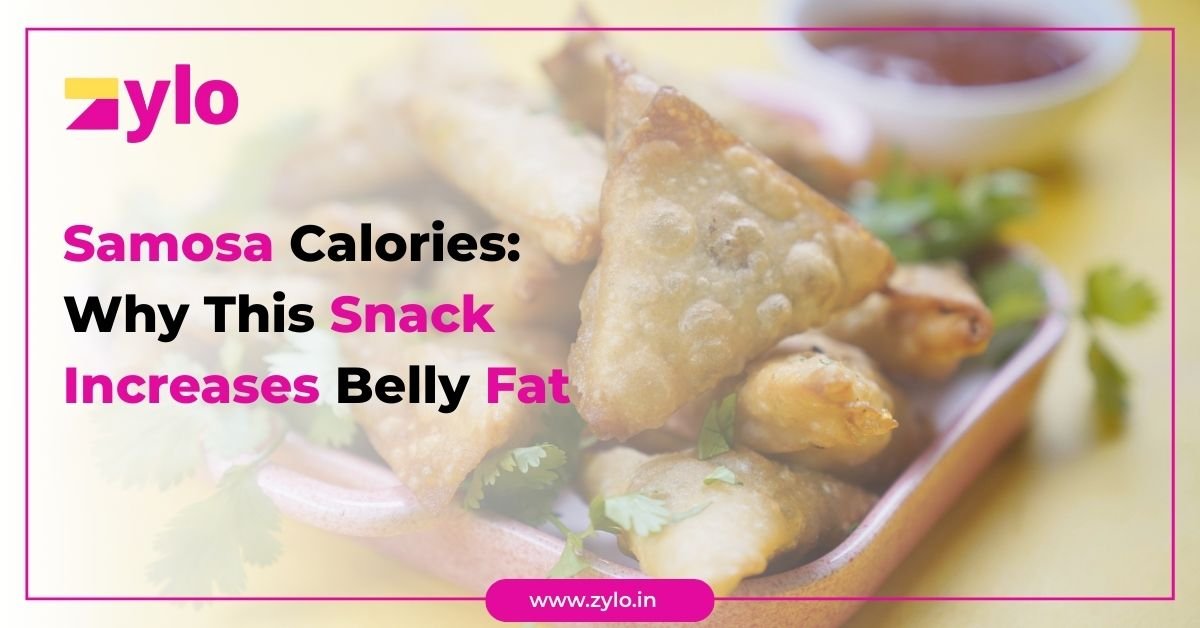
The samosa—India’s most beloved teatime snack—is a culinary icon that transcends regional, cultural, and economic boundaries. Whether you’re at a roadside tea stall, a corporate office cafeteria, or a wedding reception, the golden, crispy triangular delight is everywhere. However, behind its delicious taste lies a caloric reality that many people, especially women struggling with belly fat, need to understand. Questions like “1 samosa how many calories” and “1 aloo samosa calories” are increasingly common as people become more health-conscious. Understanding samosa calories and their impact on belly fat accumulation is crucial for anyone trying to maintain a healthy weight while enjoying this iconic snack.
The Samosa Phenomenon in India
Samosas have been an integral part of Indian food culture for centuries. This triangular pastry filled with spiced potatoes, peas, and sometimes meat, is deep-fried to golden perfection. The combination of crispy outer shell and flavorful filling makes it irresistible to millions.
From street vendors selling them for ₹10-15 each to upscale restaurants offering gourmet versions, samosas are accessible to everyone. They’re the go-to snack for evening tea, the perfect accompaniment to chai during monsoons, and an essential item at parties and celebrations.
The ease of availability through food delivery apps has made samosas even more accessible. A sudden craving can be satisfied within 30 minutes, contributing to increased consumption frequency.
Breaking Down Samosa Calories
To understand why samosas contribute to belly fat, let’s examine their nutritional profile in detail.
1 aloo samosa calories typically range from 250-350 calories, depending on size and preparation method. A medium-sized samosa (approximately 100 grams) contains:
- Calories: 250-300 calories
- Carbohydrates: 30-40 grams (from refined flour and potato filling)
- Fat: 12-18 grams (from deep-frying oil)
- Protein: 4-6 grams
- Sodium: 400-600 mg
- Fibre: 2-3 grams
When people ask, “1 samosa, how many calories?” they’re often surprised to learn that this seemingly small snack contains as many calories as a full meal for some individuals. Restaurant or store-bought samosas can be even larger, containing up to 400 calories each.
The caloric density becomes more concerning when you consider that people rarely eat just one samosa. Two samosas with chutney can easily add 600-700 calories to your daily intake—almost half of the recommended daily calorie intake for sedentary women.
Why Samosas Specifically Target Belly Fat
Understanding samosa calories is just the beginning. The real issue is how these calories affect your body, particularly belly fat accumulation:
1. High Refined Carbohydrate Content
Samosas are made with maida (refined wheat flour) and filled with potatoes—both high-glycemic carbohydrates. When consumed, they cause rapid spikes in blood sugar levels. The body responds by releasing insulin to manage this sugar surge.
Frequent insulin spikes lead to insulin resistance over time, causing the body to store more fat, particularly in the abdominal region. This visceral fat (belly fat) is not just cosmetic—it’s metabolically active and associated with increased health risks.
2. Trans Fats and Unhealthy Oils
Most street vendors and even many restaurants reuse oil multiple times for deep-frying samosas. This repeated heating process creates trans fats and oxidised oils that are particularly harmful.
These unhealthy fats not only add empty calories but also promote inflammation in the body, which is linked to increased belly fat storage and difficulty losing weight.
3. The Portion Problem
Unlike a planned meal, samosas are often consumed as “snacks” without adjusting other meals accordingly. This means the 300+ calories from samosas are additional calories on top of your regular breakfast, lunch, and dinner.
These extra calories, especially from refined carbs and unhealthy fats, preferentially get stored as belly fat rather than being burned for energy.
4. Lack of Satiety
Despite their calorie content, samosas don’t provide lasting fullness. The lack of fibre and protein means you feel hungry again within a couple of hours, leading to more eating and more calorie consumption throughout the day.
5. Evening Snacking Pattern
Samosas are predominantly consumed during evening tea time or late afternoon. Eating calorie-dense, high-carb foods later in the day, when metabolic rate naturally slows down, increases the likelihood of fat storage, especially around the midsection.
The Compound Effect of Regular Consumption
Let’s understand the long-term impact with a simple calculation:
If you eat just 2 samosas twice a week (a moderate consumption pattern for many Indians), that’s approximately:
- 600 calories × 2 = 1,200 extra calories weekly
- 1,200 × 52 weeks = 62,400 extra calories annually
Since approximately 7,700 calories equal one kilogram of body weight, this samosa habit alone could theoretically contribute to 8 kilograms of weight gain per year if not offset by increased physical activity.
For women, especially those with sedentary lifestyles, desk jobs, or hormonal imbalances, this weight gain predominantly manifests as belly fat.
Special Challenges for Indian Women
Women face unique obstacles when it comes to samosas and belly fat:
Hormonal Factors: Estrogen fluctuations during menstrual cycles, pregnancy, and menopause affect how and where fat is stored. Post-menopause, women are particularly prone to abdominal fat accumulation.
Social Settings: Indian culture revolves around food and hospitality. Refusing samosas at social gatherings or family events can be difficult without seeming rude.
Stress and Emotional Eating: Many women turn to comfort foods like samosas during stressful periods, creating an emotional dependency that’s hard to break.
Time Constraints: Balancing work, home, and family responsibilities leaves little time for exercise or meal planning, making convenient options like samosas more appealing.
Smart Strategies for Samosa Lovers
You don’t have to completely eliminate samosas from your life. Here are practical strategies:
Frequency Control: Limit samosa consumption to once or twice a month rather than weekly. Make it a special treat, not a regular habit.
Portion Awareness: Share one samosa with someone instead of eating two yourself. Half the indulgence, half the calories.
Timing Matters: If you must have a samosa, consume it earlier in the day when your metabolism is more active, not during evening tea time.
Healthier Versions: Make baked samosas at home using whole wheat flour and minimal oil. Air fryers can create crispy results with 70-80% less oil.
Balance Your Day: If samosas are unavoidable at an event, compensate by eating lighter meals throughout the day and increasing physical activity.
Accompaniment Awareness: Skip the fried chillies and extra chutneys that add more calories. Pair with green chutney instead of sweet tamarind chutney.
The Fitness Solution: Burning Off Those Samosa Calories
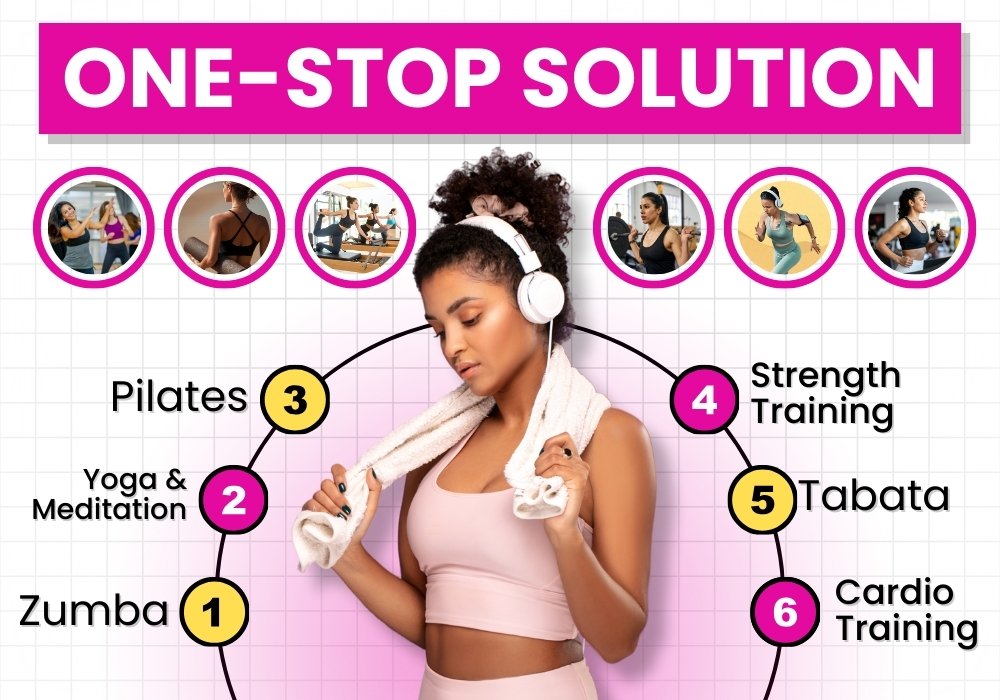
To counteract the caloric impact of samosas and reduce belly fat, regular exercise is essential. Zumba has emerged as one of the most effective and enjoyable workout options for Indian women.
Before committing to any fitness program, understanding the Zumba class cost in India helps with planning and budgeting. Across India, pricing varies based on location and format:
Online Zumba Classes: ₹500-2000 per month for unlimited sessions, making it the most affordable option.
Studio Classes in Metro Cities: ₹3000-6000 per month for 12-16 sessions.
Pay-Per-Class Options: ₹100-300 per individual session, good for those wanting flexibility.
Home Sessions with Private Instructors: ₹5000-10,000 per month, the premium option with personalised attention.
Considering the Zumba class cost India offers, even the mid-range options provide excellent value when you consider the health benefits and medical costs avoided through preventive fitness.
Why Zumba is Perfect for Burning Belly Fat
High-Intensity Calorie Burn: A single one-hour Zumba session burns 400-700 calories—equivalent to 1.5 to 2 samosas! Three sessions weekly create a significant caloric deficit.
Targets Core Muscles: Zumba’s dance movements engage core muscles extensively, helping tone and strengthen the abdominal region while burning fat.
HIIT Benefits: Zumba incorporates high-intensity interval training principles, which are particularly effective for reducing visceral belly fat.
Stress Reduction: The endorphin release during Zumba helps manage stress-induced cortisol, a hormone linked to belly fat accumulation.
Sustainable and Enjoyable: Unlike boring gym routines, Zumba’s music and dance make it fun, increasing long-term adherence—crucial for lasting results.
Convenient Options: With online classes widely available, women can work out from home, eliminating barriers like travel time or childcare needs.
Creating Your Anti-Belly Fat Action Plan
Here’s a practical approach to enjoying occasional samosas without accumulating belly fat:
Week 1-2: Eliminate all samosas and establish a baseline Zumba routine (3-4 sessions weekly).
Week 3 onwards: Allow yourself one samosa every two weeks as a planned treat. Schedule it, enjoy it mindfully, and add an extra Zumba session that week.
Given the typical Zumba class cost in India, investing ₹1000-1500 monthly in online classes is manageable for most budgets and provides unlimited sessions to offset occasional indulgences.
Combine Zumba with other lifestyle changes: drink more water, increase vegetable intake, get 7-8 hours of sleep, and walk 10,000 steps daily. This holistic approach ensures sustainable belly fat reduction.
Track your progress with measurements, not just weight. Belly fat loss is better measured by waist circumference than overall body weight.
Conclusion
Understanding samosa calories—particularly that 1 aloo samosa calories can reach 300 or more—is the first step toward making informed food choices. Samosas are delicious, culturally significant, and deeply woven into Indian social life. Complete elimination isn’t necessary or realistic.
The solution lies in awareness, moderation, and maintaining an active lifestyle. By limiting frequency, controlling portions, and most importantly, establishing a consistent fitness routine, you can enjoy occasional samosas without seeing them reflected in your waistline.
With affordable Zumba class costs in India today, fitness is accessible to everyone. Invest in your health, stay active, burn those calories, and enjoy life’s pleasures—including the occasional perfectly crispy samosa—without guilt or belly fat!