
High-Calorie Traditional Omani Food Explained: Workout After Traditional Omani Meals, Omani Rice Dishes, Weight Gain, Virtual Zumba Classes Oman
Omani cuisine captivates with its bold spices and communal warmth, but much of it falls into high-calorie traditional Omani food, explained—dishes engineered for celebration over moderation. From ghee-drenched rice to syrupy sweets, these favorites contribute to Omani rice dishes’ weight gain and energy slumps. The good news? Timing a workout after traditional Omani meals neutralizes the impact, and virtual Zumba classes in Oman make it effortless. Let’s break down the calorie culprits and smart counters.
Decoding High-Calorie Traditional Omani Food Explained
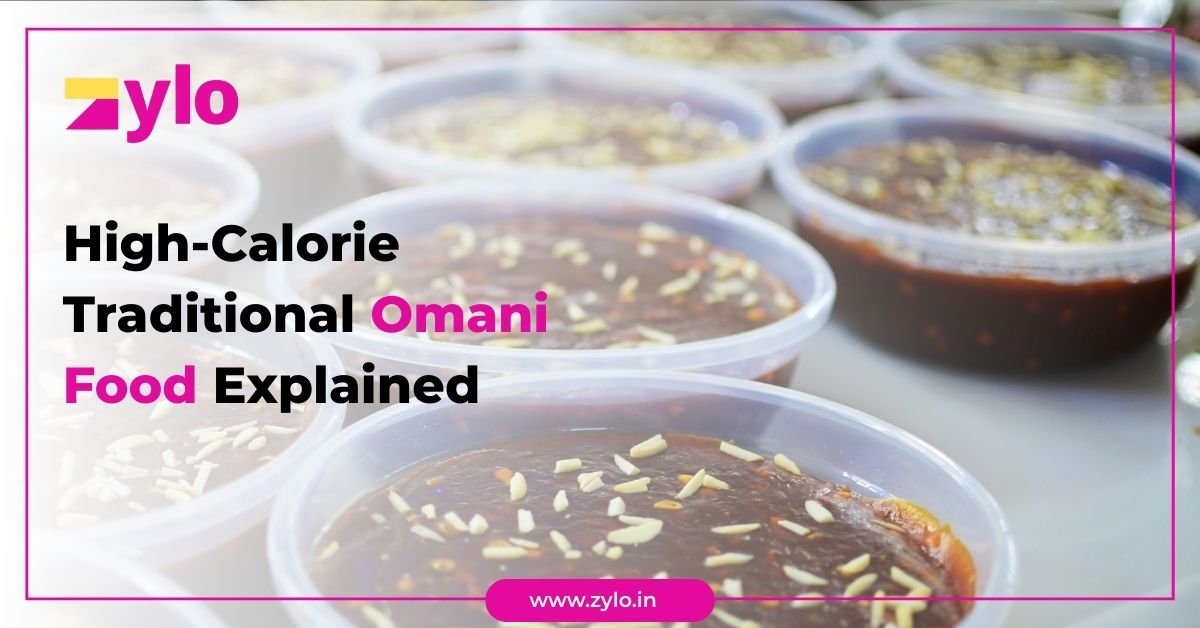
High-calorie traditional Omani food explained starts with cooking foundations: Ghee and oil form the base, turning simple ingredients into dense energy sources. Shuwa, lamb slow-cooked in underground pits, marinates in spiced yogurt and emerges fatty-tender, with a single portion exceeding 900 calories from meat fats alone. Halwa, the semolina pudding staple, blends sugar, clarified butter, and nuts for 400 calories per small bowl—deceptively addictive at gatherings.
Street eats like mutabbaq (fried stuffed pancakes) or sambusas pack 500 calories each, fried in oil and filled with spiced meat or cheese. Even “healthier” options betray: Foul medames swims in olive oil, while laban drinks hide creaminess. Hospitality culture piles plates high, making restraint tough. Women, central to meal prep, sample endlessly, racking up hidden intake. These patterns explain widespread metabolic strain in modern Oman.
Omani Rice Dishes Weight Gain: The Carb-Fat Combo
Central to high-calorie traditional Omani food are rice dishes, which contribute to the weight gain of Omani rice dishes’ weight gain. Machboos, spiced basmati with chicken or fish, absorbs ghee and broth for 700-1,000 calories per plate—60g carbs plus 30g fats create insulin spikes that store as belly fat. Kabuli rice piles on raisins, fried onions, and nuts, pushing carbs to 80g and fats higher.
The issue? Rice soaks up oils during saffron-infused cooking, concentrating calories per forkful. Thareed, bread stewed in meat gravy over rice, doubles down on refined carbs. Post-meal sedentary lounging—common after Friday feasts—leaves surplus unburned. Omani rice dishes’ weight gain hits women hardest, with hormonal shifts amplifying midsection storage. Frequent iftars or weddings turn occasional indulgences habitual, tipping scales steadily.
Why Workout After Traditional Omani Meals Works Wonders
The antidote is motion, specifically a workout after traditional Omani meals. Waiting 60-90 minutes post-feast lets digestion kick in, then activates fat-burning mode. Upright activity like dancing mobilizes rice carbs for energy, preventing bloat from salty gravies. Cardio elevates heart rate, spiking metabolism to torch ghee residues for hours.
Picture finishing machboos, then grooving—twists aid gut motility, easing heaviness. Studies affirm post-meal exercise cuts blood sugar spikes by 30%, key for Omani rice dishes’ weight gain reversal. It builds habit too: Pair feasts with fun, guilt-free.

Virtual Zumba Classes Oman: Your Post-Meal Power Move
Virtual Zumba classes in Oman perfect the workout after traditional Omani meals. These Zoom-based sessions deliver 45-minute Latin dance cardio from Muscat pros, burning 500 calories with salsa isolations and cumbia marches. Core-focused moves melt Omani rice dishes, weight gain, and toning without equipment.
Home privacy suits Omani women—modest attire, family-flexible timings like 8 PM slots. Local instructors remix with Arabic tracks, blending culture and sweat. Drop-in fees hover at OMR 4-8, with recordings for replays. Sara from Sohar credits thrice-weekly virtual Zumba classes in Oman for 8kg loss despite shuwa Sundays; the rhythm curbs cravings too.
Practical Pairings for Lasting Balance
Sync high-calorie traditional Omani food explained with action:
- Timing Tip: 1.5 hours after meals for peak digestion.
- Rice Hacks: Swap half of the machboos rice for quinoa; grill extras.
- Hydration Hero: Laban post-meal, then Zumba.
- Frequency Fix: 3 virtual Zumba classes in Oman weekly, one post-feast.
- Mindful Munch: Savor slowly, start with salad.
Endorphin highs from Zumba replace food comforts, fostering sustainability.
Cultural Fit, Healthier Future
High-calorie traditional Omani food explained spotlights the toll of indulgence, especially via Omani rice dishes, and weight gain. Yet, working out after traditional Omani meals via virtual Zumba classes, Oman honors its heritage while reclaiming vitality. Search “Zumba Oman virtual” on apps or Facebook groups to dive in.
Dance through feasts—stronger, lighter, and loving every bite!