

Weight gain is a common concern for many women, but it is not always caused by overeating or a lack of exercise. The female body goes through several physical, hormonal, emotional, and lifestyle changes throughout life, and these factors can influence body weight. Understanding the causes of weight gain in women can make it easier to choose healthy and realistic ways to manage weight.
From hormonal fluctuations and stress to poor sleep and inactive lifestyles, several factors can contribute to gradual weight gain. The good news is that identifying these factors is the first step toward making healthier choices.
1. Hormonal Changes
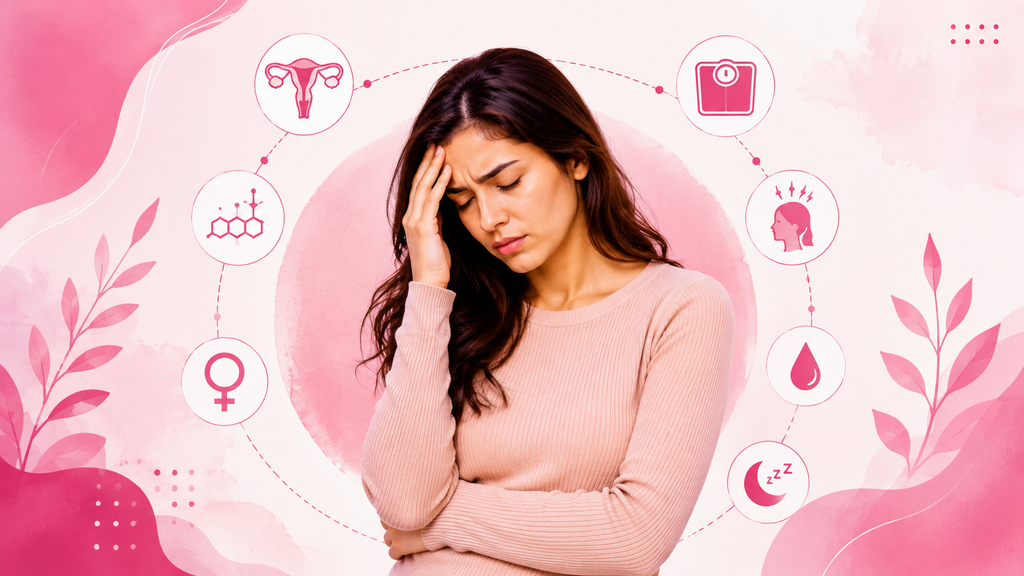
Hormonal changes are one of the important causes of weight gain in women. Hormones can influence appetite, metabolism, energy levels, and where the body tends to store fat.
Women may experience hormonal changes during puberty, pregnancy, after childbirth, menstruation, perimenopause, and menopause. Conditions such as polycystic ovary syndrome (PCOS) can also be associated with weight changes in some women.
During menopause, for example, changes in estrogen levels may contribute to changes in body composition and fat distribution. However, hormones are only one part of the picture, and lifestyle factors also play an important role.
2. Eating More Calories Than the Body Needs
One of the basic reasons for weight gain is consuming more energy than the body uses over time. This can happen gradually without a person realizing it.
Large portions, frequent snacking, sugary drinks, desserts, fried foods, and highly processed foods can increase daily calorie intake. Even foods that appear small can add up when consumed frequently.
Instead of following extreme diets, women can focus on balanced meals containing vegetables, fruits, whole grains, protein sources, and healthy fats. Paying attention to portion sizes can also help support better weight management.
3. Lack of Physical Activity
A sedentary lifestyle can contribute to weight gain. Spending long hours sitting at a desk, working from home, watching television, or using electronic devices can reduce daily movement.
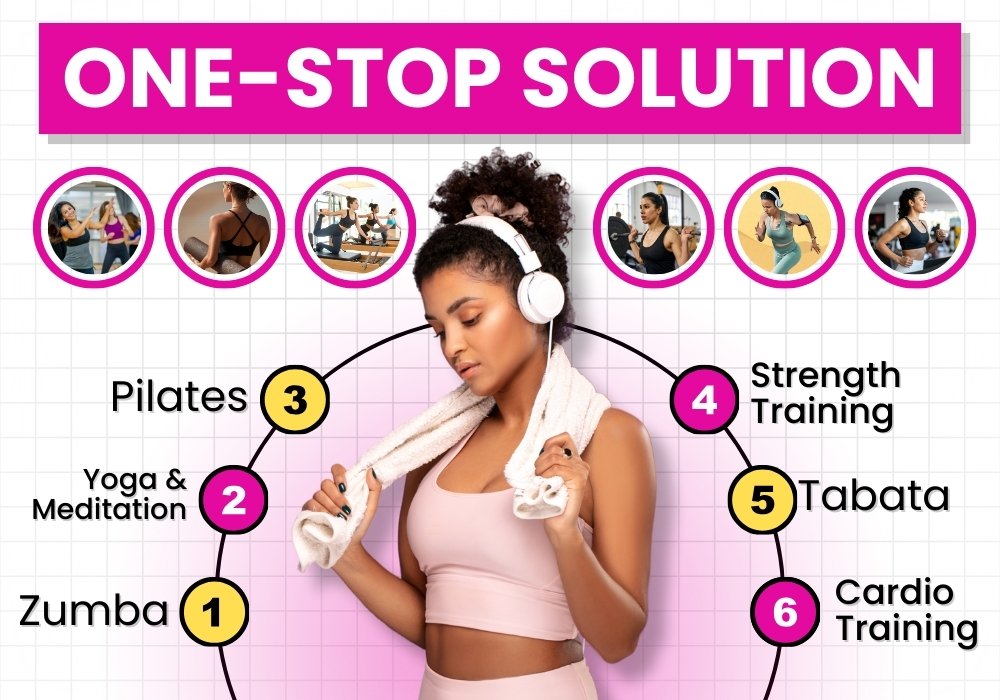
Regular physical activity helps the body use energy and supports muscle strength and overall fitness. Activities such as walking, dancing, yoga, strength training, and Zumba can be enjoyable ways to stay active.
The goal does not always have to be intense exercise. Adding more movement throughout the day can also make a difference.
4. Stress and Emotional Eating
Stress can affect eating habits. When women experience work pressure, family responsibilities, financial concerns, or other forms of stress, they may turn to food for comfort.
Emotional eating often involves foods that are high in sugar, fat, or calories. Eating may provide temporary comfort, but frequent stress-related eating can contribute to gradual weight gain.
Developing healthier stress-management habits can help. Walking, meditation, yoga, deep breathing, hobbies, social connection, and regular exercise are some options that may support emotional well-being.
5. Poor Sleep
Sleep plays an important role in overall health and can also affect appetite and eating patterns. Women who regularly get insufficient or poor-quality sleep may experience increased cravings, tiredness, and reduced motivation to exercise.
When someone is tired, it can become harder to make healthy food choices or stay physically active.
Creating a consistent sleep schedule, reducing screen time before bed, keeping the bedroom comfortable, and maintaining a relaxing nighttime routine may support better sleep.
6. Pregnancy and Postpartum Changes
Pregnancy naturally involves weight gain because the body supports the growth and development of the baby. After childbirth, returning to a previous weight may take time.
Changes in activity levels, sleep, appetite, breastfeeding needs, and daily responsibilities can all influence weight after pregnancy.
Women should avoid rushing into restrictive diets immediately after childbirth. A gradual approach involving nutritious food, adequate recovery, and appropriate physical activity is generally more sustainable.
If there are concerns about postpartum weight changes, discussing them with a qualified healthcare professional can be helpful.
7. Age-Related Changes
As women get older, maintaining the same body weight can become more challenging. Changes in body composition, activity levels, muscle mass, and lifestyle can influence energy needs.
Women may also become less active because of busy schedules, work responsibilities, or changes in physical ability.
Strength training and regular movement can help support muscle strength. Combining resistance exercises with activities such as walking, yoga, or dance-based workouts can create a balanced fitness routine.
8. Lack of Strength Training
Cardio exercises are useful for fitness, but strength training is also an important part of a well-rounded workout routine.
Muscle tissue requires energy, and maintaining muscle mass supports physical function and overall metabolism. Women who only focus on dieting while remaining inactive may find it difficult to maintain muscle.
Simple exercises such as squats, lunges, resistance-band exercises, push-ups, and other strength movements can be incorporated according to individual fitness levels.
Beginners should focus on proper technique and gradually increase exercise intensity.
9. Highly Processed Foods
Modern lifestyles often make processed and convenience foods an easy choice. Packaged snacks, fast food, sugary cereals, sweetened beverages, bakery products, and ready-to-eat meals can sometimes contain large amounts of calories, added sugars, sodium, or unhealthy fats.
Eating these foods occasionally does not automatically cause weight gain. The concern is when they become a regular part of the diet and replace nutrient-rich foods.
Choosing more whole and minimally processed foods can make meals more filling and nutritious.
10. Sugary Drinks
Liquid calories can be easy to overlook. Soft drinks, sweetened coffee, packaged juices, energy drinks, and other sugary beverages can add significant calories without creating the same feeling of fullness as solid food.
Replacing some sugary beverages with water, unsweetened beverages, or other lower-calorie options can be a simple lifestyle change.

Hydration is also important for overall health, although drinking water alone does not cause fat loss.
11. Irregular Eating Patterns
Busy schedules can lead women to skip meals during the day and eat large amounts later. Others may snack continuously while working without noticing how much they are consuming.
There is no single meal schedule that works for everyone. However, creating a consistent and balanced eating pattern can make it easier to manage hunger and make thoughtful food choices.
Planning meals in advance can also reduce dependence on fast food or last-minute snacks.
12. Medical Conditions
Certain medical conditions can be associated with weight changes. For example, thyroid disorders, PCOS, Cushing’s syndrome, and other health conditions may affect weight, appetite, hormones, or metabolism.
This does not mean that every case of weight gain is caused by a medical condition. However, unexplained or rapid weight gain, especially when accompanied by other symptoms, should not be ignored.
Women who are concerned about unexpected weight changes should speak with a qualified healthcare professional for proper evaluation.
13. Certain Medications
Some medications can contribute to weight changes as a side effect. These may include certain medicines used for mental health conditions, diabetes, seizures, allergies, or other health concerns.
However, women should never stop or change prescribed medication on their own because of weight concerns.
If a medication appears to be affecting weight, the safest approach is to discuss the concern with the prescribing healthcare professional. They can determine whether an alternative or adjustment is appropriate.
14. Busy Lifestyle
Women often manage multiple responsibilities, including careers, household tasks, children, social commitments, and personal responsibilities. Fitness and healthy eating can easily become secondary priorities.
A busy lifestyle may result in skipped workouts, irregular meals, frequent takeout, and insufficient sleep.
Instead of trying to make dramatic changes, women can start with small habits. A short walk, a quick home workout, meal preparation, or a few minutes of stretching can help build consistency.
15. Following Extreme Diets
Ironically, extreme dieting can make healthy weight management more difficult for some people. Very restrictive diets may be difficult to maintain and can lead to cycles of restriction followed by overeating.
A sustainable approach is generally more practical than eliminating entire food groups without a medical reason.
A balanced Weight Loss Diet Plan For Women should focus on nutritious foods, appropriate portions, adequate protein and fiber, hydration, and habits that can realistically be maintained over time.
16. Lack of Consistency
Another common reason people struggle with weight management is inconsistency.
Someone may exercise intensely for a few days and then stop for several weeks. Similarly, a person may follow a strict diet temporarily but return to old eating habits later.
Long-term results usually depend more on sustainable habits than short periods of extreme effort.
Creating realistic goals and gradually building healthy routines can make it easier to stay consistent.
17. Social and Environmental Factors
The environment around us can influence food and activity choices. Social gatherings, workplace snacks, celebrations, eating out, and easy access to convenience foods can all affect daily habits.
Women do not need to avoid social events to manage their weight. Instead, they can practice moderation, pay attention to hunger and fullness, and make balanced choices most of the time.
Healthy weight management should fit into real life rather than require complete isolation from normal activities.
How Can Women Manage Healthy Weight?
Understanding the causes of weight gain in women is only the beginning. The next step is creating a realistic lifestyle routine.
A healthy approach may include:
- Eating balanced meals with plenty of nutrient-rich foods
- Including adequate protein and fiber
- Limiting frequent sugary drinks and highly processed foods
- Staying physically active throughout the day
- Combining cardio with strength exercises
- Getting sufficient quality sleep
- Managing stress through healthy activities
- Drinking enough water
- Avoiding extreme diets
- Setting realistic and measurable goals
- Maintaining consistency instead of seeking quick results
Exercise can be particularly helpful because it supports cardiovascular fitness, muscle strength, mobility, and overall well-being. Women can choose activities they genuinely enjoy, whether that is walking, yoga, strength training, dancing, or Zumba.
The Role of a Balanced Diet
Food choices play an important role in maintaining a healthy weight. Instead of focusing only on calories, women can also consider the nutritional quality of their meals.
A balanced plate can include vegetables, fruits, whole grains, protein-rich foods, and healthy sources of fat. Portion sizes should be appropriate for individual needs and activity levels.
There is no universal diet that works equally well for every woman. Age, activity level, lifestyle, food preferences, health conditions, and personal goals can all influence dietary needs.
For women who are unsure about what to eat, working with a qualified dietitian or nutrition professional can provide personalized guidance.
When Should You Seek Professional Help?
Occasional changes in weight are normal. However, unexplained or rapid weight gain may require professional evaluation, especially when accompanied by symptoms such as unusual fatigue, significant changes in appetite, swelling, menstrual changes, or other health concerns.
A healthcare professional can help identify possible underlying factors and recommend appropriate tests or treatment when necessary.
It is also important to remember that body weight is only one measure of health. Fitness, strength, energy levels, nutrition, sleep, mental well-being, and other health indicators matter too.
Conclusion
There are many possible causes of weight gain in women, and the reason is often not just one thing. Hormonal changes, eating habits, physical inactivity, stress, poor sleep, pregnancy, age, medical conditions, medications, and lifestyle patterns can all play a role.
Instead of blaming yourself for weight changes, focus on understanding your body and identifying habits that can be improved. Small, consistent changes in nutrition, movement, sleep, stress management, and daily routines can create a healthier lifestyle over time.
The goal should not be quick or extreme weight loss. A sustainable approach that supports nutrition, fitness, energy, and overall well-being is a much better foundation for long-term health.