

Hormones play an important role in almost every major function of a woman’s body. They influence metabolism, mood, sleep, reproductive health, appetite, energy levels, and many other processes. When hormone levels become too high or too low, the body may experience changes that can affect everyday life.
Hormonal imbalance in women can happen at different stages of life, including puberty, pregnancy, postpartum, perimenopause, and menopause. It can also be associated with certain medical conditions, stress, lifestyle factors, and some medications.
Understanding the common causes and symptoms can help women recognize changes in their bodies and seek appropriate professional guidance when needed.
What Is Hormonal Imbalance?
Hormonal imbalance occurs when the body produces too much or too little of a particular hormone. Hormones are chemical messengers produced by glands and tissues throughout the body. Even relatively small changes in hormone levels can sometimes affect how the body functions.
Some hormones that are particularly important for women include estrogen, progesterone, thyroid hormones, insulin, cortisol, and testosterone.
Hormonal fluctuations are not always a sign of a health problem. Hormone levels naturally change throughout the menstrual cycle and during different stages of life. However, persistent or significant changes accompanied by symptoms may need medical evaluation.
Common Causes of Hormonal Imbalance in Women
There is no single cause of hormonal imbalance. Several factors can influence hormone production and regulation.
1. Menstrual Cycle Changes
Hormone levels naturally fluctuate throughout the menstrual cycle. Estrogen and progesterone rise and fall at different points, influencing menstruation, ovulation, mood, appetite, and other body functions.
Temporary changes are generally normal. However, significant changes in menstrual patterns may sometimes indicate an underlying issue that should be discussed with a healthcare professional.
2. Polycystic Ovary Syndrome (PCOS)
PCOS is a common hormonal and metabolic condition that can affect women during their reproductive years. It may be associated with irregular periods, excess androgen activity, acne, increased hair growth, and difficulty with weight management.
Not every woman with PCOS experiences the same symptoms. Proper diagnosis and individualized management are important.
3. Thyroid Problems
The thyroid gland produces hormones that influence metabolism and many other body processes. An underactive thyroid, known as hypothyroidism, may be associated with symptoms such as tiredness, feeling cold, dry skin, constipation, and changes in weight.
An overactive thyroid can produce a different set of symptoms, including increased heart rate, nervousness, heat intolerance, and unintended weight loss.
Because thyroid symptoms can overlap with other conditions, testing and professional evaluation are important.
4. Pregnancy
Pregnancy causes major hormonal changes in the body. Hormones help support the growth and development of the baby and prepare the body for childbirth and breastfeeding.
Changes in appetite, energy, mood, sleep, and body weight during pregnancy are common. Women should not attempt restrictive weight-loss diets during pregnancy unless specifically advised by their healthcare provider.

5. Perimenopause and Menopause
As women approach menopause, reproductive hormones begin to change. This transition is called perimenopause and can last for several years.
Women may experience changes in menstrual cycles, hot flashes, sleep, mood, and body composition. After menopause, lower estrogen levels can also affect how fat is distributed around the body.
Healthy nutrition, regular physical activity, strength exercises, and adequate sleep can support overall health during this stage.
6. Chronic Stress
Stress is another factor that can influence the body’s hormonal environment. During stressful situations, the body releases hormones such as cortisol and adrenaline as part of its natural stress response.
Short-term stress is normal. However, prolonged stress can affect sleep, appetite, energy, mood, and daily habits.
Finding healthy ways to manage stress—such as walking, yoga, meditation, hobbies, social activities, or enjoyable workouts—can support overall well-being.
7. Poor Sleep
Sleep and hormones are closely connected. Regularly getting insufficient or poor-quality sleep can affect appetite, mood, energy, and the body’s ability to regulate several hormones.
Women with busy schedules may find it difficult to maintain consistent sleep habits. Creating a relaxing bedtime routine, limiting excessive screen use before bed, and maintaining regular sleep and wake times can help support better sleep.
Common Symptoms of Hormonal Imbalance
Symptoms can vary considerably depending on which hormones are affected and what is causing the change.
Some commonly reported symptoms may include:
- Irregular or missed periods
- Heavy or unusually light periods
- Unexplained changes in weight
- Acne or changes in skin
- Excess facial or body hair
- Hair thinning or hair loss
- Increased tiredness
- Difficulty sleeping
- Mood changes
- Increased anxiety or irritability
- Changes in appetite
- Reduced energy
- Changes in libido
- Hot flashes
- Difficulty concentrating
Having one of these symptoms does not necessarily mean that a woman has a hormonal imbalance. Many of these symptoms can have several possible causes.
Hormonal Imbalance and Weight Changes
Weight changes are one of the concerns women may notice when dealing with hormonal or metabolic changes. However, weight gain or difficulty losing weight should not automatically be blamed on hormones.
Body weight is influenced by many factors, including food intake, physical activity, sleep, stress, genetics, age, medications, medical conditions, and body composition.
For example, thyroid disorders can affect metabolism, while PCOS may be associated with insulin resistance and difficulty managing weight in some women.
A sustainable approach is more useful than focusing on a single hormone or looking for a quick solution.
Can Exercise Help Support Hormonal Health?
Regular physical activity is an important part of a healthy lifestyle. Exercise can support cardiovascular health, muscle strength, energy, mood, sleep, and healthy weight management.
Women can choose activities that they enjoy and can maintain consistently. Walking, cycling, swimming, yoga, strength training, and dance-based workouts can all be part of an active lifestyle.
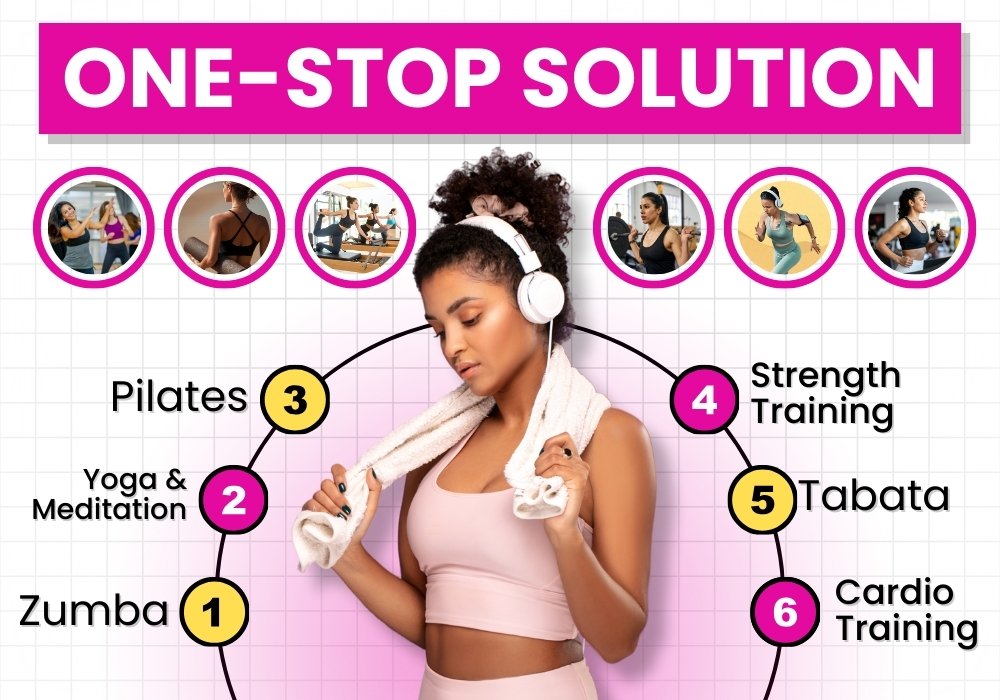
Dance workouts such as Zumba can make exercise more enjoyable and may help women stay consistent with their fitness routine. For women searching for weight loss for zumba, it is important to understand that Zumba itself does not guarantee weight loss. Results depend on overall energy balance, nutrition, activity levels, consistency, and individual factors.
The main benefit of choosing an enjoyable workout is that it can make regular movement easier to maintain over time.

The Importance of a Balanced Diet
Nutrition is another important part of supporting overall health. Instead of focusing on restrictive diets or eliminating entire food groups, women can aim for balanced and varied meals.
A healthy eating pattern may include:
- Vegetables and fruits
- Whole grains
- Protein-rich foods
- Beans and legumes
- Nuts and seeds
- Healthy sources of fats
- Adequate fluids
Protein can help support muscle maintenance, while fiber-rich foods can contribute to fullness and digestive health.
The ideal dietary pattern can vary from person to person. Women with medical conditions or specific nutritional needs should consider getting personalized advice from a qualified healthcare professional or registered dietitian.
How Stress Management Can Help
Stress cannot always be completely avoided, but learning to manage it can be beneficial for overall health.
Simple stress-management strategies may include:
Practice Relaxation
Deep breathing, meditation, gentle stretching, and mindfulness can provide a calming break during a busy day.
Stay Physically Active
Exercise can be a useful way to manage stress and improve mood. Even a short walk can provide a mental break.
Make Time for Yourself
Reading, listening to music, spending time with friends, or enjoying a hobby can help create balance.
Maintain Healthy Boundaries
Women who constantly manage work, family, and other responsibilities may need to create time for rest and recovery.
Hormonal Health During Different Life Stages
Women’s hormonal needs and experiences change throughout life.
During the Reproductive Years
Menstrual cycles naturally involve changing hormone levels. Tracking menstrual patterns can help women notice unusual changes and discuss them with a healthcare professional if necessary.
During Pregnancy
Pregnancy involves significant hormonal changes. Nutrition, physical activity, and medical care should be adapted to the individual needs of the mother and baby.
After Childbirth
The postpartum period involves additional physical and hormonal changes. Recovery, nutrition, sleep, and gradual return to physical activity are important.
During Perimenopause
Women may notice changing menstrual patterns, sleep disturbances, hot flashes, and changes in mood or body composition.
After Menopause
Lower estrogen levels can affect bone health and body composition. Regular strength training, weight-bearing activity, balanced nutrition, and adequate protein can support healthy aging.
When Should You Talk to a Doctor?
Persistent or unexplained symptoms should not be ignored. Women should consider speaking with a healthcare professional if they experience significant menstrual changes, unexplained weight changes, persistent fatigue, severe acne, excessive hair growth, unusual hair loss, or other symptoms that interfere with daily life.
A healthcare professional can review medical history, symptoms, medications, and other factors. Depending on the situation, they may recommend appropriate tests to identify possible causes.
It is important not to self-diagnose hormonal problems based only on symptoms or online information.

Healthy Habits to Support Overall Hormonal Health
Although not every hormonal condition can be prevented, healthy lifestyle habits can support overall health.
Eat a Nutritious Diet
Choose a variety of whole and minimally processed foods and avoid relying heavily on highly processed snacks and sugary drinks.
Exercise Regularly
Aim for a combination of cardiovascular activity, strength training, flexibility, and everyday movement according to your fitness level.
Prioritize Sleep
Try to maintain a consistent sleep schedule and create an environment that supports restful sleep.
Manage Stress
Include activities that help you relax and recover from daily responsibilities.
Stay Hydrated
Adequate fluid intake is important for many body functions.
Avoid Extreme Dieting
Very restrictive eating patterns may be difficult to sustain and may not provide adequate nutrition.
Maintain Consistency
Small habits practiced regularly are often easier to maintain than dramatic short-term changes.
Hormonal Imbalance Does Not Affect Every Woman the Same Way
One of the most important things to understand is that hormonal health is highly individual. Two women can have similar hormone-related conditions but experience very different symptoms.
Factors such as age, genetics, lifestyle, medical history, medications, sleep, stress, and nutrition can all influence how a woman feels.
This is why comparing your body or symptoms with someone else’s may not provide an accurate picture.
Instead, women should pay attention to changes in their own bodies and seek professional advice when symptoms are persistent or concerning.
Conclusion
Hormonal imbalance in women can be influenced by many factors, including natural life-stage changes, PCOS, thyroid conditions, pregnancy, menopause, stress, sleep, and other health or lifestyle factors. Symptoms can range from menstrual changes and tiredness to mood changes, skin problems, and changes in body weight.
Hormonal health is only one part of overall wellness. A balanced diet, regular physical activity, quality sleep, stress management, and appropriate medical care can all contribute to better health.
Women should avoid quick fixes and extreme diets when dealing with hormone-related concerns. If symptoms are persistent, severe, or unexplained, consulting a qualified healthcare professional is the best way to understand the underlying cause and receive appropriate guidance.