
Stress and anxiety have become common parts of modern life. Busy schedules, work pressure, family responsibilities, financial concerns, lack of sleep, and constant digital distractions can affect both physical and mental well-being. When stress continues for a long time, it may become difficult to relax, concentrate, sleep properly, or maintain a positive daily routine. Although some stress is a normal response to challenging situations, regularly feeling overwhelmed can affect overall quality of life.
Physical activity is one practical way to support mental well-being. Walking, cycling, dancing, yoga, stretching, and other forms of exercise can help people create a healthy break from everyday worries. Movement can also improve sleep, increase energy, and support a more positive mood. Regular activity is associated with reduced symptoms of anxiety and depression, although its effects vary between individuals.
Understanding Exercise For Anxiety can help people choose activities that fit their lifestyle and fitness level. Exercise is not a replacement for professional mental health treatment, but it can become a useful part of a broader self-care routine. The most important thing is to begin with manageable movements, remain consistent, and choose activities that feel enjoyable rather than stressful.
Understanding Stress and Anxiety
What Is Stress?
Stress is the body’s response to a demanding or challenging situation. It can happen when someone has a busy workday, an upcoming examination, family responsibilities, financial pressure, or an unexpected problem. Short-term stress may help a person become alert and respond to a challenge. However, frequent or prolonged stress can affect sleep, concentration, mood, and physical comfort.
People experience stress differently. Some may notice headaches, muscle tension, tiredness, or difficulty sleeping. Others may become irritable, restless, distracted, or emotionally overwhelmed. When these feelings continue, it can become harder to maintain healthy habits such as regular exercise, balanced meals, and adequate rest.
What Is Anxiety?
Anxiety is a feeling of worry, nervousness, or fear that may occur in response to uncertainty or perceived danger. It can be temporary, such as feeling nervous before an important meeting, or more persistent and difficult to control. Some people experience racing thoughts, restlessness, rapid breathing, sweating, difficulty concentrating, or physical tension.
Anxiety disorders involve symptoms that are more persistent or disruptive than ordinary everyday worry. They may affect relationships, work, education, and daily activities. If anxiety is interfering with your life, consider speaking with a qualified mental health professional. Physical activity may support well-being, but it should not be treated as the only solution.
How Are Stress and Anxiety Connected?
Stress and anxiety can influence each other. A stressful situation may create feelings of worry, while ongoing anxiety can make everyday responsibilities feel more demanding. For example, a person who is already worried about work may find it harder to relax after working hours. Poor sleep can then increase tiredness and make the next day feel even more stressful.
This cycle can affect physical activity too. Someone who feels overwhelmed may avoid exercise because they have low energy or believe they do not have enough time. However, gentle movement can provide a structured break and help create a sense of routine. Exploring Exercise For Anxiety is one way to understand how physical activity can complement other healthy coping strategies.
How Physical Activity Supports Mental Well-Being
Supports a More Positive Mood
Physical activity influences several processes in the body and brain. Movement can stimulate the release of chemicals involved in mood regulation and help people feel more energised. Some individuals experience a sense of satisfaction or calm after walking, dancing, cycling, or completing a workout.
The emotional benefit does not need to come from an intense session. Even a short walk or gentle stretching break may help someone step away from a stressful task and return with a refreshed perspective. Enjoyable movement can also create a positive daily experience that is separate from work or household responsibilities.
Helps Reduce Feelings of Tension
Stress can sometimes be accompanied by tightness in the neck, shoulders, back, and other muscles. Sitting for long periods may add to physical stiffness and discomfort. Gentle movement, mobility exercises, and stretching can help people change positions and become more aware of their bodies.
Activities such as yoga, walking, and low-impact dancing can provide an opportunity to release some physical tension. They may also encourage people to focus on their breathing and movements instead of repeatedly thinking about stressful situations. The goal is not to force the body into difficult positions but to move comfortably.
Supports Better Sleep
Sleep and mental well-being are closely connected. When someone feels stressed or anxious, falling asleep or staying asleep may become difficult. Poor sleep can then contribute to tiredness, low motivation, and increased sensitivity to everyday challenges.
Regular physical activity can support better sleep for many people. A consistent walking routine, gentle exercise, or a suitable dance session may help create a healthier daily rhythm. However, intense exercise very close to bedtime may feel stimulating for some individuals, so it can be useful to schedule workouts earlier if evening sessions affect sleep.
Builds Confidence Through Small Achievements
Completing a simple workout can create a sense of achievement. For someone who has been feeling overwhelmed, finishing a ten-minute walk or learning a new dance step may feel like a meaningful accomplishment.
Small achievements can encourage people to trust their ability to maintain healthy habits. Confidence often develops gradually through repeated experiences rather than dramatic changes. This is one reason Exercise For Anxiety can be approached through realistic goals instead of demanding fitness targets.
Best Physical Activities for Stress and Anxiety
Walking
Walking is one of the simplest ways to become physically active. It does not require complicated equipment, advanced skills, or a gym membership. People can walk outdoors, around their neighbourhood, in a park, or indoors when the weather is uncomfortable.
A short walk during a lunch break or after work can provide a useful mental break. Walking outdoors may also offer a change of scenery and an opportunity to notice the surroundings. Start with a comfortable pace and gradually increase the duration according to your fitness level.
Yoga
Yoga combines physical postures, breathing techniques, balance, and focused attention. Gentle yoga may help people become more aware of their breathing and physical sensations. It can also provide a quiet period away from screens, work, and daily responsibilities.
Beginners can start with simple movements and comfortable poses. There is no need to perform advanced stretches or compare flexibility with other people. Choose an instructor who explains modifications and encourages participants to work within their own limits.
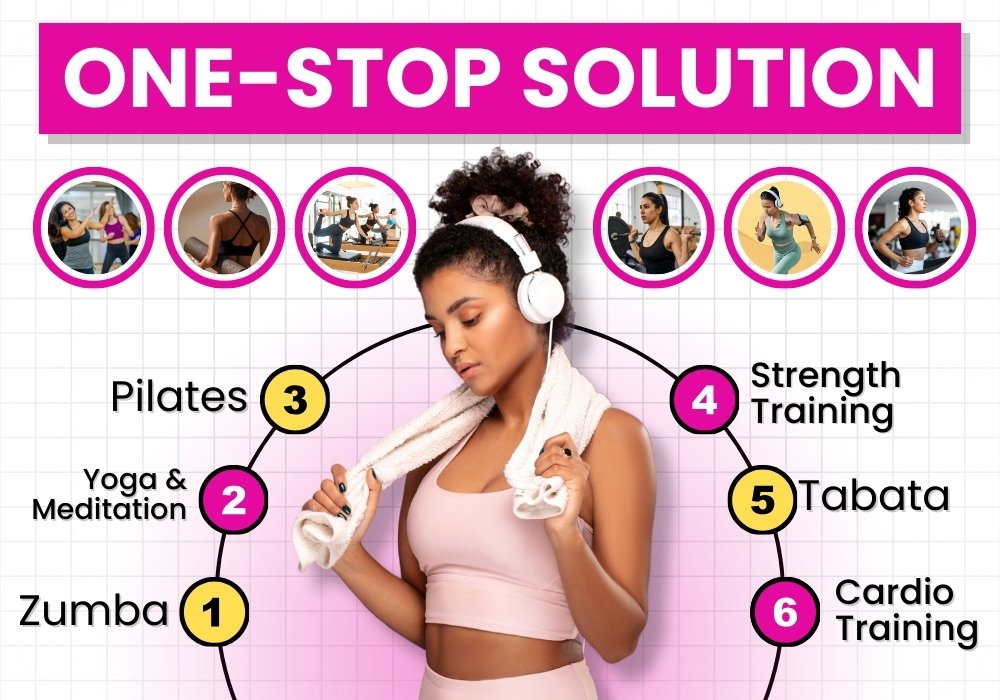
Dancing and Zumba
Dancing combines movement and music, making exercise feel enjoyable for people who prefer something more energetic than traditional workouts. Dance-based fitness can include simple steps, coordinated movements, and changes in rhythm. It can also provide a creative way to express energy and take a break from repetitive routines.
Zumba-style workouts combine dance-inspired movements with aerobic exercise. People can select beginner-friendly sessions and modify steps according to their ability. If you enjoy group energy but prefer exercising at home, Live Zumba Classes Online Today may offer a convenient way to follow guided dance sessions without travelling to a fitness centre.
Cycling
Cycling can be a useful activity for people who enjoy rhythmic movement. Outdoor cycling offers a change of environment, while stationary cycling allows participants to control speed and resistance indoors.
Start with a comfortable pace rather than trying to cover a long distance immediately. Choose a safe route or a suitable stationary cycle, and take breaks when necessary. Cycling can become part of a balanced routine alongside walking, stretching, and strength exercises.
Swimming
Swimming involves controlled movement through water and can provide a low-impact form of exercise for many people. Some enjoy the repetitive rhythm of swimming because it allows them to focus on breathing and movement.
People who are new to swimming should learn in a safe environment and follow appropriate supervision. Choose a pace that feels manageable and avoid pushing yourself when tired. Swimming may not be suitable for everyone, so consider individual health and comfort.
Strength Training
Strength training involves exercises that work muscles against resistance. It may include bodyweight movements, resistance bands, or weights. Building strength can support everyday activities and contribute to general physical fitness.
Beginners can start with simple movements such as supported squats, wall push-ups, or light resistance exercises. Correct technique is more important than lifting heavy weights. A qualified trainer can help adapt exercises to your current fitness level.
How to Start Exercising When You Feel Stressed or Anxious
Begin With Small Steps
Starting an exercise routine can feel difficult when you already have a busy schedule or low motivation. Instead of planning a long workout immediately, choose a small activity that feels achievable. You might walk for ten minutes, stretch for a few minutes, or try a short beginner dance session.
Small steps reduce the pressure of getting started. Once the activity becomes familiar, you can gradually increase the time or frequency. You do not need to complete a perfect workout every day to build a healthier routine.
Choose Activities You Enjoy
Enjoyment plays an important role in consistency. If you dislike running, you do not have to make it your main exercise. You may prefer dancing, yoga, cycling, walking, or another form of movement.
Think about the activities that make you feel comfortable and motivated. Some people enjoy exercising alone, while others prefer a class with an instructor. Choosing an activity that matches your personality and schedule makes it easier to continue.
Set Realistic Goals
Unrealistic goals can create additional pressure. For example, deciding to exercise intensely every day after months of inactivity may lead to exhaustion or disappointment. A more manageable goal could be to walk on three days this week or complete two short dance sessions.
As your routine becomes more comfortable, you can adjust your goals. Focus on consistency, energy, and enjoyment rather than comparing your progress with someone else’s results. A gradual approach is a practical foundation for Exercise For Anxiety.
Fix a Suitable Time
A regular exercise time can make movement easier to remember. Some people prefer morning walks because they feel refreshed afterwards. Others find that an afternoon or early evening session fits better around work and family responsibilities.
There is no single perfect time for everyone. Choose a period when you can exercise without rushing. If your schedule changes frequently, keep a flexible plan that allows you to move at different times of the day.
The Role of Online Fitness Classes in Mental Well-Being
Convenience of Exercising at Home
Travelling to a gym or fitness studio can feel difficult when you have limited time. Home-based workouts provide another option. You can exercise in a familiar environment, choose a convenient time, and avoid travel-related stress.
Online sessions may include dance workouts, yoga, stretching, or general fitness exercises. Beginners can pause the session, repeat a movement, or take a break when necessary. This flexibility can make it easier to include physical activity in a busy routine.
Guided Movement and Motivation
Following an instructor can help people understand how to perform movements and maintain a routine. A guided session may also provide structure for those who find it difficult to decide what exercise to do each day.
If you are exploring Live Zumba Classes Online Today, look for classes that explain beginner modifications, provide clear movement instructions, and encourage participants to work at their own pace. The class should feel supportive rather than competitive.
A Sense of Community
Some online fitness classes include live interaction with instructors and other participants. Seeing familiar faces and sharing a common activity may help people feel connected, particularly when they spend much of their day working alone or managing responsibilities at home.
However, social interaction is not essential for everyone. Some people prefer private workouts, while others enjoy group sessions. Choose the format that makes you feel comfortable and supported.
Flexibility for Working Women and Housewives
Working women may struggle to find time for exercise between professional responsibilities, commuting, and family commitments. Housewives may also have demanding schedules involving household tasks and caregiving. In both cases, flexible home workouts can help make movement more accessible.
A short session may be easier to fit into the day than travelling to a gym. With options such as Live Zumba Classes Online Today, participants can explore guided movement from home and select sessions that suit their current fitness level and availability.
How Zumba Can Make Exercise More Enjoyable
Music and Movement
Music can make a workout feel more engaging. Dance-based exercise allows participants to follow rhythms and coordinate simple steps with the beat. This can shift attention towards the activity rather than everyday worries.
Some people enjoy energetic music, while others prefer slower songs and simpler choreography. You can choose a workout style that feels comfortable and adjust the volume to suit your preferences.
Beginner-Friendly Dance Routines
People who are new to dance fitness may worry about remembering every step. However, beginner routines generally focus on basic movements that can be repeated and learned gradually.
You can march in place, step side to side, move your arms, and practise simple combinations. Take breaks whenever needed and avoid movements that cause discomfort. There is no need to match the instructor perfectly.
Low-Impact Modifications
Not every dance workout needs jumping or fast movements. Low-impact modifications can reduce the amount of force placed on the joints and make sessions more manageable for some beginners.
Participants can replace jumps with step touches, reduce the speed of turns, or make arm movements smaller. If you have joint pain, balance difficulties, or another health condition, seek suitable guidance before beginning a new routine.
Focus on Enjoyment Rather Than Performance
The purpose of a fitness session should not be to perform every movement perfectly. People have different levels of coordination, stamina, and experience. Making mistakes while learning choreography is a normal part of the process.
When choosing Live Zumba Classes Online Today, focus on instructors who create a welcoming environment and explain that modifications are acceptable. Enjoyment and comfort can help make exercise a positive part of everyday life.
Creating a Weekly Physical Activity Routine
Combine Different Types of Movement
A balanced routine can include aerobic activity, muscle strengthening, and flexibility exercises. Walking, cycling, and dance workouts can support cardiovascular fitness, while resistance exercises help develop strength. Stretching and gentle yoga can support mobility and body awareness.
You do not need to perform every activity in one session. Spread different forms of movement across the week according to your schedule and ability. Variety can also make exercise feel less repetitive.
Follow a Gradual Weekly Plan
If you are a beginner, start with short sessions and allow time for recovery. For example, you might walk on two days, try a gentle dance session on another day, and include stretching when it feels comfortable.
As your stamina improves, gradually increase the duration or frequency. The World Health Organization recommends that adults aim for 150–300 minutes of moderate-intensity aerobic activity each week, or an equivalent combination of activity, alongside muscle-strengthening activities on at least two days. People who are currently inactive can begin with smaller amounts and build up gradually.
Include Rest and Recovery
Rest is part of a healthy exercise routine. Muscles need time to recover, and the body may feel tired after unfamiliar activities. Trying to exercise intensely every day can make it difficult to maintain consistency.
Pay attention to your energy levels. A rest day can include gentle movement if that feels comfortable, or complete rest when needed. Avoid treating missed workouts as failures. Returning to your routine calmly is more helpful than trying to compensate with excessive exercise.
Lifestyle Habits That Support Stress Management
Maintain a Consistent Sleep Schedule
A regular sleep schedule can support physical and mental well-being. Try to maintain reasonably consistent sleeping and waking times, including on weekends. Create a calm sleeping environment and reduce activities that keep your mind stimulated close to bedtime.
If stress makes it difficult to sleep, consider a relaxing evening routine. Gentle stretching, reading, or quiet breathing exercises may help you prepare for rest. Persistent sleep difficulties should be discussed with a healthcare professional.
Eat Balanced Meals
Regular, balanced meals can support energy levels throughout the day. Include a variety of foods such as vegetables, fruits, whole grains, protein sources, and healthy fats according to your dietary needs.
Avoid relying on excessive caffeine or sugary snacks to manage tiredness. Some people notice that too much caffeine affects their sleep or makes them feel restless. Notice how your body responds and seek professional nutritional advice if you need individual guidance.
Stay Hydrated
Drinking enough fluids supports normal body functions, especially during physical activity and hot weather. Keep water accessible and drink regularly throughout the day.
Hydration needs vary according to activity, climate, health, and individual circumstances. People who have been advised to restrict fluids should follow their healthcare professional’s instructions.
Spend Time Outdoors
Spending time outside can provide a change of scenery and an opportunity to move. A walk in a park, time in a garden, or a short cycle may help break up long periods indoors.
Try paying attention to the environment around you while walking. Notice the trees, sounds, colours, and fresh air rather than focusing only on distance or speed. This can make an ordinary walk feel like a more mindful activity.
Reduce Long Periods of Sitting
Many people spend several hours sitting while working, studying, or using digital devices. Long periods without movement can contribute to stiffness and make the day feel repetitive.
Take short movement breaks when possible. Stand up, walk around the room, stretch gently, or change your position. These small actions can help you include more movement without requiring a separate workout.
Simple Breathing and Relaxation Techniques
Slow, Comfortable Breathing
Breathing exercises can help some people become more aware of their body and reduce feelings of tension. Sit comfortably and allow your breathing to become slow and natural. Avoid forcing deep breaths or holding your breath for an uncomfortable period.
If focusing on breathing makes you feel more anxious or dizzy, stop and return to normal breathing. You can try another calming activity, such as walking slowly or listening to relaxing music.
Mindful Walking
Mindful walking involves paying attention to the experience of walking. Notice how your feet touch the ground, how your body moves, and what you can see or hear around you.
You do not need to walk for a long time. Even a few minutes of focused movement may provide a break from repetitive thoughts. This can be combined with your regular physical activity routine.
Gentle Stretching
Stretching can provide a quiet opportunity to notice areas of physical tension. Try comfortable shoulder rolls, gentle arm movements, or easy stretches for the legs and back.
Avoid bouncing or forcing a stretch. If a movement causes pain, numbness, dizziness, or unusual discomfort, stop. People with injuries or medical conditions should ask a qualified professional which movements are appropriate.
Common Mistakes to Avoid
Starting With Too Much Intensity
One common mistake is beginning with an intense workout after a long period of inactivity. This may cause excessive fatigue, soreness, or loss of motivation.
Start with an activity that feels manageable and increase the challenge gradually. If you are unsure how to begin, seek advice from a qualified fitness professional or healthcare provider.
Comparing Yourself With Others
Online videos and social media often show people completing advanced workouts. Comparing your ability with theirs can create unnecessary pressure.
Everyone has a different starting point. Focus on your own comfort, consistency, and progress. A short walk completed regularly can be more useful than an advanced routine that you cannot maintain.
When to Seek Professional Support
Recognising When Stress Becomes Difficult to Manage
Occasional stress is a normal part of life, but persistent distress can affect relationships, work, sleep, and daily functioning. If you regularly feel overwhelmed, find it difficult to control worry, or avoid important activities because of anxiety, consider seeking professional support.
A mental health professional can help identify what is contributing to your symptoms and discuss suitable treatment options. Early support can make it easier to understand your needs and develop effective coping strategies.
Choose Supportive Fitness Guidance
A qualified instructor can help explain movements, offer modifications, and create a more comfortable exercise experience. If you are joining an online class, look for clear instructions and a beginner-friendly approach.
A supportive session should allow you to take breaks and work at your own pace. Whether you choose walking, yoga, or Live Zumba Classes Online Today, your well-being should remain more important than completing every movement.
Frequently Asked Questions
Can Physical Activity Help Reduce Stress?
Physical activity may help reduce feelings of stress by providing a break from daily pressures, supporting mood, and improving sleep. Walking, cycling, dancing, and yoga are examples of activities people may enjoy. The benefits vary, and exercise is only one part of stress management.
What Is the Best Exercise for Anxiety?
There is no single best exercise for everyone. Walking, yoga, swimming, cycling, and dance-based workouts may be suitable options. Choose an activity that matches your fitness level, health needs, and preferences.
How Much Exercise Should I Do for Mental Well-Being?
Adults are generally advised to work towards 150–300 minutes of moderate-intensity aerobic activity each week, alongside muscle-strengthening activities on at least two days. Beginners can start with smaller amounts and gradually build up. Even some activity is better than none.
Can Zumba Help With Stress?
Zumba combines music and dance-inspired movement, which some people find enjoyable and energising. It can provide a structured break from daily responsibilities. Choose a session that matches your ability and modify movements when necessary.
Can I Exercise at Home if I Feel Anxious?
Yes. Home workouts can be a convenient option if you feel more comfortable exercising in a familiar environment. You can try walking indoors, stretching, yoga, or beginner dance routines. Start with a short session and take breaks whenever needed.
Is Exercise Enough to Manage Anxiety?
Exercise may support mental well-being, but it is not enough for everyone. Persistent or severe anxiety may require professional assessment and treatment. Physical activity can be used alongside appropriate mental health care.
Conclusion
Physical activity can play a valuable role in supporting mental well-being. Walking, yoga, cycling, stretching, strength training, and dancing offer different ways to move the body and create a healthier daily routine. Regular movement may support mood, sleep, energy, and confidence while providing a break from everyday stress.
The best routine is one that feels achievable and enjoyable. Begin with small steps, choose activities that suit your fitness level, and gradually increase your activity as you become more comfortable. Do not compare your progress with others or feel pressured to complete intense workouts.
If you are exploring Exercise For Anxiety, remember that physical activity is a supportive tool rather than a replacement for professional mental health care. Combine movement with healthy sleep habits, balanced meals, social support, and appropriate treatment when needed.
At Zylo Fitness, the focus is on making fitness more accessible through guided movement and enjoyable workout options. Whether you prefer gentle activity or dance-based sessions, choose a routine that fits your lifestyle. Options such as Live Zumba Classes Online Today can make it easier to explore guided exercise from home. Start at your own pace, listen to your body, and make your health and well-being the priority.