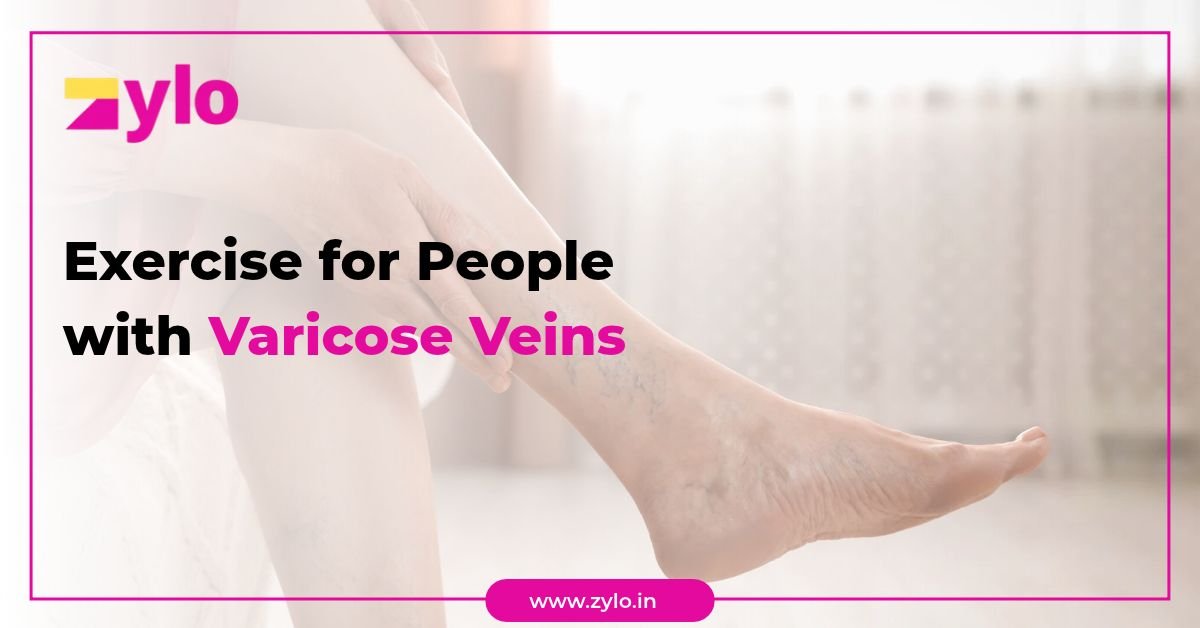
Varicose veins are a common condition that affects the veins, particularly in the legs. They usually appear as enlarged, twisted, blue or purple veins that are visible beneath the skin. Some people experience only visible veins, while others may notice aching, swelling, itching, heaviness, burning sensations, or discomfort after standing or sitting for extended periods.
Although varicose veins are often considered a cosmetic concern, they can sometimes affect everyday activities and overall comfort. Maintaining an active lifestyle is one of the important ways to support healthy blood circulation and manage symptoms.
The good news is that you do not necessarily need an intense gym workout to stay physically active. Simple activities such as walking, cycling, swimming, gentle stretching, and ankle movements can help activate the muscles in your legs. These muscles play an important role in pushing blood from the lower legs back towards the heart.
Choosing suitable Exercises For Varicose Veins can help improve lower-body muscle activity, support circulation, and reduce some symptoms associated with prolonged sitting or standing. However, exercise does not remove existing varicose veins or replace medical treatment when it is needed.
In this guide, we will explore suitable exercises, their potential benefits, activities that require caution, and practical ways to create a comfortable fitness routine at home.
What Are Varicose Veins?
Understanding the Condition
Veins are blood vessels responsible for carrying blood from different parts of the body back towards the heart. The veins in your legs work against gravity to move blood upwards.
Inside healthy veins, small valves help keep blood moving in the correct direction. When these valves become weak or damaged, blood can flow backwards and collect inside the veins. This increases pressure and causes the veins to become enlarged, swollen, and twisted.
This condition is known as varicose veins.
Varicose veins commonly develop in the legs because these veins experience considerable pressure while supporting the body’s weight and moving blood against gravity.
Why Is Exercise Important for People with Varicose Veins?
Supports Healthy Blood Circulation
One of the main reasons exercise is recommended for people with varicose veins is its ability to activate the muscles in the lower body.
When you walk, cycle, or perform gentle leg movements, your calf muscles contract and relax. This action helps push blood through the veins towards the heart.
The calf muscles are sometimes described as the body’s natural pump because of their role in supporting blood circulation in the lower legs.
Helps Reduce Leg Discomfort
Long periods of sitting or standing can contribute to blood pooling in the lower legs. This may increase feelings of heaviness, tiredness, and swelling.
Regular movement helps activate the leg muscles and encourages blood flow. Gentle activities throughout the day may therefore help some people feel more comfortable.
Strengthens Leg Muscles
Strong calf and thigh muscles support everyday movements such as walking, climbing stairs, and maintaining balance.
Exercise can gradually improve lower-body strength without requiring complicated equipment or strenuous routines.
Supports Healthy Weight Management
Maintaining a healthy weight can help reduce unnecessary pressure on the veins in your legs.
Regular physical activity, combined with balanced nutrition, can support weight management and general cardiovascular health.
Encourages an Active Lifestyle
People who work at desks, spend long hours driving, or have sedentary routines may find it difficult to move regularly.
A simple exercise schedule encourages consistent movement and helps reduce the amount of time spent sitting continuously.
10 Best Exercises for People with Varicose Veins
Choosing comfortable, low-impact movements is generally a sensible starting point for people experiencing varicose vein symptoms. The following exercises focus on gentle leg movement, calf activation, and overall fitness.
Before starting, consult a healthcare professional if you have painful or worsening veins, significant swelling, skin changes, or other medical conditions.
1. Walking
Walking is one of the simplest and most accessible activities for people with varicose veins.
It activates the calf muscles, encourages blood circulation, and provides cardiovascular benefits without requiring complicated movements or expensive equipment.
How to Perform Walking
-
Wear comfortable shoes with good support.
-
Begin with a slow five-minute walk.
-
Maintain a comfortable and natural walking posture.
-
Allow your arms to move naturally.
-
Gradually increase your walking duration according to your comfort.
-
Finish with a few minutes of slower walking.
Recommended Duration: Start with 10–15 minutes and gradually work towards 30 minutes if comfortable and medically appropriate.
Benefits:
-
Activates calf muscles.
-
Supports blood circulation.
-
Improves cardiovascular fitness.
-
Helps maintain a healthy weight.
-
Encourages regular physical activity.
Walking is particularly useful for people who spend most of their working hours sitting at a desk.
2. Ankle Pumps
Ankle pumps are gentle movements that can be performed while sitting or lying down. They are especially useful for people who cannot walk frequently throughout the day.
The movement involves pointing your toes away from your body and bringing them back towards your shin.
How to Perform Ankle Pumps
-
Sit comfortably on a chair or lie on your back.
-
Extend your legs naturally.
-
Point your toes away from your body.
-
Slowly pull your toes towards your body.
-
Repeat the movement without forcing your ankles.
-
Perform the exercise with both feet.
Recommended Repetitions: 10–15 repetitions per foot, according to your comfort.
Benefits:
-
Encourages ankle movement.
-
Activates lower-leg muscles.
-
Helps reduce stiffness from prolonged sitting.
-
Can be performed almost anywhere.
This is a convenient movement to include during office breaks or while travelling.
6. Gentle Leg Raises
Gentle leg raises can help activate the muscles around the thighs and hips.
This exercise can be performed on a mat and does not require special equipment. However, people with significant swelling, pain, or other leg conditions should ask a healthcare professional whether it is appropriate.
How to Perform Leg Raises
-
Lie comfortably on your back.
-
Keep one knee bent and the other leg straight.
-
Slowly lift the straight leg a short distance.
-
Keep your movement controlled.
-
Lower the leg gently.
-
Repeat with the opposite leg.
Recommended Repetitions: 5–10 repetitions per leg initially.
Benefits:
-
Activates thigh muscles.
-
Supports lower-body strength.
-
Encourages controlled movement.
-
Can be performed at home.
Avoid holding your breath or lifting your leg if the movement causes discomfort.
10. Gentle Water Walking
The water supports part of your body weight and creates natural resistance, allowing you to move your legs without the same impact as walking on a hard surface.
How to Perform Water Walking
-
Enter a shallow pool where you can stand comfortably.
-
Walk slowly through the water.
-
Move your arms naturally.
-
Keep your posture comfortable.
-
Avoid sudden changes in direction.
-
Stop if you experience discomfort.

Recommended Duration: Start with 5–10 minutes.
Benefits:
-
Provides gentle resistance.
-
Activates lower-body muscles.
-
Supports cardiovascular activity.
-
Offers a low-impact movement option.
These activities can be adapted according to your age, fitness level, symptoms, and medical advice.
Benefits of Regular Exercise for Varicose Veins
1. Encourages Better Blood Flow
Regular physical activity activates the muscles in your legs. When the calf muscles contract, they help move blood through the veins towards the heart.
This natural process supports circulation and reduces the amount of time your leg muscles remain inactive.
2. Helps Manage Swelling
Some people experience ankle and leg swelling associated with varicose veins.
Gentle movement, avoiding prolonged sitting, and elevating the legs may help manage discomfort and swelling. However, persistent or worsening swelling should be medically assessed.
3. Improves Lower-Body Strength
Exercises that activate the calves, thighs, and hips help maintain muscle strength.
Improved muscle strength can make everyday activities such as walking, climbing stairs, and standing more comfortable.
4. Supports Heart Health
Activities such as walking, cycling, and swimming can improve cardiovascular fitness.
A stronger cardiovascular system supports overall health, even though exercise alone cannot repair damaged vein valves.
5. Supports Mental Well-Being
Regular exercise can also support mental well-being by reducing stress and improving mood.
Gentle movement, stretching, and enjoyable physical activities can help people develop a more positive relationship with fitness.
6. Helps Maintain a Healthy Weight
Excess body weight can increase pressure on the veins in the legs.
Combining regular physical activity with balanced eating habits may help maintain a healthy weight and support overall circulation.
Research and clinical guidance recognise exercise as a useful lifestyle measure for people with chronic venous symptoms.
Société Française de Phlébologie+2
Is Aerobics Safe for People with Varicose Veins?
Understanding Low-Impact Aerobics
Aerobics involves rhythmic movements that increase your heart rate and improve cardiovascular fitness.
However, not every aerobics routine is suitable for someone experiencing varicose vein symptoms. High-impact movements, repeated jumping, and intense routines may be uncomfortable for some individuals.
Low-impact aerobics focuses on controlled movements where at least one foot remains on the floor.
Examples include:
-
Marching in place.
-
Side-to-side steps.
-
Gentle step touches.
-
Controlled arm movements.
-
Slow knee lifts.
-
Easy dance-based movements.
These activities can help people remain active without immediately starting an intense workout.
How Online Aerobics Classes Can Help
Online Aerobics Classes can provide a convenient way to follow guided fitness sessions from home.
People who prefer exercising at home can choose beginner-friendly sessions that focus on controlled movements, gradual progression, and suitable workout intensity.
Before joining a class, consider the following:
-
Choose low-impact beginner sessions.
-
Inform your instructor about your varicose veins.
-
Avoid routines involving repeated jumps.
-
Start with shorter sessions.
-
Take breaks whenever required.
-
Stop movements that cause pain or discomfort.
An online instructor can guide your movements, but a fitness instructor cannot replace a medical assessment. If your symptoms are significant, get advice from your healthcare professional before joining an exercise program.
Exercises and Activities to Approach with Caution
Not every physical activity is appropriate for every person with varicose veins.
The goal should be to maintain movement without increasing discomfort or putting unnecessary strain on the body.
1. Heavy Weightlifting
Lifting very heavy weights, particularly while holding your breath or straining, can increase pressure inside the body.
People with symptomatic varicose veins should discuss heavy resistance training with a healthcare professional before attempting it.
If strength training is appropriate, begin with light resistance and controlled movements.
2. High-Impact Jumping Exercises
Exercises such as jump squats, jumping jacks, and repeated box jumps involve significant impact.
These movements may be uncomfortable for some people with painful or swollen legs.
Consider controlled alternatives such as step touches or gentle marching if approved by your healthcare professional.
3. Long Periods of Standing
Standing still for extended periods can increase pressure in the leg veins and worsen symptoms.
If your job requires standing, change positions regularly and take short walking breaks whenever possible.
4. Intense Running Without Preparation
Running is not automatically prohibited for everyone with varicose veins. The NHS includes running and walking among activities that can support blood flow.
However, people with painful veins or significant symptoms should seek advice before beginning a running program.
Start gradually rather than immediately attempting long-distance or high-intensity sessions.
5. Exercises That Cause Pain
Any movement that produces increasing pain, swelling, or unusual discomfort should be stopped.
Do not force your body to complete a workout simply because it appears in an exercise plan.
According to the NIH, strenuous exercise, particularly heavy lifting, may worsen symptoms in some individuals. Exercise intensity should therefore be discussed with a healthcare professional.
A Simple Daily Exercise Routine for People with Varicose Veins
Morning Exercise Routine
Starting your day with gentle movements can help you develop a consistent fitness habit.
You do not need to spend an hour exercising every morning. A short routine that activates your legs and encourages comfortable movement can be a good starting point.
Here is an example of a beginner-friendly morning routine:
| Exercise | Duration |
|---|---|
| Gentle ankle pumps | 2 minutes |
| Seated marching | 2 minutes |
| Gentle calf raises | 2 minutes |
| Comfortable walking | 5 minutes |
| Light stretching | 3 minutes |
Total Duration: Approximately 14 minutes.
Adjust the routine according to your symptoms and physical ability. If an exercise causes discomfort, stop performing it.
Afternoon Movement Breaks
People who work from home or sit in an office for long periods should pay attention to their daily movement habits.
Remaining in one position for several hours can contribute to discomfort and blood pooling in the legs.
Try these simple activities during your working day:
-
Stand up and walk around periodically.
-
Perform ankle pumps while sitting.
-
Avoid sitting with your legs crossed for extended periods.
-
Move your feet and toes regularly.
-
Take short walking breaks between work sessions.
-
Avoid standing still for long periods.
Even small movement breaks can help you avoid remaining inactive throughout the day.
Evening Relaxation Routine
After a long day, your legs may feel tired or heavy.
An evening routine can focus on relaxation, comfortable movement, and leg elevation.
Consider the following activities:
-
Walk slowly for five minutes if comfortable.
-
Perform gentle ankle movements.
-
Stretch your calves without forcing the movement.
-
Lie down comfortably.
-
Place your legs on supportive pillows.
-
Relax for approximately 10–15 minutes.
Leg elevation may help relieve pressure and discomfort. However, it does not permanently remove enlarged veins.
Weekly Exercise Plan for Beginners
Seven-Day Fitness Schedule
A weekly schedule can make it easier to maintain consistency without overtraining.
The following plan is an example for people who have received medical clearance for gentle physical activity.
| Day | Exercise | Duration |
|---|---|---|
| Monday | Walking and ankle pumps | 15–20 minutes |
| Tuesday | Gentle yoga and stretching | 15 minutes |
| Wednesday | Stationary cycling | 10–15 minutes |
| Thursday | Walking and calf raises | 15–20 minutes |
| Friday | Swimming or water walking | 15–20 minutes |
| Saturday | Gentle low-impact aerobics | 10–15 minutes |
| Sunday | Relaxation and comfortable walking | 10 minutes |
This is a flexible routine, not a medical prescription. You can reduce the duration or take additional rest days depending on your symptoms.
How to Progress Gradually
If you are new to exercise, begin with shorter sessions and increase your activity slowly.
For example:
-
Week 1: Focus on 5–10 minutes of gentle movement.
-
Week 2: Increase walking duration if comfortable.
-
Week 3: Introduce simple strengthening exercises.
-
Week 4: Combine walking, stretching, and suitable low-impact activities.
Do not increase exercise intensity simply to achieve faster results. Comfort and consistency are more important than workout duration.
Lifestyle Tips to Manage Varicose Veins
Exercise is only one part of maintaining healthy legs. Your daily habits also play an important role in managing symptoms.
1. Avoid Sitting for Long Periods
People who work at desks should avoid remaining seated continuously for several hours.
Try to change your position regularly and include short walking breaks throughout the day.
If you cannot stand up immediately, perform ankle pumps or move your feet while sitting.
2. Avoid Standing in One Position
Standing still for extended periods can increase pressure in the veins of your legs.
If your occupation requires standing, shift your weight gently, move your ankles, and walk around whenever possible.
3. Elevate Your Legs
Leg elevation is a simple way to help manage swelling and discomfort.
When resting, lie down and place your legs on supportive pillows so that they are elevated comfortably.
Some people benefit from raising their legs above heart level for short periods.
However, the position should always be comfortable and should not cause numbness or pain.
4. Maintain a Healthy Weight
Excess body weight can place additional pressure on the veins in your legs.
A balanced lifestyle that includes regular physical activity and nutritious food can support healthy weight management.
Avoid extreme diets or unrealistic weight-loss targets.
5. Wear Comfortable Footwear
Choose shoes that allow your feet and ankles to move naturally.
Comfortable footwear can make walking and everyday physical activities easier.
Avoid wearing shoes that cause discomfort or restrict ankle movement.
6. Follow a Balanced Diet
A healthy diet supports overall cardiovascular health and general well-being.
Include a variety of nutritious foods in your daily meals.
Some useful food choices include:
-
Fruits such as oranges, apples, berries, and papaya.
-
Vegetables such as spinach, broccoli, and carrots.
-
Whole grains such as oats and brown rice.
-
Protein sources such as lentils, beans, eggs, and fish.
-
Healthy fats from nuts and seeds.
Foods containing fibre can also support digestive health and help prevent constipation, which may increase abdominal pressure during straining.
Drink enough water throughout the day according to your needs.
7. Avoid Excessive Heat Exposure
Some people notice that their leg discomfort becomes worse in hot weather or after exposure to high temperatures.
If heat increases your symptoms, avoid excessively hot baths and choose a comfortable bathing temperature.
8. Take Care of Your Leg Skin
People with long-standing varicose veins may develop itching, dryness, or skin changes around their ankles.
Keep your skin clean and moisturised. Avoid scratching irritated areas because damaged skin can develop sores or infections.
If you notice persistent skin changes, consult a healthcare professional.
Can Yoga Help People with Varicose Veins?
Understanding the Role of Gentle Yoga
Yoga combines breathing exercises, stretching, balance, and controlled body movements.
Gentle yoga may help people maintain flexibility, reduce stiffness, and improve their awareness of body movement.
However, yoga should not be considered a treatment that removes varicose veins or repairs damaged vein valves.
Suitable Gentle Yoga Movements
Some movements that may be considered as part of a modified routine include:
-
Gentle seated stretches.
-
Comfortable ankle rotations.
-
Supported standing stretches.
-
Relaxed breathing exercises.
-
Gentle leg movements while lying down.
The suitability of each movement depends on your symptoms and overall health.
Important Yoga Precautions
Avoid advanced poses that cause discomfort or require prolonged positions that aggravate your symptoms.
Do not force deep stretches or remain in one position if your legs become painful or uncomfortable.
If you have significant swelling, skin ulcers, or recently developed painful veins, seek medical advice before practising yoga.
Do Compression Stockings Help During Exercise?
Understanding Compression Stockings
Compression stockings are specially designed garments that apply controlled pressure to the legs.
They may help reduce swelling and discomfort in some people with venous conditions.
The amount of compression required depends on the individual’s condition and medical history.
Should You Wear Them During Exercise?
Some people may be advised to wear compression stockings during daily activities, including exercise. However, the appropriate type and timing depend on individual medical needs.
Before purchasing compression stockings, speak with a healthcare professional who can assess your circulation and recommend the correct size and compression level.
Do not assume that tighter stockings provide better results.
Important Precautions
-
Choose the correct size.
-
Follow professional fitting advice.
-
Check your skin regularly.
-
Avoid wearing stockings that cause pain or numbness.
-
Follow instructions about when to wear and remove them.
Compression stockings are not suitable for everyone, particularly people with certain circulation problems. Medical advice is important before starting compression therapy.
Common Exercise Mistakes People with Varicose Veins Should Avoid
1. Starting with Intense Workouts
One common mistake is beginning with long or difficult workouts without considering your fitness level.
Start with simple movements and increase your activity gradually.
2. Ignoring Pain and Swelling
Pain is not something you should ignore during exercise.
If your symptoms become worse, stop the activity and consult a healthcare professional.
3. Following Random Online Workout Videos
Not every workout video is suitable for people with vein-related problems.
Some routines include jumping, heavy resistance, or prolonged standing.
Choose beginner-friendly sessions and modify movements according to professional advice.
4. Skipping Warm-Ups
Starting exercise suddenly may make movement uncomfortable, particularly if your muscles are stiff.
Begin with gentle ankle movements and slow walking before progressing to your main activity.
5. Exercising Without Rest
Rest and recovery are important parts of a balanced fitness routine.
You do not need to perform strenuous workouts every day. Gentle activity and suitable recovery periods can help you maintain consistency.
6. Expecting Exercise to Remove Varicose Veins
Exercise can support circulation, muscle strength, and symptom management, but it cannot eliminate existing varicose veins.
People with persistent symptoms may require medical evaluation and treatment.
When Should You Consult a Doctor?
Symptoms That Need Medical Attention
Although varicose veins are common, certain symptoms should not be ignored.
Consult a healthcare professional if you experience:
-
Persistent leg pain or aching.
-
Increasing swelling around your ankles.
-
Itching or skin irritation that does not improve.
-
Skin discolouration around affected veins.
-
Hard and painful veins.
-
A sore or ulcer that does not heal.
-
Varicose veins that are becoming progressively worse.
A doctor may recommend a physical examination and, when appropriate, a duplex ultrasound to assess blood flow and identify problems with the veins.
When to Seek Urgent Medical Help
Some symptoms require more immediate attention.
Seek urgent medical assessment if a varicose vein starts bleeding or if you develop a sudden painful, swollen, or red leg.
Sudden leg swelling and pain can sometimes indicate a blood clot, which requires prompt medical evaluation.
If you experience sudden breathlessness, chest pain, or coughing up blood, seek emergency medical assistance immediately because these may be signs of a potentially serious blood clot in the lungs.
Do not attempt to manage these symptoms through exercise.
The NHS and NICE provide guidance on medical assessment and referral for painful veins, bleeding, skin changes, and ulcers.
Frequently Asked Questions About Exercises for Varicose Veins
1. Which Exercise Is Best for People with Varicose Veins?
Walking is one of the simplest options because it activates the calf muscles and supports blood circulation.
Swimming and stationary cycling are also useful low-impact activities. However, the best exercise depends on your symptoms, fitness level, and medical condition.
2. Can Walking Help Reduce Varicose Vein Symptoms?
Yes. Walking activates the calf muscles, which help move blood towards the heart.
Regular comfortable walking may help manage heaviness, discomfort, and other symptoms. However, it will not make existing varicose veins disappear.
3. Is Cycling Good for Varicose Veins?
Stationary cycling can be a suitable low-impact activity for many people.
It encourages repeated leg movement and helps strengthen the lower-body muscles.
Start with low resistance and avoid intense sessions if they increase your discomfort.
4. Can People with Varicose Veins Practise Yoga?
Many people with varicose veins can practise gentle, modified yoga.
Choose comfortable stretches, controlled movements, and relaxation exercises. Avoid advanced poses that cause pain or increase discomfort.
Consult your healthcare professional if you have significant symptoms.
5. Can Aerobics Make Varicose Veins Worse?
It depends on the type and intensity of aerobics.
Low-impact aerobics may be appropriate for some people, while intense jumping and strenuous movements may cause discomfort.
Choose controlled beginner-level activities and seek medical advice before starting a new program.
6. How Long Should I Exercise Every Day?
There is no single exercise duration that works for everyone.
Beginners can start with 5–10 minutes of gentle movement and gradually increase their activity.
If comfortable and medically appropriate, working towards approximately 30 minutes of moderate activity on most days can be a reasonable general fitness goal.
7. Can Exercise Completely Cure Varicose Veins?
No. Exercise cannot repair damaged vein valves or permanently remove enlarged veins.
However, regular physical activity may help improve circulation, strengthen muscles, and manage some symptoms.
Medical treatment may be necessary depending on the severity of the condition.
8. Are Online Aerobics Classes Suitable for Beginners with Varicose Veins?
Online Aerobics Classes can be convenient for beginners who prefer exercising at home.
Choose low-impact sessions that avoid excessive jumping and strenuous leg movements. Inform your instructor about your condition and follow your healthcare professional’s recommendations.
9. Should I Stop Exercising If My Legs Feel Heavy?
If you experience increasing heaviness or discomfort, slow down or stop the exercise.
Rest and observe whether the symptoms improve. If the discomfort continues, becomes worse, or is accompanied by swelling, seek medical advice.
10. Can I Exercise If I Have Swollen Ankles?
Mild swelling can occur with varicose veins, but new, unexplained, or worsening swelling should be assessed before starting an exercise routine.
Sudden swelling, particularly in one leg with pain or redness, requires urgent medical assessment.
Conclusion
Living with varicose veins does not necessarily mean avoiding physical activity. In fact, maintaining a suitable exercise routine can be an important part of supporting healthy circulation, strengthening leg muscles, and improving overall fitness.
Simple activities such as walking, ankle pumps, calf raises, swimming, stationary cycling, and gentle stretching can help keep your legs moving. The key is to choose comfortable exercises, avoid unnecessary strain, and gradually increase activity according to your physical ability.
If you prefer exercising at home, beginner-friendly fitness sessions can make it easier to establish a regular routine. However, always choose activities that match your medical needs and avoid following intense workouts without professional guidance.
Remember that exercise is a supportive lifestyle measure, not a cure for varicose veins. If you experience persistent pain, swelling, skin changes, bleeding, or other concerning symptoms, consult a qualified healthcare professional.
With appropriate medical guidance, regular movement, and healthy lifestyle habits, you can take positive steps towards better leg health and an active lifestyle.