

Weight management is a common health goal for many women, but losing weight is not always as simple as eating less and exercising more. Hormonal changes, metabolism, sleep quality, stress, lifestyle habits, medical conditions, and genetics can all influence body weight. As a result, women often explore different approaches to understand what works best for their bodies.
One topic receiving increasing attention is Peptides for Weight Loss. These medications and hormone-related treatments are frequently discussed in health articles, fitness communities, and social media. Some peptide-based medicines have been developed to help manage obesity by influencing appetite, digestion, and blood sugar regulation.
However, not every product marketed as a weight-loss peptide is approved, tested, or proven safe. Understanding the difference between prescription medications, experimental treatments, and unregulated products is essential before considering any option.
For women, there are additional factors to consider, including menstrual health, pregnancy planning, breastfeeding, hormonal changes, and nutritional needs. Weight loss should support overall health rather than create unnecessary physical or emotional stress.
A sustainable fitness routine also plays an important role. Activities such as walking, strength training, dancing, and Group Fitness Classes can help women build healthier habits, improve fitness, and maintain muscle while working toward their goals.
This article explains what peptides are, how certain medications work, their possible benefits and side effects, what women should discuss with a healthcare professional, and how exercise and healthy lifestyle habits can support long-term weight management.
What Are Peptides?
Understanding Peptides in the Human Body
Peptides are short chains of amino acids, which are the building blocks of proteins. They perform different functions in the body and can act as signaling molecules that help regulate biological processes.
Some naturally occurring peptides are involved in:
- Appetite regulation.
- Digestion and stomach emptying.
- Blood sugar control.
- Hormonal signaling.
- Metabolism and other body functions.
Because peptides influence several processes, researchers have developed medicines that act on specific peptide-related pathways.
It is important to understand that not all peptides have the same purpose. Some are used in approved medical treatments, while others are still being researched or are sold without adequate evidence of safety and effectiveness.
Why Are Peptides Being Discussed for Weight Loss?
Interest in Peptides for Weight Loss has increased because certain prescription medicines can influence hunger, fullness, and food intake.
For example, GLP-1 is a naturally occurring hormone released by the digestive system. It helps regulate blood glucose and contributes to feelings of fullness.
Some prescription medications mimic the action of this hormone or act on related hormone receptors. They may help people feel satisfied after eating smaller amounts of food.
These treatments are generally considered as part of medical weight management rather than quick cosmetic solutions.
How Do Peptides Work for Weight Loss?
Understanding GLP-1 Hormone Activity
GLP-1 stands for glucagon-like peptide-1. It is a hormone involved in blood sugar regulation and appetite control.
When GLP-1-related medicines activate their target receptors, they can:
- Increase insulin release when blood sugar is elevated.
- Reduce the release of glucagon.
- Slow stomach emptying.
- Influence appetite and fullness signals.
- Help some people reduce their overall food intake.
These effects can support weight management in people who meet the medical criteria for treatment.
How Appetite and Fullness Are Affected
One of the main reasons people may lose weight while using certain GLP-1 medicines is that they experience less hunger and feel full for longer.
For example, someone who previously felt hungry shortly after a meal may notice that they remain satisfied for a longer period.
This can make it easier to reduce excessive calorie intake. However, appetite reduction should not lead to skipping essential meals or failing to meet nutritional needs.
Women still need adequate protein, fiber, healthy fats, vitamins, minerals, and fluids to support their health.
The Role of Digestion and Blood Sugar
Some GLP-1 medicines slow the movement of food from the stomach into the small intestine. This can influence how quickly someone feels full after eating.
They also help regulate blood glucose, which is one reason some medicines in this category are used in the treatment of type 2 diabetes.
Their effects on digestion and appetite can be useful, but they can also contribute to gastrointestinal side effects.
Common Types of Peptide-Based Weight-Loss Medicines
Not every product described online as a peptide is a proven weight-loss treatment. The following are examples of prescription medicines that act on specific hormone pathways.
1. Semaglutide
Semaglutide is a GLP-1 receptor agonist. It is used in certain prescription products for type 2 diabetes and chronic weight management, depending on the product and country.
It works by mimicking the activity of the GLP-1 hormone. This can help regulate appetite, improve blood sugar control, and reduce food intake.
People using semaglutide for weight management may experience changes in hunger and portion sizes.
However, it is not suitable for everyone. A healthcare professional must assess medical history, current medications, potential risks, and eligibility before prescribing it.
2. Liraglutide
Liraglutide is another GLP-1 receptor agonist. Depending on the specific brand and approved indication, it may be prescribed for type 2 diabetes or weight management.
It acts on appetite and blood sugar regulation pathways.
Unlike some weekly medicines, certain liraglutide products are administered daily. The exact product, dosage, and treatment schedule must be determined by a qualified prescriber.
3. Tirzepatide
Tirzepatide acts on two hormone receptors: GIP and GLP-1. These pathways are involved in blood sugar regulation, appetite, and metabolic processes.
In countries where approved for weight management, it may be prescribed to eligible adults with obesity or overweight accompanied by certain weight-related health conditions.
It can be effective for some patients, but it also has potential side effects and medical precautions.
4. Experimental Peptides and New Treatments
Researchers continue studying additional compounds that influence appetite and metabolism.
Some treatments may show promising results in clinical research, but this does not automatically mean they are approved or available for routine weight management.
A product being discussed online, promoted by a fitness influencer, or sold by a wellness clinic does not establish that it is safe or effective.
Women should avoid using experimental or unapproved products without appropriate medical oversight.
Potential Benefits of Peptides for Weight Loss
1. Appetite Management
Certain prescription peptide-based medicines may help reduce hunger and increase feelings of fullness.
This can make it easier for eligible individuals to manage portion sizes and maintain a calorie intake appropriate for their health goals.
However, appetite suppression is not a substitute for balanced nutrition.
2. Support for Long-Term Weight Management
For some people with obesity, weight management is a long-term medical concern.
When prescribed appropriately, certain medicines may help support weight reduction and maintenance alongside nutrition, physical activity, and behavioral changes.
Treatment duration and ongoing suitability should be reviewed with a healthcare professional.
3. Blood Sugar Regulation
Some GLP-1-related medicines help improve blood glucose control in people with type 2 diabetes.
This can be particularly relevant for women who have obesity alongside metabolic health concerns.
The benefits depend on the specific medication, individual health condition, and treatment plan.
4. Potential Improvement in Weight-Related Health Risks
For people who qualify for treatment, weight reduction may help improve certain weight-related health concerns, such as blood pressure, blood glucose, and sleep apnea.
The amount of improvement varies between individuals and depends on their overall health.
5. Better Support for Lifestyle Changes
Some people find it easier to follow a structured nutrition and activity routine when their appetite is better controlled.
However, medication alone does not build strength, improve cardiovascular fitness, or develop healthy daily habits.
A complete weight-management approach should include appropriate physical activity, nutrition, sleep, and medical follow-up.
Important Side Effects Women Should Know About
Although prescription weight-management medicines can offer benefits, they may also cause side effects. Understanding these risks is important before starting treatment.
1. Nausea and Vomiting
Nausea is one of the commonly reported side effects of GLP-1-related medicines.
Some people may also experience vomiting, particularly when starting treatment or after a dose increase.
A healthcare professional can advise how to manage symptoms and whether treatment adjustments are needed.
2. Constipation and Diarrhea
Changes in digestion may cause constipation, diarrhea, or other gastrointestinal discomfort.
Drinking adequate fluids and eating a balanced diet with suitable fiber may help support digestive health.
Persistent symptoms should be discussed with a healthcare professional.
3. Abdominal Discomfort
Some individuals experience bloating, indigestion, abdominal discomfort, or a feeling of fullness.
Severe or persistent abdominal pain requires medical assessment. Sudden severe abdominal pain, especially with vomiting, should not be ignored.
4. Reduced Food Intake and Nutritional Gaps
A lower appetite may cause some women to eat less than their bodies need.
If meals become too small or unbalanced, it may become difficult to obtain sufficient protein, iron, calcium, vitamin B12, and other essential nutrients.
A registered dietitian can help plan meals that meet nutritional needs during weight management.
5. Loss of Muscle Along with Weight
Weight reduction can involve losing both fat and lean body mass.
If calorie intake becomes too low and physical activity does not include appropriate resistance training, muscle loss may become a concern.
Adequate protein intake and suitable strength exercises can help support muscle maintenance.
6. Gallbladder and Pancreas-Related Concerns
Certain weight-loss medicines have been associated with gallbladder problems and, in some cases, pancreatitis.
These complications are not experienced by everyone, but they are important safety considerations.
Seek medical advice promptly if you experience severe abdominal pain, particularly when it is persistent or accompanied by vomiting.
What Women Should Consider Before Using Peptides
1. Pregnancy Planning
Weight-management medicines are generally not intended for use during pregnancy.
If you are planning to become pregnant, discuss your plans with your healthcare professional before starting or continuing treatment.
Some medicines require a specific period between stopping treatment and attempting pregnancy. The appropriate timing depends on the medicine and its prescribing information.
Do not make medication changes without medical guidance.
2. Breastfeeding
Women who are breastfeeding should not assume that weight-loss injections or other peptide-based products are safe.
The safety information can differ between medicines, and adequate evidence may be limited for some products.
Discuss breastfeeding, infant safety, and alternative weight-management approaches with your doctor.
3. Menstrual and Hormonal Health
Changes in weight, food intake, stress, exercise, and overall energy availability can affect menstrual health.
Women who experience irregular periods, unusual bleeding, or other hormonal symptoms should discuss them with a healthcare professional.
Do not assume that a weight-loss medication will automatically improve conditions such as PCOS or other hormonal disorders.
4. Existing Medical Conditions
Your medical history can influence whether a particular medication is suitable.
Before treatment, discuss:
- Type 2 diabetes.
- Digestive disorders.
- Previous pancreatitis.
- Gallbladder problems.
- Kidney or liver concerns.
- Thyroid-related medical history.
- Current medications and supplements.
- Previous reactions to similar medicines.
Some GLP-1-related medicines have specific contraindications, including warnings related to certain thyroid cancer histories. The exact precautions depend on the product.
5. Medication Interactions
Weight-loss medicines can affect how other treatments are managed.
For example, changes in blood glucose may require adjustments to diabetes treatment under medical supervision.
Some medicines may also affect the absorption of oral medications because they slow stomach emptying.
Women using oral contraceptives should ask their prescriber whether their specific medication requires additional contraceptive precautions, particularly during treatment initiation or dose escalation.
Are Peptides Suitable for Every Woman?
Understanding Medical Eligibility
No weight-loss medication is suitable for everyone.
A doctor may consider factors such as body mass index, weight-related health conditions, medical history, previous weight-management attempts, and potential contraindications.
Some medicines are intended for adults with obesity or adults with overweight and specific weight-related health conditions.
They are not generally intended as a shortcut for people who simply want to lose a small amount of weight for appearance-related reasons.
Why Individual Assessment Matters
Two women with similar body weights may have very different health needs.
One may have type 2 diabetes, while another may have a history of digestive problems or be planning a pregnancy.
For this reason, a treatment that is appropriate for one person may not be suitable for another.
A medical consultation is essential before considering prescription weight-management medicines.
Peptides vs. Natural Weight-Management Methods
Understanding the Difference
Prescription medicines and lifestyle-based weight management are different approaches, but they can work together when clinically appropriate.
Medicines may influence appetite and metabolic pathways. Lifestyle habits support daily health, fitness, strength, and long-term well-being.
Neither approach should be treated as a guaranteed solution.
Benefits of Balanced Nutrition
A balanced diet provides the nutrients your body needs to function properly.
Women working toward weight-management goals can focus on:
- Protein-rich foods such as lentils, beans, eggs, dairy, tofu, and lean meats.
- Fiber-rich vegetables and fruits.
- Whole grains.
- Healthy fats from nuts, seeds, and suitable oils.
- Adequate water throughout the day.
- Regular, balanced meals.
Avoid extreme calorie restriction or skipping meals simply because your appetite has decreased.
Why Protein Is Important
Protein supports muscle maintenance, tissue repair, and many other essential body functions.
During weight loss, adequate protein intake can be particularly important because some lean body mass may be lost along with body fat.
Suitable protein sources include paneer, curd, eggs, lentils, chickpeas, beans, tofu, fish, and chicken.
Your individual protein requirements may depend on your body weight, activity level, health conditions, and medical advice.
The Role of Exercise in Sustainable Weight Management
Why Physical Activity Matters
Exercise supports more than calorie burning. Regular physical activity can improve cardiovascular fitness, muscle strength, mobility, balance, and mood.
It can also support better blood sugar regulation and help maintain physical function during weight management.
Women using prescription weight-loss medicines should not overlook exercise simply because their appetite or weight has changed.
Strength Training for Muscle Maintenance
Strength training helps strengthen muscles and supports everyday movement.
Examples include:
- Bodyweight squats, if appropriate for your fitness level.
- Wall push-ups.
- Resistance band exercises.
- Seated dumbbell exercises.
- Supported lunges.
- Modified strength workouts.
Beginners should start with manageable resistance and focus on correct technique.
If you have a medical condition, joint pain, or physical limitations, seek professional guidance before beginning a new program.
Walking and Low-Impact Cardio
Walking can be a convenient way to increase daily movement.
Other low-impact options may include stationary cycling, swimming, and suitable dance-based workouts.
Choose an activity that fits your fitness level and does not cause significant discomfort.
How Group Fitness Classes Can Support Weight Management
1. Encouraging Workout Consistency
One challenge many women face is maintaining a regular exercise schedule.
Group Fitness Classes can provide structure and a planned workout environment. Having a scheduled session may make it easier to develop a consistent routine.
Regular participation can help turn exercise into a sustainable habit.
2. Building Motivation and Confidence
Working out with others can create a supportive atmosphere.
Seeing other participants working toward their fitness goals may encourage you to remain active and celebrate gradual progress.
Beginners can choose sessions designed for their ability and build confidence over time.
3. Exploring Different Fitness Activities
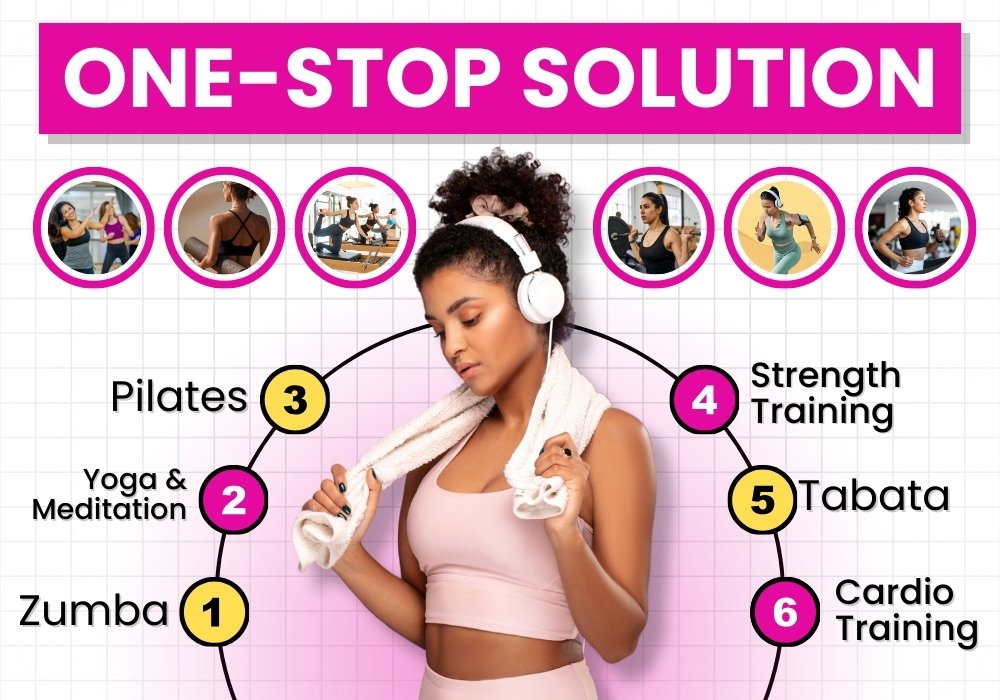
Group workouts can include different forms of exercise, such as:
- Dance fitness.
- Zumba.
- Low-impact aerobics.
- Strength and conditioning.
- Mobility sessions.
- Beginner-friendly fitness routines.
Choosing a variety of suitable activities can make exercise more enjoyable.
4. Supporting Cardiovascular Fitness
Many group workouts include movements that raise the heart rate and improve cardiovascular endurance.
The intensity should match your fitness level. You should be able to modify movements, take breaks, and gradually build your stamina.
5. Making Exercise More Enjoyable
Music, instructor guidance, and shared participation can make workouts feel more engaging.
For women who do not enjoy exercising alone, Group Fitness Classes may provide a more enjoyable way to stay active.
6. Choosing the Right Class
Not every class is appropriate for every person.
Before joining, consider:
- Your current fitness level.
- Any medical restrictions.
- The intensity of the session.
- Whether beginner modifications are available.
- The instructor’s experience.
- Whether you can take breaks when needed.
If you are taking medication that affects appetite, digestion, or energy levels, discuss appropriate exercise intensity with your healthcare professional.
Nutrition Tips for Women Managing Weight
Eat Balanced Meals
A balanced meal should provide a combination of protein, fiber-rich carbohydrates, healthy fats, and vegetables.
For example, an Indian-style meal could include dal, vegetables, roti, curd, and salad.
The exact portion sizes should be adjusted to your nutritional needs and activity level.
Avoid Skipping Meals
Reduced appetite may make it tempting to skip meals.
However, consistently missing meals can make it harder to meet your nutritional requirements.
Smaller, balanced meals may be more comfortable for some people, particularly if they experience fullness or nausea.
Stay Hydrated
Adequate hydration supports digestion, circulation, and normal body functions.
Water needs vary depending on activity, climate, body size, and medical conditions.
If you experience vomiting or diarrhea, ask your healthcare professional how to manage fluid and electrolyte replacement.
Focus on Nutrient Quality
Rather than following restrictive food rules, focus on foods that provide useful nutrients.
Include vegetables, fruits, whole grains, protein sources, and healthy fats in your regular meals.
A registered dietitian can help create a meal plan that suits your health needs and preferences.
How to Build a Sustainable Fitness Routine
Start with Manageable Goals
If you are new to exercise, begin with short sessions and gradually increase activity.
You do not need to perform intense workouts every day.
A routine may include walking, strength exercises, gentle mobility, and suitable group workouts.
Create a Weekly Workout Schedule
Here is an example of a flexible fitness routine for generally healthy beginners. It should be adjusted for your ability and any medical restrictions.
Monday: 20–30 minutes of comfortable walking and gentle mobility.
Tuesday: Beginner strength training with light resistance.
Wednesday: A suitable dance fitness or group workout session.
Thursday: Recovery, stretching, or gentle yoga.
Friday: Strength training focusing on major muscle groups.
Saturday: Walking, swimming, cycling, or another enjoyable activity.
Sunday: Rest or gentle movement according to your comfort.
The duration and intensity should be increased gradually. If you are experiencing medication side effects or unusual fatigue, modify your routine and seek medical advice when needed.
Track More Than Your Weight
The number on the weighing scale does not tell the whole story.
You can also track:
- Strength improvements.
- Walking endurance.
- Sleep quality.
- Energy levels.
- Fitness consistency.
- Changes in waist measurement, if appropriate.
- Overall health markers recommended by your doctor.
A broader view of progress can help you focus on long-term health rather than daily weight fluctuations.
Common Myths About Peptides for Weight Loss
Myth 1: All Peptides Are Safe Because They Occur Naturally
Fact: The fact that a substance is related to a naturally occurring hormone does not automatically make every product safe.
Prescription medicines are evaluated for specific uses, while unapproved products may have unknown quality, ingredients, or risks.
Myth 2: Peptides Guarantee Fast Weight Loss
Fact: Results vary between individuals. Weight reduction depends on the medication, health conditions, treatment adherence, nutrition, physical activity, and other factors.
No medicine can guarantee a particular result.
Myth 3: Exercise Is Not Necessary When Using Peptides
Fact: Medication does not replace physical activity.
Exercise supports cardiovascular health, muscle strength, mobility, and overall well-being. A suitable fitness routine remains important.
Myth 4: Online Peptide Products Are the Same as Prescription Medicines
Fact: Products sold online may be unapproved, counterfeit, incorrectly labeled, or of uncertain quality.
Do not purchase injectable products from social media sellers or websites that do not require a valid medical prescription and appropriate pharmacy oversight.
Myth 5: Peptides Are Only for Women Who Want to Look Slim
Fact: Prescription weight-management medicines are intended for appropriate medical indications, not simply appearance-related goals.
A healthcare professional should assess whether treatment is medically appropriate.
Safety Tips Before Starting Any Weight-Loss Medication
Consult a Qualified Healthcare Professional
Do not start a weight-loss injection, peptide supplement, or prescription medicine based on social media recommendations.
Discuss your health history, weight-management goals, current medicines, and potential risks with a qualified doctor.
Check Whether the Product Is Approved
Approval depends on the specific medicine, brand, formulation, and country.
A medicine approved for one condition may not be approved for weight management.
In India, check the applicable regulatory status and obtain prescription medicines through legitimate, appropriately licensed pharmacies.
Avoid Products Marketed as Research Peptides
Products labeled for research use or not for human consumption should not be used as weight-loss treatments.
Their quality and safety for human use may not be established.
Follow Medical Instructions
Never change the prescribed dose, increase the frequency, or combine weight-loss medicines without medical advice.
Keep follow-up appointments so your healthcare professional can monitor your response and any side effects.
Report Unusual Symptoms
Seek medical advice if you experience persistent vomiting, severe abdominal pain, signs of dehydration, allergic reactions, or other concerning symptoms.
Do not ignore symptoms simply because they appear after starting a new treatment.
Conclusion
Peptides for Weight Loss have become an important topic in modern weight-management discussions. Certain prescription medicines that act on GLP-1 and related hormone pathways can help eligible individuals manage appetite, food intake, blood sugar, and body weight.
However, these medicines are not suitable for everyone and can cause side effects. Women should consider pregnancy planning, breastfeeding, menstrual health, existing medical conditions, nutritional needs, and possible medication interactions before starting treatment.
It is also important to remember that medication is only one part of a broader health plan. Balanced nutrition, adequate protein, regular movement, strength training, sleep, and professional guidance all contribute to sustainable weight management.
Activities such as Group Fitness Classes, walking, strength training, and suitable dance workouts can make exercise more enjoyable while supporting cardiovascular fitness and muscle health.
Instead of relying on quick fixes or unverified products, focus on a medically appropriate and sustainable approach. The best weight-management plan is one that supports your overall health, respects your individual needs, and helps you build habits you can maintain over time.