

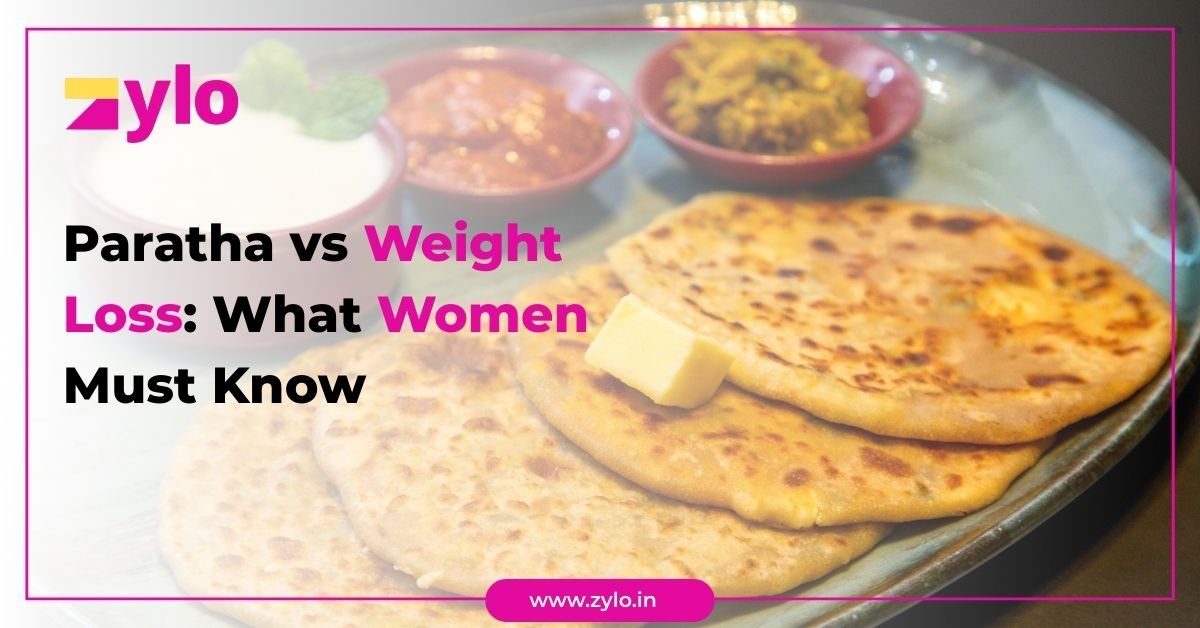
For millions of Indian women, the day begins with the aroma of freshly made parathas sizzling on the tawa. Whether it’s the comforting aloo paratha in India that brings back childhood memories, the healthier whole wheat paratha in India that’s become a staple in modern kitchens, or the countless regional variations, paratha in India represents more than just breakfast—it’s cultural heritage, family tradition, and comfort food all rolled into one. However, for women on weight loss journeys, parathas often become a source of confusion and guilt. Can you eat parathas and still lose weight? Are all parathas equally problematic? Understanding the relationship between parathas and weight management is crucial for making informed dietary choices that don’t sacrifice cultural connection or satisfaction.

The Cultural Significance of Parathas
Parathas hold a special place in Indian cuisine, varying dramatically across regions. Punjab’s stuffed parathas loaded with potatoes, paneer, or radish; Kerala’s Malabar parathas with their flaky layers; the simple whole wheat parathas of North India; and the elaborate Mughlai parathas of Kolkata—each tells a story of local ingredients, techniques, and traditions.
For many households, making parathas is a morning ritual that brings families together. Mothers and grandmothers have passed down recipes through generations, and the act of rolling and cooking parathas carries emotional significance beyond mere nutrition.
This deep cultural connection makes it particularly challenging for women trying to lose weight. Completely eliminating parathas can feel like abandoning heritage, disappointing family members, or depriving oneself of comfort. The good news is that weight loss doesn’t require such drastic measures—it requires understanding and smart choices.
Understanding Paratha Nutrition
To navigate parathas in a weight loss context, let’s examine their nutritional profiles:
Plain Whole Wheat Paratha
A single medium-sized whole wheat paratha in India (approximately 60-70 grams) contains:
- Calories: 120-150 calories
- Carbohydrates: 18-22 grams
- Protein: 3-4 grams
- Fat: 4-6 grams (from ghee or oil used)
- Fibre: 2-3 grams
Stuffed Aloo Paratha
One medium aloo paratha in India (approximately 100-120 grams) contains:
- Calories: 250-350 calories
- Carbohydrates: 35-45 grams
- Protein: 5-7 grams
- Fat: 10-15 grams
- Fibre: 3-4 grams
- Sodium: 300-500 mg
These numbers vary based on size, filling quantity, and cooking method—particularly the amount of ghee or oil used during preparation.
Why Parathas Can Hinder Weight Loss
Several factors make traditional parathas challenging for weight loss:
1. Caloric Density
The combination of wheat flour and generous amounts of ghee or oil creates a calorie-dense food. Two stuffed parathas with yogurt and pickle can easily exceed 700-800 calories—nearly half the daily requirement for sedentary women trying to lose weight.
2. High Glycemic Load
Refined flour parathas, and even whole wheat versions, when consumed in large quantities, create blood sugar spikes followed by crashes. This roller coaster effect triggers hunger and cravings within a few hours, leading to more eating.
3. Fat Content
Traditional preparation involves applying ghee or oil multiple times—on the dough, during rolling, and while cooking on both sides. This significantly increases the fat content and overall calories.
4. Portion Distortion
Cultural norms often dictate eating at least two parathas per meal, sometimes three or four. What should be one serving becomes multiple servings, multiplying calorie intake.
5. Accompaniments
Parathas rarely come alone. Butter on top, achaar (pickle), raita, and sometimes even curry create a high-calorie meal that’s difficult to fit into a weight loss plan.
6. Satiety Issues
Despite being filling initially, parathas made with refined flour lack adequate fibre and protein to provide lasting satiety, leading to snacking and overconsumption later.
The Women-Specific Challenge
Women face unique obstacles when it comes to parathas and weight loss:
Hormonal Fluctuations: Monthly hormonal changes affect metabolism and cravings. During certain phases of the menstrual cycle, the body craves carbohydrate-rich foods like parathas, making restriction particularly difficult.
Family Expectations: In many Indian households, women are expected to cook parathas for the family. Being constantly around this food while trying to avoid it requires tremendous willpower.
Emotional Connections: For many women, parathas represent maternal love, childhood comfort, and family bonding. Eliminating them can feel emotionally depriving.
Metabolic Differences: Women generally have lower metabolic rates than men, meaning the same paratha meal has a more significant caloric impact on women’s bodies.
Time Constraints: Busy women often resort to quick paratha breakfasts rather than preparing separate, healthier meals, making dietary discipline harder.
Smart Strategies for Eating Parathas During Weight Loss
The solution isn’t complete elimination but strategic modification:
Make Healthier Versions
Choose Whole Grains: Always use whole wheat paratha in India or experiment with multigrain flour, jowar, bajra, or ragi for added fibre and nutrients.
Reduce Fat: Use minimal oil or ghee—just enough to prevent sticking. Consider dry roasting on a non-stick tawa with a light spray of oil.
Stuff Smartly: Instead of calorie-dense potato filling, try grated vegetables like cauliflower, radish, spinach, or fenugreek leaves. These add volume, nutrition, and fibre with fewer calories.
Add Protein: Mix ground flaxseeds, paneer, or dal into the dough to increase protein content, which improves satiety and metabolic rate.
Control Portions
The One-Paratha Rule: Limit yourself to one medium-sized paratha per meal. Supplement with protein (eggs, paneer) and vegetables to create a balanced, filling meal.
Size Matters: Make smaller parathas—about half the traditional size—so one paratha becomes a reasonable portion.
Balance Your Plate: Follow the plate method—50% vegetables, 25% protein, and 25% your paratha. This automatically controls the portion without feeling deprived.
Timing and Frequency
Breakfast Priority: If you must have parathas, make them breakfast. Your metabolism is higher in the morning, and you have the entire day to burn those calories.
Limit Frequency: Instead of daily consumption, reduce to 2-3 times weekly, choosing healthier options on other days like poha, upma, or eggs with whole grain toast.
Avoid Night Parathas: Never consume parathas for dinner. The high carb and fat content, combined with reduced nighttime metabolism, promotes fat storage.
The Fitness Component: Non-Negotiable for Paratha Lovers
For women who want to include parathas in their diet while losing weight, regular exercise isn’t optional—it’s essential. Zumba has emerged as one of the most effective and enjoyable fitness solutions for Indian women.
Before committing to any fitness program, understanding the average cost of a Zumba class in India helps with realistic budgeting and planning. Pricing varies significantly based on format and location:
Online Zumba Classes: The most affordable option at ₹500-1500 per month for unlimited sessions, offering convenience and flexibility for busy women.
Group Classes at Gyms: Typically included in gym memberships costing ₹2000-4000 monthly, depending on the city and facility.
Dedicated Zumba Studios: Specialised studios in metro cities charge ₹3000-5000 per month for 12-16 professionally led sessions.
Community Centres: Some local community centres offer budget-friendly options at ₹800-1500 monthly.
Pay-Per-Class: Individual sessions cost ₹150-350, ideal for those wanting to try before committing.
The average cost of a Zumba class in India generally ranges from ₹100 to ₹ 250 per session when calculated from monthly packages, making it an affordable investment in health compared to potential medical expenses from lifestyle diseases.
Why Zumba is Perfect for Paratha-Eating Women
Burns the Calories: A single one-hour Zumba session burns 400-700 calories—equivalent to 1.5 to 2 aloo parathas! Three sessions weekly create the caloric deficit essential for weight loss.
Builds Muscle: Zumba’s resistance movements help build lean muscle mass, which increases resting metabolic rate, helping your body burn more calories even at rest.
Improves Insulin Sensitivity: Regular Zumba reduces insulin resistance, helping your body better process the carbohydrates from parathas without storing them as fat.
Stress Relief: The fun, dance-party atmosphere reduces cortisol (stress hormone) levels. High cortisol promotes belly fat storage, so managing stress through Zumba aids weight loss.
Sustainable and Enjoyable: Unlike boring treadmill sessions, Zumba’s music and choreography make exercise feel like recreation, dramatically improving long-term adherence.
Flexible Options: With online classes widely available, the average cost of a Zumba class in India has become more accessible, and women can work out from home, eliminating barriers like commute time, childcare issues, or gym anxiety.
Community Building: Zumba classes create supportive networks where women share struggles, celebrate victories, and motivate each other—crucial for sustaining weight loss efforts.
Creating Your Paratha-Positive Weight Loss Plan
Here’s a practical, sustainable approach:
Week 1-2: Assess your current paratha consumption. Track calories, portions, and frequency honestly. Establish a baseline Zumba routine of 3 sessions weekly.
Week 3-4: Reduce to one paratha per day maximum, switching to healthier versions. Increase vegetable and protein intake. Maintain consistent Zumba attendance.
Week 5-8: Limit parathas to 2-3 times weekly, choosing the healthiest versions. Add strength training or yoga on non-Zumba days. Monitor weight loss—expecting 0.5-1 kg weekly.
Long-term: Maintain paratha consumption at 2-3 times weekly with continued regular exercise. This creates a sustainable lifestyle rather than a temporary diet.
Given that the average cost of a Zumba class in India is quite reasonable, investing ₹1000-2000 monthly in quality online or studio classes provides excellent returns—better health, increased energy, improved mood, and the freedom to enjoy cultural foods like parathas without guilt.
Sample Paratha-Inclusive Weight Loss Day
Breakfast: One small whole wheat vegetable paratha + scrambled eggs (2 eggs) + cucumber salad = ~400 calories
Mid-Morning Snack: Apple with a handful of almonds = ~150 calories
Lunch: Dal + mixed vegetable sabzi + small bowl of brown rice + salad = ~450 calories
Evening Snack: Roasted makhana or green tea with 2 whole grain biscuits = ~100 calories
Dinner: Grilled paneer or chicken + sautéed vegetables + clear soup = ~400 calories
Total: ~1500 calories
Add: One-hour Zumba class burning 500 calories creates a caloric deficit of approximately 500 calories daily—sufficient for losing 0.5 kg weekly.
Conclusion
The relationship between paratha in India and weight loss doesn’t have to be adversarial. Parathas, especially whole wheat paratha in India, prepared healthily, can absolutely fit into a weight loss plan. The key lies in smart modifications, portion control, and most importantly, regular physical activity.
For women navigating cultural expectations while pursuing health goals, the solution is balance—not deprivation. By making healthier versions, controlling portions, timing consumption strategically, and maintaining a consistent fitness routine through affordable options like Zumba, you can honour your heritage and health simultaneously.
Considering the reasonable average cost of a Zumba class in India, fitness is more accessible than ever. Invest in your health, stay active, make informed food choices, and continue enjoying the parathas that connect you to your culture and loved ones. Weight loss is a journey of sustainable lifestyle changes, not temporary sacrifices. You can absolutely have your paratha and lose weight too!