Introduction
Choosing the right fitness routine can make a significant difference in achieving your health and wellness goals. Some people prefer visiting a gym, attending group fitness classes, and receiving face-to-face guidance from an instructor. Others enjoy exercising at home through online workout programs that offer flexibility and convenience. Both approaches can help you become more active, improve your fitness, and develop healthier habits.
However, many people wonder which option is better: online fitness training or in-person workouts. The answer depends on your personal preferences, fitness level, schedule, budget, and the type of guidance you need.
Online fitness training allows you to participate in workouts from almost anywhere, while in-person training provides direct interaction with instructors and other participants. Each option has advantages and limitations that should be considered before making a decision.
Whether your goal is weight management, improved stamina, strength development, flexibility, or simply maintaining an active lifestyle, understanding these differences can help you choose the right approach.
In this article, we will compare online fitness training and in-person workouts, explore their benefits, discuss their limitations, and explain how to decide which option works best for your lifestyle.
What Is Online Fitness Training?
Online fitness training is a way to exercise using digital platforms, including video classes, fitness applications, live virtual sessions, and recorded workout programs. It allows participants to follow an instructor without needing to visit a physical fitness studio.
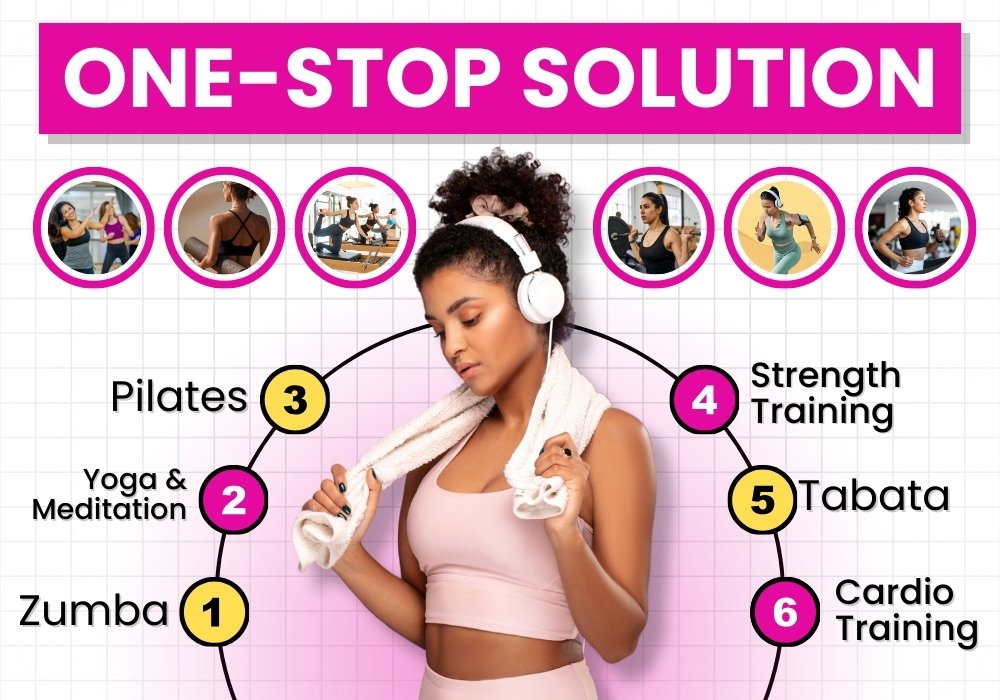
Online programs offer many types of exercise, including strength training, yoga, cardio, dance fitness, Pilates, and beginner-friendly home workouts. Depending on the program, participants may receive a personalized workout schedule, live instruction, progress tracking, or individual coaching.
One of the main advantages of online training is flexibility. You can often choose when and where to exercise, making it easier to fit workouts around work, family responsibilities, and other commitments.
For example, someone with a busy schedule might complete a 20-minute dance workout at home instead of spending additional time traveling to a gym. A beginner may also feel more comfortable learning basic movements privately before joining a group class.
However, online training requires self-motivation and a suitable exercise environment. Recorded workouts may not allow instructors to observe your technique or correct mistakes in real time.
Choosing a reliable program with qualified instructors, clear demonstrations, and appropriate exercise modifications can help improve your experience.
What Are In-Person Workouts?
In-person workouts involve exercising at a gym, fitness studio, community center, or another physical training location. Participants may train individually with a personal trainer or attend group classes led by an instructor.
This format provides direct interaction and can make it easier to ask questions, receive immediate feedback, and learn unfamiliar movements.
For example, a personal trainer may demonstrate an exercise, observe your technique, and suggest adjustments to improve movement quality. Group classes can also create a social atmosphere that encourages participants to remain consistent.
In-person workouts are available for many fitness goals, including strength training, aerobic exercise, yoga, dance fitness, and functional training.
Another advantage is access to equipment that may not be available at home. Gyms often provide resistance machines, free weights, cardio equipment, and dedicated exercise spaces.
However, in-person training can require additional time and money. Travel, membership fees, fixed class schedules, and crowded facilities may make it difficult for some people to attend regularly.
For this reason, the best choice depends on whether you value direct supervision and a dedicated workout environment more than flexibility and convenience.
What Are the Benefits of Online Fitness Training?
Online fitness training has become a popular option because it makes exercise accessible to people with different schedules and fitness preferences.
1. Flexible workout schedules
Many online programs offer recorded sessions or multiple live class timings. This flexibility allows you to exercise when it suits your daily routine.
2. Convenience of exercising at home
You can avoid commuting to a gym and complete workouts in a familiar environment. This may be especially useful for busy professionals, parents, and people who live far from fitness facilities.
3. Variety of workout options
Online platforms offer a wide range of activities, including dance workouts, yoga, stretching, strength training, and cardio sessions. You can explore different formats without traveling between studios.
4. Potential cost savings
Some online workouts are free, while paid programs may cost less than certain gym memberships or individual personal-training sessions. However, prices and services vary, so it is important to compare what each program includes.
5. Comfortable learning environment
Beginners may feel less self-conscious when learning new exercises at home. They can pause recorded videos, repeat difficult movements, and progress at their own pace.
6. Easy access to short workouts
Online classes often include sessions lasting 10, 15, 20, or 30 minutes. Shorter workouts can make it easier to remain active on busy days.
7. Greater control over your environment
You can choose your music, workout space, and preferred class format, provided you have the necessary equipment and enough room to move safely.
Although these benefits can make online training appealing, the results still depend on choosing suitable exercises and following a consistent routine.
What Are the Benefits of In-Person Workouts?
In-person workouts offer several advantages, particularly for people who prefer direct guidance and a structured training environment.
1. Immediate instructor feedback
An instructor can observe your movements and provide corrections during a session. This can be helpful when learning unfamiliar exercises or improving technique.
2. Greater accountability
Having a scheduled appointment or attending a group class may encourage you to show up regularly. Some people find it easier to stay motivated when another person expects them to participate.
3. Access to specialized equipment
Gyms provide equipment that can support different training goals, from building strength to improving cardiovascular endurance.
4. Social interaction
Group workouts allow participants to meet others with similar interests. Exercising alongside other people can create a sense of community and make classes more enjoyable.
5. A dedicated workout environment
Visiting a fitness studio may help you separate exercise time from household responsibilities, work, and other distractions.
6. Structured progression
A qualified personal trainer can help organize your training sessions, adjust exercise difficulty, and monitor your progress.
However, the quality of instruction varies. In-person training does not automatically guarantee safe technique or individualized attention, especially in large group classes. Choosing a qualified instructor remains important regardless of the training format.
Online Fitness Training vs. In-Person Workouts: Key Differences
Both training formats can support physical fitness, but they differ in convenience, supervision, costs, and the overall exercise experience.
| Factor | Online fitness training | In-person workouts |
|---|---|---|
| Convenience | Exercise from home or another suitable location | Travel to a gym or studio |
| Scheduling | Often flexible, especially with recorded classes | May depend on fixed class times |
| Instructor feedback | Varies; limited with recorded sessions | Direct feedback is usually easier |
| Social interaction | Virtual community or live group classes | Face-to-face interaction |
| Equipment | Often minimal, depending on the program | May include specialized gym equipment |
| Cost | Free and paid options available | Memberships or session fees may apply |
| Accountability | Requires self-discipline or virtual coaching | Scheduled appointments may encourage consistency |
| Privacy | Greater privacy at home | Shared training environment |
| Exercise variety | Access to many digital classes | Depends on the local facility |
Neither option is automatically superior. A person who needs close supervision may prefer individual in-person training, while someone with a busy schedule may benefit more from online workouts.
The most effective approach is the one that matches your needs and allows you to exercise safely and consistently.
Is Online Fitness Training Good for Beginners?
Online fitness training can be a useful starting point for beginners, particularly when classes include clear demonstrations and simple movement variations.
You can begin with short sessions, learn basic techniques, and gradually increase your workout duration as your confidence improves. Beginner-friendly yoga, walking workouts, low-impact cardio, and dance fitness are examples of accessible starting options.
Online training also allows you to repeat lessons. If you struggle with a movement, you can pause a recorded session and practice it again before continuing.
However, beginners should recognize that recorded videos cannot always identify incorrect technique. If you are unfamiliar with resistance training or have difficulty understanding an exercise, consider live instruction or an in-person session to learn the movement properly.
Choose programs that explain how to modify exercises and encourage participants to work within their abilities. Avoid routines that require advanced coordination, heavy resistance, or high-impact movements before you are ready.
If you have an existing medical condition, a significant injury, or concerns about beginning vigorous exercise, consult a healthcare professional before starting a new program.
Beginners can succeed with either online or in-person training when the program is appropriate, progressive, and easy to follow.
Is In-Person Training Better for Weight Loss?
In-person training is not automatically more effective for weight loss than online training. Both formats can help you become more physically active, and either can support weight management when combined with appropriate nutrition and sustainable lifestyle habits.
The most important factors include workout consistency, exercise intensity, total physical activity, food intake, sleep, and individual health circumstances.
For example, someone who regularly completes online cardio workouts and strength-training sessions may make excellent progress. Another person may find that attending scheduled gym classes helps them stay accountable and exercise more consistently.
A qualified coach can help you choose appropriate exercises and develop a realistic schedule, whether the training happens online or in person.
For sustainable weight management, consider combining aerobic activities with strength training. Dance workouts, brisk walking, cycling, and similar activities can support cardiovascular fitness, while resistance exercises help develop muscular strength.
Balanced meals, sufficient hydration, and adequate recovery are also important.
Avoid programs that promise rapid weight loss or suggest that you must exercise intensely every day. Results vary from person to person, and a routine that you can maintain over time is generally more practical than an extreme short-term plan.
How Zumba Online Fitness Can Make Exercise More Convenient
For people who enjoy music and dance, Zumba Online Fitness can provide an engaging way to exercise without attending a physical studio.
Zumba combines dance-inspired movements with aerobic activity, allowing participants to work on coordination, stamina, and cardiovascular endurance while enjoying music.
Online dance classes can be especially convenient for people with busy schedules. You may be able to choose a short session before work, participate during a break, or complete a workout in the evening.
Beginners can look for classes that introduce basic movements, provide clear demonstrations, and offer low-impact alternatives. You do not need to perform every step perfectly to participate.
Online Zumba classes may also offer greater privacy for people who feel nervous about dancing in front of others. You can practice familiar routines repeatedly and gradually become more confident.
In-person Zumba classes have their own advantages. The group atmosphere, direct instructor guidance, and shared energy may make dancing more motivating for some participants.
When choosing between the two, consider your preferences, schedule, and need for feedback. If you enjoy social interaction, a studio class may suit you. If convenience is your priority, an online session may be a better fit.
Whichever format you choose, combine dance fitness with other appropriate activities and allow enough time for recovery.
Which Option Is More Affordable?
Cost is another important factor when comparing online fitness training with in-person workouts.
Online programs may offer free videos, low-cost subscriptions, live group classes, or personalized coaching packages. The total cost depends on the platform, instructor, services, and subscription terms.
In-person workouts may involve gym membership fees, personal-training charges, transportation expenses, and other costs associated with visiting a fitness facility.
However, online training is not always cheaper. Individual online coaching and specialized programs can be expensive, while some community fitness centers offer affordable in-person classes.
You should compare the complete cost rather than focusing only on the advertised monthly fee.
Consider whether the program includes personalized plans, instructor feedback, progress tracking, equipment requirements, and access to recorded sessions.
If you plan to exercise at home, you may also need a suitable mat, resistance bands, or other equipment. Many beginner workouts, however, can be completed with little or no specialized equipment.
Choose a program that fits your budget without compromising essential safety and instruction.
How to Decide Which Fitness Training Option Is Right for You
The right choice depends on your personal circumstances and the kind of support that helps you remain consistent.
Choose online training if:
- You have a busy schedule and need flexible workout times.
- You prefer exercising at home.
- You want to explore different types of workouts.
- You feel comfortable following video instructions.
- You want access to short sessions that fit your daily routine.
Choose in-person training if:
- You prefer direct feedback from an instructor.
- You need help learning unfamiliar exercises.
- You enjoy group classes and social interaction.
- You want access to specialized gym equipment.
- You find scheduled appointments helpful for accountability.
You do not have to choose only one format. Many people benefit from combining both approaches. For example, you might attend one in-person strength-training session each week and complete online yoga or dance workouts at home on other days.
This hybrid approach can offer flexibility while still providing opportunities for direct instruction.
Before making a decision, identify your main goal, available time, budget, and preferred exercise environment. Then choose a program that meets those needs without making your routine unnecessarily complicated.
Tips for Getting the Best Results From Any Fitness Program
Regardless of whether you train online or in person, several habits can help you make your fitness routine more effective.
Set realistic goals: Begin with achievable targets, such as completing two or three workouts per week.
Start at your current fitness level: Choose exercises that challenge you without overwhelming you.
Prioritize proper technique: Learn the movements carefully and ask for guidance when necessary.
Stay consistent: Regular activity is generally more useful than occasional workouts that are excessively intense.
Combine different activities: Include appropriate aerobic exercise, strength training, and mobility work.
Allow time for recovery: Rest days and sufficient sleep support adaptation and help you manage fatigue.
Maintain balanced nutrition: Eat a variety of nutritious foods that support your energy needs and overall health.
Track meaningful progress: Notice improvements in stamina, strength, movement quality, and consistency rather than focusing exclusively on weight.
Choose enjoyable workouts: Activities you genuinely like may be easier to maintain over the long term.
Adjust when necessary: If your schedule changes or you feel unusually tired, modify your routine rather than abandoning it completely.
Fitness should support your well-being, not create unnecessary pressure. A flexible plan that adapts to your circumstances can help you build lasting habits.
Final Thoughts
Online fitness training and in-person workouts can both be effective ways to improve fitness, support weight management, build strength, and maintain an active lifestyle. The better option depends on your personal preferences, schedule, budget, fitness level, and need for instructor guidance.
Online training offers convenience, flexible scheduling, and access to a wide range of workouts. In-person sessions provide direct interaction, easier technique feedback, and a dedicated training environment.
If you enjoy dance-based exercise, online Zumba classes can be a practical way to stay active at home. If you prefer the energy of a group or need hands-on guidance, an in-person class may suit you better.
You can also combine both formats to enjoy the advantages of each. Start with manageable sessions, choose qualified instructors, and increase your activity gradually.
Ultimately, the best fitness program is not necessarily the most expensive, intense, or popular one. It is the program that helps you exercise safely, remain consistent, and enjoy the process of becoming healthier and stronger.