Introduction
Starting a fitness journey can be exciting, but it can also feel confusing when you do not know which exercises to choose, how often to work out, or how to measure your progress. Many people begin exercising with enthusiasm but struggle to maintain consistency because they lack a clear plan or professional guidance. This is where an online fitness coach can make a difference.
An online fitness coach helps you work toward your fitness goals through virtual training sessions, personalized workout plans, progress tracking, and ongoing support. Depending on the program, you may receive guidance through live video classes, recorded workouts, fitness applications, or regular communication with your coach.
Online coaching can be suitable for beginners, busy professionals, parents, and people who prefer exercising at home. However, the quality and level of support can vary between programs. Understanding what to expect before joining can help you choose a coach who matches your goals, schedule, and fitness level.
Whether you want to improve your stamina, build strength, manage your weight, or enjoy dance-based workouts, a good coach should help you follow a realistic and sustainable fitness routine.
What Does an Online Fitness Coach Do?
An online fitness coach provides exercise guidance and helps you develop a structured approach to physical activity. Instead of attending every session at a traditional gym, you can receive training and support remotely.
The exact services depend on the coach and the program you choose. Some coaches provide live workouts, while others create personalized plans that you follow independently.
A typical online fitness coach may help you identify your goals, understand your current fitness level, choose suitable exercises, and establish a weekly schedule. They may also review your progress and suggest adjustments when necessary.
For example, a beginner who wants to improve cardiovascular fitness may receive a plan that combines walking, beginner-friendly dance workouts, and simple strength exercises. Someone with more experience may receive a structured routine designed to develop endurance or muscular strength.
Online coaches can also help you stay accountable. Regular check-ins and progress reviews may encourage you to continue exercising when motivation becomes difficult to maintain.
However, an online fitness coach is not automatically a medical professional, physiotherapist, or registered dietitian. Coaches should work within their qualifications and refer you to an appropriate healthcare professional when your needs fall outside their expertise.
Will an Online Fitness Coach Create a Personalized Workout Plan?
One of the main things you can expect from a quality online coaching program is a workout plan suited to your individual circumstances.
Before recommending exercises, a coach may ask about your fitness goals, exercise experience, available equipment, daily schedule, and any relevant physical limitations. This information helps them develop a routine that is realistic and appropriate for your starting point.
For example, a beginner who has not exercised regularly may start with short sessions and basic movements. A more experienced participant might follow a plan with different training intensities and progressively challenging exercises.
A personalized plan may include:
- Cardiovascular exercises to improve endurance.
- Strength training to develop muscular strength.
- Mobility and flexibility exercises.
- Rest days to support recovery.
- Gradual increases in workout duration or difficulty.
Your plan should also reflect the time you can realistically dedicate to exercise. If you have only 20 minutes available on most days, your coach should help you make the most of that time instead of prescribing a schedule you cannot maintain.
Personalization does not mean every workout must be completely different. Repeating suitable exercises can help you develop better technique and measure progress.
As your fitness improves, your coach should review the plan and make adjustments according to your performance, recovery, and changing goals.
What Kind of Support Can You Expect From an Online Fitness Coach?
Support is an important part of online fitness coaching. Although the exact level of communication varies, a well-organized program should clearly explain how and when you can contact your coach.
Some programs provide live video sessions, while others offer weekly check-ins, messaging support, or scheduled progress reviews.
During these interactions, your coach may discuss completed workouts, answer exercise-related questions, help you manage scheduling difficulties, and suggest ways to overcome common challenges.
For instance, if you regularly miss workouts because of a busy work schedule, your coach might help you shorten sessions or reorganize your weekly plan.
A supportive coach should also encourage you without making you feel guilty about missed sessions. Fitness progress is rarely perfectly consistent, and your routine may need to change as your circumstances change.
Before joining a program, ask how frequently you will receive feedback, whether live sessions are included, and what happens when you need help outside scheduled appointments.
Clear expectations help prevent misunderstandings and ensure that the level of support matches what you are paying for.
Can an Online Fitness Coach Help With Zumba Workouts?
Yes, an online fitness coach who has suitable dance-fitness qualifications can help you incorporate Zumba into your exercise routine.
Zumba combines dance-inspired movements with music to create an aerobic workout. It can be an enjoyable option for people who prefer energetic movement over repetitive exercise routines.
With Zumba Online, you can explore guided dance sessions from home and choose classes that suit your schedule. Depending on the program, an instructor may demonstrate basic steps, explain choreography, and offer easier variations for beginners.
A qualified coach may also help you balance dance workouts with strength training, walking, and recovery days. This can create a more varied routine rather than relying on high-intensity dance sessions every day.
If you are new to Zumba, expect to make mistakes while learning the movements. You do not need perfect coordination to begin. A good instructor should explain steps clearly and encourage you to progress at your own pace.
Before joining a dance-fitness program, check the instructor’s relevant qualifications and experience. Also, confirm whether the sessions are live or recorded, whether modifications are provided, and how you can ask questions about technique.
Remember that Zumba is only one possible component of a fitness plan. Your coach should help you choose activities that fit your overall goals, preferences, and physical abilities.
How Does an Online Fitness Coach Track Your Progress?
Progress tracking helps you understand whether your workout routine is supporting your goals. Instead of relying on guesswork, your coach may use several methods to review your development.
Workout consistency: Your coach may record how frequently you complete scheduled sessions and whether your routine fits your lifestyle.
Strength improvements: You may notice that you can perform more repetitions, use appropriate resistance, or complete exercises with better control.
Cardiovascular endurance: Your coach may assess whether you can sustain activity for longer or recover more comfortably after exercise.
Movement quality: Improved coordination, balance, and exercise technique can indicate progress.
Personal feedback: Your energy levels, motivation, confidence, and perceived workout difficulty can help your coach understand how you are responding.
Goal-related measurements: Depending on your goals and preferences, progress may include body measurements or changes in body weight. These should be optional and interpreted appropriately.
Not every fitness goal requires measuring weight or body size. If your primary aim is to become stronger, improve endurance, or establish an exercise habit, those achievements may be more relevant.
A good coach should review progress regularly and adjust the program when needed. They should also explain that results vary between individuals and that meaningful improvements often take time.
What Should You Expect During Your First Online Coaching Session?
Your first online coaching session will often focus on understanding your needs and helping you become comfortable with the training process.
The coach may begin by discussing your goals, exercise history, daily routine, and preferred types of physical activity. They may ask how much time you have available and whether you have access to basic equipment.
You should also have an opportunity to discuss relevant injuries, health concerns, or movements that cause discomfort. Share only the information needed to plan your exercise safely.
Depending on the program, the first session may include a simple fitness assessment, movement demonstrations, or an introductory workout.
If the coach provides live video training, you may need a stable internet connection, enough space to move, comfortable clothing, and suitable footwear. If you are following recorded sessions, ask how you can get feedback on your technique.
Your coach should explain the initial plan, how sessions are scheduled, and how progress will be reviewed.
You do not need to perform at an advanced level during your first session. The purpose is to establish a starting point, understand the training approach, and identify a realistic path forward.
Will an Online Fitness Coach Help You Lose Weight?
An online fitness coach can help you develop an exercise routine that supports weight management, but no coach can guarantee a particular result within a specific number of days.
Weight changes are influenced by physical activity, nutrition, sleep, stress, medications, and individual health factors. A coach can help you establish consistent movement habits and, within their qualifications, offer general guidance on healthy lifestyle practices.
For example, your program might combine dance fitness or other cardiovascular exercise with strength training. This approach can help improve endurance while supporting muscular strength.
Your coach may also encourage you to build realistic habits, such as exercising regularly, taking walking breaks, and allowing enough time for recovery.
If detailed meal planning or nutrition therapy is part of your goals, check whether the coach has appropriate nutrition qualifications. A fitness certification alone does not necessarily qualify someone to provide individualized medical nutrition advice.
Be cautious of coaches who promise rapid weight loss, recommend extreme restrictions, or suggest that you must exercise intensely every day to succeed.
Sustainable progress usually involves consistent habits that you can maintain over time. Your coach should help you focus on realistic improvements rather than creating pressure around the weighing scale.
How Much Time Should You Spend Working With an Online Fitness Coach?
The amount of time you need depends on your fitness goals, experience, and schedule.
Some people benefit from two or three guided sessions each week, while others prefer one live session combined with independent workouts. Your coach may also recommend shorter activities on days when you have limited time.
For generally healthy adults, common physical activity guidelines recommend at least 150 minutes of moderate-intensity aerobic activity per week, or 75 minutes of vigorous-intensity activity, or an equivalent combination. Muscle-strengthening activities are also recommended on at least two days per week.
These recommendations are general targets, not a requirement to begin at full intensity. Beginners can build toward them gradually.
A weekly plan might include two dance-fitness sessions, two strength-training sessions, and walking or gentle mobility work on other days. The exact schedule should reflect your abilities and recovery needs.
Your coach should explain the purpose of each session and help you balance exercise with rest. More training is not always better, especially if you are consistently tired or experiencing discomfort.
The most effective schedule is one that challenges you appropriately while allowing you to recover and maintain consistency.
How to Choose the Right Online Fitness Coach
Choosing the right coach can make your experience more effective and enjoyable. Before committing to a program, consider the following factors.
1. Qualifications and experience
Look for relevant fitness certifications and experience with the type of training you want to do. If you are interested in Zumba, check for suitable dance-fitness instructor qualifications.
2. Clear communication
Your coach should explain exercises, answer reasonable questions, and provide clear information about scheduling and feedback.
3. Individual attention
Find out whether your plan will be personalized or whether you will mainly follow general group workouts.
4. Flexible scheduling
Choose a program that fits your availability and offers a practical way to reschedule or make up missed sessions.
5. Safety and modifications
A good coach should provide suitable exercise variations and encourage you to stop when something causes pain or concerning symptoms.
6. Transparent pricing
Check the total cost, subscription length, cancellation terms, and what is included in the package.
7. Realistic expectations
Avoid coaches who guarantee specific physical results or pressure you to purchase additional services through fear or unrealistic promises.
8. Progress reviews
Ask how your coach will assess your development and how often your workout plan may be updated.
You can also request an introductory consultation or trial session when available. This can help you decide whether the coach’s teaching style and communication approach suit your preferences.
What Are the Common Mistakes to Avoid With Online Fitness Coaching?
Online coaching can be helpful, but your experience depends partly on choosing an appropriate program and following it realistically.
One common mistake is expecting immediate results. Building strength, improving endurance, and establishing consistent habits take time. Give your body an opportunity to adapt.
Another mistake is following a workout plan that is too difficult. Beginners should not feel pressured to match the performance of experienced participants. Ask your coach for modifications whenever needed.
Avoid ignoring recovery. Rest days, adequate sleep, and balanced nutrition help support your ability to exercise consistently.
You should also communicate honestly with your coach. If the schedule is not working, a movement causes discomfort, or the workouts feel excessively demanding, explain the problem so the plan can be reviewed.
Finally, do not assume that online coaching automatically guarantees close supervision. Recorded videos may not allow an instructor to see your technique. If you need detailed feedback, ask whether live assessments or individual video reviews are available.
A professional coach should welcome reasonable questions and prioritize safe, realistic progress over pressure or unrealistic promises.
Final Thoughts
An online fitness coach should provide more than a list of exercises. Depending on the program, you can expect structured workouts, guidance suited to your goals, progress reviews, and support that helps you maintain a consistent routine.
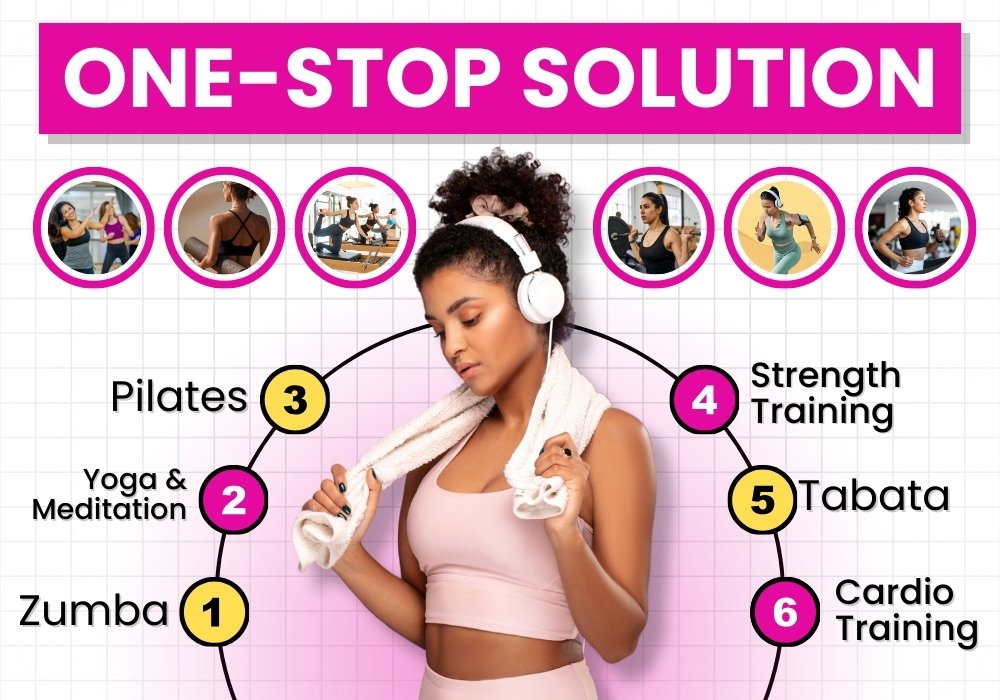
The best coach will understand your starting fitness level, respect your schedule, explain exercises clearly, and help you progress at a manageable pace. Whether you prefer strength training, yoga, walking, or dance-based workouts, your program should reflect your interests and individual needs.
If you enjoy dancing, Zumba can be an engaging way to include aerobic exercise in your routine. Online sessions can offer flexibility, while a qualified instructor can help you learn movements and choose suitable modifications.
Before joining any program, review the coach’s qualifications, communication policy, pricing, and approach to safety. Set realistic goals, allow enough time for recovery, and communicate openly about your experience.
Ultimately, online fitness coaching works best when you combine professional guidance with consistency and patience. Choose a program that supports your lifestyle, helps you build healthy habits, and makes your fitness journey both practical and enjoyable.