

Weight gain can happen for many different reasons, and it is not always simply a result of eating too much or exercising too little. Women’s bodies go through different stages of life, including hormonal changes, pregnancy, menopause, stressful periods, and changes in daily routines. These factors can influence appetite, metabolism, sleep, activity levels, and the way the body stores fat.
Understanding the possible reasons behind weight gain is important because it allows women to make realistic and sustainable lifestyle changes rather than following extreme diets or workouts. Here are some of the most common factors that may contribute to weight gain in women.
1. Consuming More Calories Than the Body Uses
One of the fundamental factors behind weight gain is a sustained calorie surplus. When the body regularly receives more energy from food and drinks than it uses, the excess energy can be stored as body fat.

This does not mean that every calorie needs to be counted. Portion sizes, highly processed foods, sugary drinks, frequent snacking, and large meals can all contribute to higher energy intake without providing lasting fullness.
A balanced eating pattern that includes vegetables, fruits, whole grains, protein-rich foods, and healthy fats can make it easier to manage overall calorie intake.
2. Lack of Regular Physical Activity
Modern lifestyles often involve long periods of sitting. Working at a desk, commuting, watching television, and spending considerable time on phones or computers can reduce daily movement.
Exercise is important for maintaining muscle, supporting cardiovascular health, and increasing energy expenditure. However, daily movement also matters. Walking, taking the stairs, household activities, and regular breaks from sitting can all contribute to an active lifestyle.
Women who find traditional gym workouts boring may enjoy activities such as dancing, Zumba, yoga, cycling, or walking. Choosing an activity that is enjoyable can make consistency much easier.
3. Hormonal Changes
Hormonal fluctuations can influence body weight and body composition. Conditions affecting hormones, such as hypothyroidism or polycystic ovary syndrome (PCOS), may be associated with weight changes in some women.

Normal life stages can also influence weight. During perimenopause and menopause, changes in estrogen levels, muscle mass, activity, sleep, and fat distribution may contribute to changes in body composition.
However, hormonal changes are only one possible factor. Women experiencing unexplained or significant weight gain should discuss their symptoms with a qualified healthcare professional rather than assuming hormones are automatically responsible.
4. Pregnancy and Postpartum Changes
Pregnancy naturally involves weight gain because the body supports the growth and development of a baby. After childbirth, returning to a previous weight can take time.
Sleep deprivation, hormonal changes, reduced activity, breastfeeding demands, and the responsibilities of caring for a newborn can all make weight management more challenging.
Postpartum recovery should focus on adequate nutrition, gradual physical activity when medically appropriate, and overall well-being rather than rapid weight loss.
5. Stress and Emotional Eating
Long-term stress can affect eating patterns. Some people respond to stress by eating more frequently or choosing foods high in sugar, fat, or calories.
Emotional eating often happens when food becomes a way to cope with boredom, anxiety, frustration, or exhaustion rather than physical hunger.
Finding alternative stress-management strategies can help. Walking, dancing, breathing exercises, yoga, hobbies, social connection, and sufficient rest can all support healthier coping habits.
6. Poor Sleep
Sleep is an important part of a healthy lifestyle and can influence appetite and eating behavior. Consistently getting too little sleep may increase cravings, reduce energy for physical activity, and make healthy food choices more difficult.
Busy schedules, work responsibilities, family commitments, stress, and excessive screen time can interfere with sleep.
Creating a consistent bedtime routine, limiting unnecessary screen use before bed, and maintaining a comfortable sleeping environment can support better sleep habits.
7. Highly Processed Foods and Sugary Drinks
Highly processed foods can be convenient, but many contain substantial amounts of added sugars, refined carbohydrates, sodium, or fats while providing relatively little fiber or nutritional value.
Sugary beverages can be particularly easy to overlook because they may add significant calories without creating the same feeling of fullness as solid food.
Replacing sugary drinks with water or unsweetened beverages and choosing minimally processed foods more often can be a simple step toward healthier eating.
8. Eating Patterns and Portion Sizes
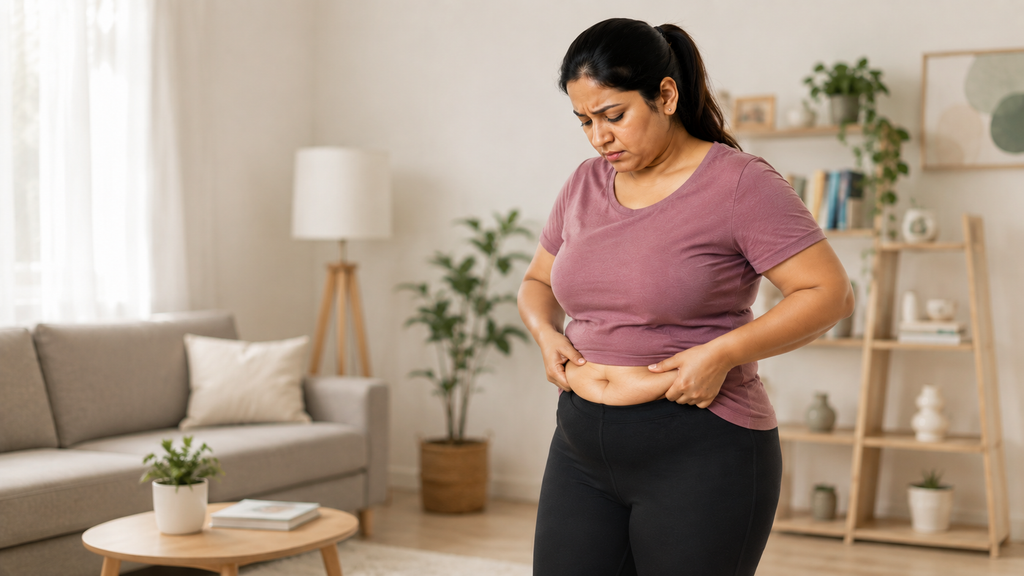
Even nutritious foods can contribute to weight gain when consumed in consistently large quantities. Portion sizes have increased in many eating environments, and restaurant meals can sometimes contain much more food than a person needs.
Eating slowly and paying attention to hunger and fullness signals can help. Building meals around vegetables, protein, fiber-rich carbohydrates, and healthy fats can also promote better satiety.
There is no universal portion size that works for every woman because nutritional needs vary according to age, body size, activity level, and other factors.
9. Age-Related Changes
Metabolism and body composition can change as people get older. Adults may gradually lose muscle mass if they do not engage in regular resistance exercise, while daily activity may also decrease.
Because muscle tissue uses energy, maintaining muscle through strength training and adequate protein intake can be useful for supporting physical function and healthy body composition.
A combination of cardio activities, strength exercises, mobility work, and everyday movement can create a well-rounded fitness routine.
10. Certain Medications
Some medications can contribute to weight gain as a side effect. Examples may include certain medications used for mental health conditions, diabetes, seizures, allergies, or other medical conditions.
However, medication-related weight changes vary considerably between individuals. Women should never stop or change prescribed medication without speaking with their healthcare provider.
If you notice unexplained weight gain after starting a medication, discuss it with your doctor. They can determine whether the medication may be contributing and whether alternatives are appropriate.
11. Eating Too Little During the Day
Trying to lose weight by severely restricting food can sometimes create an unsustainable eating pattern. Skipping meals or consuming too little during the day may leave someone extremely hungry later, potentially leading to overeating.
Rather than relying on extreme restriction, a balanced eating routine can provide adequate nutrition while supporting healthy weight management.
The goal should be a sustainable approach that you can maintain for months and years, not a temporary diet that is difficult to follow.
12. Lack of Strength Training
Cardio exercise is valuable, but strength training also plays an important role in women’s fitness. Resistance exercises help maintain and build muscle, improve strength, and support physical function.
Women do not need to lift extremely heavy weights to benefit. Bodyweight exercises, resistance bands, dumbbells, and other forms of resistance training can be incorporated according to fitness level.

Combining strength training with activities such as Zumba, walking, or cycling can create a more balanced fitness routine.
13. Busy Lifestyle
A busy lifestyle can make healthy habits difficult to maintain. Work deadlines, family responsibilities, commuting, social commitments, and household tasks may leave little time for exercise or meal preparation.
Planning can make a significant difference. Preparing simple meals in advance, scheduling workouts like appointments, keeping nutritious snacks available, and finding short opportunities for movement can help make healthy choices more realistic.
For example, a 30-minute workout may be easier to maintain than expecting yourself to spend two hours at the gym.
14. Lack of Consistency
Weight management is influenced by long-term habits rather than occasional healthy days. Exercising intensely for one week and then stopping for several weeks is unlikely to produce sustainable results.
Instead, focus on habits that can realistically become part of everyday life. Regular physical activity, balanced meals, adequate sleep, hydration, and stress management are more useful than constantly switching between different diets.
Consistency does not mean perfection. Missing a workout or enjoying an occasional treat does not ruin your progress.
How a Balanced Diet Can Help
A nutritious diet can support healthy weight management while providing the energy needed for daily activities and exercise. Instead of focusing on eliminating entire food groups, aim for balanced meals containing vegetables, fruits, protein sources, whole grains, and healthy fats.
Women looking for structured guidance can explore a Weight Loss Diet Plan For Women that emphasizes balanced nutrition rather than extreme calorie restriction. However, individual nutritional requirements differ, so people with medical conditions, pregnancy, breastfeeding, or specific dietary needs should consider getting personalized advice from a qualified nutrition professional.
The Role of Exercise in Healthy Weight Management
Exercise can support weight management while providing benefits beyond body weight. Regular physical activity can improve cardiovascular fitness, strength, mobility, mood, and energy levels.
Activities such as Zumba can make exercise more enjoyable. Dance-based workouts combine continuous movement with music, which can help people remain engaged and consistent.
The best workout is often the one you enjoy enough to perform regularly. Some women may prefer Zumba, while others may enjoy walking, swimming, strength training, yoga, or cycling.
When Should You Seek Professional Advice?
Not all weight gain is caused by lifestyle habits. Sudden or unexplained weight gain, significant changes in appetite, persistent fatigue, swelling, or other unusual symptoms should be discussed with a healthcare professional.
A doctor can evaluate potential underlying causes, medications, hormonal factors, and other health considerations. Professional guidance is especially important during pregnancy, after childbirth, or when managing an existing medical condition.

Conclusion
There are many possible reasons for weight gain in women, including changes in diet, physical activity, sleep, stress, hormones, age, medications, pregnancy, and daily lifestyle. Understanding these factors can help women avoid unnecessary guilt and focus on practical, sustainable solutions.
Instead of relying on crash diets or excessive workouts, aim for balanced nutrition, regular movement, sufficient sleep, stress management, and consistency. A healthy lifestyle is not about achieving quick results; it is about creating habits that support your physical and mental well-being over the long term.